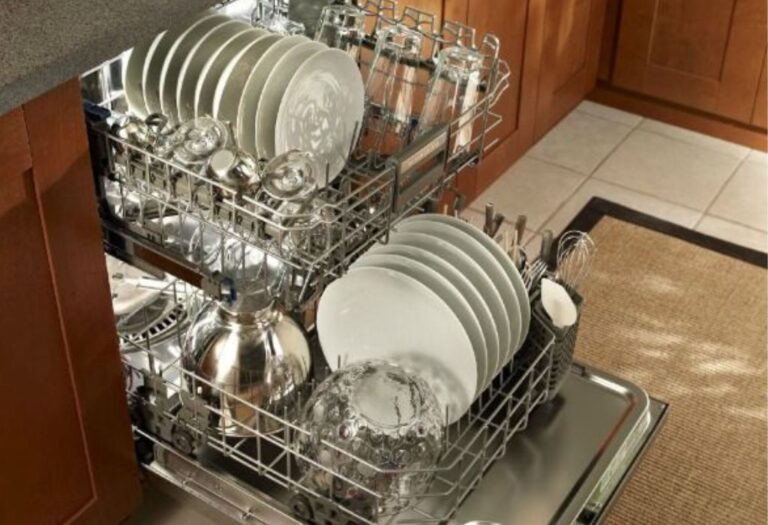
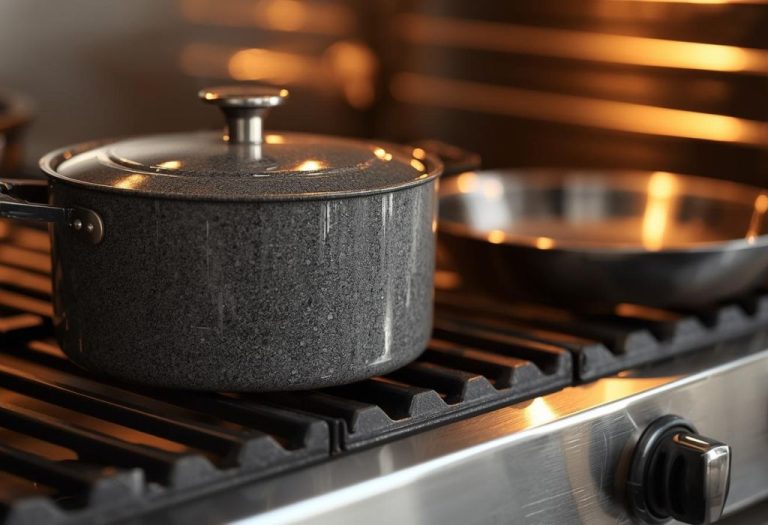
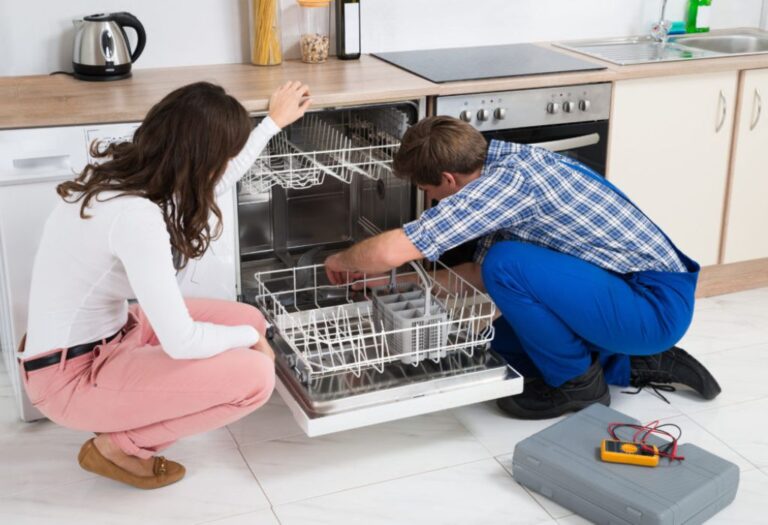
A homeowner prepares a quick dinner late in the evening and turns on a small oven placed neatly beside the microwave. In another home across town, a family heats a large built-in oven integrated into a custom kitchen wall.
Both meals get cooked, yet the appliances handling that heat represent completely different cooking philosophies.
Modern kitchens now offer more oven choices than ever before. Countertop ovens promise flexibility, speed, and compact convenience, while built-in ovens deliver power, capacity, and a seamless kitchen design. Many buyers struggle to decide which option truly suits their lifestyle.
Choosing between a countertop oven and a built-in oven goes far beyond price or appearance. It affects daily cooking speed, energy use, kitchen layout, and even long-term renovation planning. Each type serves a distinct role in the modern home.
This guide breaks down countertop oven vs built-in oven in complete detail. It explains design, installation, performance, efficiency, and real-world usability. By the end, the correct choice becomes much clearer based on actual cooking needs.
What a Countertop Oven Is
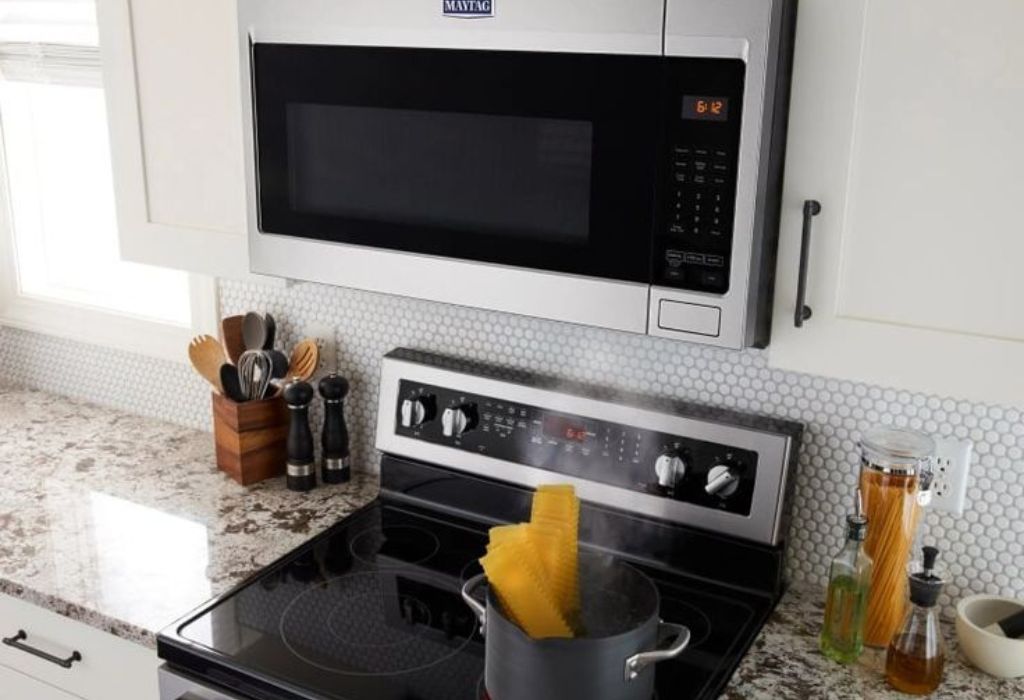
A countertop oven is a compact electric oven designed to sit directly on a kitchen counter. It operates using heating elements and internal air circulation. This allows it to bake, toast, roast, and sometimes air fry.
Unlike traditional ovens, countertop models require no permanent installation. They simply plug into a standard electrical outlet. This makes them immediately usable in almost any kitchen.
Most countertop ovens are small to medium in size. They are built for quick meals and small portions. This makes them ideal for apartments, dorms, and secondary kitchens.
Temperature control is handled digitally or with manual dials. Many modern models include preset cooking modes. These simplify daily use for beginners.
The interior usually holds one or two racks. This limits batching but speeds up cooking due to smaller chamber size. Faster preheating is a major benefit.
In essence, a countertop oven is a portable, space-efficient cooking appliance. It trades cooking volume for speed and flexibility. This defines its primary role in home kitchens.
What a Built-In Oven Is
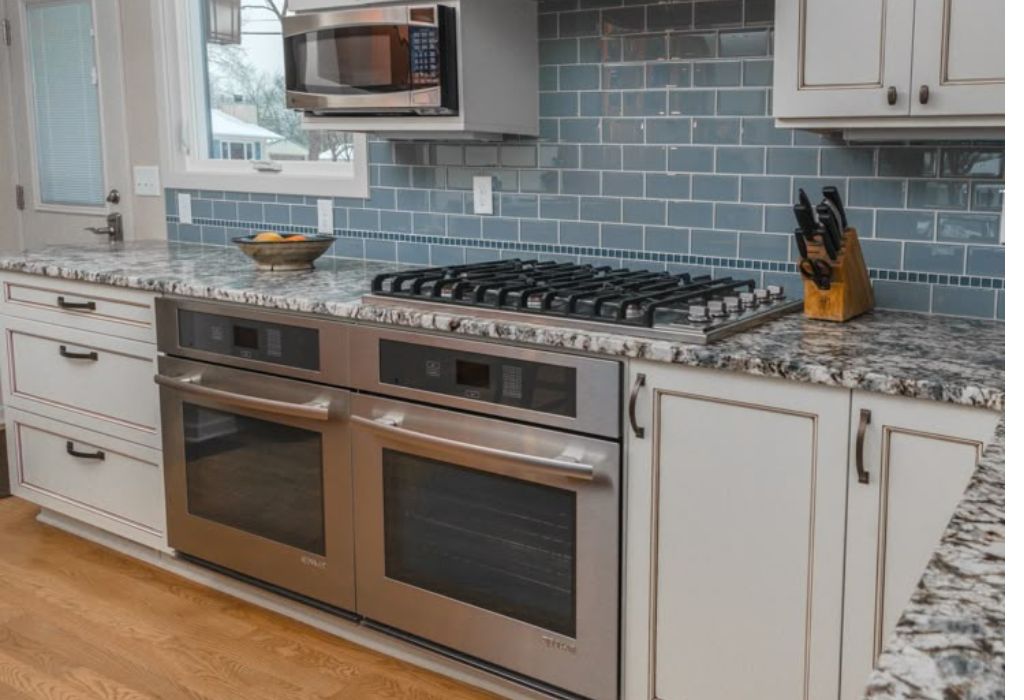
A built-in oven is a permanently installed kitchen appliance integrated into cabinetry or wall units. It connects directly to electrical wiring or gas supply. This makes it a fixed and powerful cooking unit.
Built-in ovens are usually full-size and offer large cooking chambers. They are designed for family meals, bulk baking, and multi-dish cooking. This makes them essential in traditional kitchens.
Heat generation comes from electric elements or gas burners. Advanced models include convection fans for even heat distribution. This improves baking consistency.
Built-in ovens often include advanced cooking features. These may include self-cleaning, steam assist, probe cooking, and multi-rack convection. These features support professional-style cooking.
The control system is usually digital with touch panels. This allows precise temperature and timer control. Smart models also allow mobile app monitoring.
A built-in oven becomes part of the kitchen architecture. It is not easily moved or replaced. This permanence defines both its strength and its limitation.
Installation Differences Between Both Ovens
Countertop ovens require no complex installation. They only need stable counter space and standard power access. This makes them ideal for renters and temporary kitchens.
Built-in ovens require professional installation. Cabinet cutouts, ventilation clearance, and power wiring must meet safety codes. This adds installation cost and planning time.
Countertop ovens can be relocated easily. Users can move them during cleaning or kitchen rearrangement. This provides unmatched flexibility.
Built-in ovens become permanent once installed. Any relocation requires major cabinetry modification. This limits future kitchen layout changes.
Electrical load requirements differ greatly. Built-in ovens often run on higher voltage circuits. Countertop ovens use regular household outlets.
Installation choice directly affects long-term kitchen planning. Countertop ovens favor mobility and convenience. Built-in ovens favor structure and permanence.
Is a countertop oven easy to install?
Yes, it only requires plugging into a standard power outlet.
Does a built-in oven require professional installation?
Yes, electrical or gas connections must follow strict safety codes.
Can a countertop oven replace a built-in oven permanently?
It can replace many daily tasks but not full-scale meal capacity.
Does installation affect oven performance?
Yes, correct ventilation and wiring ensure stable heat output.
Is a built-in oven difficult to remove later?
Yes, removal requires cabinet modification and electrical disconnection.
Cooking Performance and Heat Distribution
Countertop ovens heat up very quickly due to their small internal chamber. The heating elements are closer to the food surface. This creates fast cooking with concentrated heat.
Built-in ovens take longer to reach target temperature. However, they provide deeper and more stable heat penetration. This benefits slow roasting and large baking tasks.
Air circulation in countertop ovens is usually aggressive. High-speed fans push hot air directly onto food. This improves crisping performance for small portions.
Built-in ovens use broader convection circulation. Heat distributes evenly across multiple racks. This allows uniform cooking of several dishes at the same time.
Temperature stability differs between the two types. Countertop ovens fluctuate slightly due to rapid cycling. Built-in ovens maintain steadier long-duration heat.
Performance depends on cooking style and portion size. Small meals favor countertop speed. Large meals require built-in oven consistency.
Capacity and Cooking Volume Comparison
Countertop ovens are designed for limited cooking volume. Most models accommodate one tray or a small baking dish. This suits individuals and small households.
Built-in ovens are engineered for large cooking capacity. They can handle multiple racks with full-size trays. This supports family meals and bulk baking.
Interior height in built-in ovens allows multi-layer cooking. Large roasts and tall bakeware fit easily inside. This increases meal flexibility.
Countertop ovens restrict tall cookware usage. Large casseroles and roasting pans may not fit properly. This limits certain cooking tasks.
Batch cooking is easier in built-in ovens. Multiple dishes can be prepared at once. This saves time during large meal preparation.
Capacity directly affects daily workflow. Small kitchens benefit from compact volume. Large families benefit from expanded interior space.
Energy Consumption and Efficiency
Countertop ovens consume less total energy per cooking session. Their smaller chamber heats quickly with minimal waste. This reduces electricity usage for short tasks.
Built-in ovens draw higher power due to size and heat retention. Preheating alone consumes significant energy. Long cooking cycles increase total energy load.
Short cooking jobs favor countertop oven efficiency. Reheating, toasting, and small bakes use minimal electricity. This lowers daily utility cost.
Long-duration cooking favors built-in oven efficiency. Large batch baking benefits from shared heat across multiple dishes. Energy is used more effectively per portion.
Heat loss also differs between the two. Built-in ovens retain heat inside thick insulated walls. Countertop ovens lose heat faster during door opening.
Efficiency depends on cooking habits. Frequent small meals favor countertop savings. Occasional large meals justify built-in power usage.
Which oven uses less electricity daily?
Countertop ovens usually use less power for small daily tasks.
Does preheating increase energy usage?
Yes, longer preheating increases total electricity consumption.
Are built-in ovens energy efficient for large meals?
Yes, they distribute heat efficiently across multiple dishes.
Does insulation affect oven efficiency?
Yes, thicker insulation reduces heat loss significantly.
Is energy usage higher for convection mode?
Yes, fans and heating elements run continuously in convection mode.
Cost, Maintenance, and Long-Term Value
Countertop ovens are significantly cheaper at purchase. Most models fall within an affordable price range. This makes them accessible for nearly all budgets.
Built-in ovens require higher upfront investment. Installation and cabinetry modification increase total cost. This places them in the premium appliance category.
Maintenance for countertop ovens is simple and low-cost. Parts are easier to clean and replace. Many users replace the entire unit if repairs are needed.
Built-in ovens cost more to service. Repairs often require skilled technicians and replacement parts. Downtime can be longer during major repairs.
Lifespan also differs between the two. Built-in ovens are designed for long-term use. Countertop ovens have shorter service life on average.
Long-term value depends on lifestyle stability. Homeowners gain value from built-in ovens. Renters benefit more from countertop flexibility.
Space, Kitchen Design, and Flexibility
Countertop ovens occupy visible counter space. This reduces work area but increases accessibility. They remain within arm’s reach during use.
Built-in ovens integrate seamlessly into kitchen design. They preserve clean countertop surfaces. This enhances visual appeal and cooking ergonomics.
Small kitchens benefit from countertop portability. Appliances can be relocated or stored when not in use. This improves layout flexibility.
Built-in ovens require permanent space allocation. Once installed, design changes become expensive. This limits remodeling flexibility.
Countertop ovens support temporary cooking setups. Outdoor kitchens and rental units benefit from this mobility. Use location can change easily.
Design choice reflects lifestyle needs. Fixed homes favor built-in elegance. Dynamic living favors countertop adaptability.
Do countertop ovens take up too much counter space?
They do reduce counter area but add cooking flexibility.
Are built-in ovens better for kitchen aesthetics?
Yes, they create a clean and integrated look.
Can countertop ovens be stored when not in use?
Yes, most models can be moved and stored easily.
Is remodeling harder with built-in ovens?
Yes, built-in units complicate future layout changes.
Are countertop ovens suitable for rental homes?
Yes, they are ideal for non-permanent installations.
Which Oven Is Better for Different Households
Single users benefit most from countertop ovens. Small meals cook quickly with minimal energy. Daily routines become faster and more efficient.
Couples may choose either type based on cooking habits. Frequent small meals favor countertop ovens. Occasional large meals favor built-in models.
Families benefit greatly from built-in ovens. Large batch cooking becomes practical and efficient. Meal preparation becomes centralized.
Home bakers prefer built-in ovens for temperature stability. Precision matters in bread and pastry baking. Multi-rack baking saves time.
Students and renters prefer countertop ovens for portability. No installation is required. Moving homes becomes easy.
Household type determines the better choice. Cooking volume and stability define needs. Appliance selection should follow daily usage patterns.
Cleaning and Maintenance Comparison
Countertop ovens require frequent surface cleaning. Grease splatter accumulates quickly in small chambers. Regular wiping is essential for hygiene.
Built-in ovens often include self-cleaning modes. High-temperature cycles burn off food residue. This reduces manual scrubbing effort.
Removable trays in countertop ovens simplify washing. These trays fit easily in sinks. This speeds up post-cooking cleanup.
Built-in ovens have larger interiors that take longer to clean manually. Grease can settle on sidewalls and fan covers. Deep cleaning takes more time.
Heating element access differs between the two. Countertop elements are easier to reach for inspection. Built-in elements are harder to service.
Maintenance effort depends on cooking frequency. Heavy daily use increases cleaning workload. Proper habits extend appliance lifespan.
Which oven is easier to clean daily?
Countertop ovens are easier to wipe after each use.
Do built-in ovens clean automatically?
Many models include self-cleaning features.
Are countertop oven trays dishwasher safe?
Some are, depending on manufacturer guidance.
Does grease buildup affect performance?
Yes, grease disrupts airflow and causes overheating.
Is professional cleaning needed for built-in ovens?
Only for heavy buildup or fan system maintenance.
Safety and Installation Considerations
Countertop ovens must be placed on heat-resistant surfaces. Poor placement causes heat damage to counters. Adequate airflow clearance is essential.
Built-in ovens require code-compliant electrical or gas connections. Improper wiring leads to serious fire risk. Professional installation ensures safety compliance.
Countertop ovens pose tipping risks if overloaded. Heavy cookware unbalances small bases. Stable placement prevents accidents.
Built-in ovens are structurally secured in cabinetry. This prevents shifting during use. Safety increases through fixed positioning.
Ventilation differs between the two types. Built-in ovens rely on cabinet ventilation systems. Countertop ovens vent directly into the room.
Safety depends on correct installation and daily handling. Both ovens are safe when used properly. Neglect introduces unnecessary hazard.
Conclusion
Countertop ovens and built-in ovens serve very different roles in modern kitchens. One offers speed, flexibility, and compact convenience. The other delivers power, capacity, and seamless integration.
Cooking performance varies based on airflow strength and chamber size. Countertop ovens excel in fast crisping and reheating. Built-in ovens dominate large-scale and multi-dish cooking.
Energy efficiency depends on portion size and cooking duration. Small jobs favor countertop efficiency. Large meals favor built-in thermal stability.
Cost and maintenance also shape long-term ownership experience. Countertop ovens are more affordable and portable. Built-in ovens demand higher investment but deliver lasting value.
Kitchen space and design preferences influence selection strongly. Permanent homes benefit from built-in elegance. Mobile lifestyles benefit from countertop flexibility.
Choosing between countertop oven vs built-in oven depends on real cooking needs. There is no universal winner for every household. The best oven is the one that fits daily routine, space, and budget.

I’m Emma J. Caldwell, the founder, lead writer, and home-cooking enthusiast behind KitchenGuideCo.com. With a background in culinary arts and over a decade of cooking experience in both professional and personal kitchens, I created this platform to demystify recipes, offer smart kitchen gadget reviews, and guide readers through meal prep with confidence and clarity.