Many people confuse food processors and blenders because they both have blades and motors, but they are designed for very different kitchen tasks.
Understanding how they differ helps you choose the right appliance for chopping, blending, pureeing, or preparing dough. Each machine performs best when used for the specific job it was built to handle.
A blender excels at turning liquids and soft ingredients into smooth textures, making it ideal for smoothies, soups, and sauces. Its tall jar and fast spinning blades create a vortex that pulls food downward for consistent blending.
Food processors, however, are built for chopping, slicing, shredding, and mixing thicker or drier ingredients.
Food processors use wide bowls and multiple blade or disc attachments to perform complex prep tasks like grating cheese, slicing vegetables, or kneading dough. Their powerful torque and slower blade speed make them perfect for tasks requiring control.
Blenders, on the other hand, rely on high blade speed and a narrow jar to create smooth, drinkable mixtures.
Once you understand these differences, it becomes easier to decide which appliance fits your cooking style.
Whether you frequently make smoothies or prefer prepping ingredients for large meals, the right choice saves time and improves results. This guide will help you understand exactly how they differ and what each one does best.
Design and Structure Differences Between Food Processors and Blenders
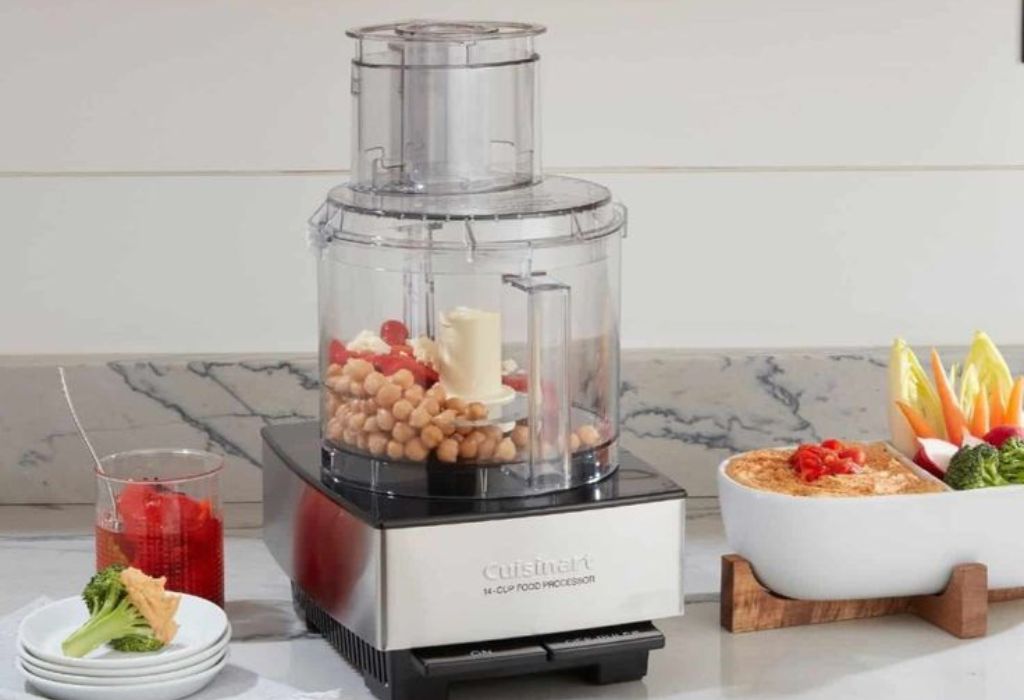
Food processors use wide, flat-bottomed bowls that accommodate a variety of attachments. This design allows ingredients to spread out, making chopping and slicing more efficient. The larger work bowl also helps handle solid and bulky foods more easily.
Blenders use tall, narrow jars that force ingredients downward into the spinning blades. This creates a vortex that helps blend liquids and soft foods into smooth textures. The jar shape plays a major role in achieving consistent blending.
A food processor typically includes multiple blades and discs. These may include slicing discs, shredding discs, dough blades, and multipurpose chopping blades. The interchangeable design allows one machine to perform many functions.
Blenders usually rely on a fixed set of blades attached to the jar base. These blades are specifically designed for cutting through liquids and making purees. Their angle and speed help pull ingredients downward for smooth blending.
Food processors have wider lids with feeding chutes. These chutes allow users to add ingredients gradually while processing. Blenders typically require the lid to stay closed during blending to maintain a proper vortex.
The design differences create unique strengths for each appliance. Food processors specialize in versatility and control, while blenders focus on creating smooth, liquid results. Understanding these structural differences helps determine the best use for each machine.
How Food Processors and Blenders Work Differently
Food processors work by using sharp blades that rotate at moderate speed to chop, slice, shred, or mix ingredients.
Their motors provide strong torque, which gives them the power to handle thick or dry foods without getting stuck. This makes them ideal for solid ingredients that need controlled, precise processing.
Blenders operate with high speed blades that spin rapidly to liquefy ingredients. Their design relies on creating a vortex that pulls everything downward toward the blade. This continuous circulation is essential for making smooth mixtures like juices, smoothies, and purees.
Food processors do not need a vortex because they are not meant for blending liquids. Instead, they use pulse functions to control chopping size and texture. This helps achieve consistency without turning everything into mush.
Blenders, however, depend heavily on liquid to function properly. Without enough liquid, the vortex breaks and ingredients stop circulating. This is why blenders struggle with dry or dense foods.
Food processors excel at textured tasks such as chopping onions, shredding cheese, or kneading dough. The slower blade rotation prevents ingredients from becoming overly processed. Their blades handle bulk and resistance effectively.
Blenders excel at turning soft foods into smooth liquids. The fast blade speed breaks down fibers quickly. This power is perfect for soups, sauces, protein shakes, and frozen drinks.
Both appliances use strong motors, but the way they apply power is different. Food processors emphasize torque, while blenders emphasize speed. This key difference influences the results each produces.
Best Uses for a Food Processor
A food processor is best for chopping vegetables quickly and evenly. Its sharp blades create consistent cuts without turning ingredients into paste. This makes meal prep faster and more efficient.
Food processors excel at shredding and grating tasks. They can shred cheese, slice potatoes, or grate carrots in seconds. These jobs are difficult and time consuming by hand.
The machine is also ideal for making dough. Its strong motor and dough blade mix and knead bread or pizza dough effortlessly. This saves time and reduces physical strain.
Food processors work well for making crumb mixtures like graham cracker crusts. They break down cookies, nuts, and crackers evenly. This helps achieve smooth textures for desserts.
They are excellent for making dips and spreads. Foods like hummus, pesto, or nut butter mix evenly due to the processor’s torque. Thick and dense mixtures are handled easily.
A food processor is also great for chopping meat for patties or fillings. It delivers controlled cuts without liquefying the meat. This results in better texture and consistency.
Overall, a food processor is perfect for solid, thick, or dry foods. It gives you complete control over texture. This makes it one of the most versatile kitchen tools.
Best Uses for a Blender
A blender is best for making smoothies because it can liquefy fruits, vegetables, and ice quickly. Its high speed blades break down fibers to create silky smooth textures. This makes it perfect for daily drinks and protein shakes.
Blenders excel at making pureed soups. They can blend cooked vegetables and broth into a smooth mixture with no lumps. The tall jar allows hot liquids to circulate safely during blending.
They are also ideal for sauces and dressings. Ingredients like oil, herbs, and spices emulsify easily in a blender. This creates creamy, consistent sauces in seconds.
Blenders handle frozen ingredients well. They crush ice for slushies, milkshakes, and frozen drinks. This strong blending ability is something food processors struggle with.
A blender works great for mixing pancake or crepe batter. The liquid based batter blends smoothly without clumps. The pour spout on many blender jars makes dispensing easy.
They are excellent for blending baby food. Soft cooked foods turn into smooth, gentle purees quickly. This helps parents prepare fresh and natural meals.
Overall, a blender is perfect for anything that requires smooth and drinkable texture. It performs best when liquids are involved. This makes it essential for drinks, soups, and sauces.
Blade and Attachment Differences
Food processors use a variety of blades and discs designed for different food prep tasks. These include slicing discs, shredding discs, chopping blades, dough blades, and specialty attachments. This variety allows a food processor to handle multiple textures and techniques.
Blenders usually have one fixed blade assembly at the bottom of the jar. The blades are angled to pull ingredients downward and create a vortex. This design prioritizes smooth blending rather than structured cutting.
Food processor blades are built for precision. They chop vegetables into even pieces without turning them watery. This gives you full control over the texture.
Blender blades are shorter and positioned for high speed rotation. They rely on velocity rather than sharpness to break down food. This makes them ideal for liquids and soft foods.
Food processors allow swapping attachments for completely different tasks. You can slice potatoes, shred cabbage, or knead dough all in the same machine. This flexibility makes them a multifunction kitchen tool.
Blenders do not use interchangeable blades because their strength is consistent blending. Their blade shape and jar design work together for smooth results. Any disruption to this setup would reduce performance.
The difference in blade and attachment design reflects the purpose of each appliance. Food processors focus on precision and versatility, while blenders focus on smoothness and speed. Understanding this helps you choose the right tool for each recipe.
Motor Power and Performance Differences
Food processors rely on motors that deliver strong torque at lower speeds. This torque allows them to cut through dense vegetables, knead dough, and handle dry or heavy mixtures without slowing down. Their power is designed for resistance rather than speed.
Blenders use high speed motors that spin blades extremely fast. This rapid rotation is what allows them to liquefy ingredients smoothly and blend tough fibers. Speed is more important than torque for a blender’s performance.
Food processor motors are built for control. They allow precise pulsing to achieve the exact texture you want. This helps prevent over processing, which is crucial when preparing salads, salsas, or chopped ingredients.
Blender motors emphasize continuous high speed blending. They maintain a strong vortex to keep ingredients circulating. Without enough power, the vortex breaks and blending becomes uneven.
Food processors excel at handling thick and dry mixtures. Their motors are intended to push through resistance. This makes them perfect for kneading bread or mixing pastry dough.
Blenders struggle with dry mixtures because their motors depend on liquid movement. Without enough moisture, the blades simply spin without engaging the ingredients. This can cause overheating or stalling.
The performance difference comes down to design purpose. Food processors are built for strength and control, while blenders are built for speed and smoothness. Understanding this helps you use each appliance effectively.
When You Should Use a Food Processor Instead of a Blender
You should use a food processor when you need to chop vegetables quickly and evenly. Tasks like making salsa, chopping onions, or preparing coleslaw are best handled by the processor. Its blades keep ingredients textured instead of turning them into puree.
Food processors are the right choice for shredding or slicing. They can shred cheese, slice potatoes, and grate carrots in seconds. These tasks are difficult for blenders because blenders cannot control texture well.
If you need to knead dough, the food processor is the better tool. Its torque and dough blade mix and knead dough efficiently without overheating. This allows you to make bread, pizza, and pastry dough more easily.
You should choose a food processor for thick mixtures like hummus, nut butter, or energy bites. The strong motor handles thick ingredients without needing liquids. Blenders would struggle and require more water, which changes the recipe.
When preparing large quantities for meal prep, a food processor is more practical. It handles bigger batches without stopping or getting stuck. This helps save time during busy cooking sessions.
Use a food processor when you need precise texture control. The pulse function lets you stop processing exactly when the food reaches the right consistency. This accuracy is not possible with a blender.
Food processors are best used for dry, chunky, or dense foods. They give you control, strength, and versatility. This makes them ideal for a wide range of meal prep tasks.
When You Should Use a Blender Instead of a Food Processor
You should use a blender when your recipe requires smooth and liquid textures. Tasks like making smoothies, milkshakes, and protein shakes rely on the blender’s ability to liquefy ingredients completely. The vortex created inside the jar ensures everything blends evenly.
Blenders are ideal for pureed soups. Cooked vegetables and broth blend into a silky, lump free consistency. This smoothness is difficult to achieve in a food processor.
You should choose a blender when working with sauces and dressings. Ingredients emulsify quickly and evenly due to the fast spinning blades. This helps create smooth salad dressings, marinades, and creamy sauces.
For crushing ice or blending frozen fruits, a blender performs much better. Its blade design and high speed motor break down ice efficiently. Food processors cannot maintain the same level of crushing power.
Blenders work best for mixing thin batters. Batters for crepes, pancakes, or waffles blend smoothly with no lumps. The pour spout also makes transferring batter easier.
When preparing baby food, a blender creates smoother purees. It breaks down soft cooked foods into an ultra fine texture. This is ideal for infants transitioning to solids.
Use a blender when your recipe needs liquid movement to blend properly. The machine depends on liquids to create its vortex and deliver smooth results. This makes it perfect for drinks, soups, and sauces.
Which One Is Better for Your Kitchen
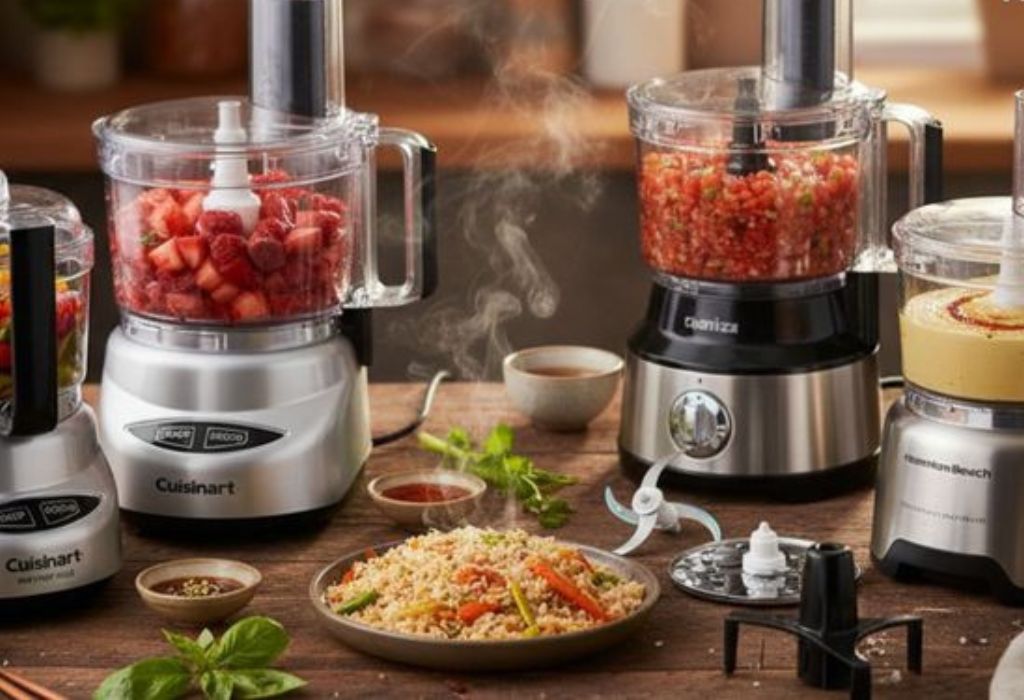
Choosing between a food processor and a blender depends on your cooking habits. If you often prepare vegetables, dough, or textured mixtures, a food processor is more useful. It handles solid and dry ingredients far better than a blender.
If you frequently make smoothies, soups, or drinks, a blender is the better choice. Its liquid friendly design delivers smooth and drinkable results. The fast spinning blades ensure everything becomes evenly blended.
Many households benefit from having both appliances. Each machine excels in different areas and covers tasks the other cannot. Using them together expands your cooking versatility.
If space or budget is limited, consider your most common recipes. People who meal prep vegetables or dough should choose a food processor. People who make shakes or purees should choose a blender.
Some high end models combine both functions in one appliance. These hybrid machines offer blending and processing features together. They provide convenience, but may not perform as strongly as dedicated appliances.
Think about long term needs before deciding. Food processors support meal prep, baking, and textured dishes. Blenders support drinks, soups, and smooth mixtures.
The best choice depends on your daily cooking routine. Select the tool that supports the most tasks you perform. This ensures you get maximum value in your kitchen.
Common Questions About Food Processors vs Blenders
Can a food processor do everything a blender can do?
No, a food processor cannot fully replace a blender. It cannot create smooth liquids like smoothies or milkshakes. Blenders are built for high speed liquid blending.
Can a blender replace a food processor?
Not completely, because blenders struggle with dry and thick mixtures. They require liquid to function properly. Food processors handle chopping, slicing, and kneading better.
Why does a blender need liquid to work?
A blender creates a vortex that pulls ingredients downward. Without enough liquid, the vortex collapses. This causes uneven blending and stalls the blades.
Which appliance is better for making hummus?
A food processor is best for hummus because it handles thick mixtures. It processes chickpeas without needing extra water. This preserves the correct consistency.
Which is better for chopping vegetables?
A food processor is better for chopping because its blades are designed for controlled cuts. It produces even pieces without turning vegetables mushy. Blenders cannot chop evenly.
Can a blender crush ice better than a food processor?
Yes, blenders generally crush ice more effectively. Their high speed blades break ice into small pieces. Food processors may struggle or create uneven chunks.
Which machine is easier to clean?
Blenders are often easier to clean because they have fewer parts. Food processors have multiple blades and discs that require more attention. However, both appliances clean easily with proper steps.
Do both machines handle dough well?
No, only a food processor handles dough effectively. Its motor provides strong torque for kneading. Blenders are not designed for this task.
Can I use a blender to slice or shred vegetables?
No, blenders cannot slice or shred. They do not use discs like food processors. Their blade shape is meant for blending only.
Which appliance should beginners buy first?
Beginners should choose based on recipes. If you make smoothies often, get a blender. If you cook meals and prep vegetables frequently, get a food processor.
Conclusion
Food processors and blenders may look similar, but they are designed for completely different purposes. Food processors focus on chopping, slicing, shredding, and mixing thick or dry ingredients with precise control.
Blenders specialize in creating smooth liquids through high speed blending and a strong vortex motion.
Knowing these differences helps you choose the right tool for each recipe. Whether you need to knead dough, chop vegetables, or prepare dips, a food processor offers strength and versatility.
When making smoothies, soups, sauces, or frozen drinks, a blender delivers smooth and consistent results.
Both appliances play valuable roles in the kitchen. Using them correctly saves time, improves food texture, and prevents frustration during cooking. When you match the right appliance to the right task, you get better performance and better results every time.
Understanding their strengths makes it easier to decide which one fits your kitchen needs. Some households benefit from owning both, while others choose one based on their cooking habits. With this knowledge, you can choose confidently and enjoy a more efficient cooking experience.

I’m Emma J. Caldwell, the founder, lead writer, and home-cooking enthusiast behind KitchenGuideCo.com. With a background in culinary arts and over a decade of cooking experience in both professional and personal kitchens, I created this platform to demystify recipes, offer smart kitchen gadget reviews, and guide readers through meal prep with confidence and clarity.