You load the dishwasher after dinner, press start, and walk away expecting spotless dishes. But lately, your glassware looks cloudy, and the machine doesn’t sound as smooth as it once did. This isn’t just age catching up — it’s the quiet damage caused by hard water.
Hard water carries high levels of minerals like calcium and magnesium. Over time, these minerals leave behind chalky residue on the heating element, spray arms, and interior walls. The buildup reduces cleaning performance, increases energy use, and shortens your dishwasher’s lifespan.
A typical dishwasher lasts about 10 to 12 years under ideal conditions. But with untreated hard water, that number can drop to 6 or even 5 years. It’s a problem many homeowners overlook until their appliance begins breaking down early.
This guide explains how hard water damages dishwashers, how long they really last under those conditions, and what steps you can take to protect your investment. You’ll also learn practical maintenance habits that can double your machine’s life.
Understanding the Effects of Hard Water on Dishwashers
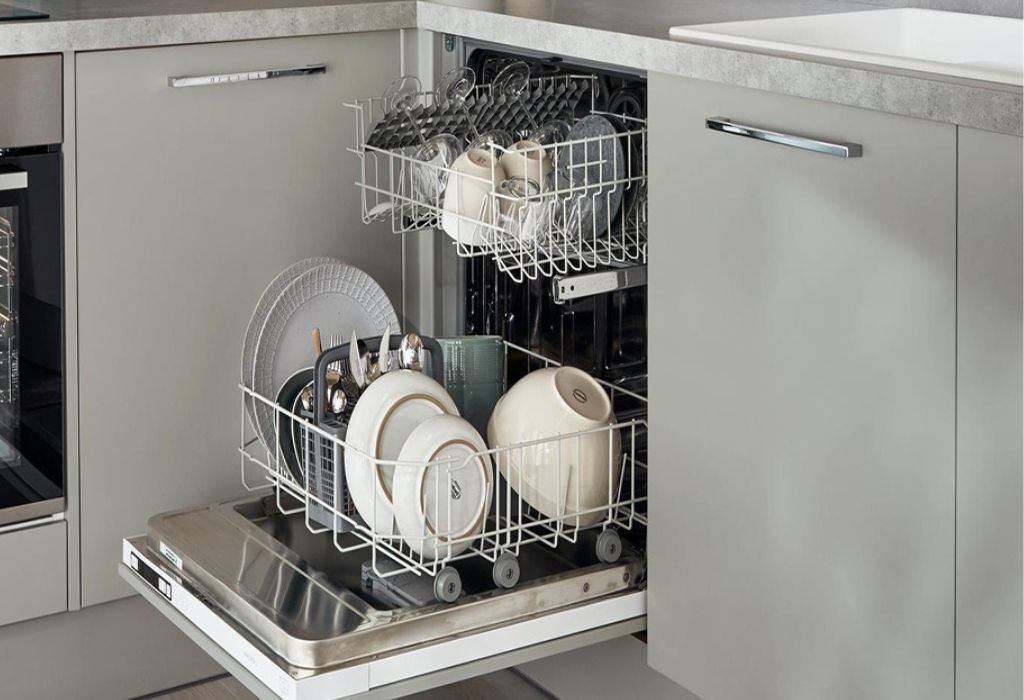
Hard water leaves mineral deposits wherever it flows. When heated, these minerals turn into a thick white crust called limescale. Inside a dishwasher, limescale coats key parts like the heating element, filters, and spray nozzles.
This buildup interferes with the appliance’s ability to clean dishes properly. It blocks water jets, slows drainage, and traps food particles that cause unpleasant odors.
Heating elements covered in limescale work less efficiently. They must run longer to heat water, which wastes energy and stresses the system.
The problem doesn’t stop there. Hard water also reduces detergent effectiveness. Minerals react with soap, preventing it from dissolving fully, which leaves behind streaks and residue on dishes.
Rubber seals and gaskets dry out faster under mineral exposure, causing leaks over time. Even sensors inside newer models can malfunction when coated with residue.
In short, every part of your dishwasher suffers — from mechanical efficiency to cleaning performance — when hard water is left untreated.
How Long Dishwashers Last with Hard Water
Under normal conditions, a dishwasher’s average lifespan is 10 to 12 years. But in homes with hard water, this can drop to 6 to 8 years, or even less without regular cleaning and descaling.
Mineral buildup gradually restricts water flow and increases friction in moving parts. The machine must work harder, causing internal wear that shortens its life.
Heating elements often burn out early due to insulation loss from limescale. Replacing them can cost nearly as much as a new appliance.
Pumps and valves are also vulnerable. As minerals circulate through them, they scratch and wear down internal surfaces, eventually leading to leaks.
If you notice constant noise, incomplete cycles, or residue even after deep cleaning, it’s a sign the internal system is under strain.
Regular maintenance can add years back to your dishwasher’s life. Without it, hard water turns a long-lasting appliance into a short-term investment.
Signs Hard Water Is Damaging Your Dishwasher
The first clue is white or cloudy residue on dishes and glassware. These calcium deposits form when hard water dries on the surface during the final rinse.
You might also notice poor detergent performance. Soap doesn’t foam well in hard water, leaving greasy or spotted dishes after each cycle.
Another warning sign is chalky buildup on the heating element or inside the spray arms. These deposits restrict water flow and heat transfer.
Strange noises during operation can indicate mineral buildup inside the pump or motor. As internal parts strain against debris, friction increases and efficiency drops.
If you open your dishwasher and smell something unpleasant, hard water might be trapping food debris inside filters or hoses.
Over time, the drain area may clog with scale, causing water to pool at the bottom after cycles.
Recognizing these early signs gives you the chance to fix the issue before permanent damage occurs.
Why Hard Water Shortens Dishwasher Lifespan
Every cycle your dishwasher runs adds more mineral residue. While one wash doesn’t seem harmful, the buildup compounds over time.
When limescale coats heating elements, they must use more energy to achieve the same temperature. This constant strain wears them out years earlier than expected.
Spray arms also suffer. Minerals clog the holes, weakening water pressure and cleaning coverage. You may notice uneven results even with clean filters.
Seals and valves start leaking as they stiffen from mineral exposure. Once gaskets dry out, water escapes into places it shouldn’t, causing hidden damage.
Sensors that control water level and heat often misread conditions when coated with residue. This leads to cycles that run too long or end prematurely.
Eventually, the combined effect of these small failures forces replacement sooner than expected. Hard water doesn’t break dishwashers instantly — it slowly suffocates them over time.
Preventing buildup is the key to preserving every internal component and extending your appliance’s useful years.
How to Protect and Extend Dishwasher Life in Hard Water Areas
Start by checking your local water hardness level. If it exceeds 10 grains per gallon (GPG), you’ll need active prevention measures.
Installing a water softener system is the most effective solution. It removes calcium and magnesium before the water reaches your appliances.
If that’s not an option, use dishwasher salt or a rinse aid designed for hard water. These help reduce mineral spotting and keep spray arms clear.
Once a month, run an empty cycle with white vinegar or a commercial descaler. This dissolves existing buildup from internal surfaces.
Clean the filter and drain area weekly to remove trapped food debris and mineral residue. A clean filter improves water circulation and reduces pressure on the pump.
Inspect spray arms regularly and unclog them with a toothpick or small brush. Keeping jets open ensures proper water flow.
Following these steps can add three to five extra years to your dishwasher’s lifespan, even with hard water.
Simple Maintenance Habits That Prevent Hard Water Damage
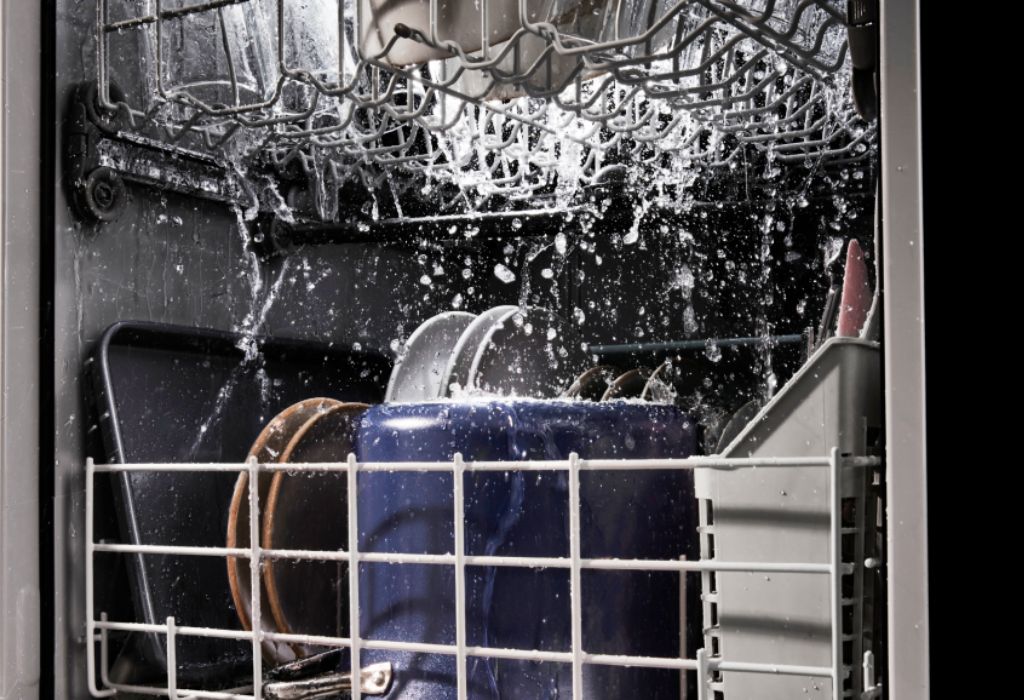
Preventive care is the best way to fight mineral buildup. Always run hot water at the sink before starting your dishwasher to preheat incoming water.
Use detergent labeled for hard water, as these formulas contain softening agents that help break down minerals during the wash cycle.
Rinse large food scraps off dishes before loading. Hard water and leftover food make a clogging combination that shortens pump life.
Once a month, clean the inside of your dishwasher with a mixture of vinegar and baking soda. This not only removes residue but also deodorizes the machine.
Replace hoses and gaskets every few years, especially if they show white crust or stiffness. Fresh parts prevent leaks and maintain proper pressure.
If your area’s water is extremely hard, consider installing an inline water filter between the supply line and your dishwasher. It’s affordable and easy to replace.
These small habits protect your machine and ensure it performs efficiently for as long as possible.
Dishwasher Longevity in Hard Water – Frequently Asked Questions
How long does a dishwasher last with hard water?
On average, dishwashers last 6–8 years with hard water compared to 10–12 with soft water.
Can hard water permanently damage my dishwasher?
Yes. Long-term mineral buildup corrodes parts and reduces heating efficiency, leading to permanent wear.
How can I tell if hard water is affecting my dishwasher?
Watch for white residue, cloudy dishes, or reduced cleaning power — all are clear signs.
Does using vinegar really help with hard water?
Yes. Vinegar breaks down mineral buildup and helps restore water flow and heating efficiency.
Should I install a water softener for my dishwasher?
If your water is very hard, installing one will protect not only your dishwasher but all your plumbing.
How often should I clean the filter with hard water?
Clean it once a week to prevent mineral and food buildup from clogging the drain system.
Can rinse aid prevent hard water spots?
Yes. Rinse aids reduce mineral residue on dishes and help water drain cleanly.
Why does my dishwasher smell when using hard water?
Minerals trap grease and food debris, which leads to odor. Regular cleaning removes it.
What is limescale, and why is it harmful?
Limescale is hardened mineral buildup that coats internal parts, reducing performance and efficiency.
How do I descale my dishwasher naturally?
Run an empty cycle with one cup of vinegar or citric acid cleaner once a month.
Can stainless-steel interiors resist hard water damage?
They resist rust but not mineral buildup. Regular cleaning is still essential.
Does detergent type affect hard water performance?
Yes. Use detergents labeled for hard water — they include additives that fight mineral interference.
Why do heating elements fail faster in hard water areas?
Limescale prevents proper heat transfer, forcing the element to overwork and burn out.
Can using bottled water help prevent damage?
Temporarily yes, but it’s not practical. A softener or descaler is a better long-term solution.
When should I replace a dishwasher damaged by hard water?
Replace it if repairs exceed half the cost of a new one or performance drops significantly.
Conclusion
Hard water can quietly destroy the lifespan of your dishwasher, but it doesn’t have to. With the right care and regular maintenance, you can keep your machine running efficiently for years.
Simple actions like cleaning filters, using vinegar, and adding rinse aid can cut mineral buildup dramatically. Installing a water softener or inline filter gives even better long-term protection.
A dishwasher that might last only 6 years in hard water can easily reach 10 or more with proper upkeep.
Remember — every rinse, every cleaning, and every bit of prevention adds years to your appliance. With these habits, you’ll enjoy spotless dishes, lower energy use, and a dishwasher that stays strong for the long haul.

I’m Emma J. Caldwell, the founder, lead writer, and home-cooking enthusiast behind KitchenGuideCo.com. With a background in culinary arts and over a decade of cooking experience in both professional and personal kitchens, I created this platform to demystify recipes, offer smart kitchen gadget reviews, and guide readers through meal prep with confidence and clarity.