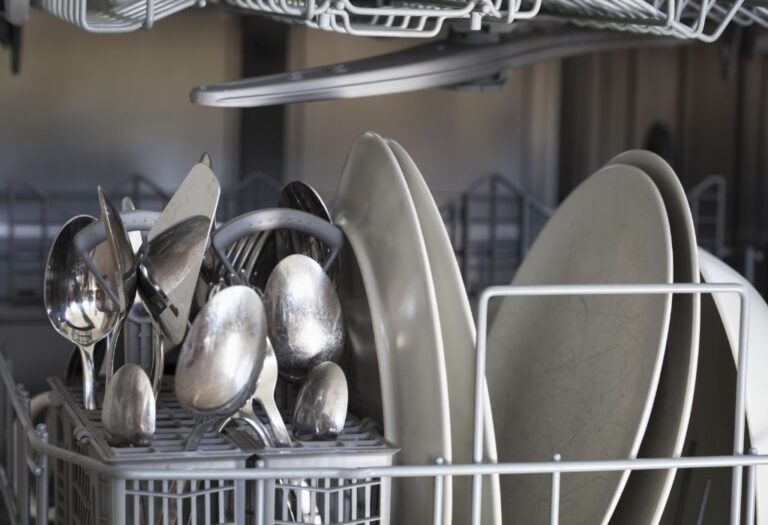
Do dishwashers heat the water or rely only on your home’s hot line?
The real answer is that most modern dishwashers do a bit of both, and the way they manage heat is central to cleaning power, hygiene, and energy use.
Inside the machine, carefully measured fills, recirculating spray, and precise temperature control combine to dissolve grease, activate detergents, and remove food soils. Some models draw hot water from the sink line and keep it hot.
Others raise temperature with an internal heater or a booster that pushes water into a sanitizing range.
Understanding how your unit reaches and holds temperature helps you choose the right cycles, set up plumbing correctly, and fix problems like cloudy glasses or films. It also helps you cut energy waste without giving up spotless results.
This guide breaks down how dishwashers heat water, what temperatures different cycles target, how plumbing affects performance, and the simple habits that keep heat working for you rather than against you.
How Dishwashers Actually Heat the Water
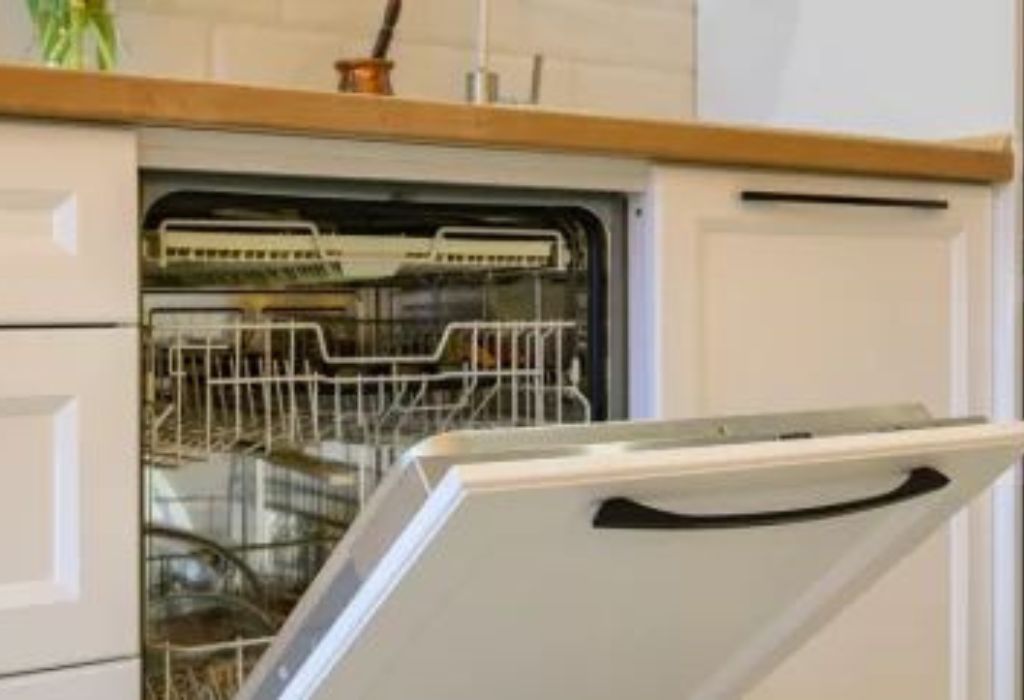
Modern dishwashers control temperature in two main ways. Many connect to your home’s hot water supply and then maintain or boost that heat inside the tub. Others are designed to accept moderately warm or even cold inlet water and use an internal heater to reach the setpoint.
An internal heater is usually a resistive element located in the sump. During wash phases, the control board energizes the heater and circulates water over it.
Since the hydraulic volume in the tub is small and recirculated, the machine can lift temperature efficiently and hold it steady for the exact time the chemistry needs.
Booster heaters take this further by raising temperature for final rinse or sanitize steps. That last hot rinse improves sheeting, helps detergent residues dissolve, and prepares dishes for fast condensation drying.
Because water is metered, not continuously added, the machine heats only a few liters at a time.
That is why dishwashers can reach higher and more consistent temperatures than a sink session while still using less total water. The closed system keeps heat where it matters, in contact with soils and surfaces.
Temperature Targets by Cycle
Different cycles aim for different temperature zones because different soils need different chemistry. Daily or auto cycles generally target a warm range that activates enzymes in modern detergents while protecting delicate items.
Heavy or pots cycles raise temperature and hold it longer to soften baked-on residues and emulsify fats.
Sanitize options step still higher and keep the temperature there for a defined contact time. That combination is designed to reduce bacteria more reliably than variable handwashing.
Quick or express cycles may use slightly lower heat for shorter periods, relying on fresh, light soils that do not require long dwell times.
Final rinse heat is just as important as wash heat. A hotter final rinse improves rinse aid performance, reduces droplets, and shortens drying time. This helps you turn off heated dry for everyday loads while still getting a spot-free finish.
Knowing what your cycles target lets you choose wisely. Use auto or eco for mixed daily dishes. Reserve heavy or sanitize for tough messes, cutting boards after raw proteins, or special hygiene needs.
Hot Feed, Cold Feed, and Your Plumbing
Dishwashers work with a hot feed, a tempered feed, or a cold feed depending on design and regional standards.
If your unit expects hot inlet water, connecting it to a true hot line reduces the time the internal heater must run. If it expects cold or mixed water, the control logic adjusts, but warm inlet water still shortens heat-up phases.
Long pipe runs from the water heater can deliver a slug of cool water at the start of a cycle. You can prime the kitchen hot line briefly at the sink, then start the dishwasher so its first fill is warm. That simple step can shave minutes of active heating without using much extra water.
For tankless water heaters, confirm that the dishwasher’s draw rate triggers consistent burner operation.
Some tankless units need a minimum flow to avoid cycling. If inlet temperature fluctuates, the dishwasher compensates by running its heater longer, which can lengthen cycles.
Insulating hot lines and checking that the shutoff valve is fully open help stabilize flow and temperature. Small plumbing details often make the difference between steady, efficient heating and extended warmups.
Sensors, Controls, and Cycle Logic
Inside the machine, thermistors monitor water temperature while turbidity sensors read clarity. The control board blends those signals with selected cycle logic.
If water is cooler than the target, the heater runs. If soil levels are low, the program shortens heated holds or skips a planned rinse.
Auto and eco cycles lean heavily on sensors. When dishes are lightly soiled, they trim both water and heat. When soils are heavier, they extend hot phases only as long as needed.
This flexibility is why sensor-driven programs often beat manual “heavy every time” habits on energy without sacrificing clean.
On many models, the final rinse temperature triggers condensation drying. Hot dishes meet cooler stainless walls, moisture condenses onto the walls, and runs to the sump. That method uses heat you already generated, rather than adding a separate heated dry phase.
Energy Use and Where Heat Fits In
Most of a dishwasher’s energy goes to heating water, not spinning pumps. That is why lowering the total liters heated and raising temperature only when needed both pay off. The design already minimizes water per fill. Your job is to pick cycles that avoid unnecessary heat holds and to load so jets hit soil directly.
Turning off heated dry for daily loads saves more energy than most people expect. With rinse aid in the dispenser, a hot final rinse, and the door cracked open after the chime, dishes dry quickly without running a separate heater.
If your utility plan varies by time of day, running cycles in off-peak windows turns the same heat into a smaller bill. The machine’s quiet eco programs often suit late evening or overnight use.
Common Heating Problems and What They Mean
If dishes come out greasy, cloudy, or with a film, temperature may be too low during wash or final rinse. Causes include a failed heater, a bad temperature sensor, or poor inlet temperature because of a long cold run from the water heater.
White filming can also be chemistry mismatch. Too much detergent in soft water can leave deposits that mimic low-heat results. Too little rinse aid lets droplets dry into spots even when temperatures are correct.
If you notice unusually long cycles, the unit may be struggling to reach its heat target. A weak heater, heavy scale on the element, or inconsistent hot feed keeps the control board waiting. Clean the filter, check spray arms, review inlet temperature, and consult the manual’s diagnostic steps if the problem persists.
How to Tell if Your Dishwasher Is Heating Correctly
You do not need instruments to do simple checks. During the main wash, the inside of the door should feel hot when you crack it briefly mid cycle. The final rinse should leave dishes too warm to handle comfortably right away.
Look at drying performance. If glasses are dripping at the end and the tub walls are cool, the last rinse may not be hot enough for condensation drying. Check that rinse aid is filled, the selected cycle includes a hot final rinse, and the inlet water is not excessively cold.
Smell can help too. A properly heated wash often has a distinct clean scent as hot water activates detergent. A lukewarm, damp smell with poor soil removal points to heating problems or blocked spray patterns.
Detergent, Rinse Aid, and Temperature as a Team
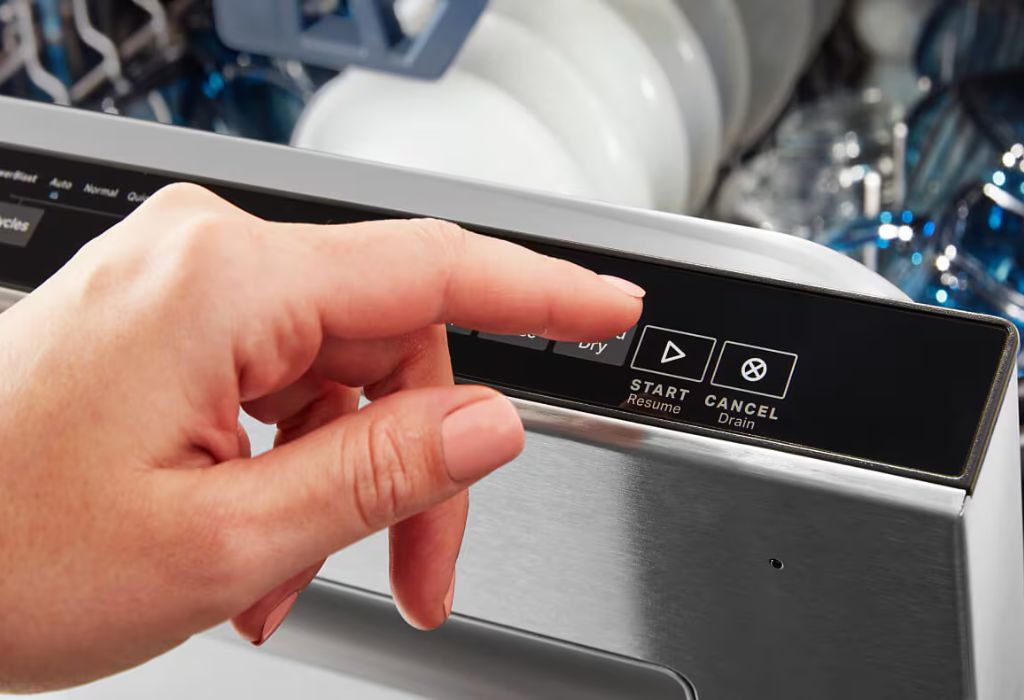
Enzyme detergents rely on temperature windows to break down starches and proteins. If water is too cool, enzymes underperform and soils smear. If water is too hot too soon, some enzymes can deactivate before they work fully. Cycle logic handles this by stepping heat, not spiking it.
Rinse aid lowers surface tension so water sheets off glass and plastic. That reduces the heat needed to dry and allows you to disable heated dry for everyday loads. It also prevents droplet spots that can be mistaken for low temperature.
Dose matters as much as temperature. In soft water, reduce detergent to prevent residual film. In hard water, a specific hard-water formula plus the correct dose helps the same heat do more cleaning.
Myths About Dishwasher Heat
“You must pre rinse with hot water for the dishwasher to work.”
Modern detergents are designed to bind to soils. Heavy pre rinsing wastes hot water and can reduce cleaning performance.
“Hotter is always better.”
Excessively high temperatures raise energy use and are unnecessary for everyday soil. Auto and eco programs target effective ranges without waste.
“Quick cycles save energy in all cases.”
They save only on light soil. If speed leaves residue and you rewash, total heat and water go up.
“Cloudy glasses mean the heater failed.”
Sometimes that is true, but often it is dose, hardness, or missing rinse aid. Fix chemistry first, then inspect hardware.
Installation Choices That Influence Heat
Level the unit so water pools do not linger in corners and cool surfaces after the final rinse. Verify the drain hose has a proper high loop or an air gap so hot rinse water can exit quickly without siphoning back.
Confirm the inlet connection matches the manufacturer’s expectation. If the manual specifies a hot line, do not connect to cold. If your machine is designed to heat from cool inlet water, a hot feed is not harmful, but it may not be necessary.
Give the dishwasher a dedicated shutoff valve under the sink and ensure it is fully open. Restricted flow slows fills and can interfere with temperature timing within the cycle.
Maintenance That Keeps Heat Effective
Clean the filter monthly. A clogged filter reduces recirculation, which lowers the effective temperature at spray nozzles even when the sump is hot.
Clear spray arm holes so jets maintain pressure and coverage. Good coverage means the limited hot water reaches soils instead of swirling around blocked paths.
Descale the tub and heater on schedule if you have hard water. Mineral deposits insulate the heater and absorb heat, lengthening warmup phases. A manufacturer approved cleaner helps restore heat transfer.
Check door gaskets and the bottom seal. Steam and heat that leak out do not work on dishes. A tight seal keeps heat where it cleans.
Costs, Bills, and What Heat Settings Change
Because heating water dominates energy use, small changes in cycle choice quickly show up on bills. Auto or eco cycles spread moderate heat over more contact time, so they often cut watt hours compared with brief, very hot washes.
Turning off heated dry is a reliable savings lever. With rinse aid and a hot final rinse, opening the door slightly at the end finishes the job with room air instead of a heater.
If you currently pre rinse under a running hot tap, dropping that habit saves twice. You skip sink heat, and you allow the dishwasher’s controlled heat to work as designed.
Environmental Impact of Smarter Heating
Using less hot water reduces both water treatment load and the energy needed to heat and pump that water. Over dozens of cycles, the effect compounds.
Keeping temperatures in the effective range rather than the maximum range preserves energy without giving up hygiene. Sensor guided cycles avoid heating for cleaning you do not need.
When you maintain filters and spray arms, you prevent rewashes. Every avoided repeat cycle is a direct win for energy, water, and your time.
Hot Water and Safety
Dishwashers manage hot water inside a closed system. Still, be mindful when you open the door mid cycle. Hot vapor can escape quickly. Open slowly, wait a moment, then reach in.
At the sink, water heater setpoints that are very high increase scald risk. Many households choose a moderate setpoint and let the dishwasher boost as needed. This balances safety at the tap with performance in the machine.
Secure the drain and inlet lines. Leaks are rare but avoidable with tight fittings and periodic checks. A dry cabinet is a safe cabinet.
Heat Troubleshooting Cheat Sheet
Cloudy glassware, filmy plates, and a cool tub suggest low temperature or poor chemistry.
Start with the easy wins. Refill rinse aid. Adjust detergent dose to water hardness. Run an auto cycle with the filter clean. Prime the hot line briefly if your run is long.
If cycles stretch unusually, check the inlet valve for flow, inspect the heater for scale, and confirm the machine is connected to the correct supply line. Use diagnostics from the manual if available to test the heater and temperature sensor.
If you still struggle, a professional can check voltage to the heater, sensor readings, and control board functions in minutes. Replacing a failed heater or thermistor often restores like new performance.
Troubleshooting Made Simple
Do dishwashers heat their own water?
Most do. They either boost a hot feed or heat from warm or cold inlet water with an internal element.
What temperature do they reach during wash?
Daily cycles aim for moderate heat that activates enzymes. Heavy and sanitize cycles go hotter and hold longer.
Is a hot feed required?
It depends on design. Many benefit from hot inlet water, but the internal heater can reach target temperatures either way.
Why are my glasses cloudy if the water is hot?
Often it is detergent dose, hard water, or missing rinse aid. Fix chemistry first, then inspect heating parts.
Does heated dry use a lot of energy?
It can. With rinse aid and a hot final rinse, you can turn heated dry off for everyday loads.
Should I preheat the hot line at the sink?
If your hot run is long, a short preheat helps the dishwasher start warm and reduces internal heat time.
How do I know if the heater failed?
Cool tub walls during wash, very long cycles, and poor soil removal are clues. Run diagnostics if your model supports them.
Will eco cycles clean as well with lower heat?
Yes for everyday soil. They trade peak temperature for longer, gentler contact time guided by sensors.
Does rinse aid affect heat needs?
Yes. Better sheeting reduces the heat required for drying and prevents spotty finishes.
Can I connect a dishwasher to cold water only?
Some designs allow it. Check your manual. The machine will heat as needed, though cycles may run longer.
Why does sanitize add so much time?
It raises temperature and holds it to meet a defined contact time for hygiene. Use it when you truly need it.
Will insulating pipes help the dishwasher?
Often yes. Hotter delivered water shortens internal warmup phases.
Do tankless heaters cause issues?
They can if flow is too low to keep the burner stable. Ensure consistent inlet temperature.
Is film always a heat problem?
No. Film is frequently chemistry or loading. Correct dose and spray access before replacing parts.
What single habit improves results fast?
Run full loads on auto, keep rinse aid filled, and skip pre rinsing. Heat works best in that routine.
Conclusion
Modern dishwashers absolutely heat the water. They just do it in a smarter, more controlled way than a running tap. Measured fills, recirculation, and targeted temperature holds let a small volume of water do big cleaning work.
When you pair that engineering with good choices, you get spotless dishes, tighter hygiene, and smaller utility bills.
Choose cycles that match soil levels. Auto or eco programs minimize both water and heat for everyday loads while sensors protect results. Reserve heavy or sanitize for the jobs that warrant them.
Keep rinse aid topped up and dose detergent for your water hardness so chemistry performs at the temperatures the machine provides.
Support the hardware. Clean the filter and spray arms monthly so hot water reaches soils. Confirm the drain path is smooth and the unit is level so final rinse heat can set up effective condensation drying. If your hot run is long, a quick sink preheat stabilizes inlet temperature and trims internal heat time.
If performance slips, check chemistry first, then investigate heat. Most problems resolve with simple steps and do not require parts. When parts fail, a heater or sensor replacement brings cycles back to spec.
Let the dishwasher do what it was designed to do. With measured heat in a closed system, it will clean better, waste less, and free your time, one full rack at a time.

I’m Emma J. Caldwell, the founder, lead writer, and home-cooking enthusiast behind KitchenGuideCo.com. With a background in culinary arts and over a decade of cooking experience in both professional and personal kitchens, I created this platform to demystify recipes, offer smart kitchen gadget reviews, and guide readers through meal prep with confidence and clarity.