Do dishwashers really save water and energy at home, or is it just clever marketing? In most homes the answer is yes, and the reasons are simple. Modern machines meter a small, fixed volume of water, pressurize it through targeted spray arms, and recirculate it through fine filters.
Instead of a faucet that runs freely during handwashing, a dishwasher controls every liter from fill to final rinse, which keeps total water use low.
Energy savings follow the same logic. The appliance heats only the water it needs and holds that temperature long enough to activate detergent enzymes and sanitize.
When you choose Auto or Eco cycles, soil sensors trim water and heat on lighter loads without sacrificing cleanliness. You also save time, since the machine works while you do something else.
Habits matter. Run full loads, skip pre rinsing under a running tap, and load so spray paths are clear.
Use the right amount of quality detergent for your water hardness and keep rinse aid topped up to improve drying. Maintain the filter and spray arms monthly so the system stays efficient.
There are caveats that can erode savings. Half loads, heavy cycles used daily, or a neglected, aging machine can push consumption up. Long hot water runs can also make the dishwasher work harder to reach target temperatures.
With a few practical adjustments, most households can lock in consistent savings on both the water and the energy bill.
How Dishwashers Use Less Water Than Handwashing
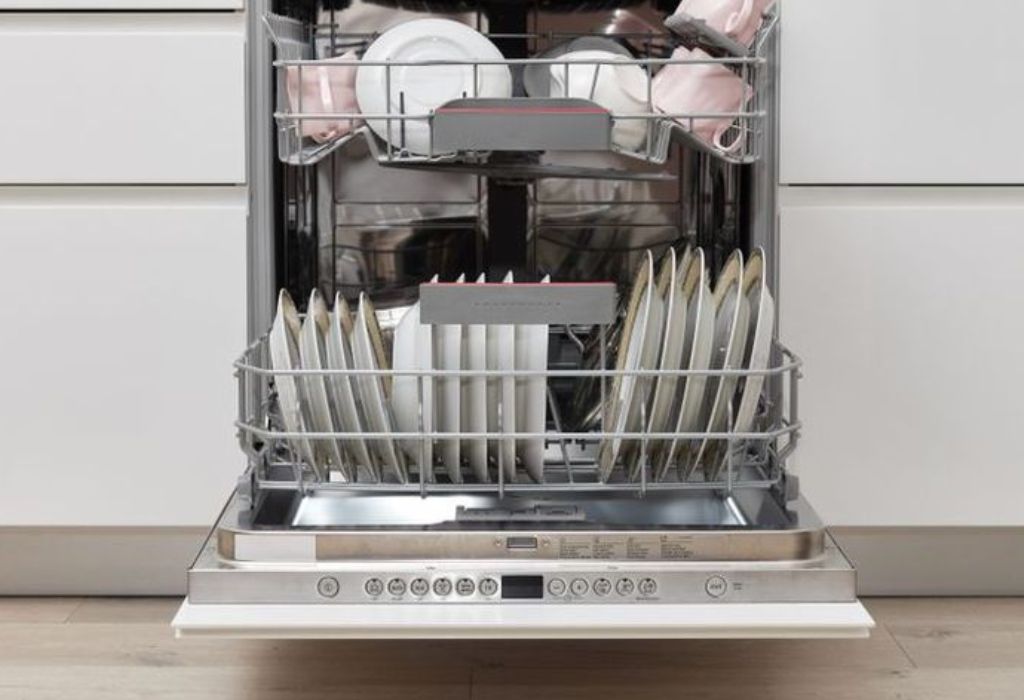
A modern dishwasher uses a metered volume of water, recirculates it through powerful spray arms, then refreshes only during the rinses. That closed-loop approach is fundamentally different from a faucet that sends a continuous flow down the drain while you soap, scrub, and rinse by hand.
Inside the tub, a pump pressurizes water through precisely aimed nozzles. That pressure, plus the chemistry of modern detergents, lets the machine lift grease and soil efficiently using a surprisingly small amount of water. Filters capture particles and keep the wash water effective as it recirculates during a phase.
Because the machine measures water, it also limits the energy required to heat it. Whether your unit draws from the home’s hot line or boosts temperature internally, it only heats the few liters in the sump, not the many liters a typical handwash can send down the sink.
Rinse phases are similarly controlled. Instead of a free-flowing tap, the dishwasher dispenses fixed rinse volumes at the right temperature to dissolve remaining detergent and leave glassware clear. This precision is the root of water savings even when the racks are full.
There is a second advantage. Consistent temperatures and contact times improve hygiene without guesswork. Where handwashing can drift cooler as you work, the dishwasher holds a target range long enough to sanitize, which reduces the need for repeat rinses or second passes that waste water.
The result is simple. A full, well-loaded cycle uses less water per dish and less energy per dish than a sink session that relies on a running tap. That efficiency multiplies across every load in a busy household.
Handwashing vs Dishwasher: Real-World Comparisons
Comparing methods starts with flow rate. Many kitchen faucets deliver several liters per minute. Even a careful handwash for a family meal can run a tap for many minutes across soaking, scrubbing, and final rinsing. Those minutes add up to a volume that exceeds a good dishwasher’s entire programmed cycle.
Technique matters. If the tap runs while you soap, or you rinse each item under a strong stream, usage rises quickly. A basin method can cut that number, but it still lacks the dishwasher’s recirculation and filtration that make small volumes do big work.
Temperature is the next variable. Dishwashers reach and hold higher temperatures that your hands cannot comfortably maintain in a sink. That heat improves detergent performance and sanitation while using measured quantities. At the sink, hot water often cools as it waits in pipes or as you mix in cold for comfort, which reduces cleaning power and can extend rinsing.
Time costs count too. A dishwasher cleans while you move on to other tasks. Handwashing demands attention for the entire process. When people rush, they either rewash later or overuse water to speed through, both of which reduce efficiency.
Finally, consistency is critical. The machine repeats a proven sequence every time. Handwashing varies with mood, mess, and fatigue. That variability is why measured cycles win on average, especially in homes that generate enough dishes to run full loads.
In real kitchens the conclusion repeats. When you load properly and choose appropriate cycles, the dishwasher uses less water and less energy than the typical handwash for the same number of items.
What Determines Your Actual Savings
Your savings begin with the machine itself. Newer, efficient models are engineered to clean with fewer liters and smarter heat control. Older units often rely on longer fills and less targeted spray, which increases both water and energy per load. Upgrading an aging appliance can unlock immediate utility gains.
Habits rank second. Full loads distribute the fixed cycle volume across more items, shrinking water and energy per dish. Half loads or poorly arranged racks force rewashes that double consumption for those pieces. Skipping pre-rinsing under a running tap preserves the dishwasher’s advantage while modern detergents handle the soil.
Cycle choice is the third lever. Auto and eco profiles are tuned to minimize both water and heat, especially on everyday soil. Heavy or sanitize options are valuable for tough messes or special needs, but using them by default can erase the edge you expected.
Your hot-water delivery matters as well. A very long pipe run to the kitchen can delay hot arrival. Priming briefly at a nearby faucet before starting the dishwasher can reduce cold slugs, helping cycles stay efficient. Conversely, setting the water heater excessively high wastes energy before the dishwasher even runs.
Detergent dose and quality round out the list. Using the right amount for your water hardness prevents excess suds, film, and extra rinses. Rinse aid improves sheeting, speeds drying, and can let you disable heated dry to save additional energy.
Stack these factors in your favor and the savings compound across weeks and months, showing up on both water and energy bills.
Cycle Selection: The Hidden Lever Most People Ignore
Cycles are not just time lengths. They are recipes for water volume, temperature, spray pressure, and phase timing. Choosing the right one can cut resource use without sacrificing clean dishes.
Eco or auto cycles reduce water and heat while sensors watch soil levels in real time. When plates are lightly soiled, the machine trims steps you do not need. These programs often run longer on the clock, but the duration masks the truth that they are stretching smaller volumes of warm water across more contact time.
Heavy and pots-and-pans cycles raise temperatures and extend washes to attack baked-on grime. Use them strategically for roasting pans or day-old casseroles, not for breakfast bowls. Saving the strong settings for real messes preserves both water and energy over the week.
Quick cycles can be efficient for fresh, light soil. The pitfall appears when speed overrides judgment. If a quick run leaves residue on multiple items and you rewash, you double resources. Match the cycle to the load, not the schedule on your calendar.
Sanitize or high-temp options are purposeful tools. Reserve them for baby bottles, cutting boards after raw proteins, or illness in the home. Using them on every load raises energy demand without a cleanliness benefit you can see.
The takeaway is simple. Let sensors work, trust eco for daily dishes, escalate only when the mess calls for it, and you will keep both water and kilowatt hours in check.
Loading Strategy That Maximizes Savings
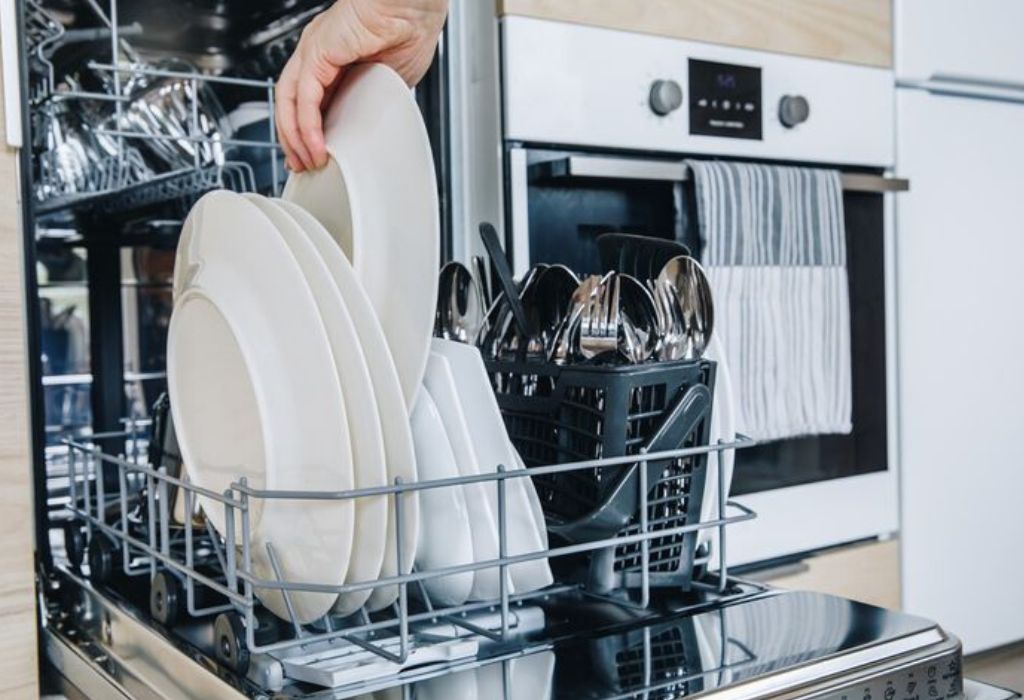
Loading is fluid dynamics in miniature. Spray arms must see surfaces. If plates face away from jets or tall trays block the upper arm, water misses zones and soils linger. Aim soils toward spray arms, alternate large plates with smaller ones, and avoid nesting bowls that trap water.
Use rack features. Fold-down tines can open lanes for pots. Stemware holders stabilize glasses so jets can work at full pressure. Adjustable upper racks create space for tall items below without cramming the top.
Fill the machine, but do not smother it. Full loads spread fixed cycle resources across more dishes, but crowded racks block spray and air. A simple check helps. Spin the spray arms by hand before you close the door. If they clip utensils or pan handles, rearrange to clear the path.
Avoid pre-rinsing under a running tap. Scrape solids into the bin, give a brief cool spritz if something is drying on, then load. Modern enzymes are designed to bind to soils. Removing all traces before the wash can actually reduce detergent performance and wastes water at the sink.
Group similar materials to improve drying and unloading speed. Plastics benefit from upper-rack placement away from the hottest zones, which reduces spotting and shortens any heated dry time you choose to use.
A disciplined load turns your dishwasher into the efficient machine it was designed to be. Better spray access means shorter, lighter cycles still deliver spotless results, and rewashes become rare.
Detergent, Rinse Aid, and Temperature Work Together
Modern detergents are engineered for controlled water volumes and specific heat ranges. Enzymes unlock at moderate temperatures, then surfactants lift and suspend soils so the filter can capture them. Using too much detergent creates excess suds, which trap soil, slow spray action, and can trigger extra rinses that waste water and energy.
Dose matters. Calibrate to your water hardness and load size. If you see film, reduce dose first, then consider a hard-water formula. Pods are convenient and consistent, but even with pods you still need rinse aid to improve sheeting and reduce spots, which shortens drying time and lets you turn off heated dry.
Temperature is the third leg of the stool. Many cycles target a range that activates enzymes without overheating. If inlet water is very cool, the machine spends extra time boosting heat, which raises energy use. Priming the hot line briefly at a nearby tap can help, especially with long pipe runs.
Rinse aid earns its keep by lowering surface tension so water slides off glass and plastic. Less water left on dishes means less heat needed for drying, or faster air dry if you disable heated dry. That single setting change can trim meaningful kilowatt hours over a month.
Think system, not parts. Right dose, predictable temperature, and rinse aid in the dispenser create a stable chemistry environment. In that environment, your dishwasher finishes in fewer total minutes of active heating, uses fewer liters, and delivers clearer glassware with less rework.
Appliance Features That Drive Efficiency
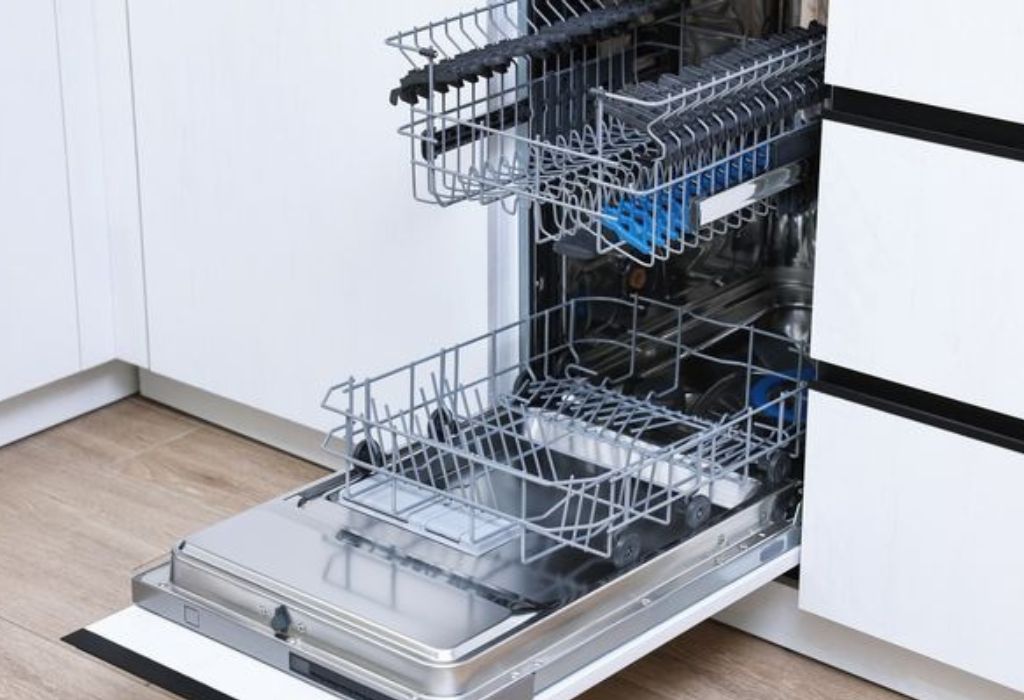
Sensor suites are the headline feature on efficient models. Turbidity sensors read water clarity, then the control board trims or extends phases only as needed. On a lightly soiled dinner load, that can mean less hot water, shorter heat holds, and lower total energy.
Efficient pump and spray design matters just as much. Modern machines use targeted jets, variable pressure, and alternating spray zones to deliver impact where it counts. This precision allows smaller fill volumes to do the work that older flood-style designs needed more water to achieve.
Heat management separates great from good. Internal booster heaters raise small volumes quickly and hold them steady. Some units use condensation or heat-pump drying rather than a resistive coil, which removes moisture with far less energy and no additional rinse water.
Filtration systems support the entire cycle. Fine mesh, self-cleaning filters keep recirculated water effective, so the control logic does not lengthen washes to chase clarity. Quiet insulation adds an indirect benefit, allowing longer eco cycles at low acoustic levels that feel painless to run at night.
Look also for flexible racks and adjustable tines. Better ergonomics let you load more items per cycle without blocking spray paths. More dishes cleaned per fixed fill equals lower water and energy per dish, which is the metric that matters most for your bills.
Your Home’s Hot Water Setup Matters
Dishwashers either use your home’s hot line, boost internally, or both. If the dishwasher sits far from the water heater, the first liters in the line may be cool. Running a nearby faucet until hot appears, then starting the cycle, can prevent the machine from spending extra time and energy heating cold slugs.
Water heater setpoints influence efficiency. Extremely high settings increase standby losses in the tank and lines. Many modern machines clean excellently with moderate inlet temperatures, then handle final boosts internally. Aim for a balanced setpoint that meets whole-home needs without overshooting.
Pipe insulation helps retain temperature between the heater and kitchen. This small upgrade reduces the gap between setpoint and delivered water, which shortens the dishwasher’s warmup moments. Shorter warmups reduce total cycle energy even when water volumes are fixed.
If you use a tankless heater, confirm minimum flow and temperature stability at the dishwasher’s draw rate. Some units cycle if flow is too low, which can create inconsistent inlet temperatures. A brief preheat at a faucet can stabilize the burner and deliver steadier water to the machine.
These plumbing details are easy to overlook, yet they directly influence how much time the dishwasher spends boosting heat, and therefore how much energy the cycle consumes.
When Dishwashers Do Not Save Water
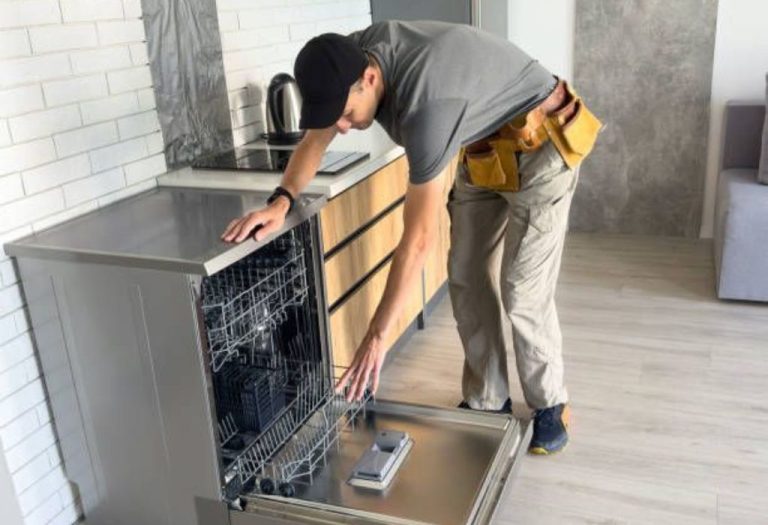
Running frequent half loads is the fastest way to erase gains. The cycle still fills to a programmed volume, so water and heat per dish rise sharply when racks are sparse. Consolidate to full loads whenever practical.
Pre-rinsing under a running tap wastes both water and the detergent’s enzymatic advantage. Scrape solids, do a quick cool spritz for dried sauce if needed, then load. Modern formulas are designed to find soil, not pristine plates.
Mismatched cycles also cost you. Using heavy or sanitize for everyday bowls and glasses adds extra hot water and long heat holds that your load does not require. If you finish with residue and must rewash, you have doubled inputs for the same dishes.
Old, poorly maintained machines falter too. Clogged filters, blocked spray holes, and kinked drain hoses force longer phases, leave film, and encourage rewashes. Neglect turns an efficient design into an inefficient reality.
Finally, extreme habits at the sink can outsave an inefficient dishwasher in edge cases. A disciplined two-basin handwash with limited rinse can be frugal. For most households with normal variability, however, a tuned, well-loaded dishwasher still wins on average.
Cost Savings You Can Actually Expect
Savings arrive on two lines, water and energy. A measured-fill cycle reduces liters used per day, which lowers water and sewer charges. Heating fewer liters to effective temperatures trims gas or electricity consumption. Together, these show up after a few billing cycles once habits settle.
Your local rates, family size, and meal style shape the outcome. Homes that cook daily and run full loads every night see bigger absolute savings than light users. If you were a habitual pre-rinser or ran many partial loads, simply changing those habits can unlock noticeable reductions.
Cycle settings influence bills directly. Eco or auto cycles extend time while lowering hot water and peak heat, which reduces energy without sacrificing clean. Turning off heated dry and relying on rinse aid plus door-ajar air dry can add another predictable monthly cut.
Do not forget avoided costs. A dishwasher protects dishware through gentle, consistent handling, which can reduce breakage. It also returns hours to your week. While time saved is not on the utility bill, it is a real value that households feel immediately.
Track a month or two of usage after adopting full loads, no pre-rinse, eco cycles, and proper dosing. Most families see a modest but steady drop that, over a year, easily pays back small upgrades like pipe insulation and premium detergent.
Environmental Impact: Small Habits, Large Outcomes
Reducing liters of hot water and minutes of active heating reduces your kitchen’s footprint. That footprint includes energy generation, water treatment, and the infrastructure that brings both to your sink. Every liter and kilowatt hour avoided lowers upstream impacts.
Efficient dishwasher use also cuts chemical load. Correct detergent dosing and effective rinsing mean fewer repeat cycles and less surfactant in wastewater. Pairing good habits with eco-formulated detergents compounds the benefit without sacrificing clarity on glassware.
Appliance choices matter, yet habits lock in the wins. Full loads, sensor-friendly cycles, clean filters, and air or condensation dry build a pattern of lower inputs for the same clean outcome. Over thousands of cycles that pattern adds up to a significant household contribution.
End of life decisions play a role too. Recycling old units, choosing efficient replacements, and maintaining them well extends resource value across decades. The greenest kilowatt hour is the one you did not need to consume, and a tuned dishwasher helps you skip many of them.
In short, the combination of smart hardware and mindful use delivers cleaner dishes, lower bills, and a lighter touch on shared resources.
Maintenance That Protects Your Savings
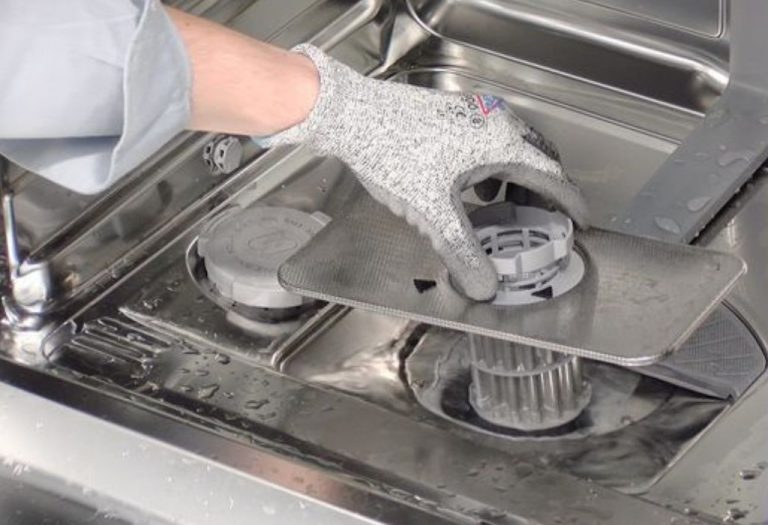
Maintenance keeps your dishwasher operating at its designed efficiency, which is how you protect both water and energy savings over time. Start with the filter. Remove and rinse it monthly so recirculated wash water stays clear and effective. A clogged filter forces longer phases, leaves residue, and tempts rewashes that double inputs for the same load.
Check spray arms next. Food flecks or mineral scale can block nozzles and reduce jet impact. Pop the arms off if your model allows, rinse them, and clear holes with a wooden toothpick. Restored pressure lets smaller water volumes do more cleaning, exactly as the cycle intends.
Look at the drain path. Verify the hose has a smooth high loop or connects to an air gap, with no kinks that slow evacuation. A slow drain can trick sensors into extending rinses or heat holds. Keep the air gap cap clean and the garbage disposal clear so wastewater exits without resistance.
Inside the tub, mineral buildup robs performance. Run a monthly cleaner cycle or a manufacturer-approved descaler to keep heating and spray surfaces free of scale. That helps the machine reach target temperatures faster and hold them with less energy.
Gaskets and racks deserve quick attention too. Clean door seals so they seat well and do not weep. Inspect rack coatings to prevent rust that can snag items and disrupt spray paths. Small fixes prevent bigger efficiency losses down the road.
Finally, confirm leveling. A unit that is out of level can pool water in corners, encourage odors, and lengthen dry times. Ten minutes with a level restores proper drainage and airflow. Simple, regular care keeps cycles short, water volumes low, and your glassware clear without repeat runs.
Myths That Reduce Savings If You Believe Them
“My dishes must be pre-rinsed.” Modern detergents are built to bind to soil. Heavy pre-rinsing under a running tap wastes water and can reduce detergent performance. Scrape solids, load, and let the enzymes work.
“Hotter is always better.” Very high temperatures raise energy use without improving everyday cleaning. Auto and eco cycles target the sweet spot for enzymes and sanitation using less total heat.
“Quick cycles always save.” Quick is efficient only for light soil. If speed leaves residue and you rewash, you have spent more water and energy than a single eco cycle would have used.
“Powder beats pods” or the reverse. The winner is correct dosing for your water hardness and soil load. Too much chemistry creates suds and film that trigger extra rinses. Too little leaves residues that demand rewashes.
“Full equals overloaded.” A full load is efficient. An overloaded load blocks spray and airflow. Use adjustable tines, keep a finger’s space between plates, and spin the spray arms by hand to confirm clearance before closing.
“Heated dry is mandatory.” Rinse aid plus door-ajar air dry or condensation dry can finish loads cleanly while trimming kilowatt hours. Save heated dry for special cases or heavy plastic mixes.
“The faucet preheat is a waste.” If your hot line is long, a brief preheat stabilizes inlet temperature so the machine spends less time boosting. That small upstream step can reduce total cycle energy. Replacing myths with measured habits restores the savings your appliance was engineered to deliver.
Simple Setup Checklist
Run only full loads. This single habit spreads fixed cycle volumes across more items and drops water and energy per dish.
Choose auto or eco for daily dishes. These programs meter smaller volumes and smart heat while sensors adjust for soil in real time.
Skip pre-rinsing. Scrape plates, load promptly, and let modern detergents engage with soil. You save sink water and improve wash chemistry inside the tub.
Dose detergent correctly and use rinse aid. Match dose to hardness and load size, then let rinse aid speed sheeting and drying so you can disable heated dry.
Keep the machine clean. Rinse the filter monthly, clear spray holes, and run a cleaner cycle to prevent scale. Clean parts support short, effective cycles.
Prime the hot line if needed. If your kitchen is far from the heater, a brief preheat at a nearby tap helps the dishwasher start with steady warm water.
Confirm level and drain path. Level the cabinet, maintain a proper high loop or air gap, and clear the disposal. Fast, complete draining ends cycles on time.
Load for flow. Face soils toward jets, avoid nesting bowls, stabilize glassware, and check that spray arms spin freely before you press start.
Turn off heated dry for everyday loads. With rinse aid and good loading, air or condensation dry finishes well and cuts energy.
Track results for a month. Watch your bills and adjust one lever at a time. The combination of full loads, smart cycles, correct dosing, and light maintenance delivers the reliable water and energy savings you are aiming for.
Answers to the Big Dishwasher-Saving Questions
Do dishwashers actually save water compared to handwashing?
Yes. A well-loaded modern dishwasher uses a fixed, small volume while a running tap wastes many liters during handwashing.
Can I skip pre-rinsing without hurting cleaning results?
Yes. Scrape solids and load. Modern detergents need some soil to activate and perform best without pre-rinsing.
Which cycle should I use for everyday dishes to save most?
Use Auto or Eco. They meter lower water volumes and optimize heat based on soil sensors.
Do quick cycles always save water and energy?
No. They save only on light soil. If items come out dirty and you rewash, you will use more overall.
How full should the racks be for maximum efficiency?
Fill them fully but not tight. Keep spray paths open and spin spray arms by hand to confirm clearance.
Does heated dry use a lot of energy?
It can. Use rinse aid and open the door slightly after the cycle to air dry and reduce energy.
What detergent type saves the most?
The right dose saves most. Pods, powder, or gel all work if you match dosage to water hardness and soil.
Will a newer dishwasher really lower my bills?
Usually yes. Efficient pumps, sensors, and heat control reduce both water use and kilowatt hours per load.
Is running half loads a bad idea for savings?
Yes. You use most of a full cycle’s resources on fewer items, raising water and energy per dish.
Should I preheat the hot water at the sink first?
If your hot line is long, a brief preheat helps the dishwasher start warm, reducing internal heating time.
What temperature setting should my water heater use?
A moderate household setpoint is fine. The dishwasher can boost as needed to its target temperatures.
How often should I clean filters and spray arms?
Clean the filter monthly and clear spray holes when you see buildup. Clean parts keep cycles short and effective.
Does rinse aid really make a difference?
Yes. It improves sheeting and drying so you can turn off heated dry and still avoid spots.
Can I wash plastics efficiently without heated dry?
Yes. Place plastics on the upper rack, use rinse aid, and let them air dry with the door slightly open.
What single habit gives the biggest savings fast?
Run only full loads on Auto or Eco with correct detergent dosing, and skip pre-rinsing.
Conclusion
A modern dishwasher is a measured system designed to clean with less. It meters fills, targets spray, filters and recirculates, then applies just enough heat to finish the job.
When you support that design with smart choices, you consistently beat typical handwashing on both water use and energy per dish.
Make the efficient habits routine. Load to full capacity without blocking spray arms. Choose Auto or Eco for everyday dishes and reserve heavy or sanitize for truly tough messes. Skip pre rinsing and let enzymes do the work they were formulated to do.
Dose detergent correctly for your water hardness, add rinse aid to speed sheeting and drying, and consider turning off heated dry for standard loads.
Protect performance with quick maintenance. Rinse the filter monthly, clear spray arm holes, and ensure a smooth drain path with a proper high loop or air gap. If your hot water line is long, prime it briefly so the machine starts warm and spends less time boosting temperature.
If your unit is old, noisy, or leaves residue even after care, upgrading to an efficient model can unlock immediate savings.
Combine a capable appliance with consistent habits and you will see cleaner dishes, lower bills, and a smaller household footprint. The most reliable way to save is to let a well tuned dishwasher do what it was built to do.

I’m Emma J. Caldwell, the founder, lead writer, and home-cooking enthusiast behind KitchenGuideCo.com. With a background in culinary arts and over a decade of cooking experience in both professional and personal kitchens, I created this platform to demystify recipes, offer smart kitchen gadget reviews, and guide readers through meal prep with confidence and clarity.