Cooking a perfect seared steak should be satisfying, not frustrating. Yet many home cooks find their stainless steel pans clinging to food no matter how much oil is used.
This sticking problem raises a curious question that continues to spark debate in kitchens: do you need to season stainless steel cookware at home? The idea sounds familiar because cast iron and carbon steel require seasoning, but stainless steel often leaves people uncertain.
Understanding the answer matters more than many realize. Stuck-on food leads to wasted time, tough cleanup, and even ruined meals. A recent consumer survey found that 68% of home cooks cite “food sticking to pans” as their biggest kitchen frustration source.
The cookware market also reflects this challenge. Nonstick cookware sales surpassed 1.9 billion dollars in the United States in 2022, proving how strongly people seek alternatives when food continues to cling source.
Learning whether seasoning stainless steel truly solves this issue can change the way meals are prepared. The right approach can reduce sticking, extend the life of pans, and make everyday cooking far more enjoyable.
Some chefs recommend seasoning stainless steel to mimic a nonstick surface. Others argue that proper preheating and oil choice are enough. With conflicting advice, it becomes important to explore what science and experts actually reveal.
What Is Seasoning, And How Does It Work?
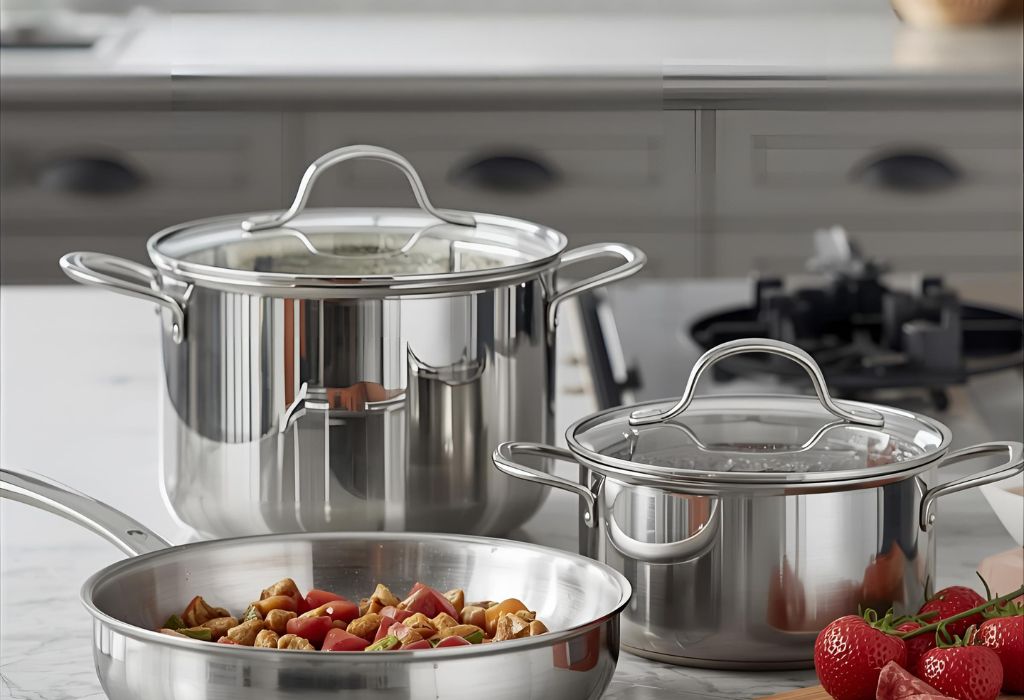
Seasoning is a process often associated with cast iron or carbon steel pans. It involves applying a thin layer of oil and heating it until it bonds with the metal surface, creating a protective, nonstick coating.
This protective layer forms when oil molecules undergo polymerization at high heat. The oil hardens into a slick, durable surface that reduces sticking and shields the pan from moisture.
Cast iron and carbon steel both require seasoning because of their porous surfaces and vulnerability to rust. Without it, these pans quickly lose performance and durability.
Stainless steel, however, is very different in structure. It contains chromium, which produces a protective oxide layer that resists corrosion and gives the pan its polished shine.
Because of this, stainless steel is naturally more resistant to rust and does not need a permanent oil barrier. Still, some cooks attempt to season it for added nonstick benefits.
What is seasoning in cookware?
Seasoning is heating oil until it polymerizes and bonds to a pan’s surface, creating a thin, protective layer.
Why is seasoning essential for cast iron or carbon steel?
It prevents rust, fills surface pores, and provides a nonstick effect.
Is stainless steel porous like cast iron?
No, stainless steel is smoother and less porous, so it does not absorb oil in the same way.
Does seasoning protect stainless steel from rust?
Not significantly, since stainless steel already resists rust due to its chromium content.
Why do some people season stainless steel if it is not required?
They aim to create a temporary slick surface that makes delicate foods less likely to stick.
Arguments in Favor of Seasoning Stainless Steel Cookware
Advocates of seasoning stainless steel cookware believe it creates a smoother, slicker surface. This can make cooking delicate foods like eggs and fish easier, reducing the chances of tearing or sticking.
Seasoning can also improve the overall cooking experience. A properly seasoned pan may require less oil during use and make cleanup quicker after a meal.
Some chefs argue that seasoning helps replicate the performance of nonstick pans without using chemical coatings. This appeals to cooks who want a natural alternative while still using durable stainless steel.
When done correctly, seasoning may also reduce the frustration of constant scrubbing. Many home cooks report that it makes day-to-day cooking feel less stressful and more enjoyable.
Can seasoning stainless steel reduce food sticking?
Yes, it can create a temporary slick layer that helps food release more easily.
Does seasoning give a nonstick surface like nonstick pans?
Not fully. It mimics nonstick properties but does not achieve the same lasting smoothness.
Is seasoning safe for health?
Yes, as long as clean oils with high smoke points are used and overheating is avoided.
Which oils are best for seasoning stainless steel?
High smoke point oils such as grapeseed, canola, or avocado oil work best.
How long does seasoning last on stainless steel?
It typically lasts until the pan is washed with soap or scrubbed, meaning re-seasoning is often required.
Arguments Against Seasoning Stainless Steel Cookware
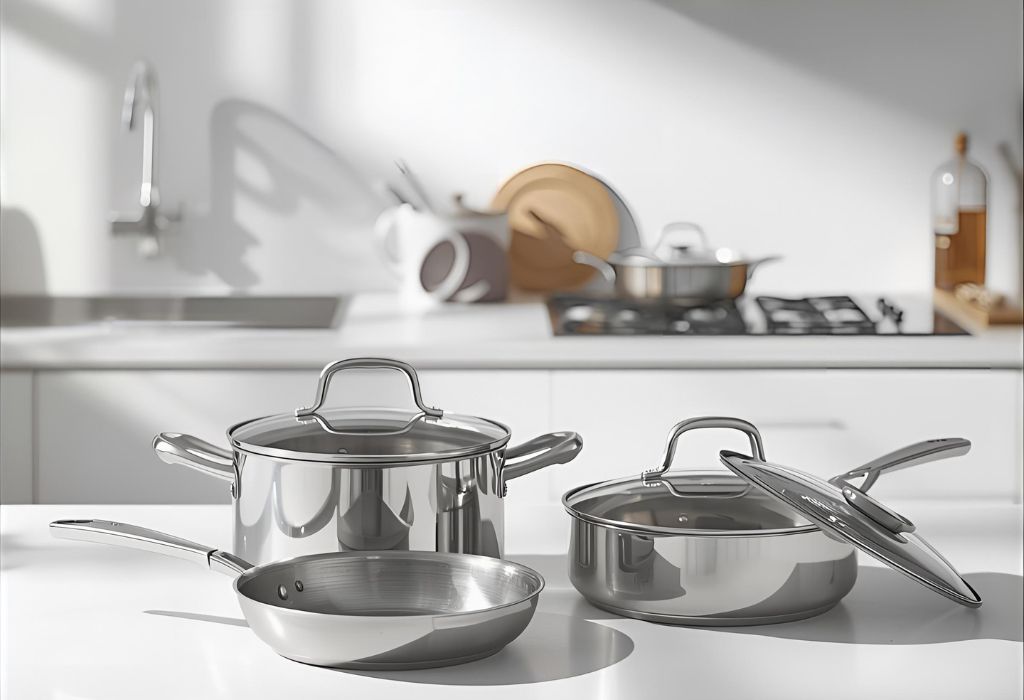
Many cookware manufacturers do not recommend seasoning stainless steel. The metal’s natural chromium oxide layer already protects against rust and helps maintain its polished appearance.
Unlike cast iron, stainless steel does not absorb oil into surface pores. This means any seasoning applied is temporary and easily stripped away during cleaning.
Another drawback is discoloration. Overheating oil during seasoning can leave a brownish patina that alters the shiny look many cooks value in stainless steel pans.
Seasoning can also lead to buildup or sticky residue if oils are not applied and burned off correctly. This residue may interfere with cooking instead of improving it.
For many chefs, proper preheating and oil use are considered more effective than seasoning. Technique, not surface coating, is the key to preventing sticking in stainless steel cookware.
Do manufacturers recommend seasoning stainless steel pans?
No, most advise cleaning and preheating techniques instead of seasoning.
Does seasoning significantly improve performance?
Not usually. Benefits are minor compared to correct heat and oil management.
Can seasoning damage the appearance of stainless steel?
Yes, it can leave discoloration or dull the reflective shine.
Is seasoning stable through soap and high-heat cleaning?
No, it breaks down quickly when exposed to detergents or extreme heat.
Does stainless steel need seasoning to prevent rust?
No, the chromium content in stainless steel already resists rust naturally.
How to Use Stainless Steel Cookware Without Seasoning – Best Practices
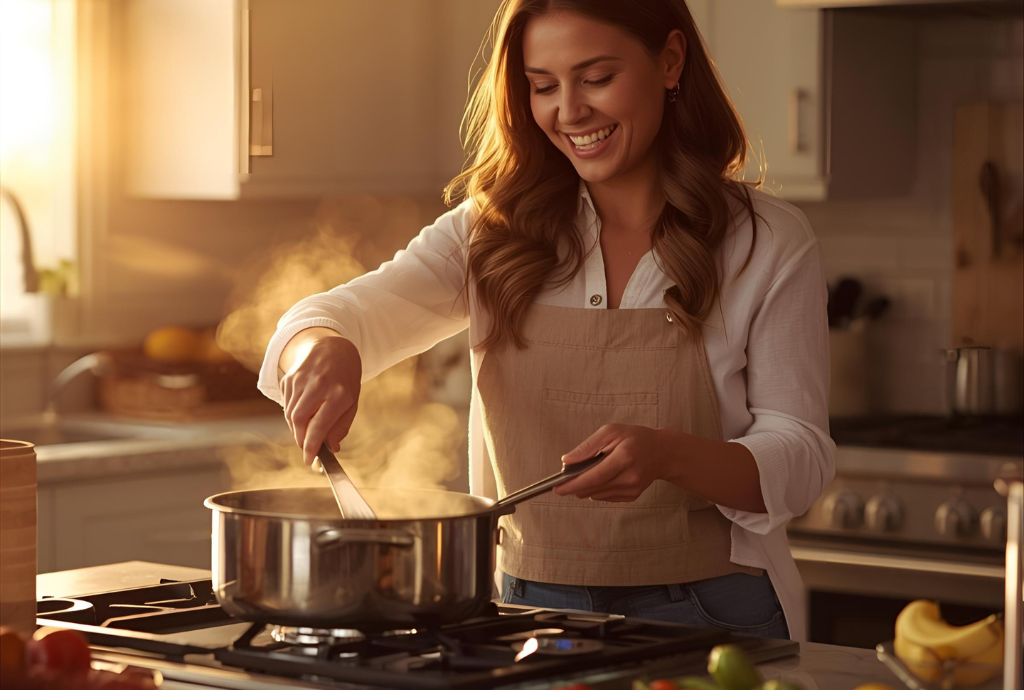
Stainless steel cookware performs best when used with proper technique. Seasoning may be optional, but mastering heat and oil control can prevent food from sticking.
The most important step is preheating the pan before adding oil or ingredients. A hot surface ensures proteins sear quickly and release naturally.
Using oils with high smoke points such as grapeseed, canola, or avocado oil reduces the risk of burning and residue. These oils provide the right balance of lubrication and stability.
The water drop test is a reliable method to check if a stainless steel pan is ready. A drop of water should sizzle and glide across the surface like a bead before cooking begins.
Allowing food to cook undisturbed also prevents sticking. Proteins such as meat often release naturally once they form a crust, but moving them too early causes tearing.
Cleaning is equally important. Warm soapy water, gentle scrubbing, and occasional deglazing maintain the shine and prevent stubborn buildup. Avoid steel wool or harsh abrasives that can scratch the surface.
How hot should a stainless steel pan be before adding oil?
Medium to medium-high heat is ideal, verified with the water drop test.
Which oils are best for cooking without seasoning?
High smoke point oils such as grapeseed, avocado, or canola are recommended.
How can food sticking be avoided without seasoning?
Proper preheating, dry ingredients, enough oil, and avoiding overcrowding all reduce sticking.
Does cold food increase the risk of sticking?
Yes, cold proteins release moisture that interferes with searing and causes sticking.
How should stainless steel pans be cleaned for best performance?
Use warm soapy water, avoid abrasives, and deglaze when needed to remove stubborn residue.
If You Want to Season – Step-by-Step Guide
Even though seasoning stainless steel is not required, some cooks prefer to do it for added slickness. When done properly, the process is simple and safe.
The first step is to thoroughly clean the pan. Any residue, dirt, or factory coating must be removed with warm soapy water and a soft scrub.
Once dry, place the pan on medium heat until it is fully preheated. Add a thin layer of high smoke point oil such as grapeseed, avocado, or canola.
Heat the oil until it begins to shimmer or release faint wisps of smoke. This indicates polymerization is taking place, bonding oil molecules to the steel surface.
Turn off the heat and allow the pan to cool completely. Wipe away excess oil with a paper towel to leave behind only a thin, invisible layer.
This seasoning is temporary and will fade after washing with soap. Repeating the process occasionally can help maintain a semi-nonstick surface.
What is the proper way to season a stainless steel pan?
Preheat, add oil, heat until shimmering or smoking lightly, cool, then wipe clean.
How often should seasoning be repeated?
After every soap wash or whenever the slick surface begins to fade.
Which oils are best for seasoning stainless steel?
Oils with high smoke points such as grapeseed, canola, or avocado oil.
Is seasoning safe regarding smoke or fumes?
Yes, if oils are not overheated; excessive burning can release unpleasant smoke.
Will seasoning permanently change the pan’s appearance?
It may leave a light patina or tint, but polishing can restore much of the shine.
When Seasoning May Be Worth It vs When It’s Unnecessary
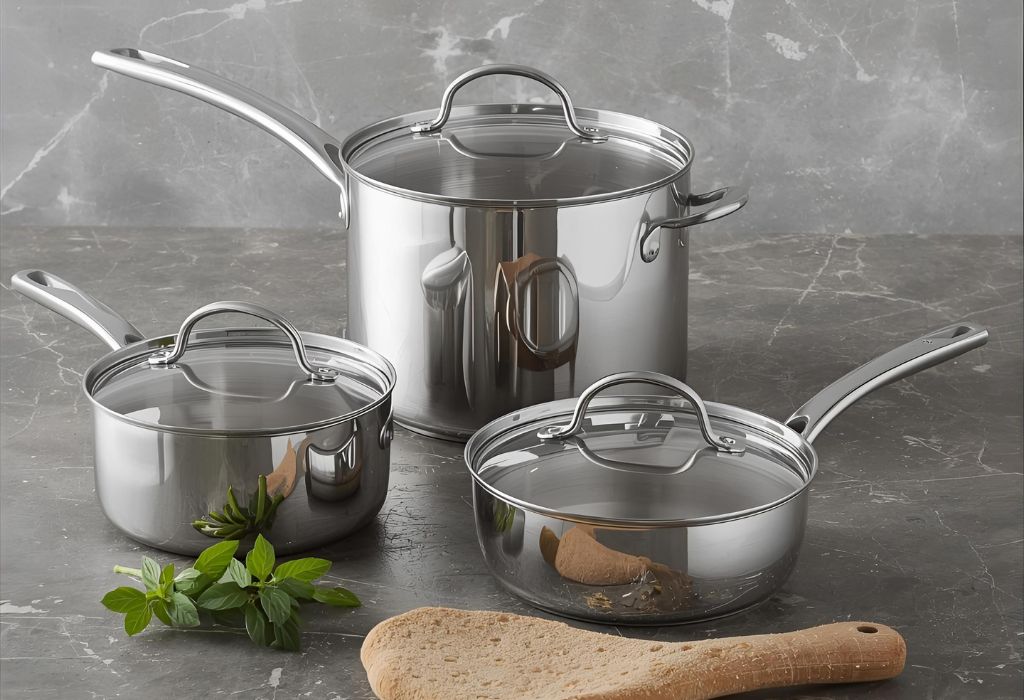
Seasoning stainless steel cookware is not always required, but there are situations where it offers practical benefits. For example, cooking delicate foods like eggs, fish, or thin crepes often becomes easier when the pan has a seasoned layer.
It may also be useful for frequent cooks who want smoother food release without constantly worrying about temperature control. In these cases, seasoning can reduce frustration and improve efficiency.
However, for everyday cooking such as sautéing vegetables, simmering sauces, or boiling pasta, seasoning adds little value. These dishes rarely stick when cooked with proper preheating and oil management.
The construction of the cookware also matters. High-quality multi-ply stainless steel distributes heat evenly, which naturally reduces sticking without the need for seasoning.
In most kitchens, focusing on technique provides longer-lasting results than relying on seasoning. The time and effort needed to maintain a seasoned layer often outweigh its short-term advantages.
For which types of cooking does seasoning help most?
It is most useful for delicate foods like eggs, fish, and crepes.
If mainly cooking vegetables or stews, is seasoning needed?
No, these foods usually cook without sticking when heat and oil are managed well.
Does cookware construction affect the need for seasoning?
Yes, tri-ply or 5-ply pans distribute heat better, making seasoning less important.
Does the type of stove impact the usefulness of seasoning?
Slightly. Gas, electric, or induction all heat differently, but preheating is more important than seasoning.
Is seasoning more valuable in professional kitchens?
Sometimes. High-frequency cooking and delicate dishes may benefit, though many chefs rely on technique instead.
Common Myths & Misconceptions
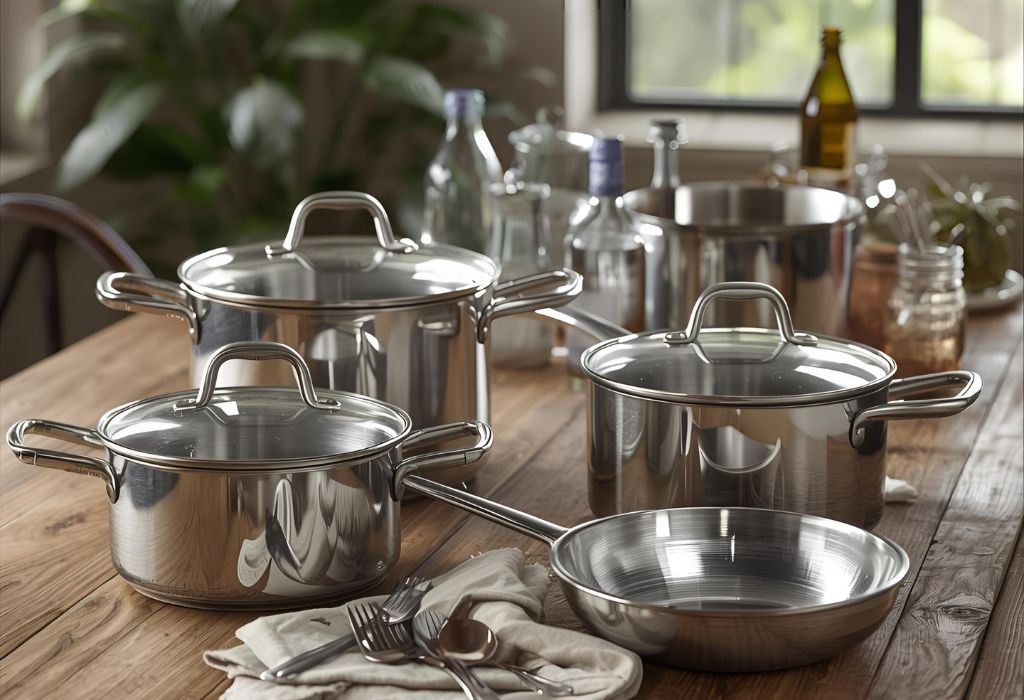
There are many myths about seasoning stainless steel cookware that can mislead home cooks. Understanding the truth helps avoid wasted effort and disappointment.
One common belief is that stainless steel must always be seasoned like cast iron. In reality, stainless steel does not require seasoning to perform well.
Another myth is that seasoning transforms stainless steel into a permanent nonstick surface. While seasoning may create temporary slickness, it cannot replicate the durability of nonstick coatings.
Some think that once seasoned, stainless steel never needs technique adjustments. This is false because heat control and oil management remain essential.
There is also a misconception that seasoning protects stainless steel from rust. Stainless steel naturally resists corrosion due to its chromium content, so seasoning adds little to this protection.
Does seasoning make stainless steel permanently nonstick?
No, it only creates a temporary layer that fades with cleaning.
Do seasoned pans eliminate the need for proper preheating?
No, correct heating is still required to reduce sticking.
Is seasoning the same as chemical nonstick coating?
No, seasoning uses natural oil polymerization, while nonstick pans rely on synthetic coatings.
Does seasoning prevent rust in stainless steel?
No, stainless steel already resists rust without extra seasoning.
Will seasoning remove a metallic taste from cookware?
No, any metallic taste is more likely due to acidic foods, not lack of seasoning.
Statistics, Data & Expert Opinions
Understanding whether to season stainless steel cookware is easier when backed by research and expert advice. Studies and consumer data reveal how common sticking issues are and what solutions truly work.
A 2022 survey reported that 68% of U.S. home cooks named “food sticking to pans” as their top kitchen frustration source. This highlights why so many people explore seasoning or alternatives.
The cookware market reflects this demand as well. Nonstick cookware sales exceeded 1.9 billion dollars in the United States in 2022, proving how strongly consumers value easy food release source.
Experts also weigh in on the topic. Many stainless steel manufacturers, including Made In Cookware, state that seasoning is not necessary for stainless steel pans. Instead, they recommend correct preheating and oil use for best performance.
Professional chefs share similar views. While some choose to lightly season stainless steel for delicate recipes, most rely on proper temperature control and cooking technique to achieve consistent results.
What do tests show about sticking with and without seasoning?
Tests suggest seasoning reduces sticking slightly, but preheating has a stronger impact.
What do manufacturers say about seasoning stainless steel?
Most advise against it, highlighting proper heating as the real solution.
Are there health concerns with seasoning stainless steel?
No major risks if high smoke point oils are used and not overheated.
Do professional chefs season stainless steel pans?
Some do for eggs or fish, but most prefer mastering technique instead.
How does cookware quality influence the need for seasoning?
Better multi-ply pans heat evenly and reduce sticking without requiring seasoning.
Conclusion
The question do you need to season stainless steel cookware at home does not have a one-size-fits-all answer. Seasoning can provide temporary benefits such as easier food release, but it is not essential for the performance or durability of stainless steel.
The metal’s chromium content already resists rust, and its smooth surface requires proper technique more than a permanent coating. Preheating, choosing high smoke point oils, and allowing food to release naturally remain the most effective strategies.
For cooks who frequently prepare delicate dishes like eggs or fish, seasoning may be worth experimenting with. For everyday meals, mastering heat control is a more reliable path to success.
Ultimately, stainless steel cookware performs best when cared for with consistent cleaning and mindful cooking practices. If seasoning fits your cooking style, it can be a useful tool, but it should never replace technique.
The next time food begins to stick, consider whether the solution lies in adding a layer of oil seasoning or simply refining the heat and timing. Either way, the key is understanding how stainless steel works and making it serve your kitchen needs effectively.

I’m Emma J. Caldwell, the founder, lead writer, and home-cooking enthusiast behind KitchenGuideCo.com. With a background in culinary arts and over a decade of cooking experience in both professional and personal kitchens, I created this platform to demystify recipes, offer smart kitchen gadget reviews, and guide readers through meal prep with confidence and clarity.