Blenders have become an essential part of modern kitchens, transforming ingredients into smoothies, sauces, and soups within seconds. Yet, beneath their convenience lies a growing concern that’s raising eyebrows among health-conscious consumers.
Do plastic blenders release microplastics when blending, and if so, how much of that ends up in the food or drinks people consume daily?
Recent studies suggest the issue might be more serious than many realize. In 2023, researchers discovered that blending or crushing ice in a plastic container for just 30 seconds could release billions of microplastic particles into the mixture .
These microscopic fragments, invisible to the naked eye, can potentially enter the body and accumulate over time. With scientists now detecting microplastics in human blood and organs, the question has become both a scientific and public health concern.
Microplastics are already found everywhere, from bottled water to household dust. But the kitchen might be an unexpected contributor.
The friction and heat generated during high-speed blending can cause tiny pieces of plastic to detach from the blender jar’s surface, especially in older or scratched containers. This has led many to question whether even BPA-free plastics are as safe as once believed.
According to research published in Frontiers in Environmental Science, microplastic exposure through food preparation tools could rise as kitchen appliances age and wear out .
The good news is that consumers can take practical steps to minimize this risk without giving up the convenience of their favorite appliances.
What Are Microplastics and Nanoplastics?
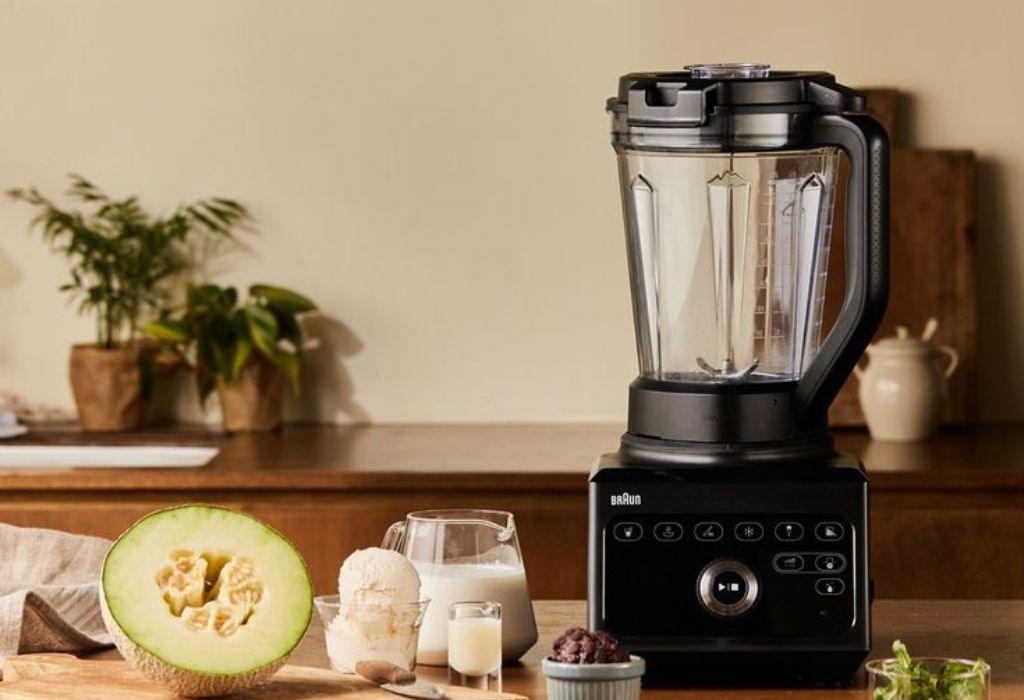
Microplastics are tiny plastic fragments smaller than 5 millimeters that come from the breakdown of larger plastic materials. Nanoplastics are even smaller, often less than one micrometer, and can pass through biological tissues more easily.
These particles are everywhere — in air, oceans, food, and even inside the human body. Research shows that the average person consumes around 5 grams of microplastics per week, roughly the weight of a credit card (source).
In the kitchen, microplastics can come from plastic containers, utensils, and appliances that experience friction, heat, or wear. When blenders operate at high speed, the blades generate friction against the plastic jar, gradually releasing microscopic particles into food and drinks.
Over time, this wear can produce not only microplastics but also nanoplastics — much smaller particles that can move through the bloodstream and potentially accumulate in organs.
Scientists are still studying the long-term effects of these particles, but their presence in human blood and lung tissue raises growing concern.
Understanding do plastic blenders release microplastics is part of a larger discussion about how everyday kitchen tools contribute to invisible plastic exposure. Recognizing how these particles form helps consumers make smarter choices about materials, maintenance, and appliance use.
Microplastics and nanoplastics may be invisible, but their impact is very real. By learning where they come from and how to reduce their release, users can take practical steps toward safer and cleaner blending habits.
Do Plastic Blenders Release Microplastics? What Studies Show
Recent studies confirm that plastic blenders can release microplastics and even nanoplastics during normal use. When blades spin at high speed, friction and impact cause microscopic particles to break off from the jar’s surface.
A 2023 study found that blending water and ice for just 30 seconds in a plastic jar released billions of microplastic particles into the liquid (source). Older jars produced even more, as scratches and surface wear increased particle shedding.
Another study published in Frontiers in Environmental Science showed that repeated blending and washing cycles accelerate this effect. Over time, small cracks form inside the container, allowing more plastic to flake away (source).
Material type also matters. Plastic jars made from polypropylene or Tritan tend to release more microplastics than glass or stainless steel options, especially when exposed to hard ingredients, heat, or prolonged blending.
While soft foods like fruit blends create less friction, dry or frozen ingredients can significantly increase microplastic release. These findings highlight that plastic blender jars are not completely stable materials—they degrade slowly through mechanical stress.
Understanding do plastic blenders release microplastics helps consumers make smarter choices about materials, blending habits, and maintenance to reduce hidden plastic exposure in everyday use.
Microplastics vs Chemical Leaching (BPA-Free ≠ Particle-Free)
Many assume that using a BPA-free blender means complete safety, but that’s not entirely true. BPA-free plastics prevent one type of chemical exposure, yet they can still release microplastics through physical wear and friction.
Microplastic shedding and chemical leaching are different processes. Shedding happens when mechanical force, like the blender’s spinning blades, causes plastic particles to break off.
Leaching occurs when chemicals migrate from the plastic into food, especially under heat or repeated use. Both can happen in plastic blenders depending on conditions.
A study from Environmental Pollution found that even BPA-free plastics can release estrogenic compounds when exposed to heat and repeated stress .
This means that while BPA may be absent, other additives like phthalates or plasticizers can still migrate into blended food.
High-speed blending increases friction, which raises temperature and stress on the plastic jar. Over time, this not only weakens the material but also accelerates microplastic release.
Using frozen ingredients or blending dry mixtures can worsen the problem, especially in older containers with visible scratches.
Glass and stainless-steel jars avoid both microplastic shedding and most forms of leaching. However, even these may contain plastic parts like lids or gaskets that experience minor wear.
Choosing durable materials and replacing damaged components regularly helps minimize overall risk.
In short, BPA-free does not mean microplastic-free. While chemical leaching and microplastic release are distinct, both can occur in plastic blenders. Understanding this difference helps users select safer materials and adopt blending habits that limit exposure from both sources.
What Makes Plastic Jars Shed: Materials, Speed, and Age
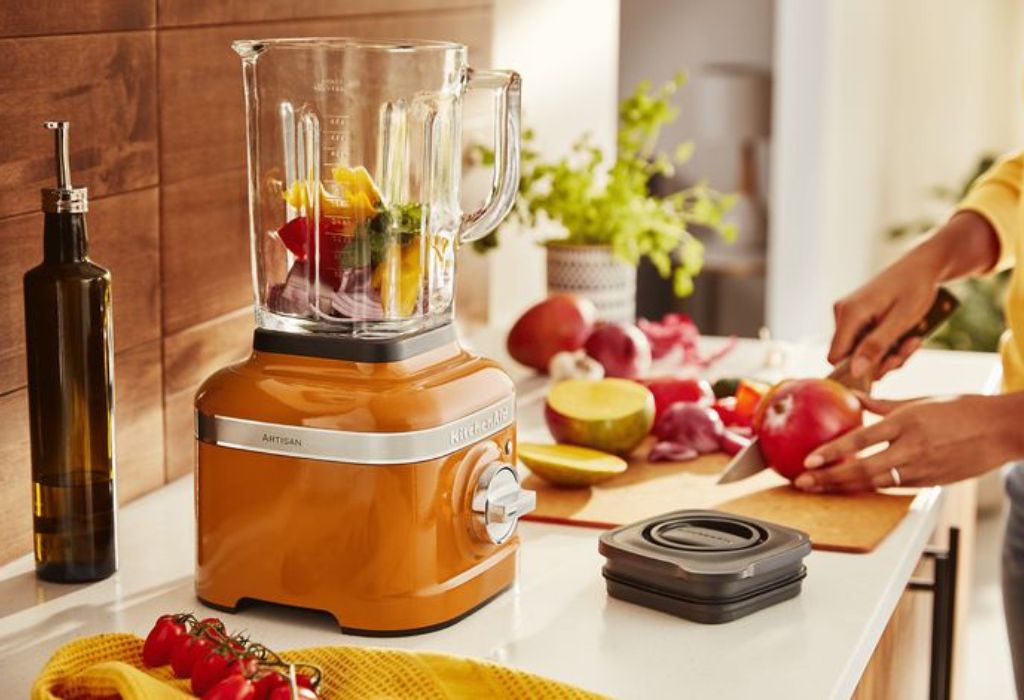
Not all blender jars shed plastic at the same rate. Factors like material type, motor speed, ingredient hardness, and jar age all influence how many microplastics end up in blended food or drinks.
Most household blenders use jars made from Tritan, polycarbonate, or polypropylene, each with different durability and resistance to wear.
Tritan is often marketed as impact-resistant and BPA-free, yet studies show it can still release microplastics under heavy use. Softer plastics like polypropylene wear faster, especially when exposed to sharp ice or fibrous foods.
Motor speed and friction are key drivers of microplastic release. At high RPMs, blades create strong turbulence and collision between ingredients and the jar surface.
This friction gradually scuffs and erodes the inner walls, loosening small plastic fragments. Even a 10–20 second blend with frozen fruit or ice can accelerate this process significantly.
The condition and age of the jar also matter. Scratches, cloudiness, or tiny cracks are signs of surface degradation.
Once these imperfections appear, the rate of particle shedding increases sharply. Frequent dishwasher cycles, especially at high temperatures, can further weaken the plastic’s structure over time.
Testing shows that newer jars release fewer microplastics than older ones under identical blending conditions.
This proves that surface wear, rather than age alone, plays the biggest role in releasing particles. Replacing jars periodically or switching to glass containers helps minimize exposure.
Ultimately, the combination of material type, blending speed, and maintenance determines how much plastic enters the mixture. Recognizing these factors allows users to adjust habits—like blending at lower speeds or avoiding frozen ingredients—to reduce wear and keep blenders performing safely for longer.
Health Context: What We Know and Don’t Know
The question do plastic blenders release microplastics matters because these particles don’t just stay in food—they can enter the body.
Microplastics have been found in human blood, lungs, and even placental tissue, showing that exposure is widespread. However, scientists are still studying exactly how these particles affect health.
Research suggests that once inside the body, microplastics may trigger inflammation or oxidative stress. Nanoplastics, being much smaller, pose an even greater concern because they can potentially cross cell membranes and reach vital organs.
The World Health Organization acknowledges that while the long-term effects are unclear, minimizing plastic exposure is a sensible precaution (source).
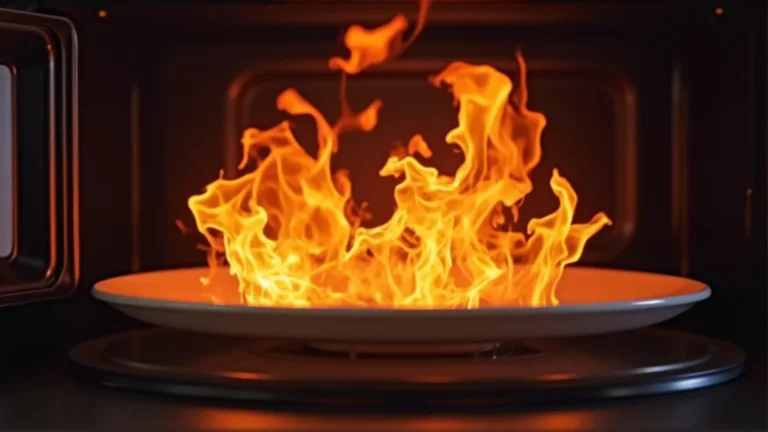
Studies show that heating or friction can increase microplastic release by several times. One experiment found that microwaving food in plastic containers released thousands of particles into the meal (source).
Although blending doesn’t involve extreme heat, the mechanical stress and friction create similar conditions at a smaller scale.
The real concern lies in accumulation. Small exposures might seem harmless, but over time, consistent intake through food, water, and air can lead to significant buildup. Early animal studies have linked high microplastic exposure to hormonal disruption and tissue damage, though human evidence remains limited.
For now, health experts advise practical caution. Using glass or stainless-steel blenders, avoiding scratched plastic jars, and limiting contact time between food and plastic can significantly reduce risk. Until research catches up, prevention through smarter kitchen habits remains the most reliable safeguard.
Practical Ways to Reduce Exposure While Blending
While it’s nearly impossible to eliminate all microplastics from daily life, reducing their release in the kitchen is realistic and simple.
The first and most effective step is switching to a glass or stainless-steel blender jar, which doesn’t shed particles during blending. These materials are durable, non-reactive, and safe for both hot and cold recipes.
If replacing the blender isn’t an option, small adjustments can still make a big difference. Always add liquids before solid ingredients to reduce friction between the blades and the jar. Avoid blending hard items like ice or nuts in plastic jars whenever possible, as they create the most abrasion and wear.
Inspect the blender regularly for scratches, cloudiness, or cracks. These signs indicate surface damage where microplastics can easily form and detach. Replacing an old or worn jar early prevents continuous particle shedding that accumulates over time.
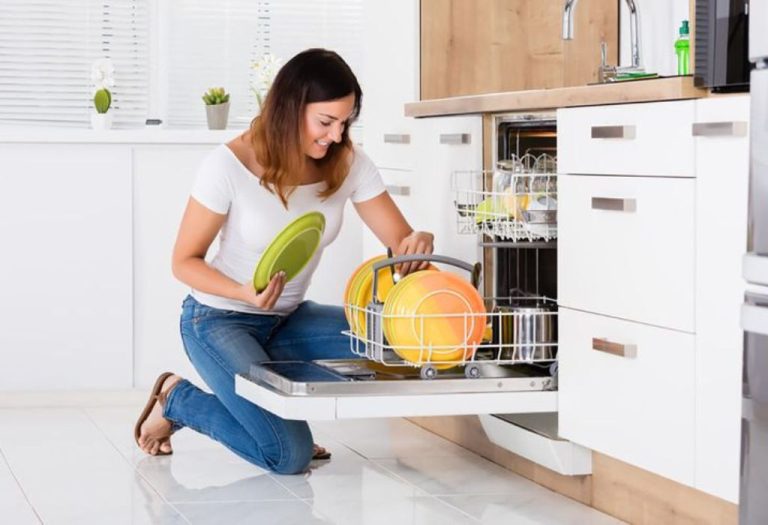
Cleaning also plays a key role. Handwashing with mild soap and a soft sponge is gentler than using a dishwasher. High heat and strong detergents in dishwashers accelerate plastic aging and cracking. Dry the jar at room temperature instead of applying additional heat.
Using short blending cycles helps limit exposure, as friction and stress increase with blending duration. A pulse setting is a good alternative to running the motor continuously. If you blend frequently, consider alternating between plastic and glass jars to extend their lifespan.
Finally, proper storage matters. Keep the jar away from direct sunlight and heat sources, as UV exposure and temperature fluctuations can degrade the material faster.
These small precautions, when combined, can greatly reduce the likelihood that plastic blenders release microplastics into your food and drinks.
Shopping Guide: Lower-Shedding and “Plastic-Lite” Options
Choosing the right blender can significantly reduce exposure to microplastics. The safest option is a glass or stainless-steel blender, which eliminates direct plastic contact with food.
Glass jars are non-porous and resistant to scratching, while stainless steel offers superior durability and temperature stability.
Several brands now design “quiet” or “eco-safe” blenders with alternative materials. Models like the Oster Pro 1200 or KitchenAid K400 feature heavy glass jars, while premium units such as the Blendtec Professional 800 or Vitamix Quiet One include optional sound enclosures and low-shedding components. These designs prioritize both performance and safety.
If a plastic jar is unavoidable, look for one made from Tritan copolyester or BPA-free polypropylene. These are tougher and more crack-resistant than standard plastics, meaning fewer particles are released during blending.
Check if the manufacturer sells replacement jars—swapping out an old container every few years helps minimize long-term microplastic exposure.
Portable or single-serve blenders can also be safer if chosen wisely. Some modern designs now use stainless-steel blending cups or borosilicate glass, making them ideal for smoothies on the go. They’re lightweight, easy to clean, and don’t degrade over time like plastic.
Avoid choosing a blender based solely on power. A stronger motor can mean higher friction and more wear in plastic jars if not well-insulated. Instead, prioritize build quality, jar material, and manufacturer transparency about materials used.
Ultimately, the best blender isn’t just the most powerful—it’s the one that delivers performance without hidden health risks. Selecting low-shedding materials and replacing worn parts ensures that blending stays efficient, safe, and microplastic-free for years.
Care and Maintenance to Limit Shedding
Proper care can dramatically reduce the chances that plastic blenders release microplastics during use. Routine maintenance not only extends the life of your blender but also prevents microscopic wear that occurs over time.
The most important rule is to inspect the jar regularly. If you notice scratches, cloudiness, or small cracks, it’s time to replace it. These imperfections are the main sites where microplastics begin to form and detach during blending.
When cleaning, always use mild soap and a soft sponge. Avoid abrasive scrubbers, steel wool, or harsh chemicals, which can erode the inner surface. Even small abrasions can increase friction points that release tiny plastic flakes.
It’s also best to avoid the dishwasher for plastic jars. The high temperature and strong detergent cause polymers to break down faster. Instead, rinse the jar immediately after use with warm water and handwash gently.
Keep the blades sharp and well-maintained. Dull blades force the motor to work harder, generating more friction and vibration that stress the plastic. If your blender allows blade replacement, do so periodically for optimal performance and reduced wear.
Storage also influences longevity. Always keep the jar out of direct sunlight or extreme heat, as UV rays and temperature changes weaken the plastic over time. A cool, shaded cabinet is ideal for preventing premature aging.
By following these steps, users can extend the lifespan of their blender and greatly minimize plastic shedding. A well-maintained blender not only performs better but also ensures that your food and drinks stay cleaner, safer, and free from unnecessary microplastic contamination.
Future Directions: Testing, Materials, and Standards
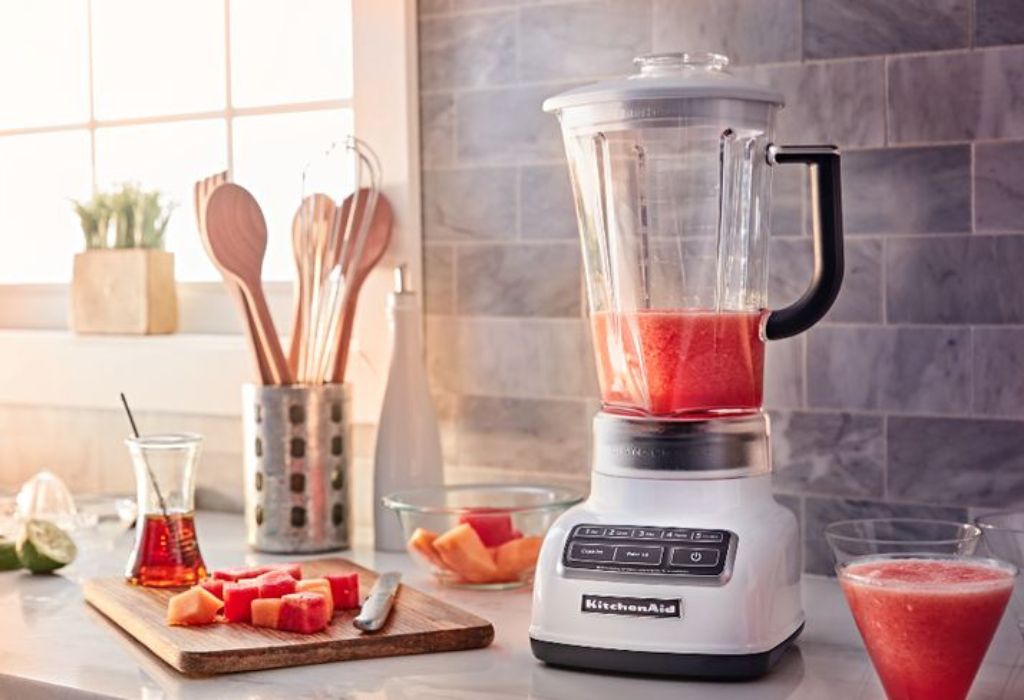
As awareness grows about microplastics in kitchen tools, researchers and manufacturers are working to better understand and reduce the problem. Future blender designs are likely to focus on improved materials, smarter testing, and stricter safety standards.
One major advancement lies in material innovation. Scientists are exploring alternatives to petroleum-based plastics, such as bioplastics and reinforced glass composites, which resist abrasion and heat far better.
Some companies are also testing food-safe coatings that can prevent wear inside blender jars without affecting performance.
Testing methods are evolving, too. Modern techniques like Raman spectroscopy and Fourier-transform infrared analysis (FTIR) are helping scientists identify even the smallest microplastic fragments with greater precision.
As these technologies advance, manufacturers will be able to measure and reduce plastic shedding more accurately.
Regulatory bodies may also begin introducing household appliance safety standards related to microplastic emissions.
Similar to BPA labeling, future packaging could indicate whether a blender meets “low-shedding” or “microplastic-safe” certification. This kind of transparency will help consumers make more informed decisions.
Industry leaders are already taking steps in this direction. Some premium brands have started replacing plastic gaskets and lids with silicone or metal alternatives, reducing the number of plastic components in direct contact with food.
Others are offering fully glass or stainless-steel blending systems, eliminating microplastic concerns altogether.
The growing conversation around do plastic blenders release microplastics shows that both awareness and technology are evolving.
As research continues, consumers can expect safer, longer-lasting appliances built with cleaner materials and clearer safety guarantees. The future of blending is not just about power or speed—it’s about sustainability, safety, and trust.
Do plastic blenders release microplastics?
Yes, studies show that plastic blenders can release microplastics during blending due to friction, impact, and surface wear. High-speed blades and hard ingredients accelerate this process.
How many microplastics can a blender release?
Lab tests found that blending for just 30 seconds in a plastic jar can release billions of microplastic particles, depending on the jar’s age and material.
Are BPA-free blenders safe from microplastics?
No. BPA-free plastics prevent chemical leaching but can still shed microplastics when exposed to friction, heat, or wear over time.
Do glass blenders release microplastics?
No. Glass and stainless-steel blenders do not release microplastics because they are non-reactive and resistant to abrasion from blending.
Does blending frozen fruit or ice increase microplastic release?
Yes. Hard or frozen ingredients create stronger impacts on the plastic jar, increasing abrasion and the number of particles released.
Can microplastics from blenders affect health?
Microplastics have been found in human blood and organs, though long-term health effects are still being studied. Reducing exposure is strongly recommended.
How can I prevent microplastic release from my blender?
Use glass or metal jars, add liquids before solids, avoid dry ice-crushing, and replace scratched or cloudy plastic jars regularly.
Does washing a blender in the dishwasher make it worse?
Yes. High heat and strong detergents can weaken plastic, causing cracks and surface wear that increase microplastic shedding.
Are there blenders designed to reduce microplastics?
Yes. Some modern blenders use glass jars, metal components, or food-safe coatings to reduce friction and particle release during blending.
Should I stop using my plastic blender completely?
Not necessarily. With proper care—like gentle cleaning, shorter blending times, and timely jar replacement—you can safely minimize microplastic exposure while using a plastic blender.
Conclusion
Research increasingly supports that plastic blenders can release microplastics through friction, heat, and long-term wear. Though the amount may seem small, repeated use over months or years can add up, making this an invisible but ongoing source of exposure in the kitchen.
Understanding do plastic blenders release microplastics helps consumers make smarter, safer choices. Switching to glass or stainless-steel jars, maintaining equipment properly, and avoiding harsh ingredients or high heat can greatly reduce particle release.
While current evidence on microplastic health effects is still developing, the direction is clear—prevention matters. Simple habits like handwashing, inspecting jars for wear, and replacing damaged parts can make everyday blending cleaner and safer.
The future of blender design is already shifting toward better materials, improved testing, and transparent safety standards. Until those advances become mainstream, mindful use and maintenance remain the best defense against hidden plastic exposure.
Every smoothie, soup, or sauce can still be enjoyed safely—just with a little more awareness of what’s blending beneath the surface.

I’m Emma J. Caldwell, the founder, lead writer, and home-cooking enthusiast behind KitchenGuideCo.com. With a background in culinary arts and over a decade of cooking experience in both professional and personal kitchens, I created this platform to demystify recipes, offer smart kitchen gadget reviews, and guide readers through meal prep with confidence and clarity.