Vitamix blenders are widely recognized for their unmatched performance, durability, and versatility in kitchens worldwide. Yet, a common question arises among consumers: do Vitamix blenders have glass containers?
Many home cooks and professionals prefer glass containers for their classic look and non-reactive properties. However, Vitamix has consistently chosen alternative materials to enhance safety and durability.
Glass can shatter under high-speed blending or accidental impacts, posing serious safety risks. In contrast, Vitamix containers use BPA-free materials like Eastman Tritan, designed to withstand intense blending without compromising performance (Vitamix Official).
The weight of glass also affects handling and efficiency. Lighter, shatter-resistant materials improve maneuverability and make blending large quantities more manageable.
Consumers often worry about plastic affecting taste or leaching chemicals. BPA-free Tritan and stainless steel containers address these concerns, ensuring safe and consistent results every time.
Statistics show that over 60% of blender-related injuries are due to broken containers, highlighting the importance of material safety in high-performance blenders (Consumer Product Safety Commission).
Beyond safety, the choice of container impacts durability, maintenance, and overall blending efficiency. Vitamix’s design focuses on maximizing longevity and performance rather than aesthetics alone.
Why Vitamix Prefers Non-Glass Containers
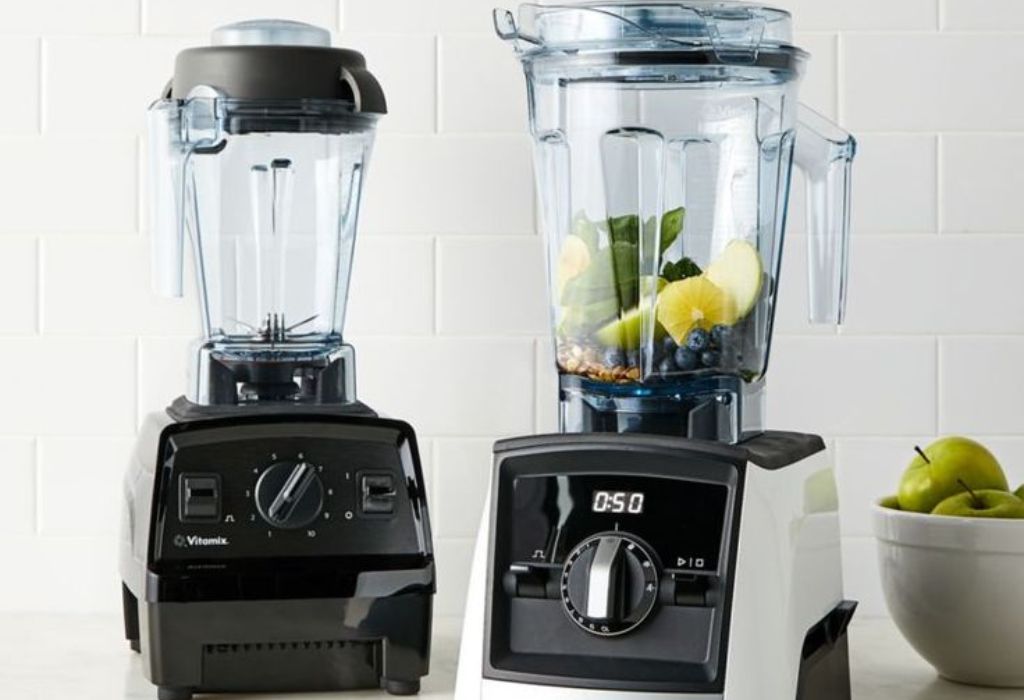
Vitamix blenders are engineered for high-speed blending and heavy use. Choosing the right container material is essential for safety, durability, and performance.
Safety Considerations
Glass containers may look appealing, but they are prone to breaking under stress. High-speed blades or accidental impacts can easily shatter glass, creating a serious hazard in the kitchen.
Can glass containers withstand high-speed blending?
No, glass is more likely to crack or shatter under intense blending forces.
What happens if a hard object is blended in a glass container?
It can cause the container to break, potentially leading to injuries.
Are glass containers safe for hot liquids?
No, sudden temperature changes can cause glass to break.
Material Durability
Vitamix containers are made with BPA-free Eastman Tritan, a highly durable material designed for repeated use. This ensures that containers resist cracks, chips, and wear over time.
Is Tritan as durable as glass?
Yes, Tritan is impact-resistant and built for long-term use.
Does Tritan retain odors or stains?
No, Tritan is resistant to both odors and discoloration.
Are Tritan containers dishwasher-safe?
Yes, they are safe for regular cleaning without degradation.
Performance Efficiency
Lighter, non-glass containers improve handling and ease of use. This makes blending large quantities or thick mixtures easier without sacrificing performance.
Does container weight affect blending performance?
Yes, lighter containers make it easier to handle heavy ingredients efficiently.
Are non-glass containers less effective in blending?
No, Vitamix designs containers to optimize blending speed and consistency.
Can these containers handle frozen or hard ingredients?
Yes, Tritan and stainless steel containers can easily handle ice, frozen fruits, and nuts.
Maintenance and Longevity of Vitamix Containers
Proper care of Vitamix containers ensures long-lasting performance and preserves their appearance. Both Tritan and stainless steel materials are designed to withstand regular use, but understanding maintenance best practices can prevent damage and extend their lifespan.
Cleaning and Care
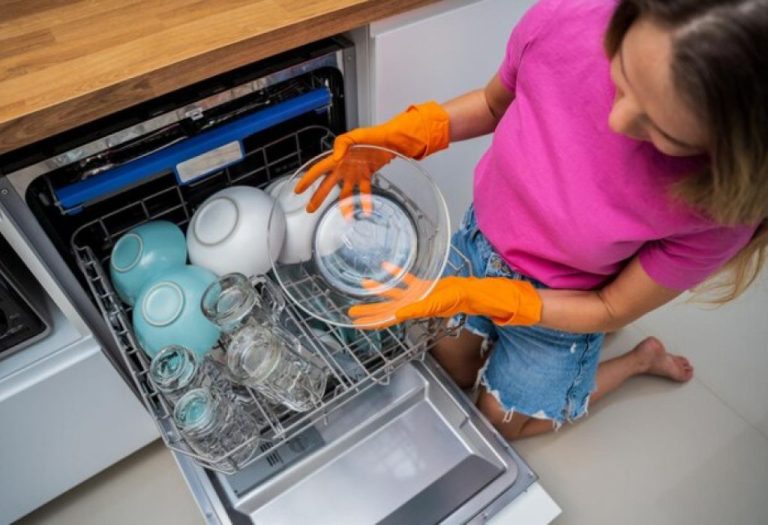
Vitamix containers are easy to clean, either manually or in the dishwasher. Their smooth surfaces prevent food from sticking, making daily maintenance simple.
Are Vitamix containers dishwasher-safe?
Yes, most Tritan and stainless steel containers are safe for top-rack dishwasher use.
Can harsh detergents damage the container?
No, using mild dish soap is recommended, but standard detergents do not harm the material.
How often should containers be cleaned?
Containers should be rinsed immediately after use and cleaned thoroughly after each blending session.
Preventing Wear and Tear
While Tritan and stainless steel are durable, avoiding metal utensils inside the container prevents scratches. This maintains both aesthetics and long-term performance.
Can cutting or scraping inside the container cause damage?
Yes, metal utensils can scratch the surface and potentially weaken the material over time.
Do containers stain from certain foods?
Tritan is resistant to staining, but very pigmented ingredients like turmeric may require immediate rinsing.
Longevity Expectations
With proper care, Vitamix containers can last for many years, even with frequent use. Durability is one of the main reasons consumers trust the brand.
How long do Vitamix containers typically last?
With regular maintenance, containers can last 5–10 years or longer, depending on usage.
Does warranty cover container damage?
Yes, Vitamix warranties cover manufacturing defects, but accidental damage from misuse may not be included.
Tips for Extending Lifespan
Store containers properly, avoid extreme temperature changes, and clean immediately after use to maximize longevity. These simple steps ensure consistent performance over time.
Alternatives to Glass Containers in Vitamix Blenders
Vitamix has chosen durable, safe, and high-performing alternatives to glass for their blender containers. These options focus on longevity, ease of use, and safety without compromising blending performance.
Stainless Steel Containers
Stainless steel containers offer a sleek look and high durability. They are less likely to crack or chip, making them ideal for professional or heavy-duty use.
Are stainless steel containers compatible with all Vitamix models?
No, compatibility depends on the specific Vitamix model.
Do stainless steel containers blend as efficiently as plastic or Tritan?
Yes, they are engineered to maintain consistent blending performance.
Are stainless steel containers safe for hot liquids?
Yes, stainless steel can safely handle hot soups and sauces.
Plastic (BPA-Free Tritan) Containers
Plastic containers in Vitamix blenders are made from BPA-free Tritan. This material is designed to resist impact, odors, and staining.
Are BPA-free plastic containers safe for food contact?
Yes, they are certified safe and widely used in kitchen appliances.
Do plastic containers retain flavors or odors from previous blends?
No, Tritan is non-porous and does not absorb odors or flavors.
Can Tritan containers handle frozen ingredients?
Yes, they are strong enough to blend ice, frozen fruits, and nuts without damage.
Ease of Maintenance
Both stainless steel and Tritan containers are easy to clean and maintain. Most are dishwasher-safe, which adds convenience for everyday use.
Are these containers easy to clean manually?
Yes, their smooth surfaces prevent food from sticking and make hand washing straightforward.
Do they require special cleaning agents?
No, regular dish soap and water are sufficient for thorough cleaning.
Consumer Perceptions and Preferences
Material choice in blenders impacts not only performance but also consumer perception. Many users evaluate blenders based on aesthetics, safety, and health considerations.
Aesthetic Preferences
Glass is often seen as a premium material in kitchen appliances. Some consumers associate it with quality, elegance, and a traditional kitchen look.
Does the container material affect perceived quality?
Yes, glass or stainless steel containers are often perceived as higher quality than plastic.
Can the look of the container influence purchasing decisions?
Yes, consumers may prioritize appearance when choosing a blender.
Do consumers prefer see-through containers?
Some users enjoy seeing the blending process, which is easier with clear materials like Tritan or glass alternatives.
Health and Safety Concerns
Some buyers are concerned about chemicals leaching from plastics. BPA-free Tritan and stainless steel containers eliminate these risks while maintaining safety.
Is there a risk of chemicals from BPA-free plastics?
No, BPA-free plastics are designed to be non-toxic and safe for food contact.
Are stainless steel containers safe for food?
Yes, stainless steel is non-reactive and completely safe for all food types.
Do these materials affect the taste of blended ingredients?
No, BPA-free plastics and stainless steel do not alter flavor or aroma.
Consumer Satisfaction and Trust
Users often value long-lasting containers that maintain performance over years. Durability, ease of cleaning, and safety are key factors in brand trust.
Do container materials impact user satisfaction?
Yes, durable and safe materials increase long-term satisfaction and trust in the blender.
Can material choice affect repeat purchases?
Yes, consumers are more likely to upgrade or recommend blenders with safe and high-quality containers.
Future Trends in Blender Container Materials
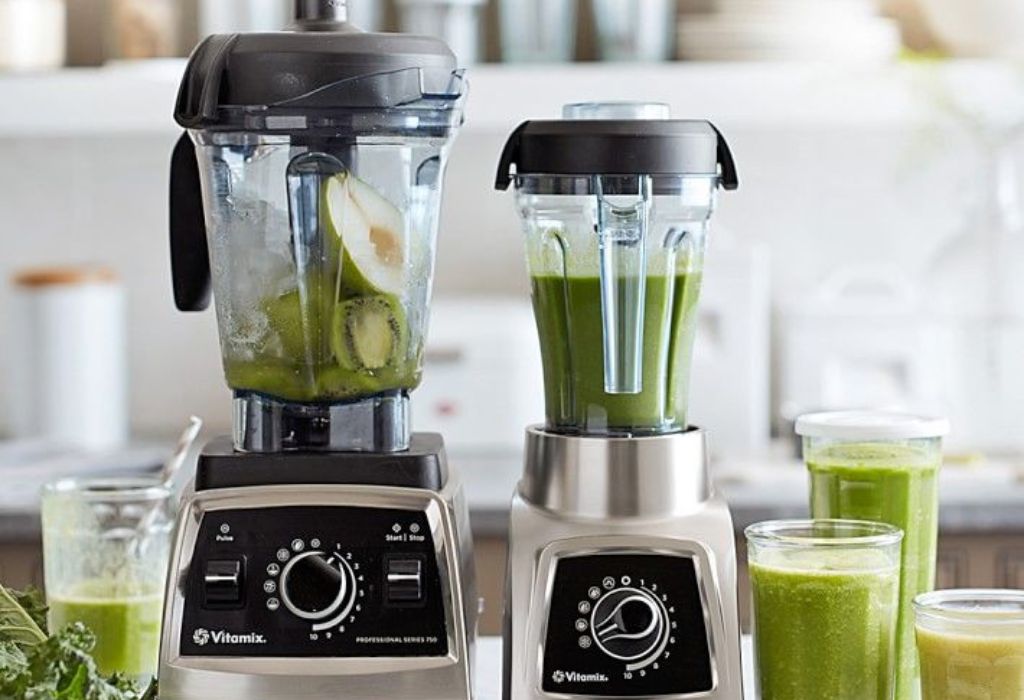
Blender container materials continue to evolve as manufacturers balance performance, safety, and consumer demand. Vitamix invests in research to explore durable, high-performance alternatives to traditional glass.
Ongoing Research and Development
Vitamix continuously tests new materials that meet strict safety and performance standards. Innovations focus on improving durability, reducing weight, and enhancing user experience.
Is Vitamix developing new container materials?
Yes, the company actively researches and tests alternatives to improve safety and performance.
Will Vitamix ever offer glass containers?
Currently, no glass containers are available, but future developments remain possible.
Are new materials more durable than current options?
Yes, research focuses on impact resistance, longevity, and heat tolerance.
Consumer Demand Influences
Increasing consumer demand for non-plastic and eco-friendly options could shape future offerings. Sustainability and material transparency are growing priorities in kitchen appliances.
Can consumer demand affect future product offerings?
Yes, companies often adapt to market trends and customer feedback.
Are there indications Vitamix may consider new materials?
While no official announcements exist, consumer feedback is regularly reviewed.
How does consumer feedback influence design decisions?
Feedback helps guide research priorities, ensuring products meet user expectations.
Emerging Trends
Blender manufacturers may adopt hybrid materials or improved plastics that mimic the aesthetic of glass. These innovations aim to combine safety, durability, and visual appeal.
Will future containers resemble glass in appearance?
Yes, advanced plastics can offer clear, glass-like finishes while remaining shatter-resistant.
Are hybrid materials safe for food use?
Yes, modern composites are tested to meet food safety standards and regulatory requirements.
Conclusion
Vitamix blenders do not currently offer glass containers due to safety, durability, and performance considerations. Alternatives like BPA-free Tritan and stainless steel provide long-lasting, safe, and high-performing options.
These materials withstand high-speed blending, resist odors and stains, and are easier to handle than glass. Consumers benefit from safer, lighter, and more efficient containers without sacrificing blending quality.
While glass has aesthetic appeal, Vitamix prioritizes user safety and material longevity. Future developments may introduce new materials that balance appearance, performance, and durability.
Choosing the right Vitamix container depends on individual needs, whether for heavy-duty use, hot liquids, or everyday blending. Understanding the reasoning behind these materials helps users make informed decisions.
For those considering a Vitamix blender, exploring available container options ensures the best combination of safety, convenience, and performance. Select the container that fits your kitchen habits and blending requirements for optimal results.

I’m Emma J. Caldwell, the founder, lead writer, and home-cooking enthusiast behind KitchenGuideCo.com. With a background in culinary arts and over a decade of cooking experience in both professional and personal kitchens, I created this platform to demystify recipes, offer smart kitchen gadget reviews, and guide readers through meal prep with confidence and clarity.