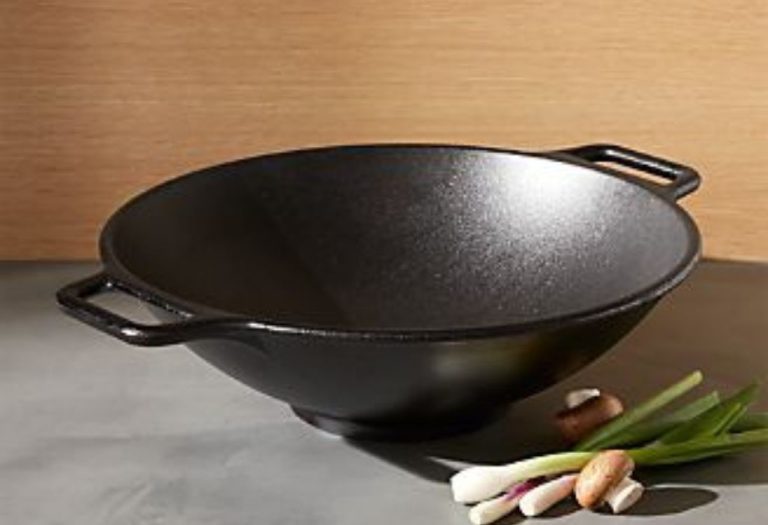
Nonstick cookware has become a staple in kitchens worldwide due to its convenience and ease of cleaning. However, many are unaware that these seemingly harmless pans may contain harmful chemicals known as PFAS.
PFAS, or per- and polyfluoroalkyl substances, are synthetic compounds used for their water- and grease-resistant properties. Studies show that over 90% of Americans have detectable levels of PFAS in their blood, raising concerns about long-term health effects (CDC, 2023).
Even products labeled “PFOA-free” or “PTFE-free” are not always entirely free from PFAS. This creates a confusing landscape for consumers trying to make safe choices for their families.
The potential risks of PFAS exposure include hormone disruption, liver damage, and certain cancers, making it critical to understand what is in the cookware used every day (Environmental Working Group).
With so many options on the market, from traditional Teflon pans to ceramic and stainless steel alternatives, identifying truly PFAS-free cookware can be overwhelming.
Knowing which materials are safe not only protects health but also helps prevent unnecessary chemical exposure in daily cooking.
What Are PFAS and Why Are They in Cookware?
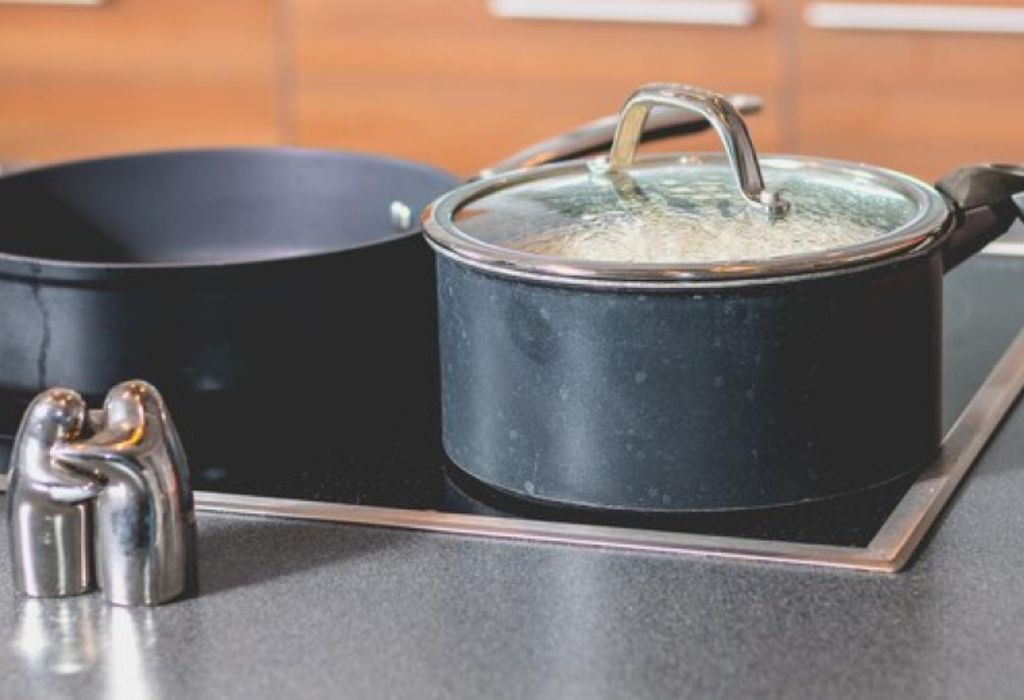
PFAS, short for per- and polyfluoroalkyl substances, are a group of man-made chemicals widely used for their resistance to water, grease, and stains.
These compounds have been in production since the 1940s and are found in various consumer products, including nonstick cookware, food packaging, and textiles.
In cookware, PFAS are primarily used in coatings like Teflon, PTFE, and other nonstick layers to prevent food from sticking and to make cleaning easier.
While these coatings provide convenience, they also introduce synthetic chemicals directly into the cooking environment, which can migrate into food under high heat.
Health experts have raised concerns about the long-term impact of PFAS exposure. Research links PFAS to hormone disruption, liver damage, and an increased risk of certain cancers (CDC, 2023). Even low levels of PFAS in everyday cookware can contribute to cumulative exposure over time.
PFAS are highly persistent in the environment and do not break down easily. This means that discarded nonstick cookware can contribute to long-term chemical pollution in landfills and waterways.
The environmental footprint of these substances adds another layer of concern for those trying to make sustainable kitchen choices.
Despite these risks, PFAS are still widely used because of their unique properties that improve cooking performance.
Understanding the role of PFAS in cookware is essential for making informed decisions about kitchen safety and personal health. Consumers can reduce exposure by selecting alternative materials and being mindful of cooking practices.
Are All Nonstick Pans Contaminated with PFAS?
Not all nonstick cookware contains PFAS, but many traditional options do. Most nonstick pans use coatings like PTFE or Teflon, which often incorporate PFAS during the manufacturing process. However, some newer products are specifically designed to be PFAS-free, offering safer alternatives for everyday cooking.
Labels such as “PFAS-free,” “PFOA-free,” or “PTFE-free” indicate that the manufacturer has minimized or eliminated these substances. Even with these labels, it is essential to verify product details, as terms can sometimes be misleading or only partially accurate. Checking brand transparency and material disclosures helps ensure the cookware is genuinely free of harmful chemicals.
Alternative materials like ceramic, stainless steel, and cast iron naturally avoid PFAS while providing nonstick-like performance when used correctly. These options are gaining popularity due to increased consumer awareness of health and environmental concerns.
Health authorities and consumer advocacy groups emphasize the importance of choosing PFAS-free cookware. Studies show that proper selection and use of non-toxic materials can significantly reduce chemical exposure during cooking (Environmental Working Group).
Understanding the distinction between PFAS-containing and PFAS-free cookware empowers consumers to make informed decisions. Awareness of materials, labels, and brands is the first step toward creating a safer kitchen environment and protecting long-term health.
Identifying PFAS-Free Nonstick Cookware
Finding truly PFAS-free cookware requires attention to materials, labeling, and brand transparency. Not all products marketed as nonstick are free from these synthetic chemicals, so careful evaluation is essential.
Labels such as “PFAS-free,” “PFOA-free,” or “PTFE-free” indicate safer alternatives, but verifying the details with the manufacturer is recommended. Some brands provide full disclosure of materials and production processes, helping consumers make informed decisions.
Materials naturally free from PFAS include ceramic, stainless steel, and cast iron. Ceramic-coated pans offer nonstick performance without harmful chemicals, though they may wear out faster than traditional Teflon coatings. Cast iron and stainless steel require seasoning or proper preheating but provide long-term durability and chemical-free cooking.
Certifications from reputable organizations further guide safe purchases. Look for products verified for non-toxicity or labeled by independent testing agencies, which ensures that the cookware meets strict safety standards.
Consumer awareness is growing as more people seek healthier and environmentally friendly kitchen options. Understanding the materials and confirming the absence of PFAS not only reduces chemical exposure but also supports brands committed to transparency and safety.
The Risks of Using PFAS-Containing Cookware
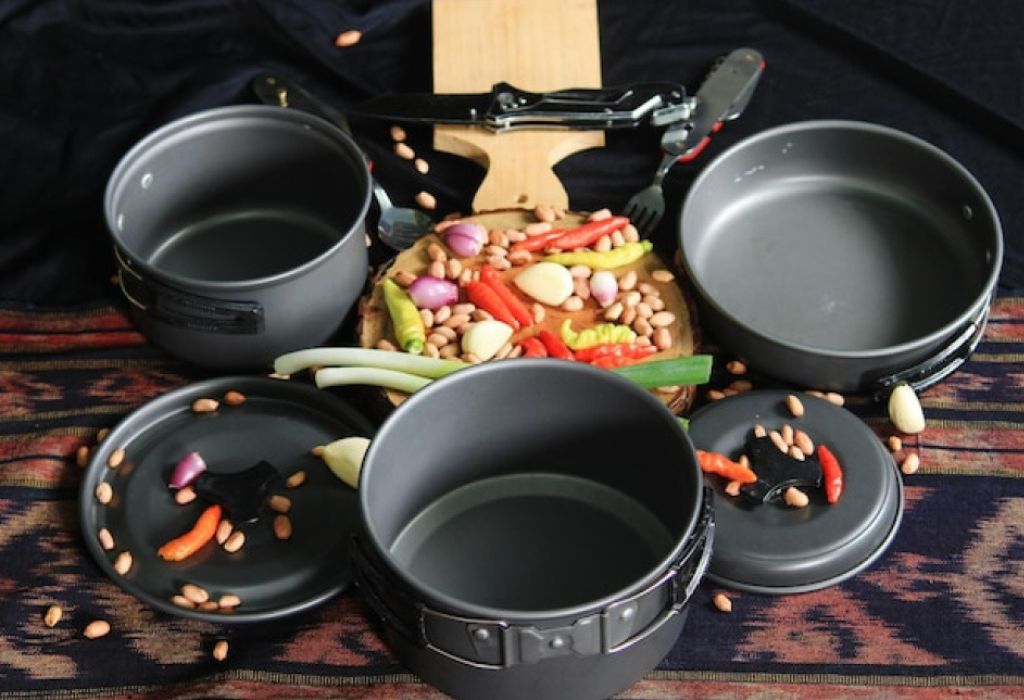
Nonstick cookware containing PFAS poses potential health concerns when chemicals migrate into food. Overheating pans, scratching the surface, or prolonged use can release these substances, increasing the risk of exposure.
Scientific studies link PFAS exposure to hormone disruption, liver damage, and certain cancers (CDC, 2023). Even small, repeated doses over time can accumulate in the body, raising long-term health concerns.
In addition to personal health risks, PFAS contribute to environmental pollution. These chemicals are highly persistent, resisting breakdown and contaminating landfills, water sources, and wildlife. Their accumulation in ecosystems highlights the broader consequences of using PFAS-containing products.
Consumer awareness and research emphasize the importance of safe alternatives. Choosing cookware free from PFAS reduces chemical exposure in daily cooking and helps protect both health and the environment.
Proper handling and careful selection of cookware materials play a key role in minimizing risks. Awareness of the dangers allows consumers to make informed choices that balance convenience with safety.
Safe Usage Tips for Nonstick Cookware
Using nonstick cookware safely can significantly reduce exposure to PFAS. Avoid overheating pans, as temperatures above 500°F can break down coatings and release harmful fumes.
Always ensure proper kitchen ventilation when cooking with nonstick surfaces. Open windows or use exhaust fans to help disperse any potential airborne chemicals.
Inspect pans regularly for scratches, chips, or wear in the nonstick coating. Damaged surfaces are more likely to release PFAS into food, so replacing worn cookware is essential.
Choose utensils carefully to protect the coating. Wooden, silicone, or plastic utensils prevent scratches, extending the lifespan of the pan and reducing chemical release.
Cooking at moderate temperatures, maintaining the pan, and selecting high-quality nonstick or PFAS-free alternatives ensures safer daily use. These small adjustments help protect health while still enjoying the convenience of nonstick cookware.
Alternatives to PFAS-Containing Cookware
There are several safe and durable alternatives to traditional nonstick pans that contain PFAS. Cast iron cookware is naturally nonstick when properly seasoned and provides long-term durability without chemical coatings.
Stainless steel pans offer a non-reactive, chemical-free surface, ideal for a wide range of cooking tasks. They require proper preheating and oiling to prevent sticking but remain free from synthetic chemicals.
Carbon steel is another durable option, similar to cast iron but lighter in weight. It develops a natural nonstick surface over time with seasoning and proper use.
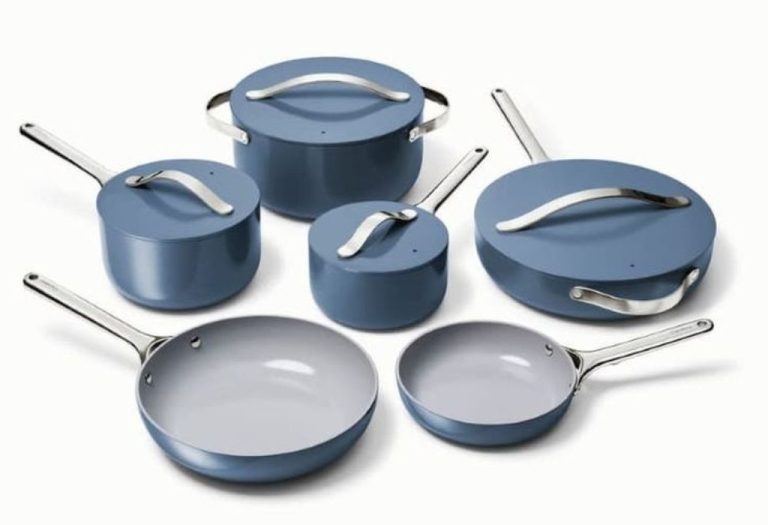
Ceramic-coated cookware provides nonstick convenience without PFAS, though the coating may wear out faster than traditional Teflon. Regular care and gentle cleaning extend its lifespan.
Choosing these alternatives allows for safer cooking while maintaining performance. By prioritizing PFAS-free materials, consumers can reduce chemical exposure and support healthier cooking practices.
Consumer Awareness and Regulatory Landscape
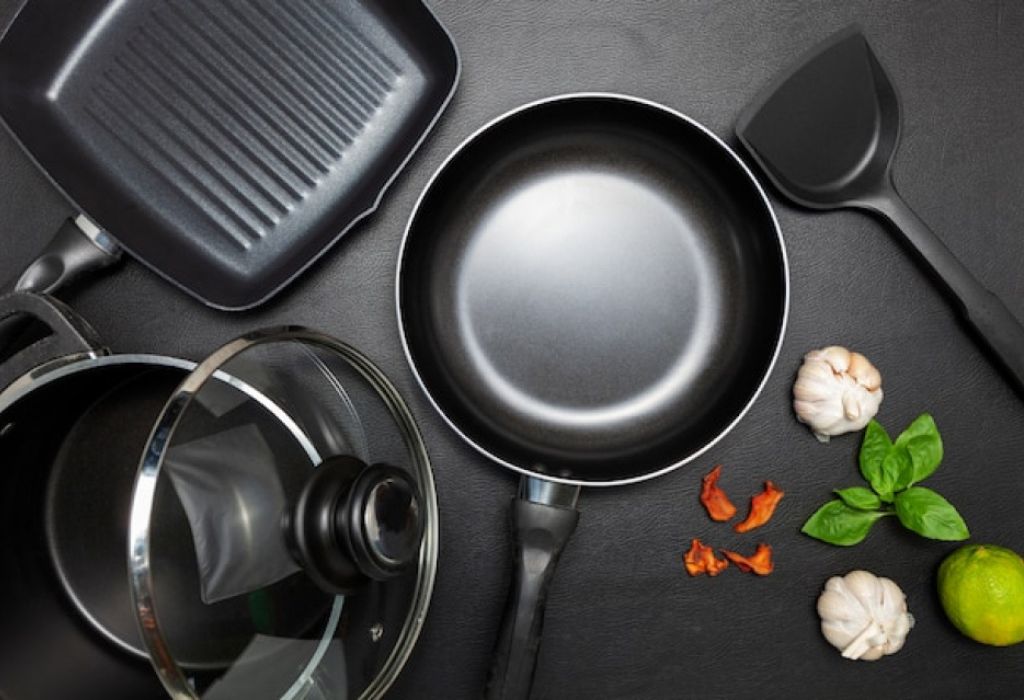
Consumer awareness of PFAS in cookware has grown significantly in recent years. More people are seeking safer kitchen products and researching labels to avoid harmful chemicals.
Regulatory actions are also shaping the cookware market. Some regions, including California and parts of Europe, have implemented stricter rules to limit or ban PFAS in consumer products (Washington Post, 2025).
These regulations aim to reduce both health risks and environmental contamination caused by persistent chemicals. Manufacturers are increasingly responding by offering PFAS-free alternatives and greater transparency about materials.
Future trends indicate stronger oversight and higher consumer expectations for safe, non-toxic cookware. Staying informed and choosing products from responsible brands empowers consumers to protect their health and the environment.
Conclusion
Understanding PFAS in nonstick cookware is essential for protecting both health and the environment. Not all nonstick pans contain these chemicals, but careful selection of PFAS-free alternatives can significantly reduce exposure.
Choosing materials like ceramic, cast iron, stainless steel, or carbon steel offers safe, durable, and effective cooking options. Checking labels, brand transparency, and certifications ensures cookware meets safety standards.
By making informed choices and maintaining cookware properly, daily cooking can remain convenient without compromising health. Prioritizing PFAS-free cookware is a practical step toward a safer, healthier kitchen environment.

I’m Emma J. Caldwell, the founder, lead writer, and home-cooking enthusiast behind KitchenGuideCo.com. With a background in culinary arts and over a decade of cooking experience in both professional and personal kitchens, I created this platform to demystify recipes, offer smart kitchen gadget reviews, and guide readers through meal prep with confidence and clarity.