Stainless steel cookware is a staple in both home and professional kitchens due to its durability, non-reactive surface, and versatility. Yet, many cooks wonder whether every stainless steel pan contains an aluminum core to improve heat distribution.
Aluminum cores are designed to enhance thermal conductivity, allowing stainless steel to heat evenly and prevent hot spots. However, not all cookware sets include this feature.
According to a 2023 cookware study, roughly 65% of premium stainless steel sets have aluminum or copper cores, while basic models often rely solely on layered stainless steel (source).
Curiosity arises about how aluminum cores affect cooking performance, safety, and long-term durability. Home cooks and professional chefs alike seek to understand whether investing in aluminum-core cookware is necessary for efficient and consistent results.
What Is Stainless Steel Cookware?
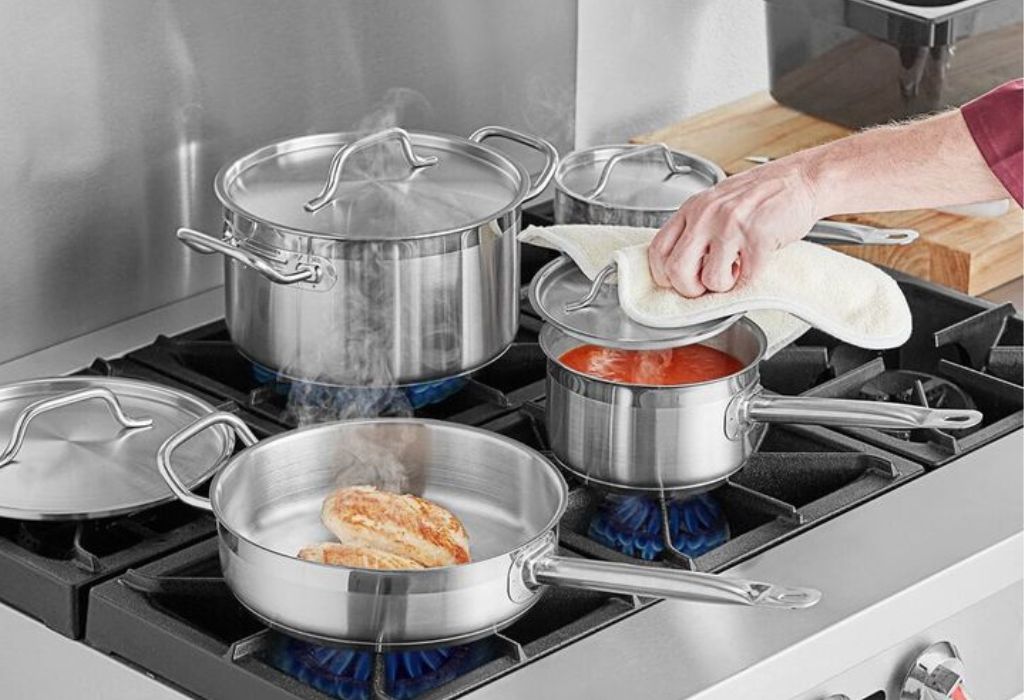
Stainless steel cookware is crafted from an alloy of steel containing chromium, and often nickel, which provides corrosion resistance and a non-reactive cooking surface. This makes it ideal for cooking acidic ingredients like tomatoes or citrus without affecting flavor or color.
While stainless steel is durable and resistant to rust, it does not conduct heat as efficiently as other metals like aluminum or copper.
As a result, some stainless steel cookware incorporates aluminum or copper cores to improve heat distribution and cooking performance.
The versatility of stainless steel allows it to be used for a wide range of cooking techniques, including sautéing, boiling, simmering, and searing. Its durable surface can withstand frequent use in both professional and home kitchens, making it a reliable and long-lasting choice.
High-quality stainless steel cookware often features multiple layers, sometimes referred to as “clad” construction, where a conductive core is sandwiched between stainless steel layers. This design maximizes even heating while retaining the non-reactive, easy-to-clean properties of stainless steel.
In summary, stainless steel cookware offers strength, corrosion resistance, and versatility. Its combination of durability and compatibility with a variety of cooking techniques explains why it remains a preferred choice in kitchens worldwide, while additional conductive cores enhance its performance for precise and efficient cooking.
The Role of Aluminum Cores in Stainless Steel Cookware
Aluminum cores are incorporated into stainless steel cookware to improve thermal conductivity. Stainless steel alone is not an efficient conductor of heat, which can lead to uneven cooking and hot spots, especially when preparing delicate dishes.
By sandwiching an aluminum core between stainless steel layers, heat is distributed more evenly across the pan. This design ensures that food cooks consistently and reduces the likelihood of burning or uneven browning, which is particularly valuable in high-volume or professional kitchens.
Aluminum cores also allow cookware to respond quickly to changes in heat. This provides greater control for precise cooking tasks such as searing, sautéing, or simmering sauces, giving chefs the ability to adjust temperatures rapidly without sacrificing performance.
In addition, aluminum cores are typically encapsulated within stainless steel layers, preventing direct contact with food. This maintains the non-reactive nature of stainless steel while harnessing the heat-conducting benefits of aluminum safely.
Overall, aluminum cores enhance the efficiency, precision, and performance of stainless steel cookware. Understanding their role helps cooks and chefs select pans that deliver optimal heat distribution, cooking control, and reliability in the kitchen.
Do All Stainless Steel Cookware Sets Include Aluminum Cores?
Not all stainless steel cookware sets come with an aluminum core. Budget-friendly or basic single-layer pans often rely solely on stainless steel, which provides durability but heats less efficiently.
Premium or professional-grade cookware frequently incorporates aluminum or copper cores to enhance thermal conductivity and ensure even cooking. These cores are especially valued in commercial kitchens or by home cooks who require precise temperature control.
The presence of an aluminum core directly affects cooking performance. Pans without a conductive core may develop hot spots, cook unevenly, and require longer heating times, whereas aluminum-core cookware distributes heat consistently across the cooking surface.
Consumers should review product specifications or packaging to confirm whether a cookware set includes an aluminum core.
Simply relying on brand reputation or marketing claims can lead to assumptions that not all manufacturers meet, making verification essential for informed purchasing decisions.
In summary, aluminum cores are common in high-quality stainless steel cookware but not universal. Understanding which sets include cores helps home cooks and professional chefs select cookware that meets their performance and efficiency needs.
Benefits of Aluminum-Core Stainless Steel Cookware
Aluminum-core stainless steel cookware combines the durability of stainless steel with the excellent heat conductivity of aluminum. This hybrid design ensures even heat distribution, preventing hot spots and allowing food to cook consistently across the entire surface.
The inclusion of an aluminum core also reduces cooking time. Rapid heat conduction allows pans to reach desired temperatures quickly and maintain steady heat, which is particularly useful for delicate sauces, sautéing, and searing.
Another significant benefit is energy efficiency. Because aluminum heats quickly and spreads heat evenly, less energy is required to achieve consistent cooking, making it ideal for both professional kitchens and home cooking.
Encapsulated aluminum cores maintain the non-reactive properties of stainless steel. This ensures that food does not come into contact with the aluminum directly, preserving flavor and preventing chemical reactions with acidic ingredients.
Overall, aluminum-core stainless steel cookware offers precision, efficiency, and durability. These benefits make it a practical choice for cooks who want reliable performance, even heat, and energy-efficient cooking in any kitchen environment.
Potential Drawbacks of Aluminum-Core Stainless Steel Cookware
While aluminum-core stainless steel cookware offers many advantages, there are some limitations to consider. One drawback is the slightly higher cost compared to single-layer stainless steel, which can be a factor for budget-conscious consumers.
Improperly constructed pans may experience warping over time, especially if exposed to extreme heat or thermal shock. Lower-quality non-stick or anodized coatings can degrade with frequent use, reducing durability and cooking efficiency.
Another consideration is weight. Aluminum-core pans are typically heavier than single-layer aluminum pans, although they remain lighter than cast iron, which can affect handling during extended cooking sessions.
Additionally, not all aluminum-core cookware is created equal. Variations in core thickness, quality, and bonding can influence heat distribution, performance, and longevity, emphasizing the importance of selecting reputable brands and high-quality construction.
In summary, potential drawbacks include cost, weight, coating durability, and performance variability. Being aware of these limitations allows cooks to make informed decisions, ensuring they select aluminum-core stainless steel cookware that meets both their cooking needs and budget.
Expert Recommendations for Choosing Aluminum-Core Stainless Steel Cookware
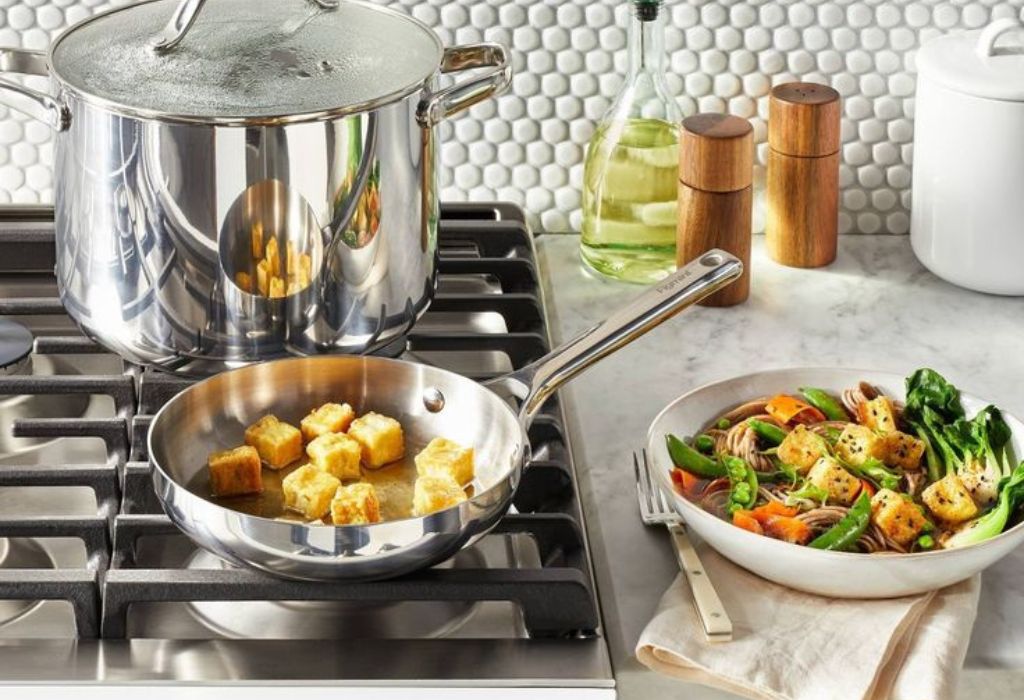
Chefs and kitchen experts recommend selecting high-quality aluminum-core stainless steel cookware for consistent performance and durability. Pans with thick, well-bonded cores ensure even heat distribution and minimize the risk of warping under high temperatures.
Experts advise verifying product specifications to confirm the presence of an aluminum core, especially when purchasing budget or mid-range sets. Simply assuming that all stainless steel pans contain a core can lead to disappointment in cooking performance.
Coatings, such as anodized or non-stick layers, are also recommended to enhance durability and prevent sticking. Properly maintained coatings preserve the cookware’s efficiency and protect the stainless steel surface from scratches or corrosion.
Additionally, professionals suggest considering handle design, weight, and ergonomics. Comfortable, securely attached handles improve safety and ease of use, particularly during high-volume cooking or when handling heavy pans.
In summary, experts emphasize quality, core verification, durable coatings, and thoughtful design when selecting aluminum-core stainless steel cookware. Following these guidelines ensures reliable heat performance, longevity, and optimal cooking results in both home and professional kitchens.
Does all stainless steel cookware have an aluminum core?
No, not all stainless steel cookware has an aluminum core. Basic models are made entirely from stainless steel, while high-quality ones feature aluminum or copper cores for better heat distribution.
Why do some stainless steel pans include an aluminum core?
Because stainless steel by itself doesn’t conduct heat efficiently. The aluminum core helps distribute heat evenly across the pan, preventing hot spots.
What is an aluminum core in stainless steel cookware?
It’s a layer of aluminum sandwiched between two layers of stainless steel. This design combines aluminum’s heat efficiency with the durability of stainless steel.
Does the aluminum core touch food?
No, the aluminum is completely sealed inside stainless steel layers, so it never comes into contact with your food.
Is aluminum in stainless steel cookware safe?
Yes, it’s completely safe. Since the aluminum is enclosed, there’s no risk of metal leaching or chemical reactions with food.
How can I tell if my stainless steel cookware has an aluminum core?
Check the label or product description—terms like “tri-ply,” “5-ply,” or “multi-clad” indicate that the cookware contains an aluminum or copper core.
Is stainless steel cookware with aluminum better than pure stainless steel?
Yes. The aluminum core improves heat conduction, making it faster and more consistent for cooking compared to plain stainless steel pans.
Does aluminum-core stainless steel work on induction stoves?
Yes, as long as the outer layer is made from magnetic stainless steel. Most modern multi-ply cookware is induction compatible.
Can aluminum-core stainless steel cookware warp?
It’s very resistant to warping. Thick, bonded layers ensure durability and stability even under high cooking temperatures.
What are the benefits of stainless steel cookware with an aluminum core?
It heats quickly, cooks evenly, prevents food reactions, and lasts for years—offering both safety and professional-grade cooking performance.
Conclusion
Not all stainless steel cookware contains an aluminum core. While many premium and professional-grade sets include aluminum for even heat distribution, budget-friendly or basic pans often rely solely on stainless steel.
Aluminum cores enhance cooking performance by promoting uniform heating, reducing hot spots, and improving energy efficiency. Encapsulated cores maintain the non-reactive properties of stainless steel, ensuring food safety and preserving flavors.
Potential drawbacks include higher cost, increased weight compared to single-layer aluminum, and variability in core quality. Awareness of these limitations helps cooks and chefs make informed purchasing decisions.
Experts recommend choosing high-quality aluminum-core stainless steel cookware with well-bonded cores, durable coatings, and ergonomic designs. Proper selection and maintenance ensure reliable, efficient, and safe cooking for both home and professional kitchens.
Ultimately, understanding whether a pan has an aluminum core and evaluating its quality allows cooks to enjoy consistent, precise, and efficient cooking performance.

I’m Emma J. Caldwell, the founder, lead writer, and home-cooking enthusiast behind KitchenGuideCo.com. With a background in culinary arts and over a decade of cooking experience in both professional and personal kitchens, I created this platform to demystify recipes, offer smart kitchen gadget reviews, and guide readers through meal prep with confidence and clarity.