Aluminum cookware is a staple in kitchens worldwide, prized for its lightweight design, affordability, and efficient heat conduction. Yet, longstanding concerns link aluminum exposure to Alzheimer’s disease, leaving many home cooks uncertain about the safety of these pans.
The debate intensified after early studies in the 1960s and 1970s detected elevated aluminum levels in the brains of some Alzheimer’s patients.
Although the research was limited, it sparked widespread curiosity and concern, prompting consumers to question whether daily use of aluminum cookware could pose a real risk (source).
Understanding the science behind these claims is essential for separating myths from evidence-based facts. While some headlines suggest danger, modern research and expert analysis provide a more nuanced view of aluminum exposure and neurological health.
What Is Aluminum Cookware?

Aluminum cookware is made primarily from aluminum metal, prized for its lightweight construction and exceptional heat conductivity. It allows food to heat quickly and evenly, making it a popular choice in both home and commercial kitchens.
Many aluminum pans feature anodized or non-stick coatings that enhance durability and prevent food from sticking. These coatings also reduce the likelihood of aluminum leaching into food, particularly when cooking acidic ingredients like tomatoes or citrus.
The versatility of aluminum cookware extends to frying, sautéing, boiling, and simmering, allowing cooks to prepare a wide range of dishes efficiently. Its affordability and ease of handling make it accessible for everyday cooking while maintaining consistent performance.
Understanding the composition and characteristics of aluminum cookware provides essential context for evaluating concerns about potential health risks. Properly coated or anodized aluminum minimizes exposure to the metal, allowing safe use in typical culinary applications.
In summary, aluminum cookware is lightweight, heats rapidly, and is widely used for its efficiency and convenience. Coatings further enhance its safety and performance, making it a practical choice for most cooking needs.
The Aluminum and Alzheimer’s Hypothesis
Concerns about aluminum cookware and Alzheimer’s disease date back to the 1960s and 1970s, when researchers observed elevated aluminum levels in the brains of some Alzheimer’s patients.
These early findings sparked widespread public concern and speculation about the potential risks of everyday aluminum exposure.
The hypothesis suggests that accumulated aluminum in the body could contribute to neurodegenerative changes, potentially influencing the development of Alzheimer’s. However, subsequent research has questioned the strength and causality of this link, with many studies failing to find a direct connection.
Experts emphasize that typical household exposure to aluminum through cookware, food, or water is minimal compared to the levels used in experimental studies.
The Alzheimer’s Association and other scientific organizations report that common cooking practices do not pose a significant risk of developing Alzheimer’s (source).
Despite the media attention and lingering myths, modern research suggests that aluminum is unlikely to be a primary cause of Alzheimer’s.
Understanding the difference between experimental exposure and real-world use is essential for evaluating the safety of aluminum cookware.
In summary, the aluminum-Alzheimer’s hypothesis originated from early observational studies but has not been conclusively proven. Normal use of aluminum cookware, especially when anodized or coated, appears safe and does not significantly contribute to Alzheimer’s risk.
Scientific Studies on Aluminum Exposure
Multiple scientific studies have examined the potential relationship between aluminum exposure and Alzheimer’s disease. Research has focused on dietary intake, drinking water, occupational exposure, and cookware use to evaluate whether aluminum contributes to cognitive decline.
Systematic reviews conducted by organizations such as the World Health Organization and the Alzheimer’s Association indicate that everyday exposure to aluminum from cookware and food does not significantly increase the risk of Alzheimer’s.
Most studies emphasize that normal household use is well below levels associated with neurotoxicity.
High-dose occupational exposure to aluminum dust or industrial settings may pose neurological risks, but these conditions are vastly different from typical culinary use. Encapsulated aluminum, such as anodized or coated cookware, further limits metal leaching into food.
Long-term observational studies have failed to demonstrate a consistent causal link between aluminum exposure from cookware and Alzheimer’s incidence. The evidence supports the conclusion that typical cooking practices are safe, with minimal aluminum transfer.
In summary, scientific studies show that normal exposure to aluminum from cookware is unlikely to contribute to Alzheimer’s disease. Coated or anodized pans provide additional protection, ensuring safe and reliable use in daily cooking.
Expert Opinions
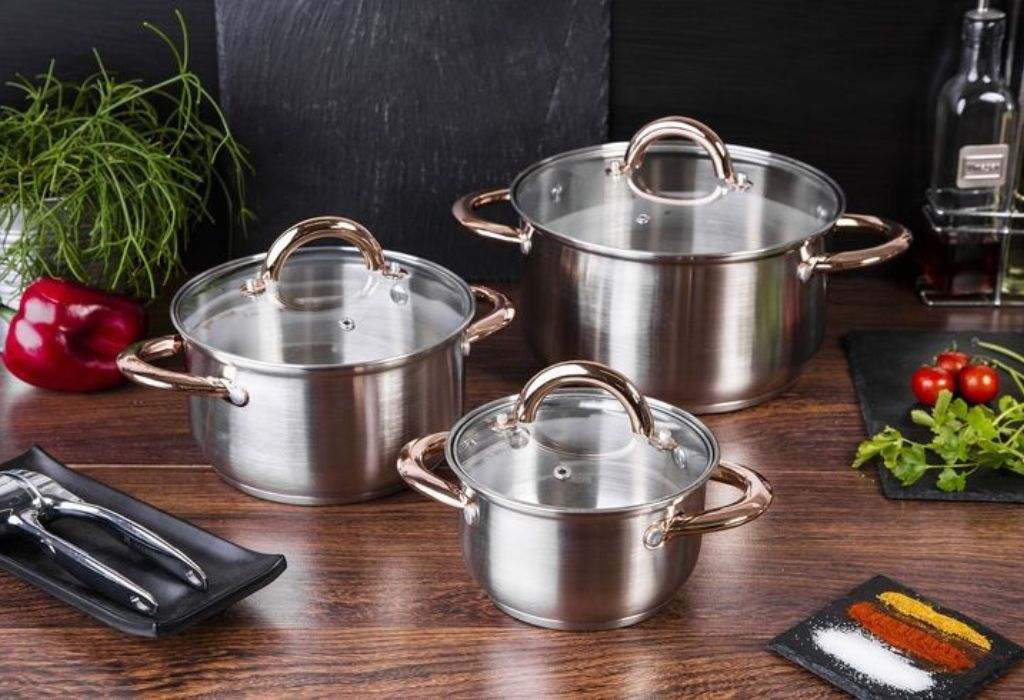
Neurologists, toxicologists, and cookware experts generally agree that normal aluminum exposure from cookware is not a proven cause of Alzheimer’s disease. Most specialists emphasize that age, genetics, and lifestyle factors play a far more significant role in cognitive decline.
Experts highlight the importance of using anodized or coated aluminum pans. These coatings prevent direct contact between food and aluminum, minimizing any potential metal leaching and ensuring safe cooking practices.
Health authorities, including the Alzheimer’s Association and World Health Organization, support the view that typical dietary or cookware-related aluminum exposure poses minimal risk.
They recommend focusing on proven preventive measures, such as a balanced diet, physical activity, and mental stimulation, rather than avoiding aluminum cookware unnecessarily (source).
Cookware professionals also stress proper maintenance. Avoiding scratches, overheating, and abrasive cleaning helps preserve protective coatings, further reducing any hypothetical exposure to aluminum.
In summary, expert consensus indicates that aluminum cookware, when used correctly, is safe and unlikely to contribute to Alzheimer’s disease. Proper selection, usage, and maintenance of cookware provide both efficiency and peace of mind in everyday cooking.
Safe Use Tips for Aluminum Cookware
Using aluminum cookware safely is simple when proper precautions are followed. Opting for anodized or non-stick coated pans ensures that food does not come into direct contact with the aluminum surface, reducing any potential leaching.
Avoid overheating empty pans, as extreme temperatures may degrade coatings or increase minor metal transfer. Cooking acidic foods, such as tomatoes or citrus, in coated pans further minimizes any hypothetical exposure.
Proper cleaning techniques also extend the lifespan and safety of aluminum cookware. Use mild detergents, soft sponges, and avoid abrasive scrubbing that can damage protective layers.
Additionally, storing pans correctly prevents scratches and maintains coating integrity. Stacking with protective padding or using dedicated storage spaces ensures longevity and preserves safety features.
By following these guidelines, home cooks can continue using aluminum cookware with confidence. These practical measures help maintain cookware efficiency, durability, and safety while addressing concerns about potential health risks.
Aluminum Exposure from Other Sources
While cookware is often cited in discussions about aluminum and Alzheimer’s, it is important to consider other sources of aluminum exposure.
Aluminum is naturally present in the environment, including soil, water, and food, and it is also commonly found in processed foods, baking powder, and some medications such as antacids.
Dietary intake contributes the largest portion of everyday aluminum exposure for most individuals.
According to the World Health Organization, the average adult consumes approximately 1 to 10 mg of aluminum daily from food and beverages, which is considered safe and well below established tolerable intake levels (source).
Occupational exposure is another scenario where aluminum can accumulate in the body, but this is mostly relevant in industrial settings such as aluminum smelting or mining, far exceeding typical household levels.
For consumers, this highlights that everyday cooking with aluminum pans represents a minimal risk compared to other environmental or occupational exposures.
Experts also point out that the body efficiently processes and excretes small amounts of aluminum ingested through normal dietary sources.
Kidneys play a key role in eliminating excess aluminum, further reducing the likelihood that typical exposure from cookware would contribute to neurological disease.
Understanding the broader context of aluminum exposure helps clarify the relative risk from cookware use.
While it is natural to be cautious, everyday use of anodized or coated aluminum pans constitutes only a minor portion of total aluminum intake and does not significantly increase Alzheimer’s risk.
In summary, aluminum exposure from food, water, and medications generally exceeds that from cookware.
Properly maintained and coated aluminum pans are safe for everyday cooking, and scientific evidence indicates that household use does not pose a measurable threat to cognitive health.
Myths vs Facts

Many claims linking aluminum cookware to Alzheimer’s disease are based on outdated or misinterpreted studies. Early observational research suggested a potential connection, but modern scientific reviews do not support a causal relationship.
A common myth is that any exposure to aluminum in cookware can significantly increase Alzheimer’s risk. In reality, daily use of anodized or coated aluminum pans results in minimal metal transfer, well below levels considered harmful by health authorities.
Another misconception is that aluminum accumulates in the brain from cooking. Studies show that typical dietary exposure does not significantly contribute to aluminum levels in the body, and other risk factors, including age and genetics, are far more relevant.
Fact-based guidance emphasizes that coated or anodized aluminum cookware is safe for everyday cooking. Adhering to safe use practices, such as moderate heat and proper cleaning, further mitigates any hypothetical risk.
In summary, separating myths from facts allows home cooks to use aluminum cookware confidently. Scientific evidence, expert consensus, and practical precautions confirm that aluminum pans are not a significant factor in Alzheimer’s disease development.
Does aluminum cookware cause Alzheimer’s disease?
No, there is no conclusive scientific evidence that using aluminum cookware causes Alzheimer’s disease. Current research shows only a weak and unproven link between aluminum exposure and the condition.
Where did the idea that aluminum causes Alzheimer’s come from?
The theory began in the 1960s and 1970s when researchers found traces of aluminum in the brains of Alzheimer’s patients. However, later studies could not confirm aluminum as a cause of the disease.
Does cooking with aluminum increase aluminum in the body?
Cooking in uncoated aluminum cookware may cause tiny amounts of aluminum to leach into food, especially with acidic or salty dishes—but the amount is far below harmful levels.
How much aluminum exposure is considered safe?
According to the World Health Organization (WHO), adults can safely consume up to 50 mg of aluminum per day without health risks. Cooking typically contributes only a fraction of that amount.
Can aluminum accumulate in the brain?
In theory, trace amounts can accumulate over time, but the body naturally eliminates most aluminum through the kidneys. There’s no proof that normal cookware use leads to dangerous buildup.
Is anodized aluminum cookware safer?
Yes, anodized aluminum cookware is completely safe. The anodizing process seals the surface, preventing any aluminum from leaching into food.
Are there studies proving aluminum causes Alzheimer’s?
No, major organizations like the Alzheimer’s Association and the FDA state that scientific evidence does not support aluminum cookware as a cause of Alzheimer’s disease.
Does aluminum in food or water pose health risks?
Everyday exposure through food, water, and cookware is minimal and not harmful. The human body efficiently processes and eliminates small amounts of aluminum.
Should I stop using aluminum cookware to be safe?
Not necessary. If your cookware is anodized, coated, or well-maintained, it’s perfectly safe for everyday cooking. Avoid using old, pitted, or uncoated aluminum pans for acidic foods.
What’s the scientific consensus on aluminum and Alzheimer’s?
Experts agree that aluminum exposure from cookware or diet does not cause Alzheimer’s. The disease is linked to complex genetic, environmental, and lifestyle factors—not aluminum cookware.
Conclusion
Current scientific evidence indicates that aluminum cookware does not cause Alzheimer’s disease at normal household exposure levels. Coated or anodized pans further reduce minimal aluminum transfer, ensuring safe everyday use.
Aluminum exposure from cookware is far less significant than other established risk factors, including age, genetics, and lifestyle habits. Proper cookware selection, careful heating, and routine maintenance help preserve both safety and cooking performance.
Experts agree that using aluminum cookware responsibly allows home cooks to benefit from its lightweight design, fast heating, and affordability without compromising health. Awareness of myths and reliance on evidence-based guidance empowers consumers to make informed decisions in the kitchen.
Ultimately, aluminum cookware is a practical, safe, and efficient tool for everyday cooking. Following recommended usage practices ensures reliable performance while minimizing hypothetical risks associated with aluminum exposure.

I’m Emma J. Caldwell, the founder, lead writer, and home-cooking enthusiast behind KitchenGuideCo.com. With a background in culinary arts and over a decade of cooking experience in both professional and personal kitchens, I created this platform to demystify recipes, offer smart kitchen gadget reviews, and guide readers through meal prep with confidence and clarity.