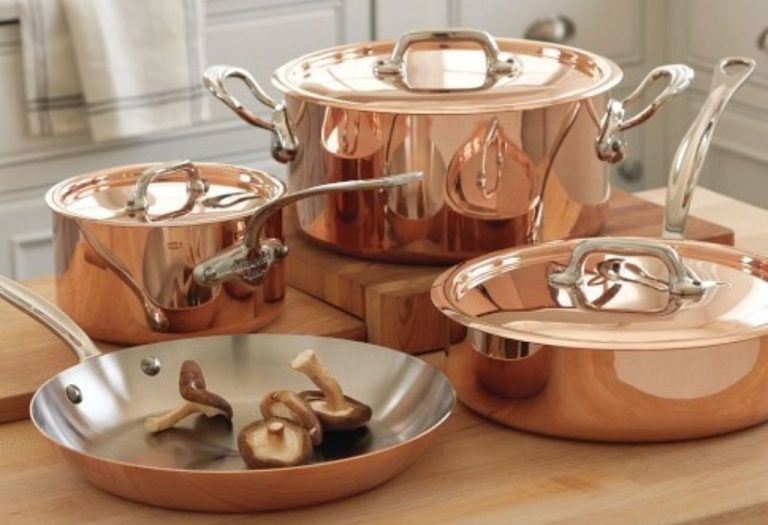
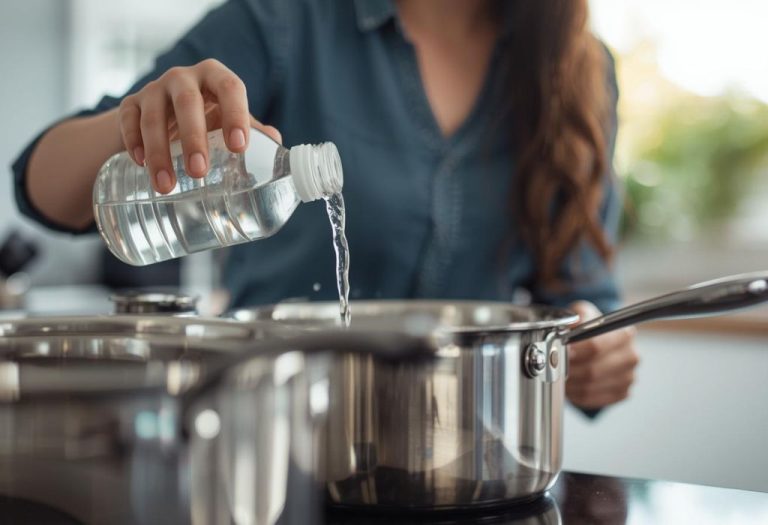
Aluminum cookware is a kitchen staple known for its lightweight design, rapid heat conduction, and affordability. Despite these benefits, many home cooks question whether it leaches aluminum into food, potentially posing health risks.
Concerns stem from early research suggesting that acidic foods like tomatoes or citrus could cause small amounts of aluminum to migrate from pans into meals.
According to the World Health Organization, typical dietary aluminum intake is safe for adults, yet understanding exposure from cookware is important (source).
Separating myths from scientific evidence is critical for informed cooking decisions. Modern studies and expert analyses indicate that anodized and coated aluminum cookware minimizes leaching, making everyday use generally safe.
What Is Aluminum Cookware?
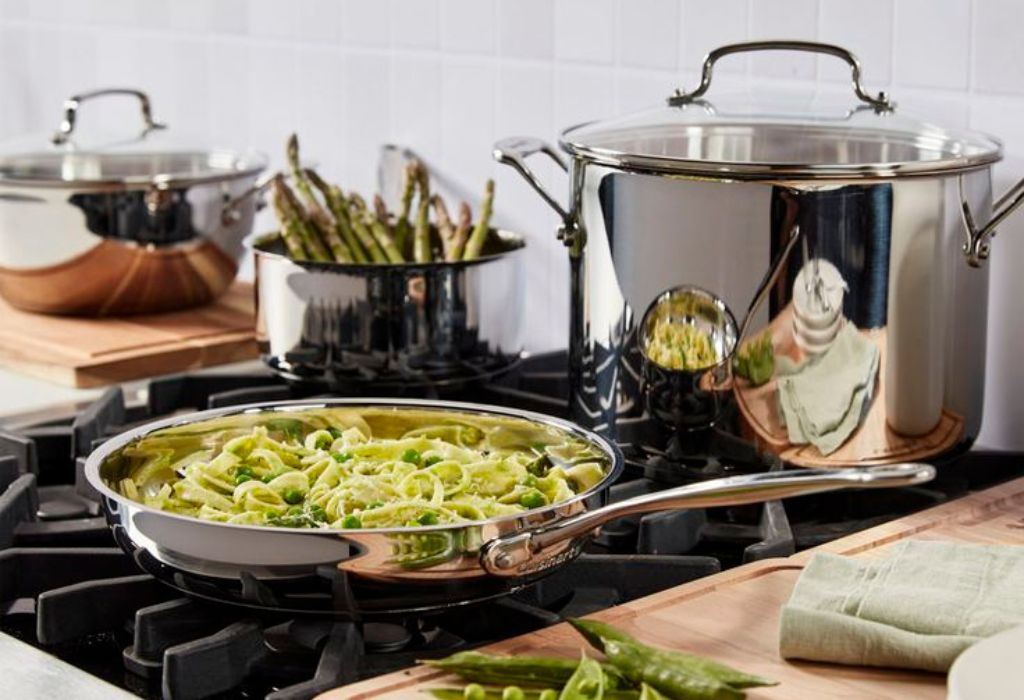
Aluminum cookware is primarily made from aluminum metal, valued for its lightweight nature and excellent heat conductivity. These characteristics allow food to cook quickly and evenly, making aluminum pans popular in both home and commercial kitchens.
Many aluminum pans are anodized or coated with non-stick surfaces, which enhance durability and prevent food from sticking.
These coatings also limit direct contact between aluminum and food, which is particularly important when cooking acidic ingredients like tomatoes, citrus, or vinegar-based dishes.
The versatility of aluminum cookware makes it suitable for frying, sautéing, boiling, and simmering, providing cooks with efficient performance for a wide variety of dishes.
Its affordability, combined with ease of handling, contributes to its widespread use, allowing consistent cooking results across different culinary applications.
Understanding the composition and features of aluminum cookware is essential when evaluating potential health concerns. Coated or anodized pans minimize aluminum exposure and allow safe, everyday use while maintaining cooking efficiency.
In summary, aluminum cookware is lightweight, conducts heat efficiently, and is widely utilized for its convenience and performance. Protective coatings further enhance safety, making aluminum a practical and reliable choice for most cooking needs.
How Aluminum Leaches Into Food
Aluminum can leach into food under specific conditions, particularly when cooking acidic or salty dishes in uncoated pans. The extent of leaching is influenced by cooking time, temperature, and the condition of the cookware.
Modern anodized or non-stick aluminum cookware significantly reduces metal transfer. These protective coatings form a barrier between the aluminum and food, ensuring that even acidic dishes are cooked safely.
Long-term use and improper maintenance, such as overheating empty pans or scratching the surface, can slightly increase aluminum leaching. However, the levels transferred to food in normal household use remain far below thresholds considered harmful by health authorities.
Regulatory organizations, including the World Health Organization and U.S. Food and Drug Administration, confirm that aluminum exposure from coated cookware is negligible. Maintaining coatings and following recommended cooking practices ensures minimal exposure and safe use in everyday kitchens.
In summary, aluminum leaches into food only under specific circumstances, and proper cookware selection and maintenance effectively mitigate this risk. Coated and anodized aluminum pans allow safe, efficient, and worry-free cooking while preserving the benefits of aluminum cookware.
Scientific Studies on Aluminum Leaching and Health
Multiple studies have investigated whether aluminum from cookware leaches into food and poses health risks. Research consistently indicates that anodized or coated aluminum cookware releases minimal amounts of metal, far below levels associated with toxicity.
Long-term observational studies tracking populations exposed to dietary aluminum have not demonstrated consistent adverse health effects. Household use of properly coated cookware is considered safe, even when cooking acidic foods over extended periods.
Health authorities, including the World Health Organization and the U.S. Food and Drug Administration, classify typical household exposure as negligible and safe for adults (source). Occupational exposure in industrial environments is significantly higher than what is experienced in home cooking.
The human body efficiently processes and excretes small amounts of aluminum, primarily via the kidneys, further minimizing the potential for accumulation from cookware. This natural elimination mechanism helps ensure that everyday aluminum exposure does not pose significant health risks.
In summary, scientific evidence confirms that aluminum leaching from cookware is minimal and unlikely to affect health. Using anodized or non-stick pans ensures safe, efficient cooking while addressing consumer concerns about metal exposure.
Expert Opinions
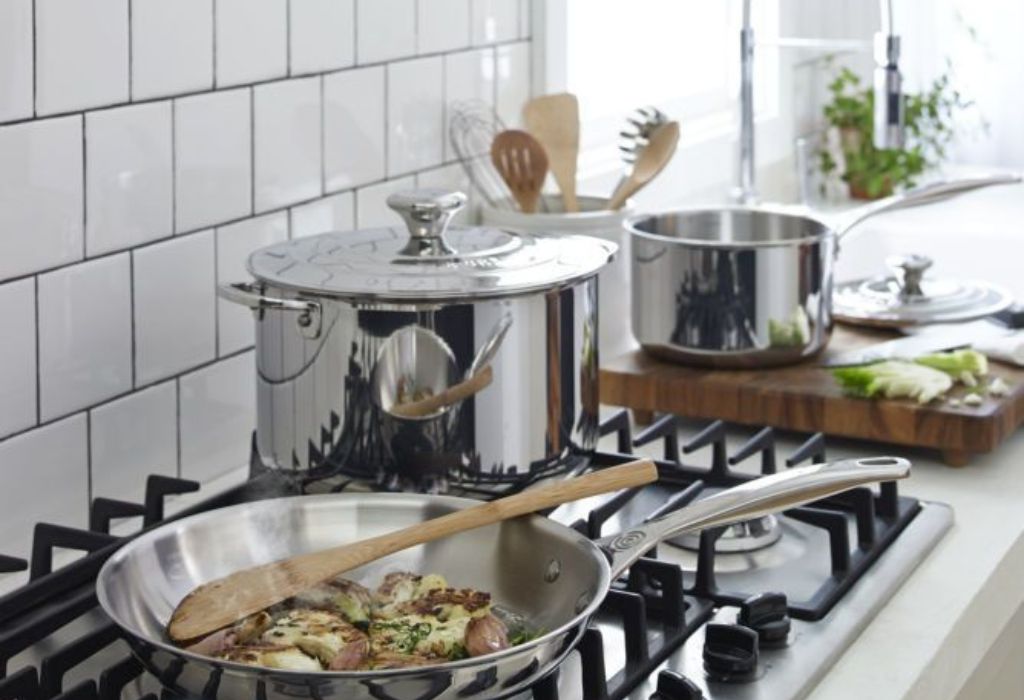
Health experts, including toxicologists and cookware specialists, generally agree that normal use of aluminum cookware does not pose significant health risks. Age, genetics, and lifestyle are far more influential factors for long-term health than typical aluminum exposure from kitchen utensils.
Experts recommend using anodized or non-stick coated aluminum cookware to prevent direct food contact with metal. Proper maintenance, such as avoiding overheating, scratching, or abrasive cleaning, helps preserve protective coatings and further reduces any potential exposure.
Regulatory authorities, including the World Health Organization and the Alzheimer’s Association, confirm that typical household aluminum cookware use is safe.
Professionals also advise focusing on proven health strategies, such as a balanced diet, regular exercise, and mental stimulation, rather than worrying about minimal aluminum exposure (source).
Professional chefs note that aluminum cookware provides practical benefits, including lightweight design, rapid heat distribution, and durability, making it a reliable tool in everyday cooking. Awareness of proper handling ensures safe use while maintaining efficiency and performance.
In summary, expert consensus supports that aluminum cookware is safe for routine use when standard precautions are followed. Understanding coatings, heat management, and proper handling ensures worry-free, efficient cooking without compromising health.
Aluminum Exposure from Other Sources
While cookware often receives attention in discussions about aluminum and health, it is only one of many sources of exposure. Aluminum naturally occurs in the environment, including soil and water, and is commonly found in processed foods, baking powders, and certain medications such as antacids.
Dietary intake generally accounts for the largest portion of daily aluminum exposure. According to the World Health Organization, the average adult consumes roughly 1 to 10 mg of aluminum per day from food and beverages, which is considered well below levels associated with health risks (source).
Occupational exposure represents another potential source but is mostly relevant in industrial contexts such as aluminum smelting or mining, far exceeding the typical exposure from cookware. For most people, household use of aluminum pans contributes only a minor fraction to total aluminum intake.
The body efficiently processes and excretes small amounts of aluminum, primarily through the kidneys, further reducing the likelihood of accumulation and any associated health risks.
Understanding aluminum exposure in a broader context highlights the relatively minor contribution from cookware.
While it is reasonable to exercise caution, anodized or coated aluminum cookware adds negligible risk when used appropriately.
Home cooks can safely enjoy the benefits of aluminum cookware, including lightweight design, rapid heat conduction, and versatility, without undue concern for health effects.
In summary, aluminum exposure comes from multiple sources, with dietary intake often exceeding that from cookware. Properly maintained and coated aluminum pans remain safe for everyday cooking, and scientific evidence confirms that typical household use does not significantly impact health.
Safe Use Tips for Aluminum Cookware
To minimize aluminum exposure, use anodized or non-stick coated aluminum pans whenever possible. These coatings create a barrier that prevents direct contact between food and the metal.
Avoid overheating empty pans, as excessive heat can damage coatings and slightly increase metal leaching. Cooking acidic foods such as tomatoes or citrus in coated cookware further reduces potential aluminum transfer.
Proper cleaning helps maintain protective coatings and prolong pan lifespan. Use mild detergents, soft sponges, and avoid abrasive scrubbing to preserve the surface.
Correct storage practices, including stacking pans with protective padding or using designated pan holders, maintain coating integrity. Following these steps ensures cookware remains safe and functional for everyday use.
By following these practical guidelines, home cooks can enjoy the benefits of aluminum cookware—lightweight, fast-heating, and versatile—while minimizing any theoretical health risks.
Myths vs Facts
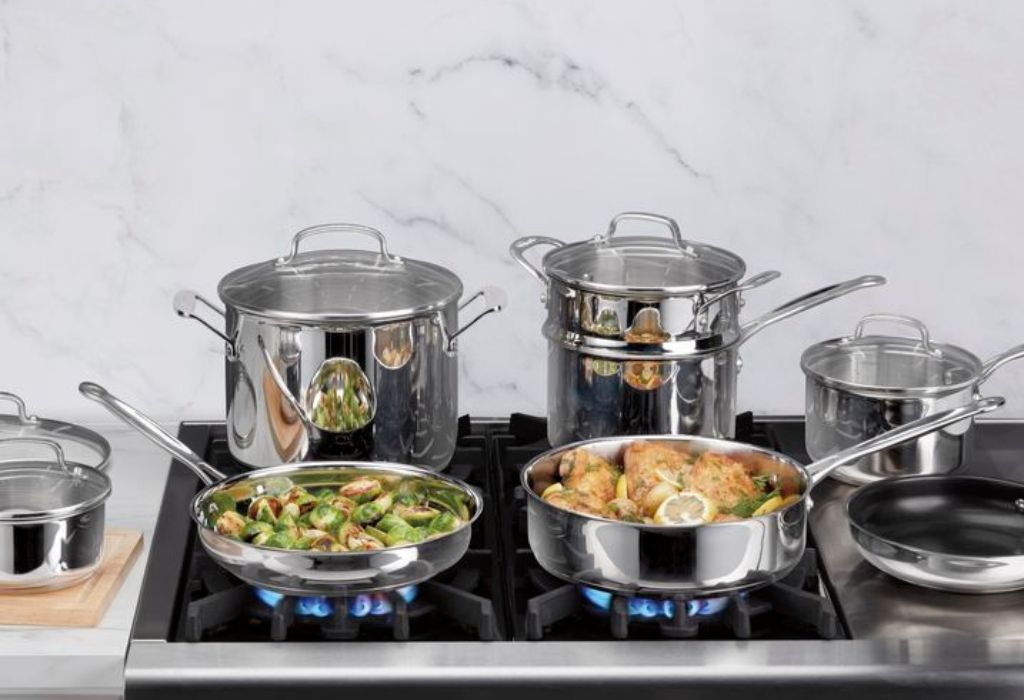
Many concerns about aluminum cookware leaching into food are based on outdated or misinterpreted studies. Early research suggested a potential link to health problems, but modern scientific evidence shows that typical cookware use is safe.
A common myth is that any contact with aluminum in pans significantly increases the risk of neurological issues. In reality, daily use of anodized or coated aluminum cookware results in minimal metal transfer, far below levels considered harmful by health authorities.
Another misconception is that aluminum accumulates in the body from normal cooking. Studies indicate that household cookware contributes only a tiny fraction of daily aluminum intake, and the body effectively eliminates small amounts through the kidneys.
Evidence-based guidance confirms that anodized or coated aluminum pans are safe for everyday use. Following proper cooking and maintenance practices ensures minimal exposure while allowing efficient and reliable cooking.
In summary, separating myths from facts empowers consumers to make informed decisions. Aluminum cookware, when used responsibly, poses no significant health risk, and practical precautions help maintain both safety and cooking performance.
Does aluminum cookware leach into food?
Yes, small amounts of aluminum can leach into food, especially when cooking acidic or salty dishes. However, these amounts are minimal and considered safe for human health.
Why does aluminum leach into food?
When acidic ingredients like tomatoes, vinegar, or citrus react with bare aluminum, the metal dissolves slightly and transfers tiny traces into the food.
Is the amount of aluminum that leaches harmful?
No, it’s not harmful. The World Health Organization (WHO) states that adults can safely consume up to 50 mg of aluminum per day—much more than what’s released during normal cooking.
Which foods cause more aluminum leaching?
Foods high in acid or salt, such as tomato sauces, lemon-based dishes, and pickled recipes, tend to increase aluminum transfer from cookware.
Does anodized aluminum cookware leach metal into food?
No, anodized aluminum cookware has a sealed, hardened surface that prevents metal from leaching, making it completely safe for cooking any type of food.
Can coated or nonstick aluminum pans leach aluminum?
No, coated or nonstick aluminum cookware is designed to prevent food from coming into direct contact with the metal, stopping any leaching.
Is it safe to store food in aluminum cookware?
It’s not recommended to store food—especially acidic or salty dishes—in aluminum cookware for long periods, as this increases the chance of leaching.
Can old or scratched aluminum cookware leach more aluminum?
Yes, heavily scratched or worn-out aluminum pans may leach slightly more metal, especially if uncoated. Replacing damaged cookware is best for safety.
Does aluminum leaching change the taste of food?
It can slightly alter the flavor of acidic dishes when cooked in uncoated aluminum pans, though the change is usually minimal and harmless.
How can I cook safely with aluminum cookware?
Use anodized or coated pans, avoid high heat with acidic foods, don’t store food in the cookware, and clean gently with mild soap to keep it safe and long-lasting.
Conclusion
Scientific evidence indicates that aluminum cookware, particularly when anodized or coated, does not leach harmful amounts of aluminum into food. Normal household use poses minimal health risk.
Other factors such as age, genetics, and lifestyle play a much larger role in long-term health than cookware exposure. Proper pan selection, careful heating, and routine maintenance ensure both safety and efficient cooking.
Experts agree that responsible use of aluminum cookware allows home cooks to benefit from its lightweight design, fast heat distribution, and versatility without compromising health. Awareness of myths versus evidence-based research empowers consumers to make informed decisions in the kitchen.
Ultimately, aluminum cookware is a practical and safe tool for daily cooking. Following recommended usage practices ensures consistent performance while minimizing any theoretical risk of health problems.

I’m Emma J. Caldwell, the founder, lead writer, and home-cooking enthusiast behind KitchenGuideCo.com. With a background in culinary arts and over a decade of cooking experience in both professional and personal kitchens, I created this platform to demystify recipes, offer smart kitchen gadget reviews, and guide readers through meal prep with confidence and clarity.