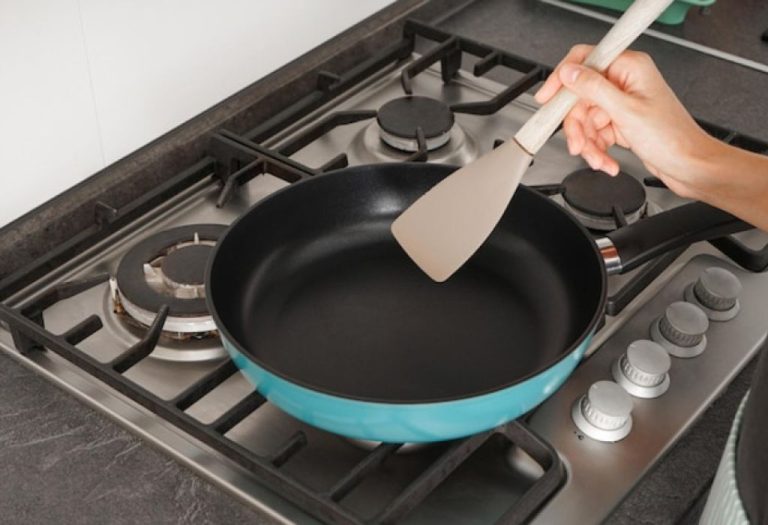
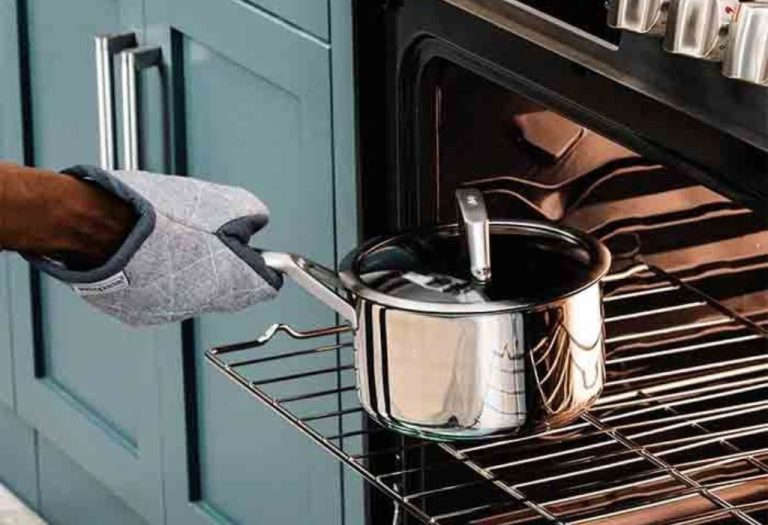
Caraway cookware has gained popularity for its sleek design, eco-friendly approach, and promise of non-toxic cooking. Despite these advantages, many consumers wonder whether Caraway pans contain aluminum and if that could affect health.
Questions about aluminum often stem from concerns over metal leaching into food. Studies show that aluminum exposure from cookware can be a consideration, but ceramic-coated layers significantly limit contact, making modern cookware safer for daily use (source).
Understanding the materials behind Caraway cookware is essential for making informed purchasing decisions. The brand emphasizes a ceramic non-stick coating over an aluminum core, combining efficient heat conduction with safety features.
What Materials Are Used in Caraway Cookware?
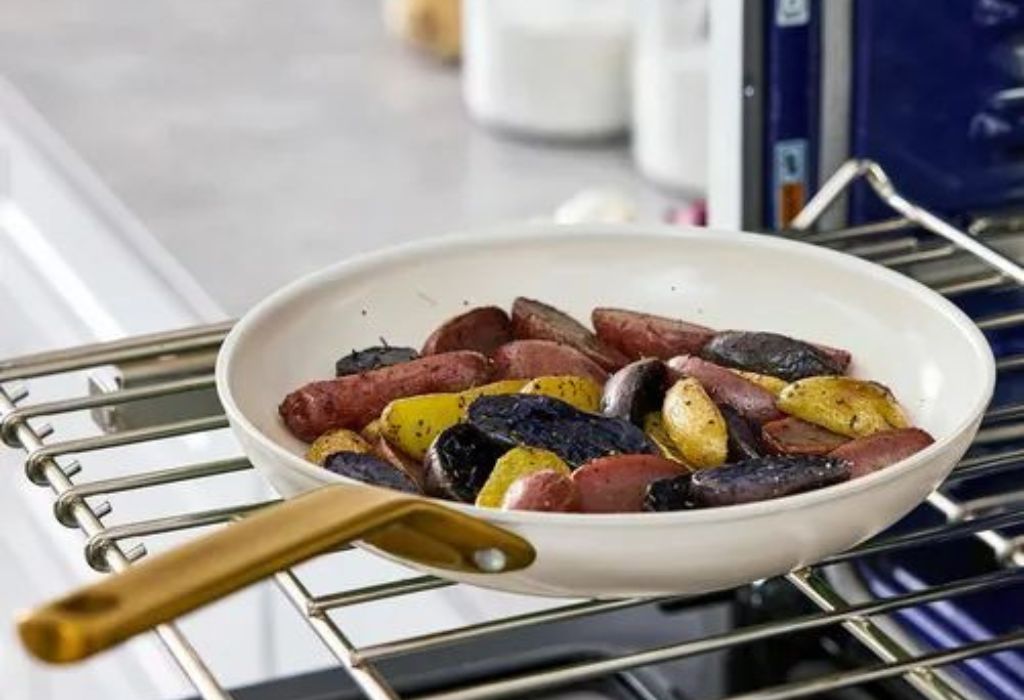
Caraway cookware is primarily built with a ceramic non-stick coating over an aluminum core. The aluminum core ensures rapid and even heat distribution, while the ceramic layer provides a non-toxic, PTFE- and PFOA-free surface for safe cooking.
Handles and other components are made from BPA-free, heat-resistant materials, contributing to the cookware’s eco-friendly and user-safe design. The combination of aluminum and ceramic allows Caraway to deliver efficient cooking performance without compromising safety.
This material composition ensures durability, lightweight handling, and excellent heat conduction. Unlike traditional uncoated aluminum pans, the ceramic layer prevents direct contact between food and metal, effectively minimizing potential aluminum exposure.
Caraway’s design also focuses on sustainable and non-toxic practices, including environmentally conscious production and packaging. Understanding the materials behind Caraway cookware provides essential context for evaluating both safety and performance benefits.
In summary, Caraway cookware blends an aluminum core for heat efficiency with a protective ceramic coating for health and safety. The result is a versatile, stylish, and non-toxic cooking tool suitable for everyday use.
Health and Safety Considerations
The ceramic coating on Caraway cookware creates a barrier between the aluminum core and food, reducing the risk of metal leaching. This makes it safe for cooking acidic or salty foods that could otherwise react with uncoated aluminum.
Independent testing indicates that properly maintained Caraway pans do not release harmful levels of metals under standard cooking conditions. Consumers can rely on the ceramic layer to minimize exposure while enjoying the efficient heat conduction of the aluminum core.
Proper care further enhances safety: avoiding metal utensils, preventing overheating, and hand-washing with mild detergents help preserve the coating. These practices ensure that cookware remains safe, durable, and effective for everyday use.
Scientific studies and expert opinions consistently show that ceramic-coated aluminum cookware is a low-risk option for households. Users can confidently cook a variety of meals while minimizing any theoretical concerns related to aluminum exposure.
In summary, Caraway’s ceramic-coated aluminum design provides a safe, non-toxic cooking surface while maintaining the benefits of rapid, even heat distribution. Proper use and maintenance ensure optimal performance and health-conscious cooking.
Cleaning and Maintenance Tips for Caraway Cookware
Proper cleaning and maintenance are essential to preserve the safety and performance of Caraway cookware. The ceramic coating protects the aluminum core, but mishandling can compromise this layer, potentially affecting non-stick efficiency and durability.
Always hand-wash Caraway pans using mild detergents and soft sponges. Avoid abrasive cleaning tools, scouring pads, or harsh chemical cleaners that can scratch or wear down the ceramic coating.
Prevent thermal shock by allowing pans to cool before washing. Sudden temperature changes, such as rinsing a hot pan with cold water, can weaken the ceramic layer over time.
Store cookware carefully to avoid chipping or scratching the surface. Using protective padding or pan organizers when stacking multiple pans preserves the integrity of the ceramic coating.
Regular maintenance also includes inspecting the pan for signs of wear or coating damage. If minor chips or scratches appear, it’s best to use the pan for lower-heat cooking or consider replacement to maintain safety.
By following these cleaning and maintenance practices, consumers can extend the life of their Caraway cookware while ensuring a non-toxic, safe, and high-performing cooking experience.
Proper care guarantees that the ceramic coating continues to prevent aluminum leaching, making daily use both efficient and worry-free.
Comparing Caraway to Traditional Aluminum Cookware

Traditional aluminum cookware is valued for its lightweight design and fast, even heating but often lacks protective coatings. Uncoated aluminum pans can react with acidic or salty foods, potentially causing minor leaching of metal into meals.
Caraway cookware addresses these concerns by combining an aluminum core with a ceramic non-stick coating. This design allows users to benefit from aluminum’s heat efficiency while minimizing direct food contact with metal, significantly improving safety.
The ceramic coating also simplifies cleaning and maintenance compared to traditional aluminum pans. Non-stick surfaces prevent food from sticking and reduce the need for excessive oil or butter, promoting healthier cooking practices.
Aesthetic design is another difference: Caraway cookware features modern, stylish finishes suitable for both cooking and countertop display. Traditional aluminum pans generally prioritize functionality over appearance, offering fewer design options.
In summary, Caraway cookware combines the advantages of aluminum—efficient heating and lightweight construction—with the protective benefits of a ceramic coating. This makes it a safer, more versatile, and user-friendly alternative to conventional aluminum cookware.
Safe Use Tips for Caraway Cookware
To maintain the non-toxic integrity of Caraway cookware, avoid using metal utensils that can scratch or damage the ceramic coating. Wooden, silicone, or plastic utensils are recommended to preserve the pan’s surface.
Hand-washing with mild detergents and soft sponges extends the lifespan of the non-stick coating. Avoid harsh abrasives or dishwasher cycles that may degrade the ceramic layer over time.
Prevent overheating empty pans, as excessive heat can weaken the ceramic coating and reduce its protective properties. Using medium to low heat ensures even cooking and prolongs cookware durability.
Store Caraway pans carefully, ideally with padding between stacked cookware, to prevent chipping or scratches. Proper storage and handling maintain both safety and performance for long-term use.
By following these guidelines, users can safely enjoy the benefits of Caraway cookware, including efficient heat conduction, lightweight handling, and a non-toxic cooking surface. These practices ensure worry-free, healthy, and efficient cooking.
Myths vs Facts About Caraway and Aluminum
A common myth is that Caraway cookware is unsafe due to its aluminum core. In reality, the ceramic coating prevents direct contact between food and aluminum, effectively minimizing any potential exposure.
Some believe that cooking acidic foods in Caraway pans could leach harmful metals. Scientific studies and independent testing show that the ceramic layer protects food, even when cooking tomatoes, citrus, or vinegar-based dishes.
Another misconception is that aluminum from cookware accumulates in the body. Normal household use of coated Caraway pans contributes only a negligible amount of aluminum, well below levels considered harmful by health authorities.
Fact-based guidance confirms that Caraway cookware is safe for everyday cooking. Following manufacturer-recommended care practices, such as avoiding metal utensils and not overheating pans, ensures optimal performance and health-conscious use.
In summary, understanding the myths versus facts empowers consumers to make informed decisions. Caraway cookware provides a safe, non-toxic cooking surface without compromising the benefits of an aluminum core.
Alternatives to Caraway Cookware
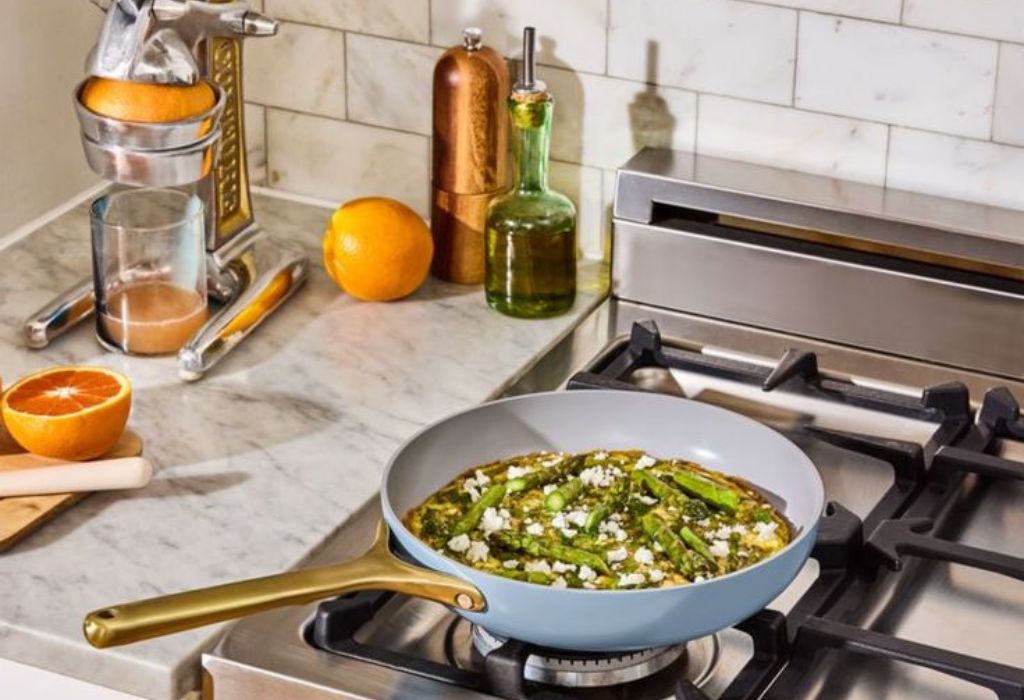
For those who prefer to avoid aluminum entirely, several cookware alternatives are available. Fully ceramic, stainless steel, or cast iron pans offer safe, non-reactive cooking surfaces without the use of aluminum cores.
Fully ceramic cookware provides a completely metal-free option with natural non-stick properties. Stainless steel pans are durable, non-reactive, and compatible with most stovetops, though they require more oil to prevent sticking.
Cast iron offers excellent heat retention and can be seasoned to create a natural non-stick surface. While heavier than aluminum, cast iron provides durability and even cooking, especially for high-heat methods like searing.
Each alternative comes with its benefits and limitations, such as weight, maintenance, and heat conduction. Consumers should select cookware based on cooking style, personal preferences, and material safety considerations.
In summary, while Caraway offers a balanced combination of aluminum efficiency and ceramic safety, alternatives like fully ceramic, stainless steel, and cast iron provide viable options for those seeking different performance characteristics or avoiding aluminum entirely.
Does Caraway cookware have aluminum?
Yes, Caraway cookware features an aluminum core. The aluminum base is fully encased beneath layers of non-toxic ceramic coating, ensuring excellent heat distribution without direct metal contact with food.
Why does Caraway use aluminum in its cookware?
Aluminum is lightweight and an excellent conductor of heat. Caraway uses it to ensure fast, even heating across the pan surface for better cooking performance.
Does food touch the aluminum in Caraway cookware?
No, the aluminum is completely sealed under multiple layers of ceramic coating, so food never comes into contact with the metal.
Is the aluminum in Caraway cookware safe?
Yes, it’s 100% safe. Since the aluminum core is covered by a ceramic layer, there’s no risk of leaching, making it ideal for everyday cooking.
What coating does Caraway cookware use?
Caraway cookware uses a mineral-based ceramic nonstick coating that’s free from PTFE (Teflon), PFOA, lead, cadmium, and other toxic chemicals.
Is Caraway cookware made entirely of aluminum?
No, it has an aluminum core for heat conduction, a stainless-steel plate on the bottom for durability and induction compatibility, and a ceramic coating for a safe nonstick finish.
Is Caraway cookware induction compatible?
Yes, Caraway pans are designed with a magnetic stainless-steel base, making them fully compatible with induction cooktops.
Can aluminum from Caraway cookware leach into food?
No, because the aluminum never touches food. The nonstick ceramic surface acts as a strong protective barrier against leaching or chemical release.
Is Caraway cookware eco-friendly and non-toxic?
Yes, Caraway is marketed as eco-friendly and non-toxic. Its ceramic coating is free from harmful chemicals and produced using environmentally responsible manufacturing processes.
Why is Caraway cookware a safe choice for home kitchens?
Caraway combines the efficiency of aluminum with the safety of ceramic coating, offering even heat, toxin-free cooking, and a stylish design—perfect for health-conscious home cooks.
Conclusion
Caraway cookware contains an aluminum core but is safely encased in a ceramic non-stick coating. This design allows for efficient heat conduction while preventing direct food contact with aluminum, ensuring safe everyday use.
Proper handling, such as avoiding metal utensils, not overheating pans, and gentle cleaning, preserves the integrity of the ceramic layer. Following these practices maximizes both cookware longevity and safety.
Scientific evidence and expert opinions confirm that coated aluminum cookware, like Caraway, poses minimal health risks. Consumers can confidently use Caraway pans to enjoy the benefits of rapid, even heating, non-toxic surfaces, and durable performance.
For those seeking alternatives, fully ceramic, stainless steel, or cast iron cookware provide safe, high-performance options without aluminum. Understanding materials, maintenance, and proper use empowers home cooks to make informed, health-conscious choices in the kitchen.
Ultimately, Caraway cookware offers a practical, safe, and stylish solution for modern cooking, combining the efficiency of an aluminum core with the protective advantages of a ceramic coating.

I’m Emma J. Caldwell, the founder, lead writer, and home-cooking enthusiast behind KitchenGuideCo.com. With a background in culinary arts and over a decade of cooking experience in both professional and personal kitchens, I created this platform to demystify recipes, offer smart kitchen gadget reviews, and guide readers through meal prep with confidence and clarity.