Imagine preparing a rich tomato sauce in a cast iron skillet, the aroma filling the kitchen. While the flavors develop, a question arises: does this cookware actually increase the iron content in food?
Iron deficiency affects millions worldwide, with the World Health Organization estimating that over 25% of the global population suffers from anemia due to low iron intake (source). This makes exploring natural dietary sources of iron more important than ever.
Studies show that cooking in cast iron cookware can significantly increase the iron content of food. For example, spaghetti sauce cooked in a cast iron pan increased from 0.61 mg to 5.77 mg of iron per 100 grams, while applesauce rose from 0.35 mg to 7.38 mg per 100 grams (source).
However, not all foods absorb iron equally, and factors such as acidity, moisture content, and cooking time influence how much iron is transferred. Understanding these factors is key for anyone considering cast iron cookware as a source of dietary iron.
How Cast Iron Impacts Iron Content in Food
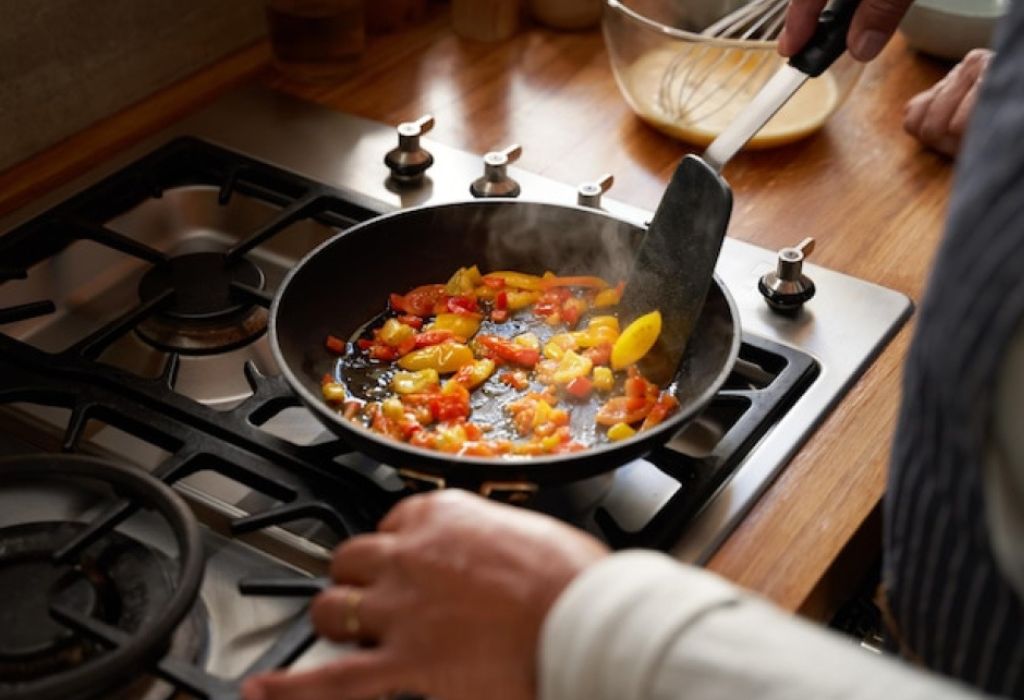
Cooking with cast iron cookware can significantly increase the iron content of meals, particularly when certain conditions are present. Acidic foods, such as tomato-based sauces, are especially effective at leaching iron from the pan into the food.
Moisture content also plays a key role. Foods with higher water content tend to absorb more iron during the cooking process, making soups, stews, and sauces ideal candidates for cast iron cooking (foodandwine.com).
Cooking duration affects iron transfer as well. Longer cooking times allow for more interaction between the food and the cast iron surface, resulting in higher iron content. This is particularly true for slow-simmered dishes, which can see a marked increase in iron absorption.
The age and seasoning of the cookware also influence iron leaching. Newer or minimally seasoned cast iron pans generally transfer more iron compared to older, well-seasoned cookware, where a thick seasoning layer can act as a barrier to iron release (foodnetwork.com).
It is important to note that the iron leached from cast iron is predominantly non-heme iron, which is less readily absorbed than heme iron found in animal products. Pairing cast iron-cooked meals with vitamin C-rich ingredients can enhance absorption, making the dietary iron more bioavailable (foodnetwork.com).
By understanding these variables, home cooks can strategically use cast iron cookware to increase iron intake while maintaining the flavor and quality of their dishes. Proper use ensures both nutritional benefits and excellent cooking performance.
Factors Influencing Iron Transfer from Cast Iron Cookware
Several factors determine how much iron is transferred from cast iron cookware into food. Understanding these variables allows home cooks to optimize the nutritional benefits of their meals while using cast iron safely.
Acidity is one of the most important factors. Acidic ingredients, such as tomatoes, citrus, or vinegar, interact with the metal surface and increase the amount of iron released into food. This is why tomato-based sauces or dishes with lemon juice often contain higher iron levels after cooking in cast iron.
Moisture content also plays a critical role. Foods with higher water content, such as soups, stews, and fruit purees, have more surface contact with the pan, which promotes iron leaching. Conversely, dry foods like baked goods may absorb less iron unless cooking duration or liquid content is adjusted.
Cooking duration and temperature affect iron transfer as well. Longer cooking times and higher heat allow more iron to dissolve into the food. Slow-simmered dishes or meals cooked for extended periods generally see a more significant increase in iron content.
The condition and seasoning of the pan further influence results. A well-seasoned cast iron pan may transfer less iron than a newer, less seasoned pan because the seasoning acts as a protective barrier. However, seasoned pans are less prone to rust and maintain superior non-stick performance.
Finally, the type of food being cooked can alter absorption rates. Non-heme iron leached from cast iron is less efficiently absorbed by the body than heme iron from animal sources, but combining these foods with vitamin C-rich ingredients enhances bioavailability.
By considering acidity, moisture, cooking duration, pan condition, and complementary ingredients, it is possible to maximize iron intake safely while still enjoying the flavor and cooking benefits of cast iron cookware.
Potential Health Benefits of Increased Iron Intake from Cast Iron Cookware
Using cast iron cookware can offer tangible health benefits, particularly for individuals at risk of iron deficiency. Iron is an essential mineral that supports oxygen transport, energy production, and overall cellular function.
Incorporating cast iron-cooked meals into the diet can help increase non-heme iron intake, which is especially beneficial for vegetarians, vegans, and those with limited dietary iron sources. Studies have shown that foods prepared in cast iron can contain several times more iron than the same dishes cooked in non-metallic cookware (pubmed.ncbi.nlm.nih.gov).
Regular consumption of iron-enriched meals can help prevent iron-deficiency anemia, a condition affecting millions worldwide, which can cause fatigue, weakened immunity, and impaired cognitive function. Using cast iron cookware is a practical, everyday approach to support healthy iron levels without supplements.
Additionally, iron from cast iron cookware is naturally integrated into meals, avoiding potential side effects associated with high-dose iron supplements. Combining iron-rich foods with vitamin C sources further enhances absorption, maximizing the nutritional benefit of each meal.
However, it is important to monitor iron intake and balance it with other nutrients, as excessive iron accumulation can be harmful, particularly for individuals with genetic conditions affecting iron metabolism. By using cast iron cookware thoughtfully, home cooks can safely boost dietary iron intake while enjoying flavorful, nutritious meals.
Best Practices for Using Cast Iron Cookware to Maximize Iron Intake
To make the most of cast iron cookware as a source of dietary iron, certain strategies can enhance iron transfer and absorption. Cooking acidic foods such as tomato sauces, citrus-based dishes, or meals with vinegar increases the amount of iron leached into the food.
Moist, slow-cooked dishes like soups, stews, and fruit compotes are ideal for maximizing iron transfer. The extended cooking time allows more contact between the food and the pan, resulting in higher iron content.
Maintaining cookware properly is equally important. A well-seasoned pan prevents rust while still allowing some iron leaching, whereas a new or lightly seasoned pan may release more iron but requires careful care to prevent corrosion.
Pairing meals with vitamin C-rich ingredients such as bell peppers, citrus, or tomatoes enhances the absorption of non-heme iron, making the mineral more bioavailable to the body. This simple adjustment can significantly improve the nutritional benefits of cast iron-cooked meals.
Additionally, regular cleaning, proper drying, and routine seasoning preserve the pan’s surface and prevent rust, ensuring that cookware remains both effective and safe for long-term use. Following these best practices allows home cooks to enjoy flavorful meals while strategically increasing their dietary iron intake.
Foods That Benefit Most from Cooking in Cast Iron Cookware
Certain foods absorb iron more effectively when cooked in cast iron cookware, making them ideal choices for maximizing nutritional benefits. Tomato-based sauces and dishes are particularly effective due to their high acidity, which promotes iron leaching from the pan.
Soups and stews are another excellent option. Their high moisture content and longer cooking times allow more iron to transfer into the food, enhancing overall intake.
Fruit purees and applesauce can also benefit from cast iron cooking. The combination of acidity and liquid content allows for a substantial increase in iron content compared to cooking in non-metallic cookware.
Even baked goods, such as cornbread or skillet cakes, can absorb small amounts of iron when prepared in cast iron pans, though the effect is generally less pronounced than with acidic or moist foods.
By choosing foods with higher acidity, moisture, or longer cooking durations, home cooks can strategically increase iron intake while enjoying the unique cooking performance and flavor benefits of cast iron cookware.
Limitations and Considerations When Using Cast Iron Cookware for Iron Intake
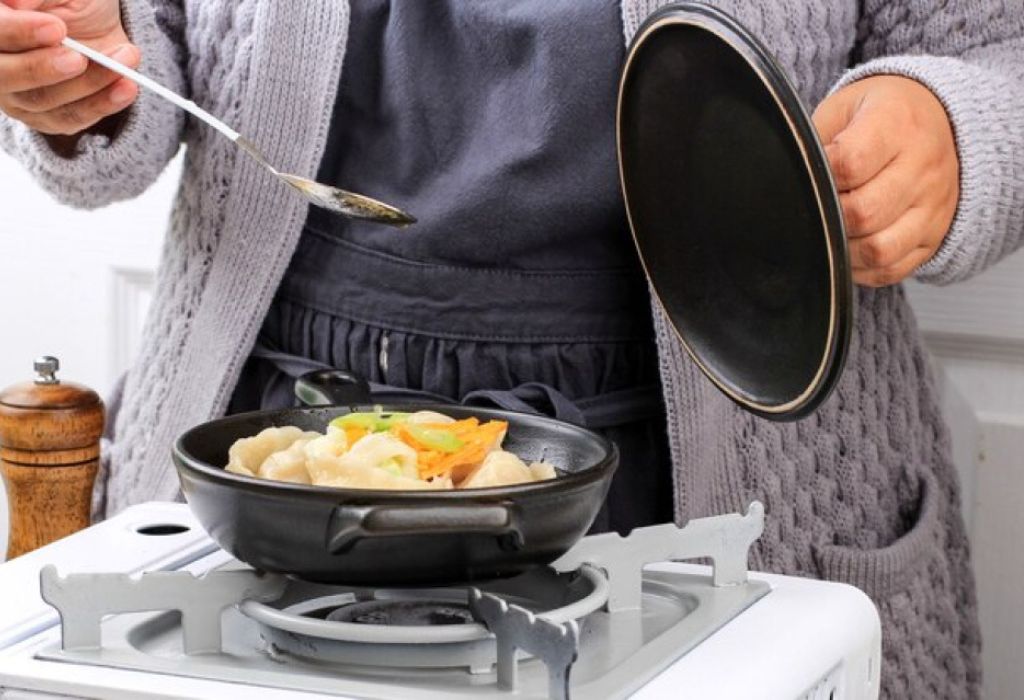
While cooking with cast iron cookware can increase iron content in food, it is important to understand its limitations. The iron leached is primarily non-heme iron, which is less efficiently absorbed by the body compared to heme iron found in animal products.
Excessive iron intake can also be a concern for certain individuals. People with hemochromatosis or other conditions affecting iron metabolism may need to limit dietary iron to avoid toxicity.
The type of food and cooking method influence the amount of iron transferred. Dry or low-acid foods absorb less iron, and short cooking times reduce the leaching effect, limiting the potential nutritional benefit.
Cookware age and seasoning also matter. Older, well-seasoned pans may leach less iron than newer or lightly seasoned ones, which can be a consideration for those relying on cast iron as a significant dietary iron source.
Finally, iron from cast iron cookware should complement a balanced diet rather than replace other iron-rich foods or supplements when needed. Awareness of these factors ensures that cast iron cooking contributes to health safely and effectively.
Conclusion
Cooking with cast iron cookware can naturally increase the iron content of meals, offering a practical way to support dietary iron intake. Acidic, moist, and slow-cooked foods absorb the most iron, while proper seasoning and maintenance ensure the cookware remains safe and effective.
Non-heme iron leached from cast iron is less efficiently absorbed than heme iron, but pairing meals with vitamin C-rich ingredients enhances absorption. This makes cast iron cooking particularly beneficial for vegetarians, vegans, and those at risk of iron deficiency.
It is important to consider individual health needs, as excessive iron intake can be harmful for people with conditions like hemochromatosis. Cast iron cookware should supplement a balanced diet, not serve as the sole source of iron.
By understanding the factors that influence iron transfer and following best practices, home cooks can safely and effectively use cast iron cookware to enhance both the nutritional value and flavor of their meals. Consistent use and proper care allow cookware to last for decades, providing both culinary and health benefits over the long term.

I’m Emma J. Caldwell, the founder, lead writer, and home-cooking enthusiast behind KitchenGuideCo.com. With a background in culinary arts and over a decade of cooking experience in both professional and personal kitchens, I created this platform to demystify recipes, offer smart kitchen gadget reviews, and guide readers through meal prep with confidence and clarity.