Cast iron cookware has been a trusted kitchen staple for centuries, celebrated for its durability and excellent heat retention. However, some consumers question whether cooking with these pans could pose long-term health risks, including cancer.
The concern largely stems from metal leaching during high-heat cooking. Trace amounts of iron and other minerals can transfer into food, prompting curiosity about potential health consequences.
Scientific research shows that normal dietary exposure to metals from cookware is generally safe. According to the World Health Organization, while excessive metal intake can cause health problems, typical cooking practices with cast iron do not elevate cancer risk (source).
Understanding the safety of cast iron is crucial for home cooks who use these pans regularly. The goal is to separate myth from fact and provide guidance on safe cooking methods that maximize benefits while minimizing risks.
How Cast Iron Cookware Interacts with Food
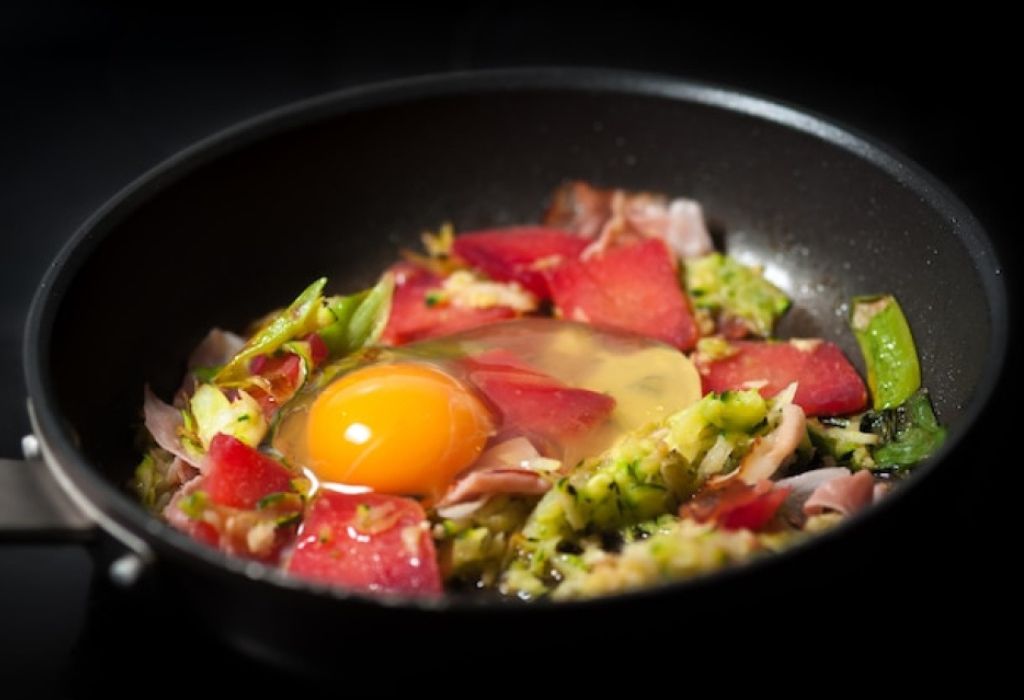
Cast iron cookware is unique because it can leach small amounts of iron and trace minerals into food during cooking. This process is generally beneficial for increasing dietary iron intake, but concerns arise about the potential health implications of long-term exposure to metals.
The amount of metal transferred depends on several factors, including the acidity of the food, moisture content, cooking temperature, and the condition of the pan. Acidic foods, such as tomato-based sauces or dishes containing vinegar, promote higher levels of iron transfer, while dry or neutral foods leach much less.
Cooking duration also influences the level of mineral transfer. Longer cooking times and higher heat allow more contact between the food and the pan, which can increase iron content but may also elevate the presence of other trace metals. Properly seasoned pans tend to leach less iron because the protective layer acts as a barrier, though some transfer still occurs naturally.
Research indicates that the iron and metals released during normal cooking are generally non-heme iron, which is less readily absorbed by the body compared to heme iron found in meat. Pairing cast iron-cooked meals with vitamin C-rich ingredients, such as citrus or bell peppers, enhances absorption and maximizes the nutritional benefits without increasing health risks (foodnetwork.com).
Understanding these interactions helps consumers make informed choices about how to use cast iron cookware safely. By managing cooking methods, ingredients, and seasoning, home cooks can enjoy the benefits of cast iron while minimizing potential concerns related to metal exposure and long-term health.
Research Evidence on Cast Iron and Cancer Risk
Scientific studies specifically linking cast iron cookware to cancer are limited. Most research focuses on dietary metal exposure and its potential health effects, showing that typical cooking practices with cast iron are generally safe.
Trace amounts of iron and other minerals leached from cast iron during normal cooking fall well within safe dietary limits. Regulatory agencies, including the World Health Organization, do not classify cast iron cookware as a carcinogen, and no evidence currently demonstrates a direct connection to cancer (who.int).
High-heat cooking and prolonged exposure to metals can increase oxidative stress in the body, but this is more relevant for supplement misuse or industrial exposure rather than regular culinary use. Standard cooking temperatures used in home kitchens do not pose significant risks.
Enameled cast iron further reduces metal transfer, offering a barrier between food and the metal surface. This makes it a safer choice for those concerned about trace metal exposure while still providing the benefits of even heating and durability.
Understanding the current scientific evidence helps separate myths from facts. Consumers can confidently use cast iron cookware for daily cooking while following recommended practices to minimize any theoretical risks and maintain a safe, health-conscious kitchen environment.
Potential Health Benefits of Cast Iron Cookware
While concerns about metal exposure exist, cast iron cookware also offers tangible health benefits. One of the primary advantages is increased dietary iron intake, which can help prevent iron-deficiency anemia, a condition affecting millions worldwide (pubmed.ncbi.nlm.nih.gov).
Non-heme iron leached from cast iron pans contributes to daily iron intake, particularly for individuals who consume little or no meat. Pairing iron-rich foods with vitamin C sources enhances absorption, maximizing nutritional benefits.
Cast iron also provides even heat distribution, reducing the risk of burnt food and minimizing the formation of harmful compounds such as polycyclic aromatic hydrocarbons (PAHs) that can occur when cooking is uneven. This makes meals safer and more consistent in quality.
Additionally, properly seasoned cast iron pans prevent excessive metal leaching while maintaining a naturally non-stick surface. This reduces the need for oils and additives, supporting healthier cooking practices.
For vegetarians, vegans, and those with dietary restrictions, using cast iron cookware is a simple way to boost iron intake without supplements. Understanding both the benefits and limitations allows consumers to make informed decisions about integrating cast iron into their cooking routines.
Best Practices for Safe Use of Cast Iron Cookware
To minimize any potential risks while maximizing benefits, it is important to follow best practices when using cast iron cookware. Proper seasoning creates a protective layer on the pan, reducing excessive metal leaching and preventing rust.
Cooking at moderate temperatures helps limit unnecessary metal transfer and avoids overheating oils that could produce harmful compounds. Acidic foods like tomato sauces or dishes with citrus should be used in moderation if iron intake needs to be controlled.
Regular cleaning and thorough drying after use maintain the pan’s integrity and prevent corrosion. Avoiding prolonged soaking and using gentle cleaning methods preserves the seasoning layer and prevents excessive iron exposure.
Enameled cast iron is another option for safety-conscious cooks, as the enamel coating acts as a barrier between food and the metal. This reduces iron transfer while still offering the heat retention and durability benefits of cast iron cookware.
By combining these practices—seasoning, temperature control, careful ingredient selection, and proper maintenance—home cooks can safely enjoy the advantages of cast iron cookware without concern for health risks. These strategies support both nutritional benefits and long-term cookware performance.
Foods That Benefit Most from Cooking in Cast Iron
Certain foods are particularly well-suited to cooking in cast iron, as they absorb iron more effectively and gain nutritional benefits. Acidic dishes, such as tomato-based sauces, stir-fries with vinegar, and citrus-flavored recipes, encourage higher iron transfer from the pan.
Moist, slow-cooked foods like stews, soups, and braised vegetables also absorb more iron due to longer cooking times and greater liquid content. These dishes benefit nutritionally without altering flavor or texture.
Fruit purees, applesauce, and other high-acidity fruit preparations can gain a substantial iron boost when prepared in cast iron cookware. Even baked goods like cornbread or skillet cakes can absorb small amounts of iron, though the effect is less pronounced than in acidic or high-moisture foods.
By strategically selecting foods that interact with cast iron effectively, home cooks can maximize nutritional intake while maintaining the cookware’s performance and longevity. Choosing these foods also allows for safe, health-conscious cooking without overexposing the body to metals.
Limitations and Considerations When Using Cast Iron Cookware
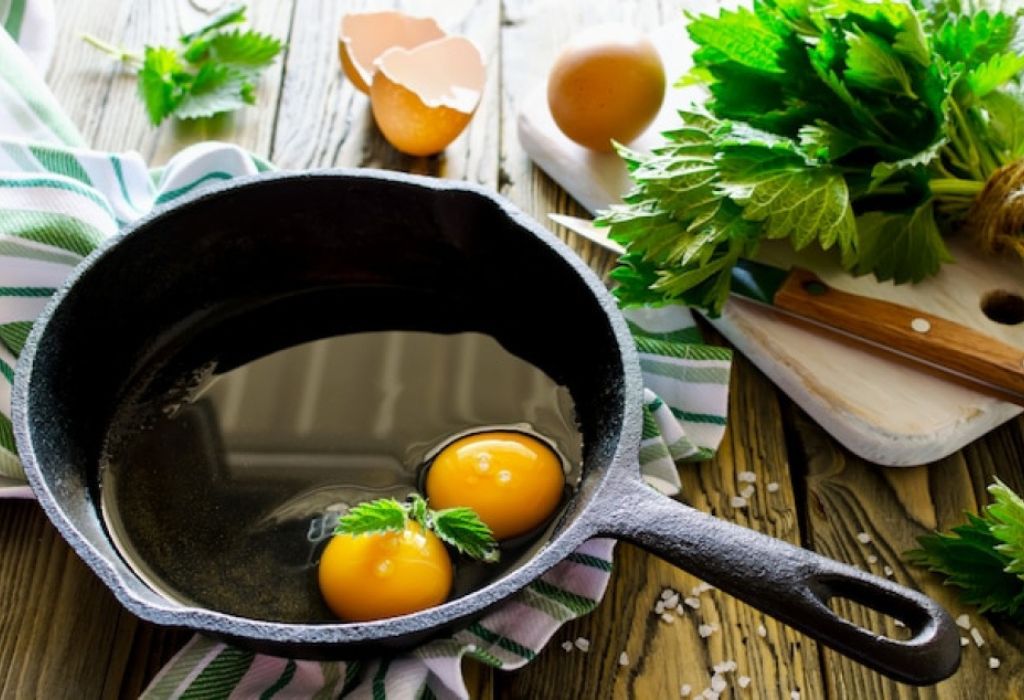
Although cast iron cookware offers nutritional and cooking benefits, it is important to understand its limitations. The iron leached from the pan is primarily non-heme iron, which is absorbed less efficiently than heme iron from animal sources.
Excessive iron intake may pose health risks for individuals with conditions such as hemochromatosis or other disorders affecting iron metabolism. These populations should monitor iron consumption and consult healthcare professionals before relying on cast iron as a primary source of dietary iron.
The type of food and cooking method also influence iron transfer. Dry foods, neutral ingredients, and short cooking times result in minimal iron absorption, limiting the potential nutritional benefit.
Cookware age and seasoning affect both iron transfer and safety. Older, well-seasoned pans tend to leach less iron, while newer or poorly seasoned pans may release slightly more, though not enough to present a cancer risk under normal usage.
Finally, cast iron cookware should complement a balanced diet rather than serve as the sole source of iron or nutrition. Awareness of these considerations ensures safe, health-conscious use while taking advantage of the pan’s culinary benefits.
Conclusion
Current scientific evidence indicates that cast iron cookware does not cause cancer when used under normal cooking practices. Trace iron and other minerals leached into food are generally safe and can provide nutritional benefits, particularly for those needing additional dietary iron.
Proper seasoning, moderate cooking temperatures, and careful selection of foods maximize the benefits while minimizing any theoretical risks. Acidic and moist foods, along with vitamin C-rich ingredients, enhance iron absorption and improve overall nutritional value.
Enameled cast iron provides an added layer of safety by reducing direct metal contact, while regular maintenance preserves both the pan’s performance and the integrity of its surface. By following best practices, home cooks can confidently use cast iron cookware for decades of safe, health-conscious cooking.
Understanding the interactions between food, cookware, and nutrients allows consumers to separate myths from facts and make informed decisions in the kitchen. Using cast iron thoughtfully ensures that every meal is both flavorful and supportive of long-term health.

I’m Emma J. Caldwell, the founder, lead writer, and home-cooking enthusiast behind KitchenGuideCo.com. With a background in culinary arts and over a decade of cooking experience in both professional and personal kitchens, I created this platform to demystify recipes, offer smart kitchen gadget reviews, and guide readers through meal prep with confidence and clarity.