Ceramic cookware has surged in popularity as more home cooks seek healthier, non-toxic alternatives. Many brands advertise their products as chemical-free and safe for everyday use, but questions remain about their actual composition.
A common concern among consumers is this: does ceramic cookware have aluminum? Understanding the materials used is essential, as aluminum’s presence can affect both cooking performance and potential health risks.
Aluminum is widely praised for its lightweight nature and excellent heat conductivity, which allows food to cook evenly and efficiently. However, exposure to high temperatures or acidic foods can raise concerns about aluminum leaching into meals, making material transparency important for informed choices.
According to a survey by Statista, over 60% of consumers consider material safety a top factor when purchasing cookware. Choosing the right cookware not only affects the taste and texture of food but can also impact long-term health outcomes.
Ceramic coatings are celebrated for providing a nonstick surface without using harmful chemicals like PTFE or PFOA. Yet, beneath the ceramic layer, many pans contain aluminum or other metals to enhance heat distribution and durability.
What Is Ceramic Cookware Made Of?
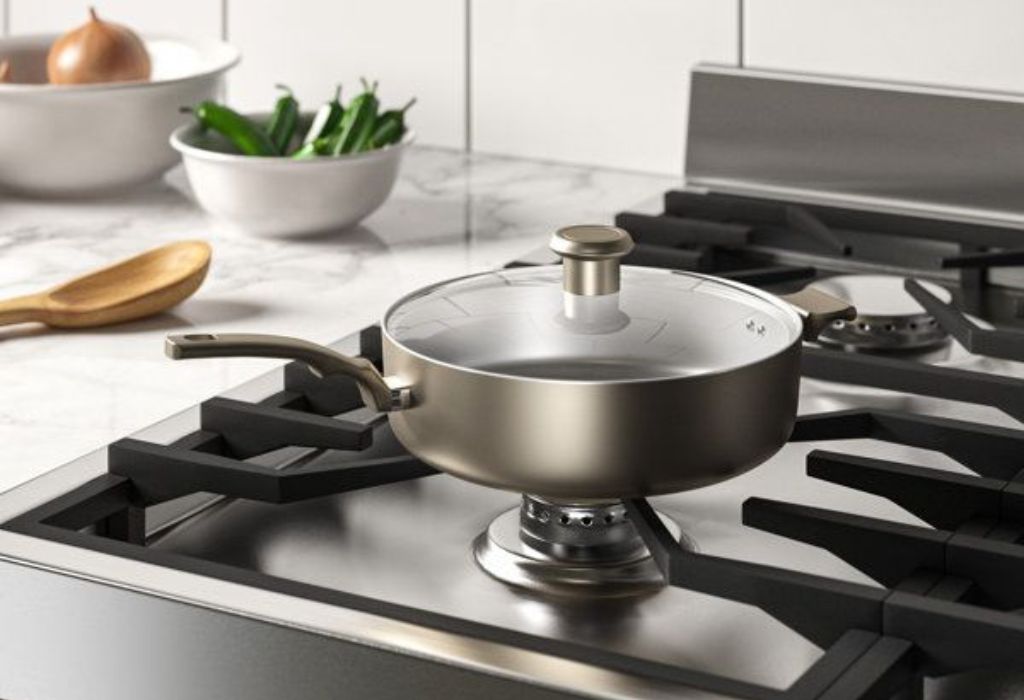
Ceramic cookware is often promoted as a healthier alternative to traditional nonstick pans, but understanding its composition is key. Most ceramic cookware consists of a metal core covered by a ceramic coating, which provides nonstick properties without harmful chemicals like PTFE or PFOA.
The base material is commonly aluminum, chosen for its lightweight and excellent heat conductivity. Aluminum allows for even heating and faster cooking, which is why it is frequently used beneath the ceramic layer.
The ceramic coating itself is typically derived from silica, a naturally occurring component of sand. This coating forms a hard, smooth surface that prevents food from sticking and reduces the need for excessive oil, making cooking and cleaning easier.
While ceramic coatings are considered safe, their durability can vary depending on the manufacturer and how the cookware is used.
High heat, metal utensils, and abrasive cleaning can damage the coating, which may reduce its nonstick performance over time.
Some premium cookware also incorporates additional layers, such as titanium-reinforced ceramic, to improve strength and longevity. These enhancements help protect the aluminum base, ensuring the cookware retains heat efficiently and maintains a safe cooking surface for years.
Overall, ceramic cookware combines the benefits of metal for heat distribution with a non-toxic ceramic surface for cooking. Understanding both the core and the coating allows consumers to evaluate performance, safety, and durability, making it easier to select the right pan for their kitchen.
Does Ceramic Cookware Contain Aluminum?
Common Construction Practices
Many ceramic cookware pieces feature an aluminum core beneath the ceramic coating. This design leverages aluminum’s excellent heat conductivity while keeping the cooking surface nonstick and safe. The aluminum core ensures food cooks evenly, preventing hot spots that can burn delicate dishes.
Some manufacturers add a layer of stainless steel over the aluminum to minimize direct contact with food. This approach combines the benefits of rapid heat distribution with enhanced safety and durability. It also allows the cookware to be compatible with induction cooktops, expanding its versatility in modern kitchens.
Potential Health Implications
Although the aluminum core is generally not exposed, concerns about leaching can arise if the coating is damaged. Studies suggest that the amount of aluminum that could migrate into food from intact ceramic-coated cookware is minimal.
According to the World Health Organization, typical dietary aluminum exposure from cookware is below the tolerable daily intake for adults (source).
However, acidic or salty foods cooked in scratched or worn cookware could slightly increase aluminum exposure. Understanding the construction and handling ceramic cookware properly helps minimize any potential risk. Regular inspection for cracks, chips, or coating wear is recommended to maintain safety and cooking efficiency.
Summary
Overall, aluminum often forms the core of ceramic cookware, providing lightweight construction and even heat distribution.
The ceramic coating offers a nonstick surface free from harmful chemicals, while proper care ensures both safety and long-term performance.
Knowledge of these materials empowers consumers to choose cookware that meets their health, cooking, and durability requirements.
Comparing Ceramic and Aluminum Cookware
Heat Distribution and Cooking Performance
Aluminum cookware is known for its rapid and even heat distribution, making it ideal for precise cooking. Ceramic cookware with an aluminum core can offer similar benefits, combining efficient heat transfer with a nonstick surface for easy food release.
The quality of the ceramic coating can influence cooking performance. High-quality coatings maintain smoothness over time, while lower-grade coatings may degrade, affecting heat retention and nonstick efficiency.
Proper preheating and even temperature management help maximize performance in both ceramic and aluminum cookware.
Durability and Maintenance
Aluminum cookware is lightweight but prone to scratching, denting, and warping under high heat. Ceramic coatings, although non-toxic and easy to clean, can wear down if exposed to abrasive utensils, metal scrubbing pads, or sudden temperature changes.
Choosing cookware with reinforced ceramic layers or titanium-infused coatings can improve durability. Gentle cleaning methods, using wooden or silicone utensils, and avoiding extreme temperature shifts extend the lifespan of both ceramic-coated and aluminum pans.
Overall Comparison
When comparing ceramic and aluminum cookware, the main consideration is the balance between performance and longevity.
Aluminum cores ensure fast and even cooking, while ceramic coatings provide a safer, nonstick cooking surface.
Understanding these differences allows consumers to select cookware that suits their kitchen needs, cooking habits, and long-term durability expectations.
Health and Safety Considerations
Chemical Safety
Ceramic cookware is often promoted as a safer alternative to traditional nonstick pans because it avoids PTFE, PFOA, and other harmful chemicals. The ceramic coating forms a hard, nonstick surface that reduces the need for excess oil while minimizing chemical exposure during cooking.
Despite these benefits, the presence of an aluminum core can raise questions about potential health risks.
While intact ceramic coatings generally prevent direct contact between food and aluminum, damaged coatings or excessive wear could increase the risk of trace aluminum leaching.
Research indicates that the levels of aluminum exposure from properly maintained ceramic cookware are typically very low (source).
Recommendations for Consumers
Consumers concerned about aluminum exposure can choose ceramic cookware with fully clad stainless steel bases or explicitly aluminum-free options. Selecting high-quality ceramic coatings and following proper care instructions helps maintain safety and performance.
Using non-abrasive utensils, avoiding sudden temperature changes, and inspecting cookware regularly for chips or cracks ensures the nonstick surface remains intact. These steps not only protect health but also prolong the cookware’s lifespan and maintain consistent cooking results.
Summary
Overall, ceramic cookware offers a combination of non-toxic cooking surfaces and efficient heat distribution. Understanding the materials used, proper maintenance, and safe cooking practices allows consumers to enjoy the benefits of ceramic cookware while minimizing potential health concerns associated with aluminum cores.
Future Trends in Cookware Materials
Innovations in Non-Toxic Cookware
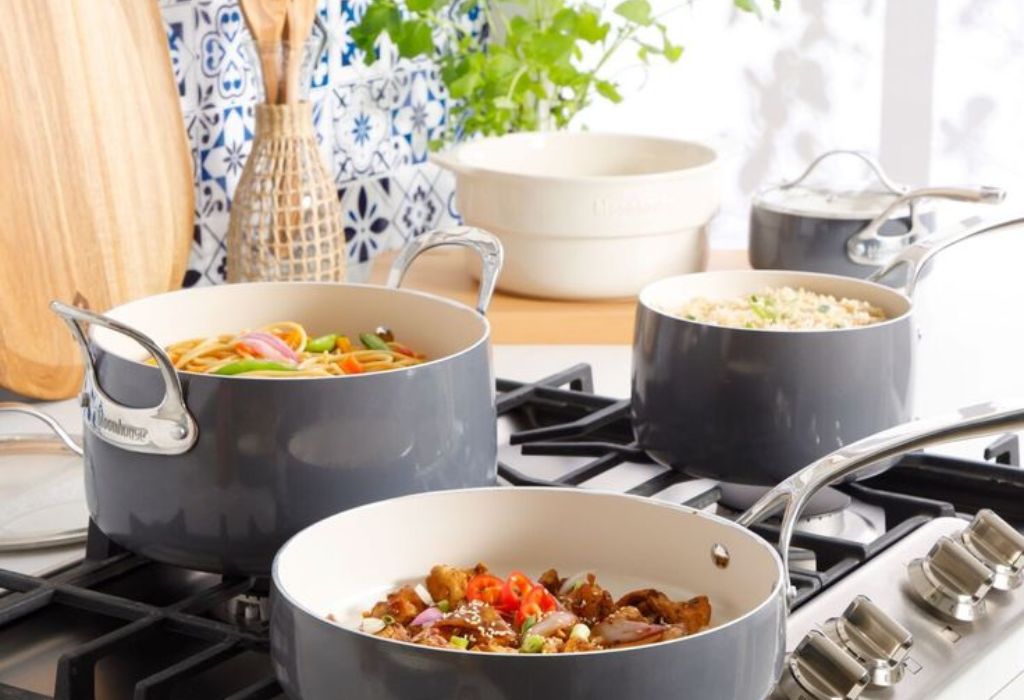
The cookware industry is exploring new materials and coatings to enhance both safety and performance. Advanced ceramic coatings reinforced with titanium or other durable compounds are being developed to increase longevity and reduce wear.
Composite cookware that combines metals like aluminum, stainless steel, and ceramic layers is also gaining popularity. These designs aim to optimize heat distribution, durability, and nonstick performance while minimizing potential health risks from metals such as aluminum.
Consumer Awareness and Demand
Modern consumers are increasingly aware of the materials used in their cookware and their potential health implications. Brands are responding by providing more transparency, clearly labeling the base metals, coatings, and certifications for non-toxic surfaces.
Demand for aluminum-free or fully clad cookware is rising, reflecting a preference for products that offer both performance and peace of mind. Consumers now prioritize durability, safety, and environmental responsibility when selecting kitchen tools, influencing trends across the industry.
Summary
Future cookware trends focus on innovation, transparency, and safety. By understanding these developments, consumers can make informed choices and select cookware that meets evolving standards for health, performance, and sustainability.
Does ceramic cookware have aluminum?
Yes, most modern ceramic cookware has an aluminum core or base beneath its ceramic coating. The aluminum ensures quick and even heat distribution during cooking.
Why is aluminum used in ceramic cookware?
Aluminum is lightweight and an excellent heat conductor. It helps ceramic-coated cookware heat up evenly and prevents hot spots that could burn food.
Does food come in contact with aluminum in ceramic cookware?
No, the aluminum is completely covered by the ceramic coating, which acts as a protective barrier and prevents any direct contact between food and metal.
Can aluminum leach through the ceramic coating?
No, as long as the coating is intact. The ceramic layer seals the aluminum base, preventing any metal leaching, even when cooking acidic or salty foods.
Is ceramic cookware without aluminum available?
Yes, 100% ceramic cookware (made entirely from natural clay or minerals) exists, but it’s heavier, more fragile, and slower to heat than aluminum-based ceramic pans.
Is aluminum in ceramic cookware safe?
Yes, it’s completely safe. Since the aluminum is enclosed under a non-toxic ceramic surface, it poses no health risk and does not alter the taste of food.
What type of coating does ceramic cookware have?
Ceramic cookware typically features a mineral-based, nonstick coating that’s free from PTFE, PFOA, lead, and cadmium, making it eco-friendly and non-toxic.
Can ceramic-coated cookware be used on induction stoves?
Only if it includes a magnetic stainless-steel plate at the base. Aluminum alone is not magnetic and won’t work on induction cooktops.
Is the aluminum core beneficial for cooking performance?
Yes, it provides superior heat conduction, allowing for faster, more consistent cooking while maintaining energy efficiency.
Why is ceramic cookware with aluminum considered a smart choice?
It combines the best of both materials—aluminum’s fast, even heating with ceramic’s non-toxic, easy-to-clean, nonstick surface—making it ideal for safe, everyday cooking.
Conclusion
Ceramic cookware often contains an aluminum core, providing lightweight construction and efficient heat distribution. The ceramic coating ensures a nonstick, chemical-free cooking surface, combining performance with safety.
Proper care, including avoiding abrasive utensils, high heat, and sudden temperature changes, helps maintain the coating and prevent potential aluminum exposure. Selecting high-quality cookware and inspecting it regularly ensures long-term durability and consistent cooking results.
Understanding the materials and construction of ceramic cookware empowers consumers to make informed choices that balance health, performance, and longevity. For those seeking aluminum-free options, fully clad stainless steel bases or certified non-toxic cookware provide peace of mind without compromising functionality.
Investing in quality cookware that aligns with personal health and cooking priorities can enhance both kitchen performance and confidence in every meal prepared.

I’m Emma J. Caldwell, the founder, lead writer, and home-cooking enthusiast behind KitchenGuideCo.com. With a background in culinary arts and over a decade of cooking experience in both professional and personal kitchens, I created this platform to demystify recipes, offer smart kitchen gadget reviews, and guide readers through meal prep with confidence and clarity.