Copper cookware has long been prized in kitchens for its exceptional heat conductivity and elegant appearance. Its ability to distribute heat evenly allows for precise cooking, making it a favorite among both professional chefs and home cooks.
Despite its popularity, concerns have arisen regarding the safety of using copper cookware with certain foods.
A key question is whether copper cookware leaches into food, especially when cooking acidic ingredients like tomatoes, citrus, or vinegar.
Understanding the circumstances under which copper may leach is essential for anyone looking to cook safely and preserve both flavor and health.
Research indicates that unlined copper cookware can release copper ions into food when exposed to acidic substances.
While small amounts are typically not harmful, excessive consumption over time can lead to gastrointestinal issues or more serious health concerns, such as liver or kidney complications.
Modern copper cookware is often lined with tin or stainless steel, which acts as a barrier to prevent direct contact between food and copper.
Following proper usage, care, and maintenance ensures that these lined pans remain safe while still offering the cooking benefits and visual appeal of copper.
Understanding Copper Cookware
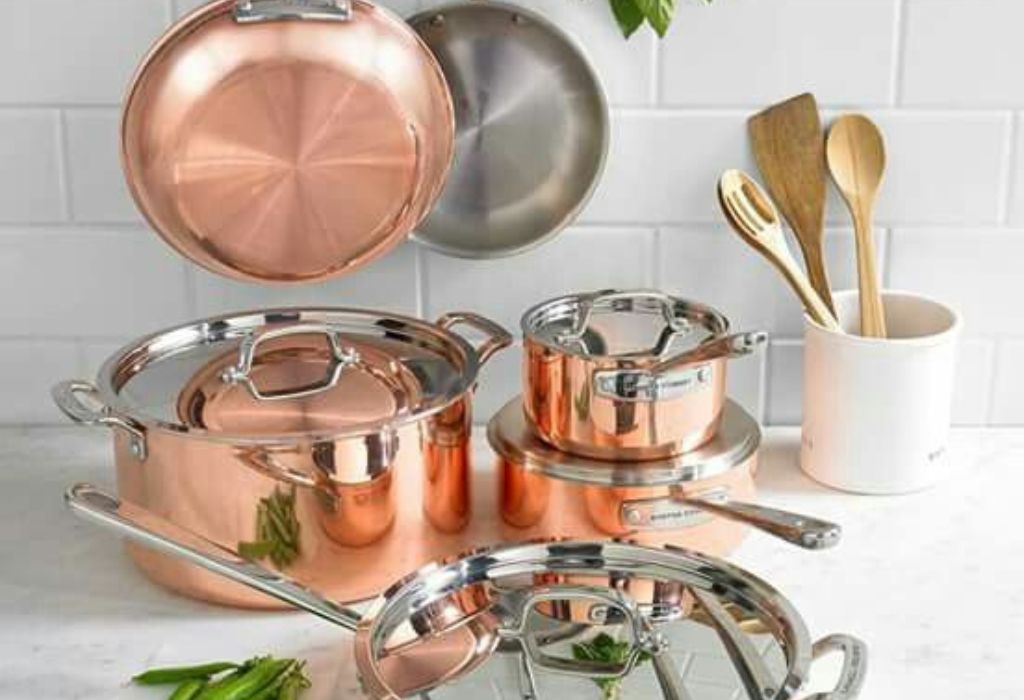
Copper cookware is celebrated for its excellent thermal conductivity, which ensures rapid and even heat distribution during cooking. This property makes it particularly suitable for delicate tasks like melting chocolate, preparing sauces, or searing meats evenly.
Most modern copper cookware is lined with a non-reactive metal, such as tin or stainless steel. The lining acts as a protective barrier, preventing acidic foods from coming into direct contact with copper, which is crucial for minimizing the risk of copper leaching.
The aesthetic appeal of copper cookware is another reason for its popularity. Its warm, reddish hue and polished finish bring elegance to the kitchen, making these pans both functional and visually attractive.
The thickness of copper cookware varies, and higher-quality pans often contain multiple layers, including an aluminum or stainless steel core for additional durability and even heat conduction. This multi-layer construction not only enhances performance but also provides extra protection against potential leaching.
Understanding the construction, lining, and thermal properties of copper cookware is essential for safe usage.
Awareness of these features allows cooks to make informed decisions about which copper cookware is appropriate for various cooking tasks, how to maintain it, and how to prevent health risks associated with copper leaching.
By grasping these fundamentals, users can enjoy the superior cooking performance and visual appeal of copper cookware while taking necessary precautions to ensure food safety. Proper knowledge of copper cookware’s design and material properties lays the foundation for safe and effective use in any kitchen.
The Science of Copper Leaching
Copper leaching occurs when unlined copper cookware comes into contact with acidic foods. Substances such as tomatoes, citrus, vinegar, and wine can trigger a chemical reaction, releasing copper ions into the food.
The amount of copper that leaches depends on several factors, including the acidity of the food, cooking temperature, and duration of cooking. Longer exposure to acidic ingredients or higher heat levels increases the likelihood of copper entering the food.
Health concerns arise when excessive copper is ingested over time. Short-term exposure may cause gastrointestinal discomfort, such as nausea or vomiting, while chronic exposure can potentially affect the liver and kidneys.
Modern copper cookware typically incorporates protective linings to prevent leaching. Tin and stainless steel linings act as barriers, preventing direct contact between copper and food, even when cooking acidic dishes.
Understanding the conditions that promote copper leaching is critical for safe use. By recognizing which foods and cooking methods increase the risk, cooks can make informed choices, select the appropriate cookware, and implement practices that minimize health risks while still enjoying the benefits of copper cookware.
Safety of Copper Cookware
The safety of copper cookware largely depends on whether it is lined or unlined. Lined copper cookware, typically coated with tin or stainless steel, prevents direct contact between food and copper, significantly reducing the risk of copper leaching into meals.
Unlined copper cookware poses higher risks, especially when cooking acidic foods. Consuming food prepared in unlined copper pans can lead to ingestion of elevated copper levels, which may cause gastrointestinal discomfort and, over time, more serious health issues such as liver or kidney problems.
Regulatory agencies, including the FDA, recommend using lined copper cookware for cooking and avoiding unlined copper when preparing acidic dishes. These guidelines ensure that users can enjoy the benefits of copper without compromising safety.
Proper maintenance is also crucial for safety. Inspecting copper cookware regularly for worn or damaged linings helps prevent accidental exposure to copper, while gentle cleaning with non-abrasive materials preserves the integrity of the protective barrier.
By selecting lined cookware and following manufacturer recommendations, cooks can safely utilize copper cookware in the kitchen.
Awareness of the risks, adherence to best practices, and diligent maintenance ensure both optimal cooking performance and protection from potential health hazards.
Best Practices for Using Copper Cookware
Using copper cookware safely involves careful selection, proper handling, and consistent maintenance. Choosing lined copper pans, either with tin or stainless steel, ensures that food does not come into direct contact with copper, minimizing the risk of leaching.
Avoid cooking acidic foods in unlined copper cookware, as ingredients like tomatoes, vinegar, citrus, and wine can trigger copper leaching. When preparing these dishes, always opt for lined or alternative cookware.
Maintaining the integrity of the lining is essential for safety. Avoid using metal utensils that can scratch the surface, and clean the cookware with mild, non-abrasive detergents to prevent damage to the protective layer.
Regular inspections for signs of wear, corrosion, or damage to the lining help ensure safe usage over time. If the lining shows deterioration, consider re-tinning tin-lined cookware or replacing the pan to avoid health risks.
Proper storage also contributes to longevity and safety. Keep copper cookware dry, stack with protective cloths to prevent scratches, and avoid exposure to extreme heat that may warp or damage the lining.
By following these best practices, cooks can safely enjoy the benefits of copper cookware. These measures protect both the user and the cookware, allowing for precise cooking, durability, and the aesthetic appeal of copper without compromising food safety.
Alternatives to Copper Cookware
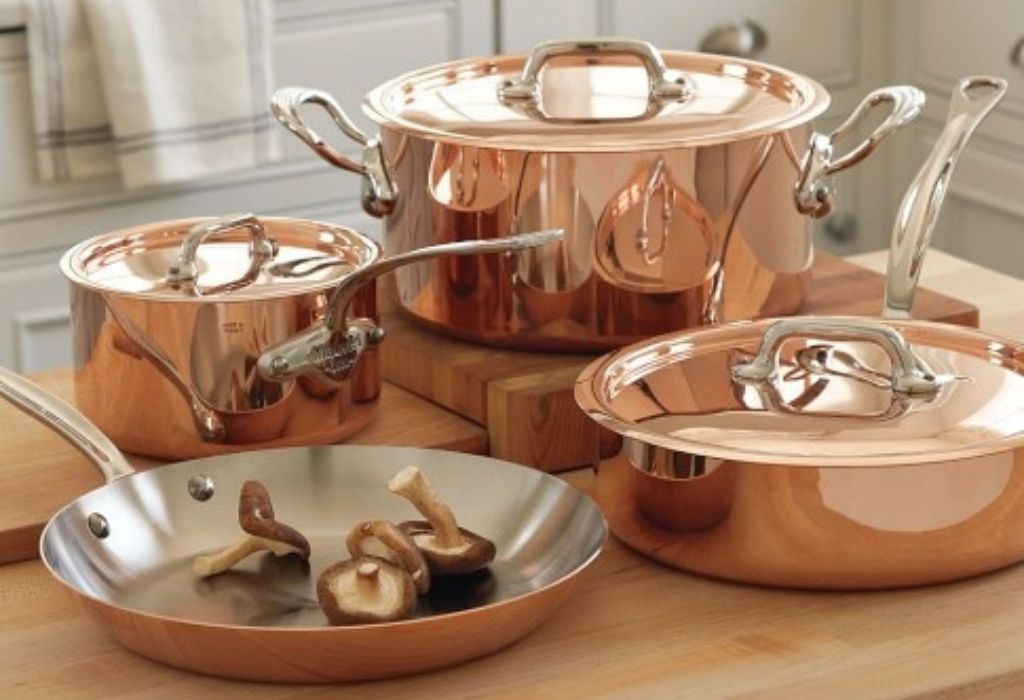
For cooks concerned about copper leaching or seeking low-maintenance options, several alternatives are available. Stainless steel cookware is non-reactive, durable, and does not leach metals into food, making it a safe choice for everyday cooking.
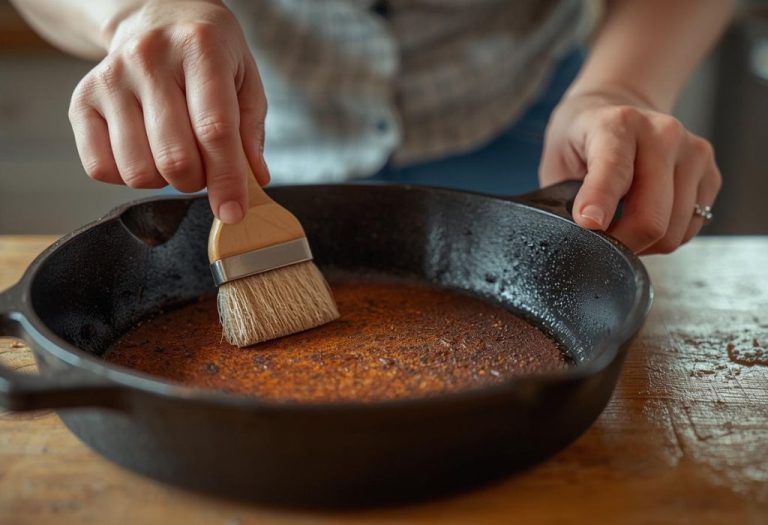
Cast iron cookware offers excellent heat retention and versatility. When properly seasoned, it provides a safe cooking surface, although it requires specific care to prevent rust and maintain the seasoning.
Nonstick cookware is another option, offering easy food release and cleanup. While nonstick surfaces are generally safe, care must be taken to avoid scratches that could compromise the coating.
Ceramic cookware provides a non-reactive, easy-to-clean option. It is particularly suitable for acidic foods since it does not interact chemically with ingredients, preventing leaching concerns.
Each alternative offers distinct advantages depending on cooking needs and maintenance preferences. Stainless steel combines durability with minimal upkeep, cast iron excels in heat retention, nonstick ensures convenience, and ceramic offers safety for acidic dishes.
Selecting the right cookware allows cooks to achieve optimal performance while minimizing health risks associated with unlined copper.
By understanding the available options, home cooks can enjoy safe, efficient, and reliable cookware while preserving the benefits of copper-like cooking performance and versatility.
Does copper cookware leach into food?
Yes, unlined copper cookware can leach small amounts of copper into food, especially when cooking acidic dishes like tomato sauce or vinegar-based meals.
Why does copper leach into food?
Copper reacts chemically with acidic or salty ingredients, dissolving trace amounts of metal into the food during the cooking process.
Is copper leaching dangerous to health?
In small amounts, copper is essential for health, but consuming excessive amounts can lead to copper toxicity, causing nausea, vomiting, and liver damage over time.
How can I prevent copper from leaching into food?
Use lined copper cookware—preferably with a stainless-steel or tin interior—to prevent direct contact between copper and food.
What foods increase the risk of copper leaching?
Acidic foods such as tomatoes, citrus, vinegar, and wine-based sauces increase the rate of copper leaching from unlined cookware.
Is lined copper cookware completely safe?
Yes, lined copper cookware is safe because the protective layer prevents food from touching the raw copper surface, minimizing any risk of leaching.
How can I tell if my copper pan is lined or unlined?
Check the interior surface—lined cookware has a silver or steel-like finish, while unlined copper appears reddish-orange inside.
Can damaged linings cause copper to leach?
Yes, if the lining is scratched, worn, or peeling, it can expose the copper underneath, leading to possible leaching during cooking.
Is copper poisoning from cookware common?
No, it’s rare. Most modern copper cookware is lined, making it safe for everyday use when properly maintained.
Can I cook acidic foods in copper cookware safely?
Only if the cookware is lined. Acidic foods should never be cooked in unlined copper, as they accelerate the leaching process.
Does boiling water in copper cookware cause leaching?
Boiling plain water generally doesn’t cause significant leaching, but if the water is acidic or contains salt, it may react with the copper surface.
Can old or antique copper cookware leach more copper?
Yes, vintage pans often have worn or non-food-safe linings, increasing the risk of leaching unless they’re re-tinned or professionally restored.
Are copper mugs safe for drinks like cocktails?
Only if they’re lined with stainless steel or nickel. Unlined copper mugs can leach metal when exposed to acidic drinks like citrus or alcohol.
How do I maintain lined copper cookware to avoid leaching?
Clean gently, avoid metal utensils, and never overheat the pan to preserve the lining’s integrity and prevent exposure to raw copper.
What’s the safest way to enjoy copper cookware?
Choose modern, lined copper pans, use them for controlled-heat cooking, and maintain the lining—this ensures all the benefits without the health risks.
Conclusion
Copper cookware offers excellent heat conductivity and visual appeal, but its safety depends on proper use and maintenance. Unlined copper cookware can leach into food, particularly when cooking acidic ingredients, posing potential health risks.
Using lined copper cookware, such as those with tin or stainless steel coatings, prevents direct contact between food and copper. Adhering to best practices, including avoiding acidic foods in unlined pans, using non-abrasive utensils, and performing regular maintenance, ensures safe usage.
Alternative cookware, including stainless steel, cast iron, nonstick, or ceramic, provides safe options for those concerned about copper leaching. Each option offers unique benefits while reducing the potential risks associated with unlined copper cookware.
By following proper guidelines and selecting appropriate cookware, home cooks can enjoy the superior performance, durability, and aesthetic appeal of copper safely.
Awareness, careful handling, and consistent maintenance transform copper cookware into a long-lasting, reliable, and safe tool in any kitchen.

I’m Emma J. Caldwell, the founder, lead writer, and home-cooking enthusiast behind KitchenGuideCo.com. With a background in culinary arts and over a decade of cooking experience in both professional and personal kitchens, I created this platform to demystify recipes, offer smart kitchen gadget reviews, and guide readers through meal prep with confidence and clarity.