Copper cookware has long been celebrated for its exceptional heat conductivity and elegant appearance. Its ability to distribute heat evenly makes it ideal for precise cooking, from delicate sauces to perfectly seared meats.
Despite its advantages, a common concern among home cooks is whether copper cookware sticks. Food sticking can lead to uneven cooking, waste, and frustration, especially when using stainless steel-lined or older copper pans.
Understanding why sticking occurs and how to prevent it is essential for anyone looking to maximize the performance of their cookware.
Statistics suggest that nearly 40% of home cooks experience sticking issues when using reactive or stainless steel-lined cookware.
Factors such as cooking temperature, pan preheating, and the type of fat used play a significant role in whether food adheres to the surface.
Modern copper cookware often includes tin or stainless steel linings, which influence both stick-resistance and maintenance requirements.
By following proper care techniques, selecting the right cooking methods, and understanding how heat interacts with different foods, cooks can minimize sticking and preserve the longevity of their pans.
Understanding Copper Cookware

Copper cookware is prized for its rapid and even heat distribution, which allows for precise temperature control in cooking. This property makes it ideal for tasks such as melting chocolate, preparing delicate sauces, and achieving perfectly seared meats.
Most modern copper cookware is lined with tin or stainless steel to prevent food from reacting with the metal. Tin-lined copper provides a naturally smooth surface, while stainless steel linings are more durable but may require additional care to prevent sticking.
The thickness and quality of copper cookware influence both heat performance and stick-resistance. Higher-quality pans often include multi-layer constructions, combining copper with aluminum or stainless steel cores for durability and consistent cooking results.
Beyond functionality, copper cookware adds visual appeal to any kitchen. Its warm, polished appearance makes it a favorite among chefs and home cooks alike, combining practicality with elegance.
Understanding the design, lining, and thermal properties of copper cookware is crucial for minimizing food sticking. Proper knowledge of these fundamentals enables cooks to choose the right pan, maintain it effectively, and maximize both cooking performance and longevity.
Factors Influencing Food Adhesion in Copper Cookware
Several factors affect whether food sticks to copper cookware, even when the pan is lined. Understanding these variables helps home cooks minimize sticking and achieve consistent cooking results.
Cooking temperature is a primary factor. Excessive heat can cause proteins and sugars in food to bond with the pan’s surface, particularly in stainless steel-lined copper, resulting in sticking. Using medium to low heat for most cooking tasks helps prevent this issue.
Preheating the pan properly also plays a significant role. Gradually heating a copper pan before adding food ensures even temperature distribution and creates a temporary barrier that reduces adhesion.
The type and amount of fat or oil used during cooking can prevent food from sticking. High smoke point oils form a protective layer between the food and the pan, while insufficient or low-quality fats can lead to sticking and uneven cooking.
The condition of the pan’s lining influences adhesion as well. Scratches, worn spots, or corrosion in tin or stainless steel linings increase the likelihood of sticking. Regular maintenance, gentle cleaning, and avoiding metal utensils preserve the non-stick properties of copper cookware.
By recognizing these factors—heat, preheating, fats, and pan condition—home cooks can prevent sticking and maintain the performance of their copper cookware. Proper technique combined with diligent care ensures a smoother cooking experience and prolongs the lifespan of the pans.
Tips for Cooking Different Foods in Copper Cookware
Different types of food interact differently with copper cookware, and understanding these interactions helps prevent sticking and preserves the pan’s lining.
Acidic foods, such as tomatoes, citrus, or vinegar-based dishes, should be cooked in lined copper cookware. Tin or stainless steel linings prevent the acidic ingredients from reacting with copper, reducing the risk of sticking and leaching.
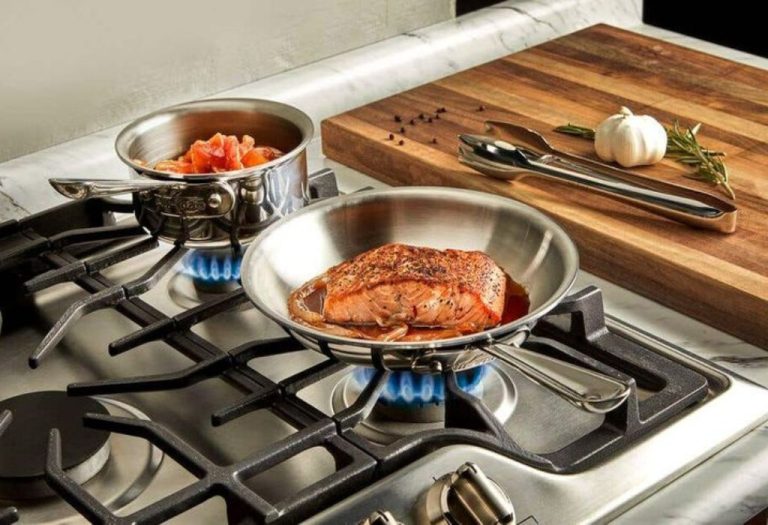
Protein-rich foods like eggs, fish, or meats are prone to adhesion if cooked on high heat or in insufficient oil. Using moderate heat, preheating the pan, and adding a thin layer of cooking fat ensures even searing without sticking.
Starchy foods, such as rice or potatoes, can also cling to the surface if moisture and fat balance is not maintained. Stirring gently and monitoring moisture levels prevents adherence while allowing even cooking.
Delicate sauces or caramel require low and steady heat to avoid sticking and burning. Copper’s superior heat conductivity helps maintain precise temperatures, but careful attention is needed to prevent adhesion or scorching.
For baked or slow-cooked dishes, using lined copper cookware ensures food releases easily. Occasional light seasoning or coating with butter or oil can further enhance non-stick performance for long cooking times.
By adapting techniques to the type of food being prepared, home cooks can reduce sticking, enhance flavor, and extend the lifespan of their copper cookware. Understanding how different ingredients interact with the pan ensures optimal results and preserves its non-stick properties.
Common Mistakes That Cause Food to Stick in Copper Cookware
Even experienced cooks can inadvertently cause food to stick in copper cookware if proper techniques are not followed. Understanding and avoiding these mistakes is crucial for preserving the pan’s non-stick performance and ensuring smooth cooking.
One common error is cooking on excessively high heat. Copper conducts heat extremely well, and using too high a temperature can cause proteins and sugars in food to bond with the pan’s surface, increasing the likelihood of sticking.
Another frequent mistake is adding food to a cold pan without preheating. Gradually heating the pan ensures even temperature distribution and helps prevent adhesion between food and the lining.
Using insufficient amounts of cooking oil or fat can also contribute to sticking. Oils form a protective barrier between food and the pan, so selecting an appropriate amount and type of fat, preferably with a high smoke point, is important.
Neglecting the pan’s maintenance is a further contributor. Scratches, worn linings, or corrosion reduce the non-stick properties of the cookware.
Regular cleaning with non-abrasive materials, proper handling, and occasional seasoning preserve the integrity of tin or stainless steel linings.
Finally, improper handling during cooking, such as sliding food or utensils aggressively across the pan, can damage the lining and increase sticking. Using gentle techniques and appropriate utensils, like wooden or silicone, protects the pan’s surface.
By avoiding these common mistakes, home cooks can maximize the performance of their copper cookware. Awareness of heat control, preheating, adequate fat, and careful handling ensures food releases easily and preserves the pan for long-term use.
Maintenance Tips to Prevent Sticking
Proper maintenance is essential to preserving the non-stick properties of copper cookware. Regular cleaning, careful handling, and occasional seasoning can significantly reduce the likelihood of food sticking.
Cleaning should be done with mild, non-abrasive detergents and soft cloths or sponges. Harsh chemicals and scrubbing pads can damage the lining, increasing the chances of sticking over time.
Seasoning tin-lined copper cookware occasionally helps maintain a smooth, non-stick surface. Applying a thin layer of oil and heating the pan gradually can restore its protective layer and improve food release.
Handling cookware correctly also prevents damage to the lining. Wooden, silicone, or nylon utensils should be used to avoid scratches, and pans should be stored in a way that prevents abrasive contact with other cookware.
Regular inspections for wear or corrosion allow home cooks to identify issues before they affect cooking performance. Maintaining both the pan’s lining and exterior ensures long-lasting functionality, allowing copper cookware to perform optimally and minimize sticking.
By combining proper cleaning, seasoning, careful handling, and regular inspections, cooks can enjoy smooth cooking with copper cookware. These practices preserve the cookware’s integrity, enhance its heat performance, and reduce the frustration of food sticking.
Alternatives to Copper Cookware
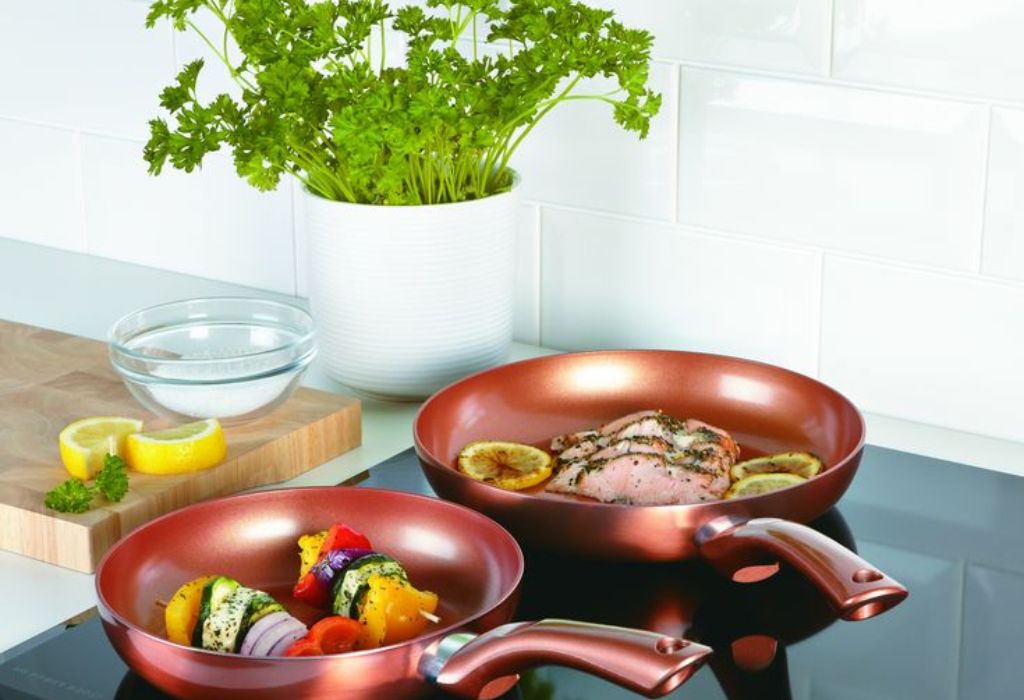
For home cooks concerned about food sticking, several alternative cookware options are available. Stainless steel, cast iron, nonstick, and ceramic pans each offer distinct advantages and may reduce sticking compared to copper cookware.
Stainless steel cookware is durable and non-reactive, making it suitable for a wide range of cooking tasks. Proper preheating and adequate oil use can further minimize sticking on stainless steel surfaces.
Cast iron pans provide excellent heat retention and, when properly seasoned, a natural non-stick surface. Enameled cast iron can also be used, though care must be taken to avoid scratching the enamel coating.
Nonstick cookware offers convenience, as its coating prevents food from adhering to the surface. Care must be taken to use the appropriate utensils and avoid high heat to maintain the non-stick layer.
Ceramic cookware is another non-reactive option that performs well with acidic foods and provides a smooth cooking surface. While generally safe from sticking, gradual heating and proper cleaning are recommended to maintain its performance.
By understanding these alternatives, cooks can choose the right cookware based on their cooking style and preferences. Each material offers solutions to common sticking problems, allowing home cooks to enjoy efficient and stress-free cooking.
Does copper cookware stick while cooking?
Copper cookware can stick if it’s not properly preheated or if food is added before the pan reaches the right temperature. This is common with uncoated or tin-lined copper pans.
Why does food stick to copper cookware?
Copper conducts heat extremely well, so temperature changes happen fast. If the pan is too hot or too cold when food is added, proteins can bind to the surface and cause sticking.
Does lined copper cookware reduce sticking?
Yes, copper pans lined with stainless steel or tin are less likely to stick because the lining provides a smoother, non-reactive surface for cooking.
How can I prevent food from sticking to copper cookware?
Preheat the pan on low to medium heat, add oil or butter, and wait until it shimmers before adding food. This helps create a temporary nonstick barrier.
Can I use cooking spray on copper cookware?
It’s better to use natural oils or butter instead of aerosol sprays. Cooking sprays can leave a sticky residue that’s difficult to remove.
Is tin lining in copper pans nonstick?
Yes, tin has natural nonstick properties. However, it’s soft and can wear down over time, so avoid metal utensils and high heat.
Why does stainless-steel-lined copper cookware stick more?
Stainless steel doesn’t have nonstick properties, so food may stick if the pan isn’t properly heated or oiled before cooking.
Can seasoning help prevent sticking on copper pans?
Seasoning isn’t required for copper cookware, but lightly oiling and heating before each use helps minimize sticking and maintain a smooth surface.
How should I clean stuck-on food from copper cookware?
Soak the pan in warm, soapy water, then use a soft sponge or nylon scrubber. Avoid metal pads or abrasives that can damage the lining.
What’s the best way to cook without sticking on copper cookware?
Cook on moderate heat, use enough fat (oil, butter, or ghee), and allow food to sear naturally before flipping—this ensures easy release and perfect browning.
Conclusion
Copper cookware offers exceptional heat conductivity and aesthetic appeal, but food sticking can be a common challenge. Proper understanding of the factors that cause sticking, combined with correct usage and maintenance, ensures optimal cooking performance.
Using lined copper pans, preheating properly, employing sufficient cooking fats, and maintaining the cookware with gentle cleaning and occasional seasoning can minimize sticking.
Awareness of pan condition and avoiding metal utensils preserves the integrity of tin or stainless steel linings.
Alternative cookware, including stainless steel, cast iron, nonstick, and ceramic, can provide reliable non-stick performance for home cooks who prefer lower maintenance. Each option allows for versatile cooking without the frustration of stuck food.
By following these guidelines, home cooks can enjoy the benefits of copper cookware while reducing the risk of sticking. Consistent care, proper technique, and informed cookware selection transform copper pans into long-lasting, high-performing, and enjoyable kitchen tools.

I’m Emma J. Caldwell, the founder, lead writer, and home-cooking enthusiast behind KitchenGuideCo.com. With a background in culinary arts and over a decade of cooking experience in both professional and personal kitchens, I created this platform to demystify recipes, offer smart kitchen gadget reviews, and guide readers through meal prep with confidence and clarity.