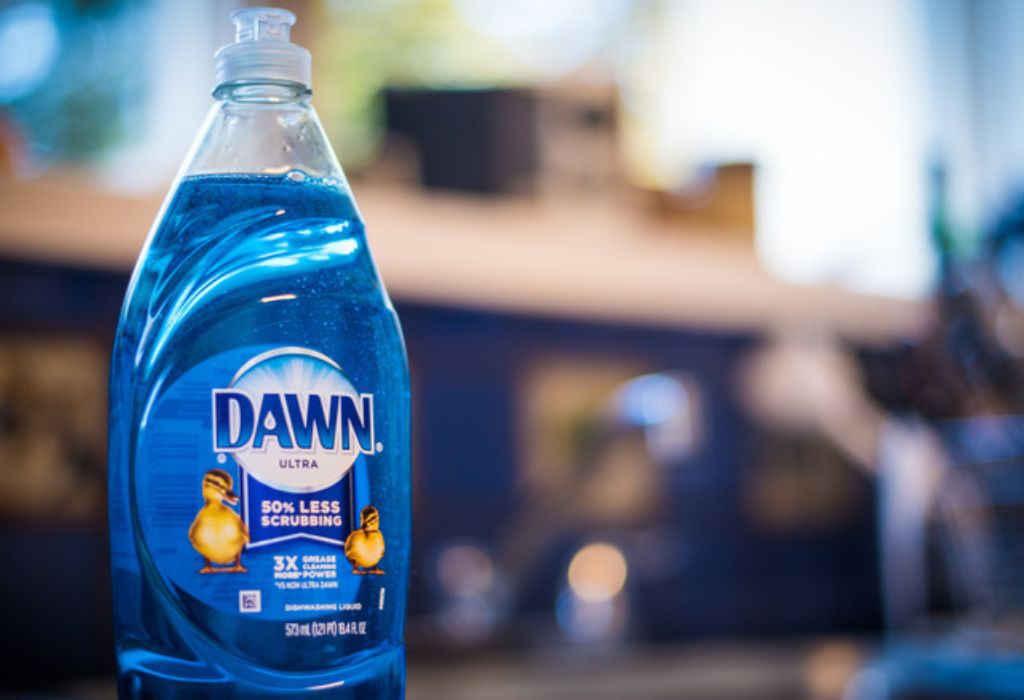
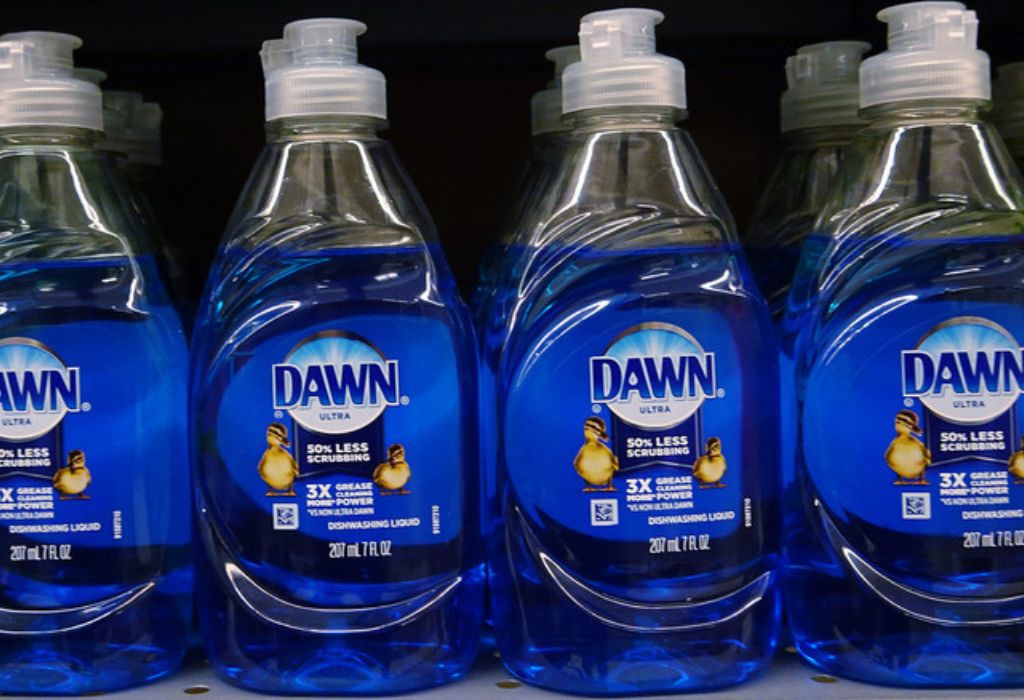
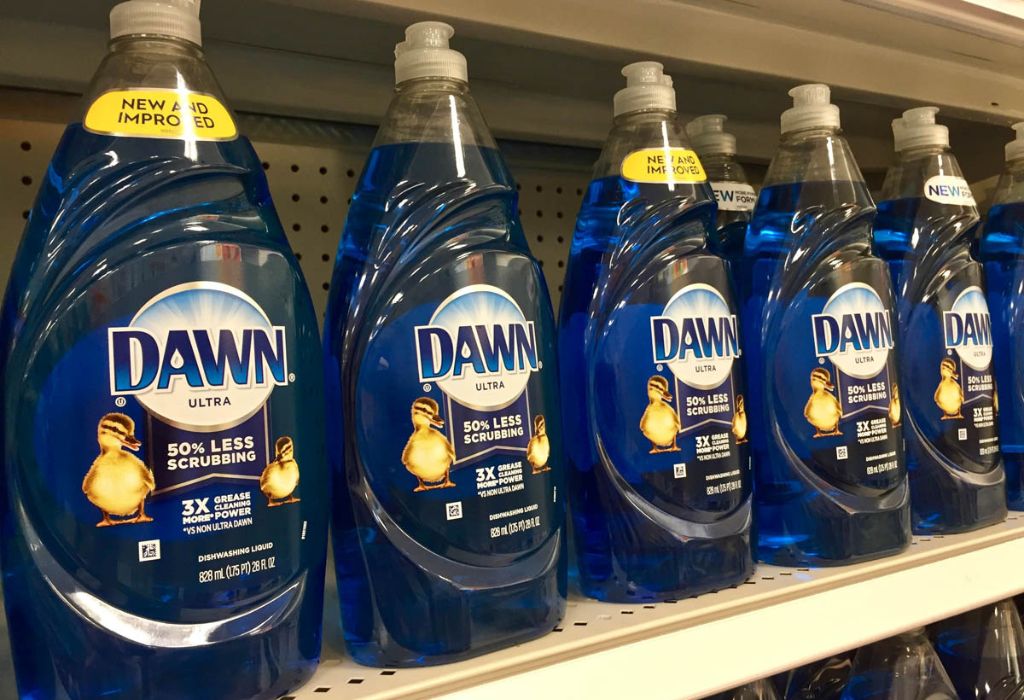
The moment someone discovers lice in their hair or on their child’s scalp, panic sets in quickly. People immediately begin searching for fast home remedies, and one of the most talked about solutions is Dawn dishwashing liquid.
Families hear stories of it stripping oil from the lice and wonder whether this simple household soap can truly solve such a stubborn problem.
The idea seems reasonable at first because Dawn is known for cutting grease and removing oil from feathers, skin and surfaces. Many assume that if the soap is strong enough to clean wildlife after oil spills, it might also kill lice.
But as more people try it and get mixed results, confusion grows about whether Dawn works or whether it simply helps loosen the bugs temporarily.
Understanding how Dawn interacts with lice helps clear up many misunderstandings. Lice are resilient insects designed to cling tightly to hair and survive through thick oils and shampoos.
Treating them effectively requires knowing what actually kills them and what only slows them down.
Understanding What Lice Are and How They Survive
Head lice are small insects that live on the human scalp and feed on tiny amounts of blood throughout the day. They cling tightly to hair strands using claw-like legs that are built for gripping. Because of their strong hold, regular shampooing does not remove them easily.
Lice survive by moving quickly across the scalp. Their speed makes them difficult to catch or remove by hand. They also hide close to the roots of the hair where warmth and moisture are ideal.
Female lice lay eggs called nits, which attach firmly to individual hair strands. These eggs are cemented in place with a sticky substance that acts like glue. This glue is strong enough to withstand water, shampoo and many household products.
Nits hatch in about a week, creating a new generation of lice. If the eggs are not removed, the infestation continues even when adult lice are killed. This is why many treatments focus on both lice and eggs.
Lice cannot jump or fly. They spread only through direct hair-to-hair contact, making close contact the main cause of transmission. Understanding their behavior helps explain why certain remedies work better than others.
Because lice depend on the scalp for warmth and food, they cannot survive long away from the body. Most lice die within a day or two when separated from hair. This makes environmental cleaning important but not as critical as treating the scalp itself.
How Dawn Dishwashing Liquid Works on Lice
Dawn dishwashing liquid is designed to remove oils, grease and residue from surfaces. When applied to hair, it strips natural oils from both the scalp and lice. These oils are essential for moisture and comfort, especially for insects living close to the skin.
The soap can weaken lice temporarily by drying their outer shell. This outer layer helps protect them from dehydration. When weakened, lice may become slower and easier to comb out.
Dawn also makes the hair less slippery by removing natural oils. This causes lice to lose some grip on the strands. As a result, more lice may fall off during the washing or combing process.
However, Dawn does not attack the nervous system, digestive system or respiratory system of lice. Most medical lice treatments affect lice internally to ensure they die completely. Dawn only affects the outer surface, which limits its effectiveness.
The product can help loosen debris and make combing easier. Combing is a critical part of lice removal because it physically removes both bugs and eggs. Dawn simply makes the combing process smoother.
Using Dawn repeatedly may irritate the scalp. Dryness leads to itching and can make people believe the lice problem is worse. Understanding these effects helps people choose safe and effective treatments.
Can Dawn Actually Kill Lice or Only Remove Them
Many people assume Dawn kills lice instantly because it is a strong degreasing soap. In reality, Dawn does not consistently kill lice on contact. Some lice may weaken, but many survive the wash and continue feeding.
Dawn works better as a dislodging agent rather than a killing treatment. It removes the slippery oil that lice use to stay comfortable on the scalp. Without this oil, they become easier to remove with a fine tooth comb.
Some lice may drown during the washing process. However, lice can survive underwater for several hours by closing their breathing holes. This makes drowning an unreliable method of killing them.
Dawn does not affect lice eggs. The protective shell around nits prevents the soap from penetrating. Even with thorough washing, the eggs remain attached.
Parents often feel disappointed after trying Dawn because lice reappear within a few days. This happens because the eggs hatch and produce new lice. Without a full removal strategy, Dawn cannot break the life cycle.
While Dawn may help reduce the number of lice temporarily, it cannot guarantee complete elimination. Effective lice treatment requires a method that targets both adults and unhatched eggs. Understanding this limitation prevents frustration during treatment.
Step by Step Guide to Using Dawn on Lice
Using Dawn dishwashing liquid on lice begins by wetting the hair completely with warm water. Warm water helps loosen dirt and softens the scalp, making the application smoother. It also helps Dawn spread more evenly across the hair.
Apply a small amount of Dawn to the scalp and roots. Focus on areas behind the ears and near the neck where lice often hide. Massage thoroughly to ensure the soap reaches every strand.
Work the soap through the entire length of the hair. Lathering helps Dawn break down oils that protect lice. This process temporarily weakens their grip.
Let the soap sit for several minutes. Allowing it to rest increases its ability to strip oils. However, leaving it too long may dry the skin.
Rinse thoroughly with warm water. Dawn is thick and requires extra rinsing to remove fully. Any residue left behind may irritate the scalp.
After rinsing, use a fine tooth lice comb. This comb removes weakened lice and dislodged eggs. Combing is the most important step in the entire process.
Repeat the process only if necessary. Daily use may cause dryness or irritation. Always monitor the scalp for redness or discomfort.
Risks and Skin Reactions When Using Dawn for Lice
Dawn is strong enough to remove heavy grease, which means it can also remove the natural oils that protect the scalp. Stripping these oils causes dryness and irritation. Sensitive skin may react quickly to repeated use.
Some people experience redness after washing with Dawn. This redness may feel similar to sunburn. It signals that the skin barrier has been disrupted.
Children are more sensitive to harsh soaps. Their scalps dry out faster and become itchy. Prolonged dryness may lead to flaking and discomfort.
If the scalp cracks from dryness, bacteria may enter those small openings. This increases the risk of infection. Monitoring the skin after washing is important.
Eyes are also at risk when using Dawn. Even small amounts of soap can cause stinging and irritation. Extra care should be taken when treating children.
Allergic reactions are rare but possible. Some ingredients in dishwashing detergent may cause swelling or rashes. Stop use immediately if the reaction worsens.
Understanding these risks helps you decide whether Dawn is safe for your situation. People with sensitive skin should consider gentler alternatives. Safety should always come before convenience.
Why Dawn Does Not Kill Lice Eggs (Nits)
Nits are one of the toughest parts of any lice infestation. These tiny eggs are covered in a hard outer shell that protects the developing insect inside. Dawn cannot penetrate this shell no matter how long it is applied.
The glue that attaches nits to hair strands is also very strong. It resists water, shampoo and most household products. Even vigorous washing rarely removes nits without combing.
Because nits hatch within 7 to 10 days, leaving them behind ensures the infestation continues. This cycle repeats until the eggs are physically removed. Dawn does nothing to loosen or kill these eggs.
Most parents mistakenly think the problem is solved when they no longer see adult lice. However, nits are often small, pale and difficult to notice. Once they hatch, the infestation returns.
Combing is the only effective method for removing nits. Fine tooth lice combs are designed to catch the eggs while sliding through the hair. Consistent combing is essential for full elimination.
Relying on Dawn alone leads to repeated reinfestations. Without removing the eggs, the lice cycle starts again. Understanding the limitations of Dawn helps prevent frustration.
Can Dawn dissolve the glue that holds lice eggs to hair?
No, Dawn cannot break down the sticky substance that attaches eggs to hair. This glue is extremely strong and resistant to soap. Only combing can remove the eggs effectively.
Will soaking hair in Dawn kill lice eggs?
No, lice eggs have a protective shell that prevents Dawn from entering. The soap cannot affect the developing insect inside. Eggs must be removed manually.
Does Dawn make eggs easier to see?
Sometimes Dawn removes oil that hides the eggs. This makes them slightly easier to spot. However, it does not loosen or kill them.
Can Dawn stop new lice from hatching?
No, Dawn has no effect on the internal development of the egg. Nits will still hatch on schedule unless removed. This is why repeated combing is necessary.
Should I use Dawn daily to prevent eggs from hatching?
Daily use may irritate the scalp without improving results. Dawn cannot stop eggs from hatching no matter how often it is used. Overwashing only leads to dryness and discomfort.
Comparing Dawn to Medical Lice Treatments
Medical lice treatments work differently from dishwashing liquid. They target the nervous system or breathing system of lice, which leads to complete death rather than temporary weakening. Because these treatments act internally, they produce more reliable results than Dawn.
Products containing permethrin or pyrethrin are among the most commonly used. These ingredients are designed specifically to kill lice on contact. They penetrate the insect’s body and stop further movement.
Some treatments use silicone-based formulas such as dimethicone. These products coat lice and block their ability to breathe. Unlike Dawn, these formulas trap and suffocate lice effectively.
Medical treatments often require precise timing. Many must be applied again after seven to ten days to ensure newly hatched lice are eliminated. Following the instructions increases the chances of full success.
Medical lice treatments also undergo safety testing. They are tested for skin sensitivity, side effects and long term safety. This makes them more predictable compared to household detergents.
Dawn has no medical approval for treating lice. It was never designed for use on skin or hair. Comparing them clearly shows that medical options are more effective.
Using Dawn may reduce lice temporarily, but medical treatments deliver consistent and complete results. This difference helps families choose appropriate solutions. Combining methods may also be considered with professional guidance.
Alternatives That Work Better Than Dish Soap
Several alternatives offer safer and more effective lice treatment than Dawn. These methods target both lice and their eggs through proven mechanisms. Understanding these alternatives helps families choose reliable options.
One popular method is using specialized lice removal oils. These oils coat the lice and block their breathing passages. Unlike Dawn, they are formulated to stay on the hair without causing dryness.
Another alternative is using heat based treatments. Professional devices apply controlled warmth that dehydrates lice and eggs. This method can kill lice at multiple stages of their life cycle.
Over the counter medications offer a wide range of options. Some use chemical formulas while others rely on natural oils. These products are designed specifically for lice removal and come with clear instructions.
Professional lice removal clinics also provide hands on treatment. Specialists use advanced tools to remove lice and eggs thoroughly. This option helps families who feel overwhelmed by the process.
Home remedies such as olive oil or coconut oil are also popular. These oils suffocate lice and make combing easier. They are gentler on the scalp compared to dish detergents.
Comparing alternatives helps users make the safest choice. While Dawn can assist with cleaning and loosening debris, other methods deliver more predictable results. Choosing the right method leads to faster and more complete removal.
Cleaning Hair Tools, Bedding and Clothing After Lice
Lice can survive off the scalp for a short period, which makes cleaning personal items important. Combs, brushes and hair accessories may hold stray lice or eggs. Washing and sanitizing these items helps prevent reinfestation.
Hot water is the most effective method for cleaning washable items. Water at high temperatures kills lice quickly. Clothing, pillowcases and towels should all be washed this way.
Items that cannot be washed can be sealed in airtight bags. Lice cannot survive long without a host and die within a day or two. Bagging items helps ensure all stray insects are eliminated.
Vacuuming upholstered furniture can remove stray lice. While lice rarely survive on furniture, debris from hair may fall onto surfaces. Vacuuming reduces the chance of accidental transfer.
Hair brushes should be cleaned thoroughly. Soaking them in hot water for several minutes kills lice that may cling to the bristles. Combs used for lice removal should be disinfected before future use.
Stuffed toys and soft items can also be cleaned. If washing is not possible, sealing them in bags for several days works effectively. These methods help keep the environment clean and safe.
Cleaning these items ensures that lice do not spread again. Proper hygiene supports the main lice treatment and prevents ongoing problems. A clean environment helps maintain long term success.
Do lice live on bedding long enough to cause reinfestation?
No, lice cannot survive more than a day or two away from the scalp. Washing bedding removes any remaining insects. Hot water offers the most reliable cleaning.
Should I throw away brushes after lice treatment?
No, most brushes can be cleaned safely. Soaking them in hot water kills lice effectively. There is no need to replace them unless damaged.
Can lice stay on clothes after washing?
Not if the clothes are washed in hot water. Heat eliminates lice quickly. Drying on high heat adds extra protection.
Do I need to spray furniture with chemicals?
Sprays are usually unnecessary. Vacuuming and proper cleaning are enough to remove stray insects. Most lice die quickly without a host.
Can lice survive on stuffed toys?
They may cling temporarily but do not survive long. Sealing toys in bags for a few days kills remaining lice. This simple method prevents reinfestation.
How to Prevent Lice From Returning After Treatment
Preventing lice from returning is just as important as removing the current infestation. Even one surviving louse can restart the entire cycle. Taking preventive steps ensures long term success.
Avoid sharing combs, brushes and hair accessories. Lice spread easily through direct item contact. Teaching children to use their own items reduces the chances of reinfestation.
Tie long hair during school or outings. Lice transfer more easily when hair hangs loose. Keeping hair contained lowers the risk of contact.
Check the scalp regularly after treatment. Lice can reappear before anyone notices itching. Early detection makes removal much easier.
Encourage children to avoid head to head contact. Close play is the main reason lice spread among kids. Healthy habits help stop transmission.
Keep lice combs available for regular use. Even after treatment, combing helps catch any missed eggs. Consistent combing prevents larger outbreaks.
Preventive steps ensure the infestation does not return. These habits protect children and adults from repeated problems. Long term awareness maintains a lice free environment.
When to Seek Professional or Medical Help
Professional help becomes necessary when home treatments fail repeatedly. Some infestations are stubborn because lice develop resistance to certain formulas. When this happens, stronger treatments or specialized tools are required.
A medical provider can prescribe advanced lice medications. These prescriptions target lice with stronger ingredients. They work even when over the counter products fail.
Professional lice removal clinics offer thorough combing services. Technicians manually remove lice and eggs using specialized equipment. This method is fast and highly effective.
Doctors should be consulted if the scalp develops redness, swelling or infection. Scratching due to itching can break the skin. These open areas may need medication to heal properly.
People with sensitive skin may also require medical guidance. Harsh soaps or repeated treatments can irritate the scalp. A specialist can recommend safer options.
Children who experience repeated lice outbreaks may need environmental evaluation. Schools or group activities could be contributing to the problem. Identifying the source helps prevent future infestations.
Seeking help ensures the infestation is addressed quickly. Professional care delivers reliable results and reduces stress. It also helps families avoid unnecessary trial and error.
When should I see a doctor for lice treatment?
If repeated treatments fail or the scalp shows signs of infection, medical care is needed. Doctors can prescribe stronger medications. This ensures the lice are fully eliminated.
Do professionals remove lice better than home treatments?
Yes, professionals use tools and techniques that reach every part of the scalp. Their methods are thorough and fast. They remove lice and eggs more consistently.
Is it normal for lice to return after treatment?
It can happen if eggs were left behind. Newly hatched lice start the cycle again. Regular combing helps prevent this.
Can lice cause medical problems?
Lice do not carry diseases, but scratching can cause skin infections. Open wounds may require treatment. Proper care prevents complications.
Are prescription lice treatments safe?
Yes, prescription treatments undergo strict safety testing. Doctors consider age and skin sensitivity when recommending them. They are often safer than repeated home remedies.
Myths and Misconceptions About Lice Home Remedies
Many myths surround lice removal, especially among families looking for fast solutions. These myths often lead to ineffective treatments that waste time. Understanding the truth helps avoid unnecessary frustration.
One common myth is that lice jump from one person to another. In reality, lice cannot jump or fly. They spread only through direct contact.
Another myth claims that shaving the head automatically eliminates lice. While shaving may help, small hairs can still hold eggs. Complete removal still requires careful combing.
Some believe that mayonnaise, butter or oils kill lice completely. These products may suffocate some lice, but eggs usually survive. Treatments must target both lice and eggs to work fully.
Another misconception is that lice prefer dirty hair. Lice actually cling more easily to clean hair because it has more grip. Hygiene does not protect against lice.
Using vinegar alone to kill lice is also ineffective. Vinegar may help loosen eggs slightly, but it cannot kill them. Only proper removal techniques ensure success.
Finally, many people assume household cleaners are safe for the scalp. These products can cause irritation or chemical burns. Only safe, proven treatments should be used on hair and skin.
Understanding these myths helps guide families toward correct treatment. Accurate information leads to faster results and fewer complications. Knowledge ensures a safer, more effective approach to lice removal.
Understanding Why Lice Return Even After Treatment
Lice often return when eggs are not fully removed during the first round of treatment. Because nits hatch within seven to ten days, any leftover eggs start the infestation again. This problem is very common when treatments focus only on adult lice.
Another reason lice return is due to reinfection from another person. Children who play closely spread lice easily through hair contact. Treating only one person is not enough if others around them still have lice.
Some lice develop resistance to certain products. When lice survive a treatment that should kill them, they continue the cycle. Switching to a different method becomes necessary in these situations.
Combing technique also affects the outcome. If the comb misses areas of the scalp, eggs remain attached. Poor lighting or rushed combing can lead to incomplete removal.
Environmental cleaning plays a smaller but still important role. If brushes, hats or bedding contain stray lice, reinfestation is possible. Properly cleaning these items reduces the risk of recurrence.
Understanding the root cause of returning lice helps families target the problem correctly. Lice removal requires patience, consistency and the right tools. Addressing every factor ensures a long term solution.
Why do lice come back after washing with Dawn?
Dawn does not kill lice eggs, so new lice hatch afterward. These newly hatched lice restart the infestation. Effective removal requires eliminating both lice and eggs.
Can I get lice again from the same person?
Yes, reinfection is common when both individuals are not treated fully. Close contact allows lice to move easily. Treating everyone involved prevents repeated outbreaks.
Do lice become resistant to Dawn dish soap?
Lice are not affected deeply enough by Dawn to develop resistance. Dawn does not kill them consistently. It only weakens or removes them temporarily.
How long before lice reappear after incomplete treatment?
Lice usually reappear within a week after eggs hatch. This happens when nits are not removed. Regular combing helps prevent this.
Will changing shampoos prevent lice from coming back?
No, shampoos do not stop lice from returning. Only avoiding contact and removing eggs works. Shampoo alone is not an effective prevention strategy.
Conclusion
Understanding whether Dawn dishwashing liquid can kill lice helps families make safer and more informed decisions. Dawn may weaken lice by stripping oils from the scalp and hair, but it cannot kill lice eggs and does not work as a complete treatment.
Many people mistakenly think the infestation is gone after washing, only to see lice return once the eggs hatch.
Using Dawn may help loosen lice and make combing easier, but it should never replace proven medical or professional lice treatments. Effective removal requires targeting both adult lice and the more stubborn eggs firmly attached to the hair.
Medical treatments, oils designed for lice removal and professional services offer more reliable results than household dish soap.
Careful combing remains one of the most important steps, no matter which method is used. Combing helps remove both living lice and the unhatched eggs that keep the infestation going. Without combing, any treatment risks leaving behind eggs that will start the cycle again.
Cleaning bedding, brushes and clothing also supports successful treatment. These items can hold stray lice temporarily, and proper cleaning ensures they do not spread again. Maintaining these habits reduces reinfestation and keeps the environment safe.
With the right combination of proven methods, consistent combing and proper hygiene, lice can be removed fully and prevented from returning.
Understanding the limitations of Dawn helps families avoid ineffective solutions and focus on treatments that work. A well informed approach ensures faster results and greater peace of mind.

I’m Emma J. Caldwell, the founder, lead writer, and home-cooking enthusiast behind KitchenGuideCo.com. With a background in culinary arts and over a decade of cooking experience in both professional and personal kitchens, I created this platform to demystify recipes, offer smart kitchen gadget reviews, and guide readers through meal prep with confidence and clarity.