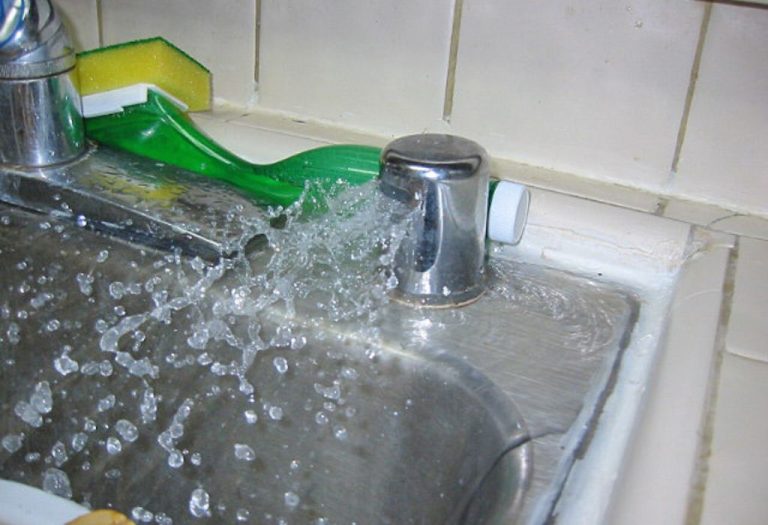
Dishwashers look simple on the outside, but inside they combine electricity, heating elements and water in one tightly sealed system. Most people never think about the electrical outlet behind the machine because the appliance runs quietly and safely every day.
But the moment they hear about GFCI protection for kitchen areas, they begin wondering whether their dishwasher is supposed to be plugged into one.
Some homeowners discover new safety code updates that require additional protection for appliances that involve water. Others see renovation videos where electricians insist on GFCI outlets near sinks and start questioning their own kitchen setup.
This creates uncertainty because not all homes have been updated to match modern electrical standards.
The question becomes even more confusing when people learn that older homes may follow different rules than new constructions. A kitchen built fifteen years ago may not follow the same regulations used today.
Understanding when dishwashers need GFCI protection clears these doubts and ensures safer operation for everyone.
How Dishwashers Use Electricity and Water

A dishwasher uses both electricity and water to clean dishes efficiently. Inside the machine, a heating element warms the water and helps dry the dishes at the end of the cycle. Electrical components control water flow, spray timing and internal temperature.
This combination of water and electricity always requires careful safety planning. Any moisture near wiring can create a potential shock hazard if not properly controlled. This is why appliance placement and outlet type matter significantly.
Dishwashers typically run for an extended period of time. During this process, moisture and steam may escape from vents depending on the model. These small traces of water can reach nearby surfaces or outlets if the setup is not protected.
The wiring inside the machine is heavily insulated, but no appliance is completely immune to age or wear. Over time, seals may loosen and internal parts may weaken. This makes electrical protection even more important.
The outlet a dishwasher uses also plays a major role. Some dishwashers plug into a standard outlet while others are hardwired into the wall. The type of connection often determines what protection the electrical code requires.
Because the dishwasher combines water, electricity and long running cycles, it becomes one of the kitchen appliances most likely to benefit from GFCI protection. Understanding how all these factors work helps homeowners make safer decisions.
What GFCI Protection Actually Does
A GFCI outlet is designed to monitor the electrical flow between hot and neutral wires. If it detects even a small imbalance, it cuts power instantly. This helps prevent electric shock in wet or damp conditions.
The main purpose of a GFCI is to protect people rather than appliances. If a fault occurs and electricity tries to travel through water or a person, the GFCI shuts off the circuit within milliseconds. This fast reaction keeps dangerous events from becoming serious accidents.
GFCI outlets are most commonly used near sinks, bathrooms and outdoor areas. These locations expose outlets to moisture frequently. Kitchens fall into this category because dishwashing and cooking involve water on a daily basis.
Dishwashers often sit close to sinks, which increases the risk of moisture reaching the outlet. Steam, leaks or splashes can create a hazardous environment. GFCI protection offers a safety layer to reduce the risk of shock.
Modern electrical codes recognize that dishwashers operate in potentially wet locations. This is why many updated regulations require GFCI outlets for kitchen appliances. These rules ensure each appliance receives protection when needed.
Even though GFCI mainly protects people, it indirectly protects the appliance from dangerous electrical conditions. It prevents long term damage caused by electrical faults. This makes it a valuable part of kitchen safety.
When a Dishwasher Legally Requires a GFCI Outlet
Modern electrical codes specify when a dishwasher must have GFCI protection. In recent updates, most residential kitchens now require GFCI protection for dishwashers regardless of their location. This rule applies whether the appliance is plugged in or hardwired.
If your home follows the 2020 NEC code or newer, your dishwasher must be on a GFCI protected circuit. This requirement helps reduce shock hazards in kitchens where moisture is common. Builders and electricians must follow these standards during installation.
Homes built under older electrical codes may not require GFCI for dishwashers. Previous versions of NEC did not include dishwashers in mandatory GFCI locations. This difference creates confusion for homeowners comparing old homes to new builds.
Renovations often trigger new code requirements. If you update the kitchen wiring or replace the dishwasher circuit, the new code applies. Installing a GFCI becomes mandatory under these circumstances.
Some local jurisdictions have their own rules. While many follow NEC, others modify the code to suit regional needs. Checking local regulations provides the most accurate answer for your area.
Even if not legally required, electricians recommend GFCI protection for dishwashers. The added safety offers peace of mind. It reduces the chances of shock during a leak or malfunction.
Changes in Electrical Code Over the Years
Electrical codes change regularly to improve safety. Older NEC versions did not require GFCI protection for dishwashers. In those years, only countertop outlets and sink side outlets required GFCI.
In newer codes, the requirement expanded. Kitchens are now considered high moisture environments. Because of that, dishwashers fall under the GFCI category.
The 2014 code introduced more locations for GFCI protection. However dishwashers did not yet fall under this requirement. Homeowners with kitchens built during this time may not see GFCI on their dishwasher circuit.
The 2017 code added even more specific locations. Safety improvements reflected growing awareness of electrical hazards in modern homes. Still, dishwashers were not always included.
In the 2020 NEC code, dishwashers became officially required to be GFCI protected. This update made the rule clear for all new installations. Most electricians follow this version during new construction.
These updates show how safety standards evolve. Homes built in different years follow different requirements. Understanding these changes helps homeowners know if their kitchen needs upgrades.
Can an Older Dishwasher Work Without GFCI
Older dishwashers can still operate safely without GFCI if they were installed according to the code at that time. These models were designed to work with standard outlets or hardwired connections. The absence of GFCI does not mean the appliance is unsafe.
However aging appliances may develop small leaks or electrical wear. Without GFCI protection, even minor faults can create shock hazards. Adding GFCI helps protect against unpredictable conditions.
Older homes often have electrical wiring that has aged over decades. Insulation and connectors may no longer be in perfect condition. GFCI reduces risk in these situations by cutting off power instantly.
Some older dishwashers may trip a GFCI when first installed. This can happen because older motors draw current differently. Electricians can diagnose these issues and confirm whether the appliance is functioning correctly.
If the dishwasher works without tripping a properly installed GFCI, it is safe to use. Many older models operate smoothly with the added protection. The key is installing the device correctly and checking for underlying issues.
Upgrading the outlet to GFCI improves safety even for older models. It offers protection that did not exist when the appliance was first installed. This upgrade helps modernize electrical safety in older homes.
Safety Risks of Running a Dishwasher Without GFCI
Running a dishwasher without GFCI protection increases the risk of electrical shock. This shock can occur during leaks or moisture buildup. GFCI prevents this by shutting off the power before harm occurs.
Dishwashers contain water lines that help fill and drain the appliance. If these lines leak or loosen over time, water may reach electrical components. Without GFCI, the risk increases significantly.
The heating element inside the dishwasher becomes very hot during drying cycles. If it malfunctions and contacts moisture, a fault can occur. GFCI prevents this from turning into a dangerous situation.
Even small amounts of condensation or steam can travel along nearby surfaces. This moisture may contact the outlet or wiring. Without GFCI protection, the moisture can cause hidden electrical hazards.
Older wiring may have worn insulation that is vulnerable to moisture. This adds more risk when using appliances without GFCI. A protected circuit eliminates this hazard entirely.
People often touch the dishwasher while cleaning or loading. If an electrical fault occurs and the appliance is not protected, the shock can be severe. GFCI reduces this risk dramatically.
AFCI vs GFCI for Dishwasher Circuits
AFCI stands for arc fault circuit interrupter. It protects against electrical fires caused by damaged wires. GFCI protects against electrical shock caused by moisture or ground faults.
Dishwashers can benefit from both AFCI and GFCI protection. AFCI prevents fire hazards caused by worn wires or loose connections. GFCI prevents shock hazards in wet environments.
Some electrical codes require both AFCI and GFCI for certain circuits. This dual protection offers maximum safety in modern kitchens. It ensures that both fire and shock risks are minimized.
AFCI alone does not replace GFCI. While AFCI detects electrical arcs, it cannot detect ground faults in moisture. This gap makes GFCI necessary for appliances that use water.
GFCI alone also does not replace AFCI. GFCI prevents shocks but cannot detect hidden arcs behind walls. Using both ensures complete safety.
Electricians often recommend combining protections whenever possible. Modern breakers often include dual function options. These breakers save space and increase electrical safety.
Hardwired vs Plug In Dishwashers and GFCI Rules
Some dishwashers plug directly into an outlet. Others are hardwired into the wall. The type of connection determines how GFCI is installed.
If your dishwasher uses a plug in connection, the outlet must be GFCI protected. This ensures the appliance receives proper safety coverage. This setup is common in newer kitchens.
Hardwired dishwashers cannot use a GFCI outlet outlet. Instead they require a GFCI breaker at the electrical panel. This provides the same protection through a different installation method.
Electricians often upgrade the breaker when installing a new dishwasher. This helps ensure compliance with modern electrical codes. It also protects the appliance from electrical faults.
Some older homes use junction boxes behind the dishwasher. In these cases a GFCI breaker is the easiest solution. It protects the entire circuit leading to the appliance.
Regardless of connection type, the dishwasher must be on a GFCI protected circuit if your local code requires it. This rule ensures kitchen safety is consistent. Following these requirements prevents hidden electrical hazards.
Do All Cities Follow the Same Electrical Code
Most areas in the United States follow NEC guidelines. However some cities modify specific sections. These modifications can affect whether dishwashers need GFCI.
Some regions adopt new NEC codes immediately. Others take several years before updating. This creates variation in requirements depending on location.
Local inspectors enforce the rules used in their jurisdiction. They determine whether your installation must follow the latest guidelines. Checking local regulations prevents confusion.
Contractors usually know the rules for your area. Asking them helps ensure your kitchen meets current standards. This step avoids unnecessary violations.
Local rules may require GFCI even when NEC does not. This depends on city specific safety concerns. Always follow local requirements for accurate compliance.
Even if your city uses older rules, upgrading to GFCI is still recommended. It provides protection that benefits any household. Safety improvements never lose value over time.
Can You Install a GFCI for a Dishwasher Yourself
Installing a GFCI outlet or breaker can be done by homeowners with proper knowledge. However improper installation can create electrical hazards. Safety should always come first when working with wiring.
A plug in dishwasher uses a wall outlet. Replacing this outlet with a GFCI is a simpler task. It requires turning off the power and wiring the device correctly.
Hardwired dishwashers require a GFCI breaker instead of an outlet. Installing a breaker becomes more complicated. This task is best handled by a licensed electrician.
Improper wiring can cause the GFCI to trip constantly. It may also create hidden faults behind the wall. Professional installation avoids these risks.
If you are unsure about electrical work, hiring an electrician is the safest choice. They ensure your home meets local code requirements. Their work guarantees safe dishwasher operation.
How to Know if Your Kitchen Already Has GFCI
Look for outlets with a test and reset button. These outlets are usually located near sinks and countertops. If one controls your dishwasher circuit, your appliance is protected.
Sometimes a GFCI outlet protects multiple outlets downstream. Pressing the test button can reveal which outlets lose power. This method identifies protected circuits.
Hardwired dishwashers may be protected by a GFCI breaker. These breakers have a test button on the electrical panel. Checking the panel helps confirm your setup.
Electricians often label circuits to indicate GFCI protection. These labels help homeowners identify their wiring layout. They ensure clarity in safety systems.
Some homes use hidden outlets behind the dishwasher. Removing the lower panel may reveal the connection. Inspecting this area confirms whether GFCI is installed.
If you are uncertain, an electrician can test the circuit. They provide accurate results quickly. This assessment ensures your kitchen has proper protection.
Best Practices for Dishwasher Electrical Safety

Always keep the area around the dishwasher dry. Water can travel to the outlet and create hazards. Maintaining a dry environment improves safety.
Inspect the water lines regularly. Loose hoses can cause leaks that reach electrical components. Tightening fittings prevents unexpected problems.
Check the power cord for signs of wear. Cracks or exposed wires indicate deeper issues. Replacing damaged cords avoids electrical faults.
Avoid placing metallic objects near the outlet. Metal can conduct electricity if a fault occurs. Keeping space clear improves safety.
Do not use extension cords for dishwashers. These cords are not designed for high wattage appliances. Direct connections ensure stable power.
If your dishwasher trips a GFCI repeatedly, call an electrician. Frequent tripping indicates a fault. Fixing the issue prevents long term damage.
Regular kitchen inspections help catch problems early. These small checks maintain a safer cooking environment. They protect both people and appliances.
FAQ About Dishwashers and GFCI
Do all dishwashers require GFCI protection
Newer electrical codes require GFCI protection for all dishwashers, but older homes may not follow the same rules.
Is my dishwasher unsafe without a GFCI outlet
It can still operate, but the risk of electric shock increases if leaks or faults occur around the appliance.
Can a hardwired dishwasher use a GFCI outlet
No, hardwired dishwashers must use a GFCI breaker instead of a GFCI outlet.
Will a GFCI stop my dishwasher from working
Most dishwashers work fine with GFCI, but older models may trip the outlet if they draw irregular current.
How do I know if my dishwasher outlet is GFCI protected
Look for a test and reset button or check if the circuit is controlled by a GFCI breaker.
Is AFCI required for dishwashers
Some codes require AFCI, but requirements vary by region, and GFCI remains the main protection for shock hazards.
Can I install GFCI protection myself
You can replace a wall outlet, but installing a GFCI breaker should be done by a licensed electrician.
Why did my dishwasher start tripping the GFCI
A leak, faulty heating element or worn wiring may cause the GFCI to trip repeatedly for safety.
Can I plug a dishwasher into any outlet
Dishwashers must be on a dedicated, properly rated and often GFCI protected circuit.
Do portable dishwashers need GFCI also
Yes, portable dishwashers also require GFCI if used in kitchens or near sinks where moisture is common.
Conclusion
Dishwashers are essential kitchen appliances, but their combination of water and electricity requires careful safety planning. Modern electrical codes now require GFCI protection for dishwashers in most homes, ensuring safer operation in areas where moisture is common.
Even older homes benefit from this added protection because it reduces the risk of electrical shock and hidden wiring issues.
Understanding whether your dishwasher needs GFCI depends on your home’s age, local electrical rules and the type of connection your appliance uses.
While older installations may not be required to upgrade, choosing to add GFCI remains one of the simplest ways to improve kitchen safety. It provides fast protection against faults and helps keep your appliance operating correctly.
No matter how your kitchen is built, ensuring proper electrical protection gives peace of mind. Adding or verifying GFCI coverage helps reduce hazards and keeps your dishwasher running smoothly for years.
When safety and long term performance matter, proper electrical protection is always a smart investment.

I’m Emma J. Caldwell, the founder, lead writer, and home-cooking enthusiast behind KitchenGuideCo.com. With a background in culinary arts and over a decade of cooking experience in both professional and personal kitchens, I created this platform to demystify recipes, offer smart kitchen gadget reviews, and guide readers through meal prep with confidence and clarity.