Most people reach for dishwashing liquid every day without thinking much about how it works or whether it actually kills germs. It is a routine part of cleaning, and many households rely on it to keep dishes safe, fresh and ready for the next meal.
Yet a question often appears when someone becomes sick or when hygiene becomes a priority, and that question is whether dishwashing liquid can actually kill harmful germs.
This question usually arises the moment people realize that disinfectants and dish soap are not the same. Many assume that all cleaning products kill germs the way sanitizers do, but dishwashing liquid works differently.
Even though it cleans effectively, it does not promise the same germ killing results as antibacterial chemicals.
Dishwashing liquid removes dirt, grease and food particles, which makes dishes look clean. But looking clean and being germ free are not always the same thing. Some people begin wondering if soap can break down bacteria or if it only washes them away.
Understanding how dishwashing liquid interacts with germs helps people make safer decisions in the kitchen.
Once people learn how soap molecules trap and remove bacteria, they feel more confident about their cleaning habits. It becomes easier to protect their families and maintain a clean environment.
This article explains how dishwashing liquid works, whether it kills germs, and how to wash dishes safely for hygienic results. With the right knowledge, everyday cleaning becomes both effective and reassuring.
How Dishwashing Liquid Works On Germs
Dishwashing liquid does not kill germs the same way disinfectants do. Instead of destroying them, soap molecules surround bacteria and lift them away from surfaces. This removal process makes the dishes much safer to use.
Soap contains surfactants that break down grease and food particles. Surfactants loosen bacteria stuck to oils and residue. Once loosened, bacteria can be rinsed away easily.
Dishwashing liquid creates slippery conditions on surfaces. Germs cannot cling to plates or utensils when the surface becomes slick. This helps reduce germs during rinsing.
Warm water enhances the cleaning power of soap. Heat weakens grease and helps soap molecules attach to dirt faster. This combination improves the removal of bacteria.
Soap also reduces surface tension in water. Lower tension allows water to reach small gaps and corners. This helps remove germs from hidden areas.
The action of rubbing or scrubbing dishes physically removes germs. Mechanical action plays a major role in hygiene. The more thorough the scrubbing, the fewer germs remain.
Understanding how dishwashing liquid removes germs helps users clean more effectively. Removal is the key process behind soap based cleaning.
Does Dishwashing Liquid Actually Kill Germs
Dishwashing liquid alone does not truly kill germs. It removes them by trapping and lifting bacteria off surfaces. This makes dishes cleaner but not disinfected.
Certain antibacterial dish soaps contain added agents that weaken some bacteria. These additives may help reduce microbial presence. However, they do not guarantee full germ elimination.
Most household dish soaps are designed for safe daily cleaning. Their primary function is removing grease and food debris. Killing germs is not their main purpose.
Soap works best with warm water. Warm water helps break down oils that trap bacteria. This makes removal easier.
Even though dishwashing liquid does not disinfect, it still reduces bacteria significantly. The cleaning process makes dishes safe for normal use. Proper rinsing further reduces bacterial presence.
Soap combined with mechanical scrubbing removes the majority of germs. This makes handwashing dishes effective for daily hygiene. Only in specific cases is disinfection required.
Understanding these differences helps users choose the right cleaning method for each situation.
Does regular dish soap kill germs?
No, it removes germs instead of killing them.
Does antibacterial dish soap kill bacteria?
It reduces some bacteria but does not sterilize surfaces.
Is removal enough for safe dishes?
Yes, removal through scrubbing and rinsing is effective.
Do all germs wash away easily?
Most do when combined with warm water and soap.
Should I disinfect dishes daily?
Normal washing is usually enough for everyday use.
How Soap Molecules Remove Dirt And Germs
Soap molecules have a unique structure that helps remove germs. One side attracts water while the other side attracts grease. This dual property gives soap its cleaning power.
When soap touches grease, it breaks the grease into small droplets. Germs attached to the grease become trapped inside these droplets. This makes it easier to rinse everything away.
Soap forms tiny structures called micelles. Micelles surround dirt and bacteria. They pull contaminants off surfaces.
The water loving end of the micelle helps carry the debris away. Rinsing then flushes out the micelles. This process leaves surfaces cleaner.
Soap reduces the ability of bacteria to attach to dishes. Without a strong grip, bacteria cannot remain on plates or utensils. This prevents their spread.
Scrubbing during washing physically dislodges germs. Movement helps break the bond between bacteria and surfaces. The combination of soap and scrubbing provides strong cleaning.
Understanding how soap molecules work helps users appreciate the science behind dishwashing. It shows why soap is effective even without killing germs.
Does Hot Water Help Kill Germs During Dishwashing
Hot water weakens bacteria but does not always kill them instantly. Most harmful germs require much higher temperatures for complete elimination. Dishwashing water rarely reaches those temperatures.
Hot water does help remove grease and grime. Bacteria often cling to oily surfaces. When grease melts, bacteria lose their hiding place.
Warm water improves soap performance. It activates surfactants and helps soap molecules form micelles faster. This speeds up cleaning.
Some germs become less active in warm water. Reduced activity makes them easier to remove. This improves dishwashing effectiveness.
Dishwashers use much hotter water than handwashing. Machine washing may reduce more bacteria due to heat and pressure. However, even dishwashers do not sterilize dishes.
Hot water rinsing also reduces contamination. Heat loosens bacteria and helps them wash away smoothly. This enhances the final rinse.
Warm water combined with soap offers safe and effective cleaning. It supports germ removal rather than germ killing.
Can Dishwashing Liquid Stop Germs From Spreading
Dishwashing liquid helps prevent germ spread by removing bacteria from dishes. Clean dishes do not carry residue that encourages cross contamination. This lowers risk during food preparation.
Soap disrupts the surface structure of grease. Many germs cling to greasy films. Removing grease reduces their ability to survive.
Clean dishes interrupt the chain of bacterial transfer. Germs cannot move from dish to hand or from hand to food. This supports a healthier kitchen environment.
Soap rinses away harmful microorganisms. Running water helps move them off surfaces. This prevents them from remaining in the sink or on the dish.
Frequent washing helps control microbial growth. Keeping surfaces clean reduces germ colonies. Routine cleaning prevents buildup.
Soap helps maintain overall hygiene even if it does not disinfect. Clean dishes reduce everyday microbial exposure. This supports family health.
Common Myths About Dish Soap And Germs
Many people believe dish soap kills bacteria. The truth is that it mostly lifts germs away. Cleaning is different from disinfecting.
Another myth claims that more soap kills more germs. Extra soap only produces more bubbles. It does not improve germ removal.
Some think dishwashing liquid removes viruses. Soap helps break down certain viruses only when used with proper scrubbing. This still relies on removal.
People also believe cold water works the same as hot. Cold water does not dissolve grease as well. Grease traps germs more easily.
Another belief is that strong fragrances indicate germ killing power. Fragrance has no effect on bacteria. It only adds scent.
Understanding the difference between advertising claims and scientific facts helps clarify dishwashing safety.
Does more soap clean better?
More soap produces more bubbles but not better cleaning.
Does dish soap kill viruses?
It removes many viruses but does not sterilize.
Do scented soaps kill germs faster?
Fragrance has no relation to germ removal.
Does cold water clean the same as warm water?
Warm water improves grease removal significantly.
Does scrubbing matter?
Yes, scrubbing physically removes germs.
How To Wash Dishes Most Hygienically With Dish Soap
Start by using warm water to wet the surface. Warm water softens residue and prepares it for cleaning. This improves soap effectiveness.
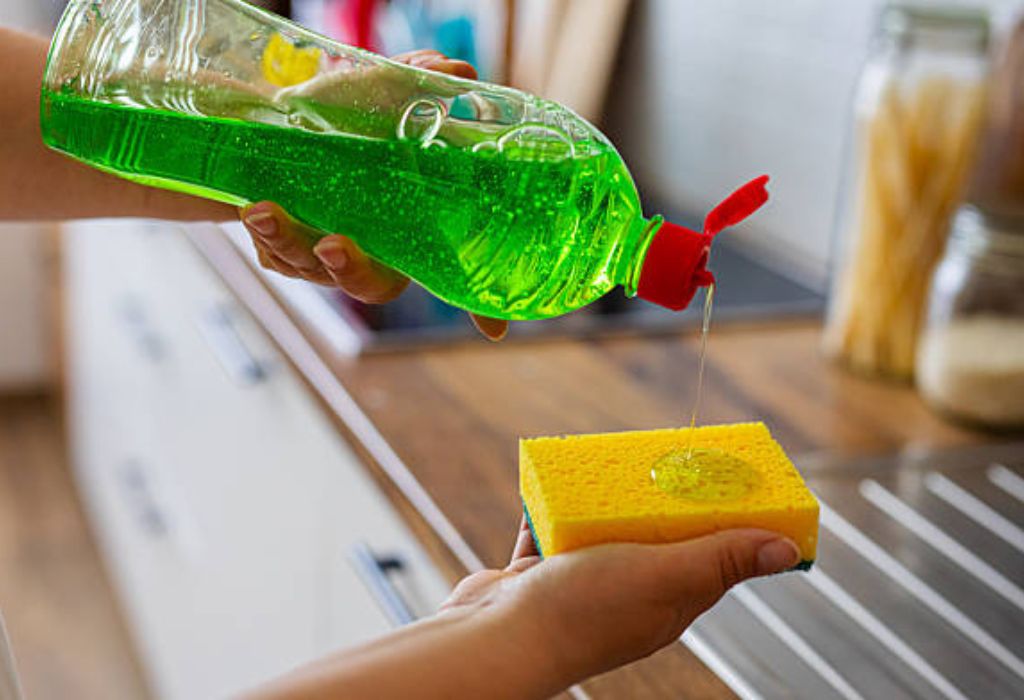
Apply a small amount of dish soap to a sponge. Soap spreads more easily when applied lightly. Thick layers do not improve results.
Scrub dishes thoroughly to remove grease and bacteria. Scrubbing breaks apart dirt that traps germs. This ensures deeper cleaning.
Rinse dishes with warm running water. Rinsing removes soap, residue and any detached bacteria. Running water carries contaminants away.
Pay attention to corners and textured surfaces. Germs hide in small spaces. Vigorous scrubbing dislodges them.
Dry dishes completely with a clean cloth. Drying prevents bacteria from growing on moist surfaces. Moisture encourages microbial activity.
These habits keep dishes hygienic. Consistent cleaning creates a safer kitchen environment.
When Should You Use Disinfectants Instead Of Dish Soap
Use disinfectants when dishes come into contact with raw meat juices. Raw poultry contains bacteria that survive standard washing. Disinfectants help reduce these risks.
When someone in the home is sick, extra cleaning helps prevent spread. Dish soap removes germs but does not kill all harmful organisms. Disinfectants add another layer of protection.
If dishes are stored near pests or contaminated surfaces, disinfecting is safer. Germs from pests require stronger agents. Soap alone may not be enough.
During food poisoning incidents, disinfecting prevents reinfection. Thorough sanitation ensures harmful bacteria do not remain. This protects the family.
High risk environments may require more than regular dish soap. Nursing homes or daycare settings need stronger cleaning routines. Dishwashing alone cannot control microbial levels.
Understanding when to disinfect helps maintain safety. Combined methods offer stronger protection against harmful germs.
How Dishwashing Liquid Compares To Other Cleaners
Dishwashing liquid removes dirt effectively but does not sanitize like bleach. Bleach kills bacteria through chemical action. Dish soap relies on removal.
Alcohol based cleaners evaporate quickly after killing germs. These cleaners target microbes directly. Dish soap does not share this chemical mechanism.
Vinegar loosens mineral residue but does not kill most bacteria. Vinegar helps cleaning but does not replace disinfectants. Dish soap performs a different role.
Hydrogen peroxide kills bacteria using oxidation. This action destroys microbial cells. Dish soap cannot replicate this effect.
Cleaning sprays combine detergent and disinfectant for stronger action. They work well on surfaces, not dishes. Dish soap remains safer for kitchenware.
Each product serves a different purpose in household hygiene. Knowing the differences ensures proper cleaning.
How Dish Soap Removes Viruses From Dish Surfaces
Dishwashing liquid does not chemically kill viruses, but it disrupts their outer structure. Many viruses have a fatty protective layer that allows them to survive on surfaces, and soap breaks this fatty layer apart. When the virus loses this coating, it cannot function or attach to anything.
The action of scrubbing dishes helps remove viruses physically. This mechanical motion loosens any contaminants stuck to the plate or utensil. Once loosened, they are washed away during rinsing.
Warm water improves the performance of dish soap against viruses. Warm water melts oily residues that viruses cling to. With these residues removed, viruses lose the surface protection they rely on.
Soap molecules surround virus particles and trap them inside micelles. These micelles lift contaminants away from the dish surface. Rinsing water then flushes them into the drain.
The entire cleaning process focuses on separation rather than destruction. Dish soap does not disable viruses chemically the way disinfectants do. Instead, it removes them from surfaces to maintain hygiene.
For regular household use, this removal process is often enough. Clean dishes that have been scrubbed and rinsed are generally safe. This helps maintain a healthier kitchen environment.
Do Antibacterial Dish Soaps Work Better Than Regular Ones
Antibacterial dish soaps contain additives intended to reduce certain bacteria. These additives may weaken microbial activity temporarily. Even so, they do not sterilize dishes completely.
The primary cleaning power still comes from surfactants. Surfactants break grease and lift bacteria from surfaces. This cleaning method works similarly in both antibacterial and regular dish soaps.
Antibacterial additives work best with extended contact time. Dishwashing routines rarely allow enough time for these ingredients to take full effect. Most washing happens too quickly for significant germ reduction.
Regular dish soaps perform very well at removing bacteria. The physical process of scrubbing and rinsing eliminates most germs efficiently. This is why many households do not require antibacterial versions.
Some antibacterial agents may affect sensitive skin. Frequent exposure may irritate hands during dishwashing. Regular dish soaps are gentler for daily use.
Both types of soap clean dishes safely. Understanding their differences helps families choose based on preference rather than expectation of stronger germ killing.
When Dishwashing Liquid Is Not Enough For Safety
Dishwashing liquid may not be enough in situations involving raw meat juices. Harmful bacteria from raw poultry or beef require stronger sanitizing methods. Soap alone may not remove every trace.
When someone in the household has a contagious illness, additional disinfection may be necessary. Dishwashing liquid removes germs but does not neutralize all pathogens. Sanitizing steps help prevent spread.
If dishes have been left unwashed for long periods, bacteria multiply rapidly. Old residue becomes harder to remove. Disinfectants may be needed to ensure thorough cleaning.
Moldy containers or utensils with sour smells require deeper sanitation. Mold spores survive typical dishwashing. Extra cleaning steps help eliminate them completely.
Dishes used in high risk environments need more protection. Care settings, food businesses or areas exposed to pests need stronger cleaning routines. Soap alone is not enough for high exposure situations.
Understanding when dish soap falls short helps maintain safer hygiene standards. It allows you to adjust your cleaning routine based on health needs.
Conclusion
Dishwashing liquid plays a crucial role in everyday cleaning by removing dirt, grease and germs from dish surfaces. Even though it does not kill germs the way disinfectants do, it still keeps dishes safe for daily use by lifting bacteria away and rinsing them off effectively.
The combination of warm water, soap molecules and scrubbing action creates a reliable cleaning method for most homes.
Understanding how dishwashing liquid works helps people clean more confidently. It clarifies the difference between cleaning and disinfecting and shows when extra sanitizing steps may be needed. With the right habits, everyday dishwashing becomes both hygienic and efficient.
By pairing dishwashing liquid with proper technique and warm water, you can maintain a clean kitchen environment.
When situations require stronger cleaning, disinfectants can be used alongside regular washing. With balanced methods, your dishes remain both spotless and safe.

I’m Emma J. Caldwell, the founder, lead writer, and home-cooking enthusiast behind KitchenGuideCo.com. With a background in culinary arts and over a decade of cooking experience in both professional and personal kitchens, I created this platform to demystify recipes, offer smart kitchen gadget reviews, and guide readers through meal prep with confidence and clarity.