Choosing the right cookware can feel overwhelming in today’s crowded kitchenware market. With countless options claiming durability, non-stick properties, and safety, understanding what lies beneath the surface is essential.
Hard anodized cookware has grown in popularity among home cooks and professional chefs alike. Its reputation for durability, even heat distribution, and sleek design makes it a top choice for serious cooking enthusiasts.
However, a common question keeps emerging: does hard anodized cookware have Teflon? This question is not trivial, as Teflon, or PTFE, is widely known for its non-stick properties but can raise health concerns if overheated.
According to a study by the Environmental Working Group, exposure to certain Teflon-related chemicals may pose risks when cookware is misused.
Understanding the differences between hard anodized surfaces and Teflon-coated pans is crucial for making informed choices. Consumers want cookware that not only performs well but also ensures safety and long-term reliability.
Moreover, the benefits of hard anodized cookware extend beyond health considerations. Its resistance to scratches, corrosion, and warping can significantly increase the lifespan of your pans.
Research shows that durable cookware can save households up to 30% on replacement costs over five years compared to lower-quality alternatives (source).
What Is Hard Anodized Cookware?
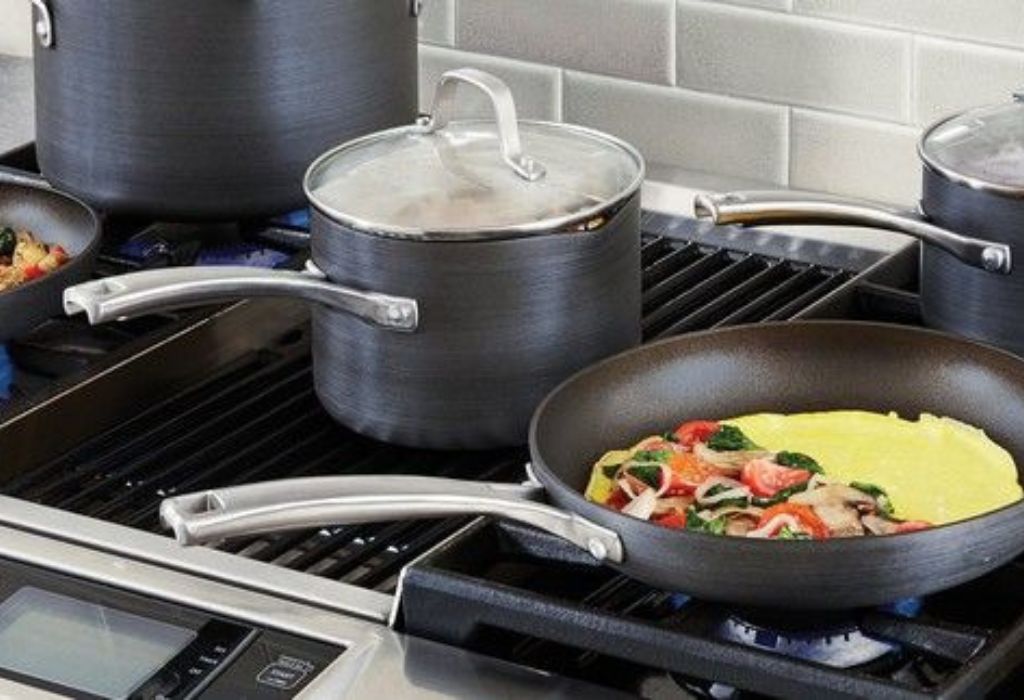
Hard anodized cookware is made by treating aluminum with an electrochemical process that strengthens its surface. This process creates a dense, non-reactive layer that improves durability and resistance to corrosion.
Unlike standard aluminum pans, hard anodized cookware can withstand heavy use without warping or scratching easily. Its enhanced hardness also makes it less prone to dents and other surface damage that can affect cooking performance.
One of the key advantages of this cookware is its superior heat distribution. Even heat across the cooking surface ensures that food cooks more consistently, reducing hot spots that can burn delicate dishes.
The non-reactive nature of hard anodized surfaces means it will not react with acidic or alkaline foods. This quality preserves the flavor and integrity of ingredients while minimizing the risk of metallic taste.
Additionally, many hard anodized pans feature a naturally non-stick surface due to the anodization itself. This reduces the need for excessive oils or fats, making it a healthier cooking option compared to some traditional non-stick cookware.
Durability, even heat distribution, and resistance to corrosion are the primary factors that make hard anodized cookware a preferred choice for both home cooks and professional chefs. Its combination of strength and performance ensures a reliable tool in the kitchen for years to come.
Understanding Teflon and Its Role in Cookware
Teflon is the brand name for polytetrafluoroethylene, or PTFE, a synthetic polymer widely used for its non-stick properties.
Its primary purpose in cookware is to prevent food from sticking and to make cleaning easier, reducing the need for excessive oils or fats.
PTFE coatings are applied to metal surfaces, typically aluminum or stainless steel, to create a smooth, non-reactive layer. This layer allows delicate foods such as eggs, fish, and pancakes to cook evenly without sticking or tearing.
One of the reasons Teflon became so popular is its convenience. Users can cook with lower amounts of fat, and cleanup requires minimal effort, making it appealing for everyday use in busy kitchens.
However, Teflon also comes with specific safety considerations. Overheating Teflon-coated pans above 500°F (260°C) can cause the polymer to break down, releasing fumes that may pose health risks if inhaled over time.
Studies have highlighted the importance of proper usage to avoid potential exposure to harmful chemicals (source).
Despite these concerns, Teflon remains a widely used material due to its effective non-stick performance. Many manufacturers combine it with other coatings or reinforced surfaces to enhance durability and safety.
Understanding Teflon’s role in cookware provides context for comparing it with alternatives like hard anodized surfaces. While Teflon focuses on non-stick convenience, hard anodized cookware emphasizes durability, heat distribution, and long-term reliability.
Consumers benefit from knowing these differences when selecting cookware that meets both performance and health expectations.
Does Hard Anodized Cookware Contain Teflon?
Not all hard anodized cookware contains Teflon, and understanding this distinction is important for making safe kitchen choices.
The anodization process itself does not involve PTFE or any non-stick chemicals; it is purely a method to strengthen and harden the aluminum surface.
Some manufacturers, however, choose to apply a Teflon or PTFE-based non-stick coating over the anodized layer.
This combination enhances food release and makes cleaning even easier, but it introduces the considerations associated with Teflon, including potential health risks if the pan is overheated.
To determine whether a hard anodized pan has Teflon, it is essential to check the product specifications or labeling. Terms such as “PTFE-coated,” “non-stick,” or “Teflon finish” typically indicate the presence of a Teflon layer.
Consumers who want the durability of hard anodized cookware without Teflon should look for products specifically marketed as “Teflon-free” or “uncoated anodized aluminum.”
Choosing cookware without Teflon does not compromise performance. Hard anodized surfaces naturally resist sticking, especially when used with minimal oil or butter, and maintain excellent heat distribution.
This makes them ideal for high-temperature cooking where Teflon-coated pans might be at risk of degradation.
Understanding whether hard anodized cookware contains Teflon helps consumers balance convenience, safety, and durability. By knowing what materials are present, it is easier to select pans that meet individual cooking needs while minimizing potential exposure to non-stick chemicals.
Health and Safety Considerations
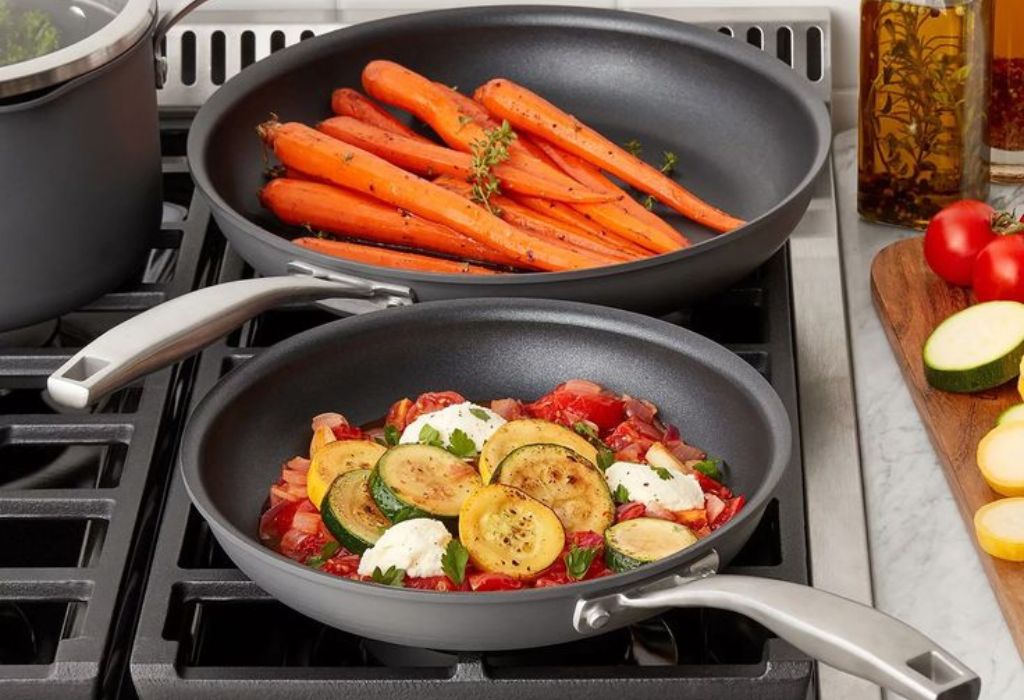
The materials used in cookware can significantly impact both health and cooking performance. Hard anodized cookware is generally considered safe because the anodization process creates a non-reactive, durable surface that does not leach metals into food.
When Teflon or PTFE coatings are involved, safety becomes a more nuanced topic. Overheating Teflon-coated pans above 500°F (260°C) can cause the polymer to break down, releasing fumes that may irritate the respiratory system or cause flu-like symptoms known as polymer fume fever. Proper usage and adherence to manufacturer guidelines can greatly reduce these risks (source).
Hard anodized cookware without Teflon eliminates the risk associated with PTFE fumes, making it a safer option for high-heat cooking.
Additionally, the non-reactive surface prevents chemical interactions with acidic or alkaline ingredients, preserving both flavor and nutritional content.
Another consideration is cookware durability, which indirectly affects health. Pans that scratch or degrade easily can release aluminum particles or other compounds into food.
Hard anodized surfaces resist wear, corrosion, and scratching, reducing the likelihood of chemical exposure over time.
Choosing cookware with a clear understanding of its materials allows consumers to prioritize both safety and cooking efficiency.
By selecting pans with or without Teflon based on cooking style and temperature requirements, home chefs can confidently maintain a healthy and functional kitchen environment.
Comparing Hard Anodized Cookware with Other Materials
Choosing the right cookware involves understanding the differences between materials and how they affect cooking performance. Hard anodized cookware stands out for its durability, resistance to corrosion, and even heat distribution, but comparing it with other common options helps highlight its advantages.
Hard Anodized vs. Stainless Steel
Stainless steel is known for its non-reactive properties and ability to withstand very high temperatures. However, it can develop hot spots and may require more oil to prevent sticking. Hard anodized cookware distributes heat more evenly and naturally resists sticking, making it ideal for delicate dishes.
Hard Anodized vs. Cast Iron
Cast iron excels at heat retention and can even add trace amounts of iron to food. Its weight and need for regular seasoning can be cumbersome for some users. Hard anodized pans offer a lighter alternative that maintains durability and even heating without the intensive maintenance required for cast iron.
Hard Anodized vs. Non-Stick Cookware
Traditional non-stick pans, often coated with Teflon, provide easy food release but can scratch or degrade over time. Hard anodized surfaces are more resistant to damage, allowing for long-lasting use while still offering some natural non-stick properties.
Overall, hard anodized cookware combines the benefits of durability, heat control, and moderate non-stick performance. It strikes a balance between ease of use, safety, and longevity that many other cookware materials cannot match.
Pros and Cons of Hard Anodized Cookware
Hard anodized cookware offers several advantages that make it a popular choice for home cooks and professionals alike. Its enhanced durability ensures resistance to scratches, dents, and corrosion, providing a long-lasting cooking surface that maintains performance over time.
Even heat distribution is another key benefit, allowing food to cook more evenly and reducing the risk of burning or hot spots. The naturally non-stick surface created by anodization minimizes the need for excessive oils or fats, supporting healthier cooking practices.
Additionally, hard anodized cookware is non-reactive, meaning it will not alter the flavor or color of acidic or alkaline ingredients. This makes it suitable for a wide variety of dishes, from sauces to seared meats.
However, there are some considerations to keep in mind. Some hard anodized products come with an additional Teflon coating, which can raise health concerns if the pan is overheated. These coatings may also be prone to scratching if metal utensils are used improperly.
Cost is another factor, as hard anodized cookware can be more expensive than standard non-stick or aluminum pans. Proper care and adherence to manufacturer guidelines are necessary to preserve its properties and ensure long-term performance.
Despite these limitations, the combination of durability, heat distribution, and moderate non-stick performance makes hard anodized cookware a reliable and versatile option. Understanding its pros and cons helps consumers make informed choices that align with cooking needs and safety preferences.
How to Identify Teflon in Hard Anodized Cookware
Identifying whether a hard anodized pan contains Teflon is essential for safety-conscious consumers. The anodization process itself does not include PTFE, so any non-stick coating must be added separately by the manufacturer.
To determine if a pan has Teflon, check the product labeling and specifications carefully. Look for terms like “PTFE-coated,” “Teflon finish,” or “non-stick surface,” which indicate the presence of a synthetic non-stick layer.
Many manufacturers provide detailed descriptions of the materials used, often including whether the anodized surface is coated with Teflon or left uncoated. Product reviews and official websites can also provide confirmation if the packaging is unclear.
Choosing Teflon-free hard anodized cookware is possible and may be preferable for high-heat cooking. These pans maintain excellent durability and even heat distribution while avoiding potential health risks associated with PTFE coatings.
Understanding how to identify Teflon helps consumers make informed decisions, balancing convenience, performance, and safety. By knowing what materials are present, it becomes easier to select cookware that aligns with personal cooking needs and long-term kitchen safety goals.
Care and Maintenance Tips
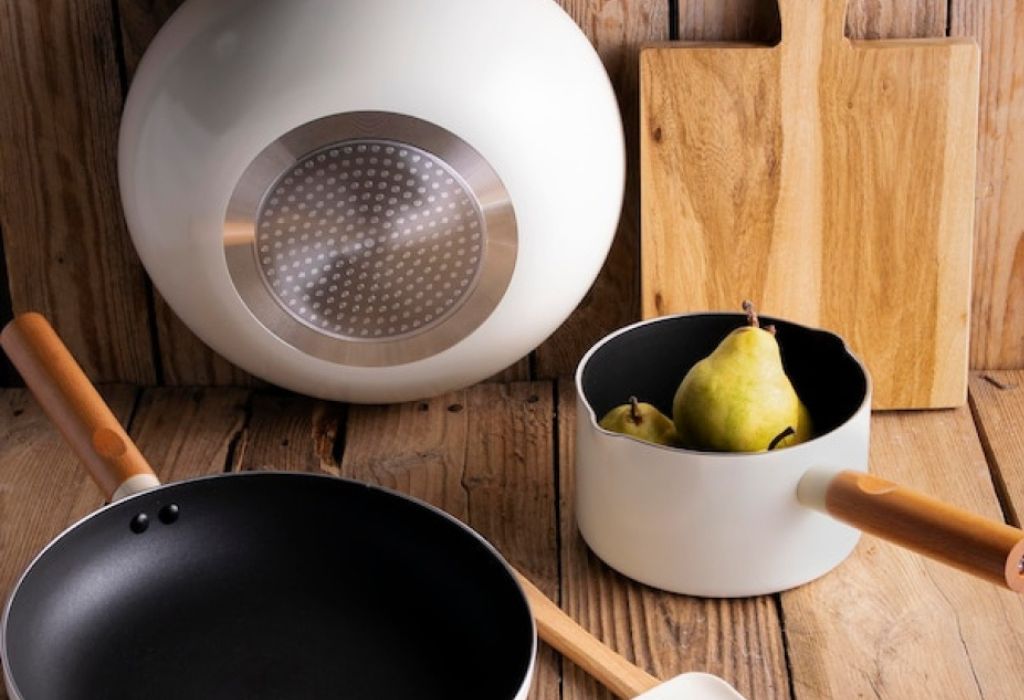
Proper care is essential to preserve the performance and longevity of hard anodized cookware. Regular cleaning with mild dish soap and non-abrasive sponges helps maintain the anodized surface and prevents buildup that could affect cooking efficiency.
Avoid using metal utensils on Teflon-coated or anodized surfaces, as scratches can damage the protective layer and reduce durability. Wooden, silicone, or plastic utensils are safer options that help extend the life of the pan.
High heat should be used cautiously, especially on Teflon-coated pans, to prevent degradation of the non-stick layer. Hard anodized pans without Teflon are more resistant to heat, but following manufacturer guidelines ensures optimal performance.
Storing cookware properly is also important. Avoid stacking pans without protective liners to prevent scratching, and ensure they are fully dry before storing to avoid corrosion.
By following these care practices, hard anodized cookware can provide years of reliable performance. Proper maintenance not only preserves durability and non-stick properties but also ensures safer cooking and consistent results.
Conclusion
Selecting the right cookware involves balancing durability, safety, and cooking performance. Hard anodized cookware offers a reliable option with excellent heat distribution, scratch resistance, and moderate non-stick properties, making it suitable for a variety of cooking needs.
Understanding whether a pan contains Teflon is crucial for health-conscious users. Hard anodized cookware without Teflon eliminates concerns about PTFE fumes while still providing natural non-stick advantages and long-term reliability.
Careful attention to product specifications, proper usage, and maintenance ensures that hard anodized cookware performs optimally over time. Choosing high-quality, Teflon-free options supports both safety and cooking efficiency in the kitchen.
By considering material composition, heat tolerance, and surface properties, consumers can make informed decisions that enhance their cooking experience. Investing in the right cookware not only improves meal quality but also promotes long-term kitchen safety and convenience.

I’m Emma J. Caldwell, the founder, lead writer, and home-cooking enthusiast behind KitchenGuideCo.com. With a background in culinary arts and over a decade of cooking experience in both professional and personal kitchens, I created this platform to demystify recipes, offer smart kitchen gadget reviews, and guide readers through meal prep with confidence and clarity.