Choosing the right cookware can be confusing with so many options claiming durability, convenience, and safety.
One pressing question among consumers is: Does Paula Deen cookware have Teflon? Understanding this is essential for making informed decisions about health, cooking performance, and long-term investment.
Teflon, or PTFE, has been popular for its non-stick properties, allowing food to cook without sticking and simplifying cleanup.
However, overheating Teflon-coated pans above 500°F (260°C) can release fumes that may be harmful, raising concerns for health-conscious cooks (source).
Paula Deen cookware includes non-stick, ceramic, and stainless steel options, giving consumers multiple choices for their cooking style.
Ceramic or reinforced coatings provide chemical-free non-stick surfaces while maintaining easy food release and convenient cleaning.
Studies indicate that investing in high-quality, durable cookware can reduce replacement costs by up to 30% over five years compared to lower-quality alternatives (source).
What Is Paula Deen Cookware Made Of?
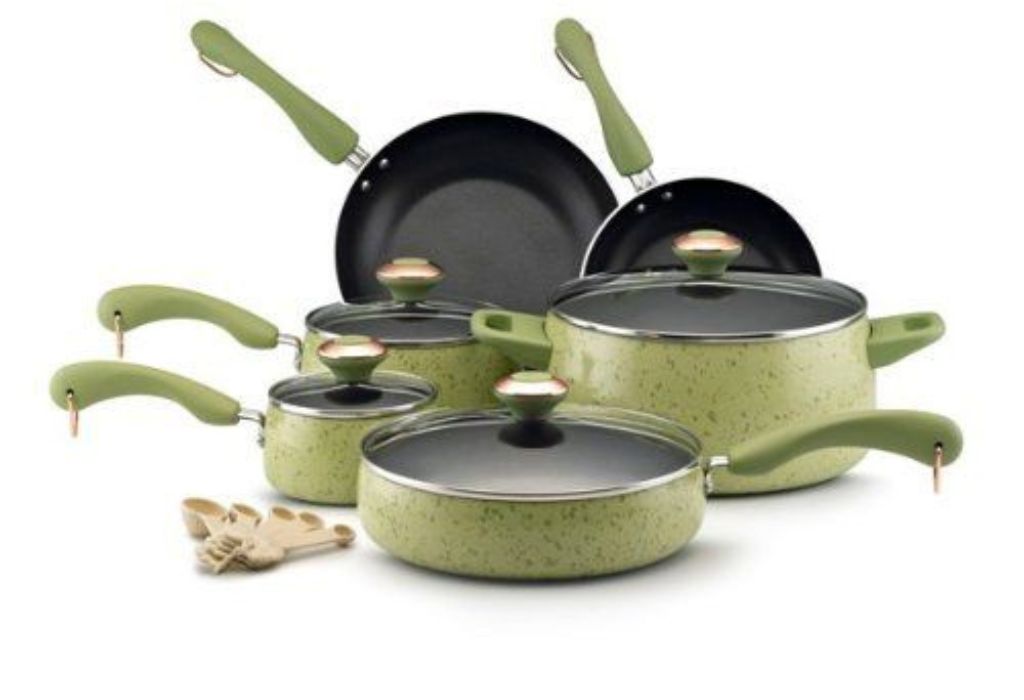
Paula Deen cookware is primarily constructed with aluminum or stainless steel cores coated with non-stick or ceramic surfaces. This combination ensures even heat distribution, durability, and reliable cooking performance.
Some non-stick coatings include PTFE, while ceramic or reinforced surfaces provide chemical-free cooking. Understanding the materials used in each line helps consumers make informed and safer choices for their kitchen.
Aluminum cores enhance heat conduction while keeping the cookware lightweight, and stainless steel layers add durability and versatility. Non-stick or ceramic surfaces allow easy food release, reducing the need for excessive oil or fats.
High-quality Paula Deen cookware is designed to maintain heat efficiency and long-term durability. Knowing the composition of the cookware enables buyers to select options that meet their safety, performance, and maintenance needs.
Choosing cookware based on core material and surface coating allows consumers to balance convenience, health, and cooking performance. Paula Deen cookware’s combination of durable cores and non-stick surfaces makes it suitable for a wide range of cooking tasks.
Understanding Teflon and Its Role in Cookware
Teflon, also known as PTFE (polytetrafluoroethylene), is a synthetic polymer widely used for its non-stick properties. It allows food to cook with minimal oil while simplifying cleanup, making it highly convenient for everyday cooking.
The coating is typically applied to aluminum or stainless steel surfaces to create a smooth, non-reactive layer. This ensures delicate foods such as eggs, pancakes, and fish cook evenly without sticking or tearing.
Teflon’s popularity is due to its reliable non-stick performance, but overheating PTFE coatings above 500°F (260°C) can release fumes that may cause polymer fume fever or respiratory irritation (source).
Despite these concerns, Teflon remains widely used, and manufacturers often reinforce the coating with ceramic or other materials to improve durability and reduce chemical exposure.
Understanding Teflon’s properties is critical when comparing cookware options. While Teflon prioritizes convenience and easy food release, alternatives like ceramic or reinforced coatings focus on durability, heat distribution, and chemical-free cooking. Consumers benefit from knowing these differences when choosing safe and efficient cookware.
Does Paula Deen Cookware Have Teflon?
Not all Paula Deen cookware contains Teflon. Many lines are PTFE-free, offering chemical-free non-stick performance suitable for high-heat cooking.
Some non-stick Paula Deen pans include PTFE coatings to enhance food release and simplify cleaning. These pans should always be used according to manufacturer guidelines to prevent overheating and preserve the coating.
Consumers should check product labels or official specifications to determine whether a pan contains Teflon or is PTFE-free. This ensures a safe and informed choice when selecting non-stick cookware.
Choosing PTFE-free Paula Deen cookware allows for chemical-free cooking without sacrificing convenience or performance. Understanding which lines contain Teflon helps buyers make health-conscious and practical decisions for their kitchens.
Paula Deen cookware offers both PTFE and PTFE-free options, providing flexibility for different cooking styles and preferences. Knowing the composition of each line enables consumers to select cookware that meets their safety and performance priorities.
Health and Safety Considerations
PTFE-free Paula Deen cookware eliminates concerns about chemical exposure during cooking. Its non-reactive surfaces ensure that no harmful substances leach into food, even at high temperatures.
Teflon-coated Paula Deen pans remain safe if used according to manufacturer guidelines, but overheating above 500°F (260°C) can degrade the coating and release potentially harmful fumes (source).
Hybrid and ceramic coatings provide chemical-free non-stick performance while stainless steel layers offer durability. These options are ideal for health-conscious consumers seeking both performance and safety.
Selecting PTFE-free cookware reduces exposure to synthetic chemicals while still offering ease of cooking and cleanup. Understanding these safety differences is crucial for making informed choices in the kitchen.
Durability and Longevity Comparison
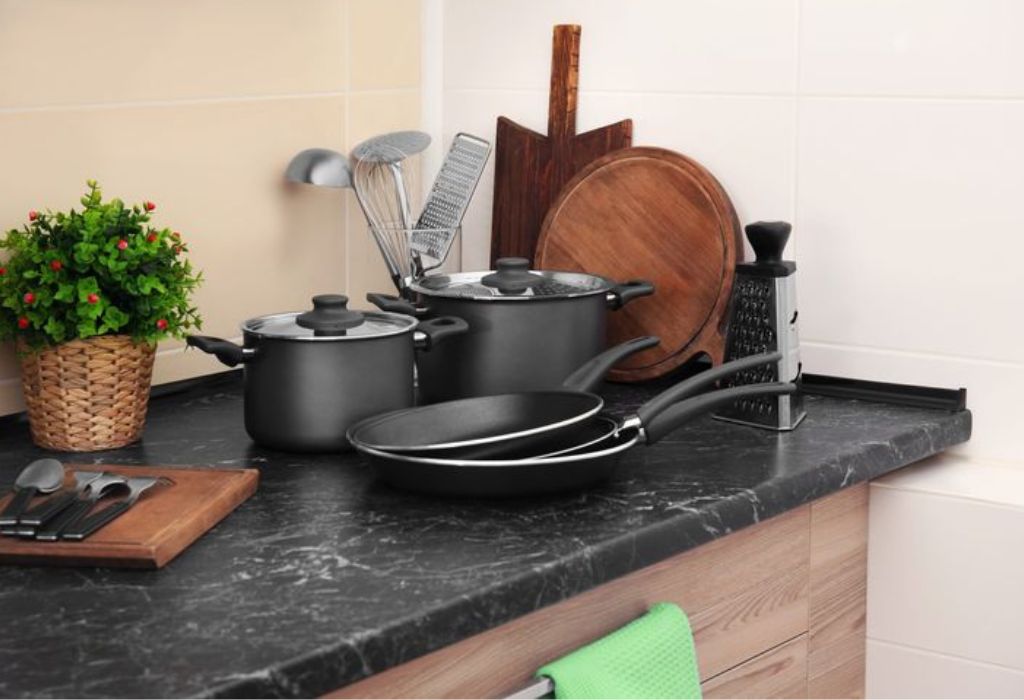
PTFE-free Paula Deen cookware is highly resistant to scratches, peeling, and surface degradation. This ensures long-lasting performance even with frequent use.
Teflon-coated surfaces, while convenient, can degrade faster if overheated or scratched by metal utensils. Surface damage reduces non-stick effectiveness and may expose the underlying material.
Investing in high-quality, PTFE-free Paula Deen cookware reduces the need for frequent replacements, saving money and minimizing kitchen waste. These pans maintain consistent heat distribution and cooking performance over years of use.
Additionally, PTFE-free cookware can often be used with metal, silicone, or wooden utensils without risk of damaging the surface. This versatility extends the lifespan compared to traditional Teflon-coated cookware.
Choosing durable, chemical-free cookware ensures reliable, safe, and efficient performance in the kitchen. Longevity and durability are key factors in overall value and user satisfaction.
Heat Performance and Cooking Experience
PTFE-coated Paula Deen pans perform well at low to medium heat for delicate foods like eggs, pancakes, and fish. They provide convenience and reduce the need for additional oils or fats.
High-heat cooking is safer and more effective on PTFE-free Paula Deen surfaces. These surfaces allow browning, searing, and sautéing without releasing harmful fumes, providing both performance and safety.
Durable PTFE-free coatings maintain their non-stick properties over time, ensuring consistent cooking results. Users can enjoy high-performance cooking with minimal maintenance and long-term reliability.
Understanding heat tolerance and performance helps consumers select cookware suited to their cooking style. PTFE-free options combine safety, durability, and versatility for a superior kitchen experience.
Care and Maintenance Tips
Proper care is essential to preserve the performance and lifespan of Paula Deen cookware. Using mild dish soap and non-abrasive sponges prevents scratches and protects the cooking surface.
Avoid metal utensils on both PTFE-coated and PTFE-free surfaces to prevent damage. Wooden, silicone, or plastic utensils are safer alternatives that extend the life of the cookware.
High heat should be used cautiously with PTFE-coated areas to avoid coating degradation. PTFE-free surfaces tolerate higher temperatures, but following manufacturer guidelines ensures optimal performance.
Storing cookware properly also prolongs its lifespan. Use protective liners when stacking pans and ensure they are completely dry before storage to prevent corrosion or surface damage.
By following these care practices, Paula Deen cookware can provide years of reliable, safe, and efficient performance. Proper maintenance ensures both durability and consistent cooking results.
Cost vs. Value: Is Paula Deen Worth the Investment?
High-quality Paula Deen cookware may cost more initially but provides long-term value through durability and safety. PTFE-free pans reduce health risks and maintain non-stick performance longer than traditional Teflon-coated options.
Lower-quality cookware may be cheaper upfront but often requires frequent replacement due to scratches, peeling, or coating degradation. Investing in durable, safe pans can save money over time and reduce kitchen waste.
Durable non-stick surfaces also enhance cooking performance, supporting high-heat searing, browning, and everyday use without chemical concerns. Buyers can enjoy both convenience and safety by choosing high-quality Paula Deen cookware.
Considering durability, safety, and performance together helps consumers select the best non-stick cookware for their needs. Investing in PTFE-free or reinforced pans provides reliable, long-lasting kitchen tools with strong overall value.
Environmental Impact and Sustainability
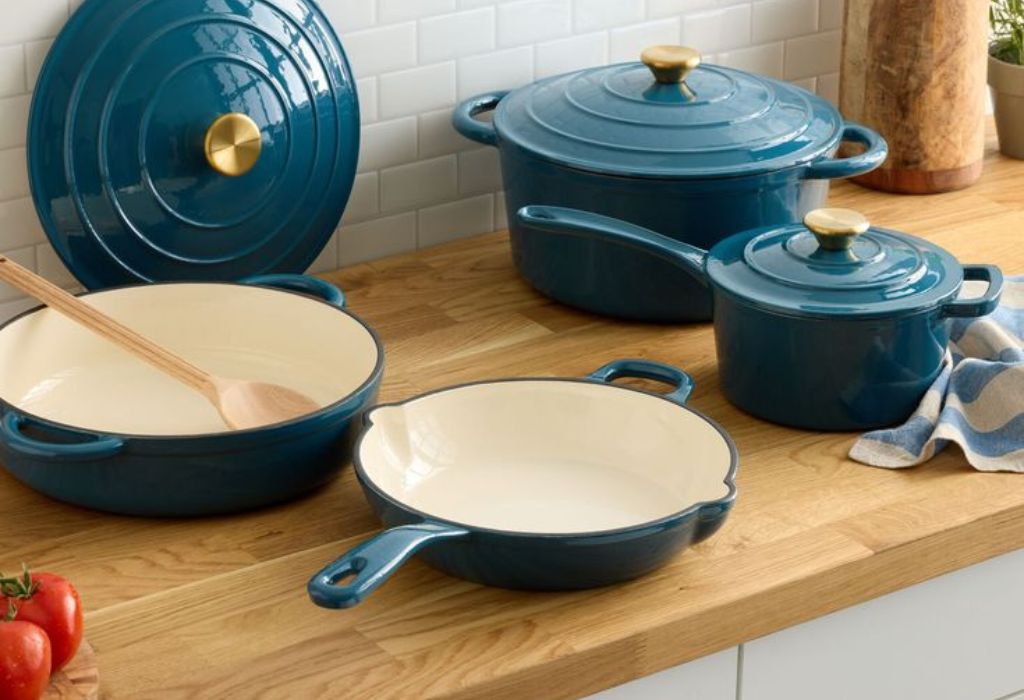
Choosing durable Paula Deen cookware reduces waste and the frequency of replacements. PTFE-free pans, such as ceramic or reinforced lines, have a lower environmental impact compared to traditional Teflon-coated cookware.
The production of PTFE and PFOA involves chemicals that can be harmful to the environment. Selecting long-lasting, chemical-free cookware supports sustainable kitchen practices and reduces ecological footprint.
High-quality, eco-conscious cookware combines safety, durability, and environmental responsibility. Consumers who prioritize sustainability can make informed decisions by choosing PTFE-free Paula Deen options.
Investing in durable and chemical-free cookware not only enhances cooking performance but also contributes positively to environmental conservation over time.
Conclusion
Not all Paula Deen cookware contains Teflon; PTFE-free or ceramic lines are safe for chemical-free cooking. Choosing these options provides convenience and performance without compromising safety.
Teflon-coated surfaces remain popular for their non-stick properties, but careful use at recommended temperatures is essential to maintain safety and prolong lifespan. Consumers should evaluate their cooking habits and cookware requirements before purchase.
Proper care and understanding material composition help preserve durability and performance. This ensures consistent cooking results, long-term reliability, and safer kitchen practices.
By understanding material composition, heat performance, durability, and safety considerations, buyers can select Paula Deen cookware that meets their needs. Investing in PTFE-free or reinforced Paula Deen pans offers both convenience and peace of mind for modern kitchens.

I’m Emma J. Caldwell, the founder, lead writer, and home-cooking enthusiast behind KitchenGuideCo.com. With a background in culinary arts and over a decade of cooking experience in both professional and personal kitchens, I created this platform to demystify recipes, offer smart kitchen gadget reviews, and guide readers through meal prep with confidence and clarity.