A common question many people ask is: does rice cooker use a lot of electricity? It’s a valid concern! Figuring out how much energy your appliances use can be tricky, especially with so many gadgets in our homes. Don’t worry, this isn’t as hard as it seems. We’re going to break down everything you need to know in a clear, easy-to-follow way. Get ready to explore the energy use of your rice cooker and what you can do about it.
What Makes a Rice Cooker an Energy User?
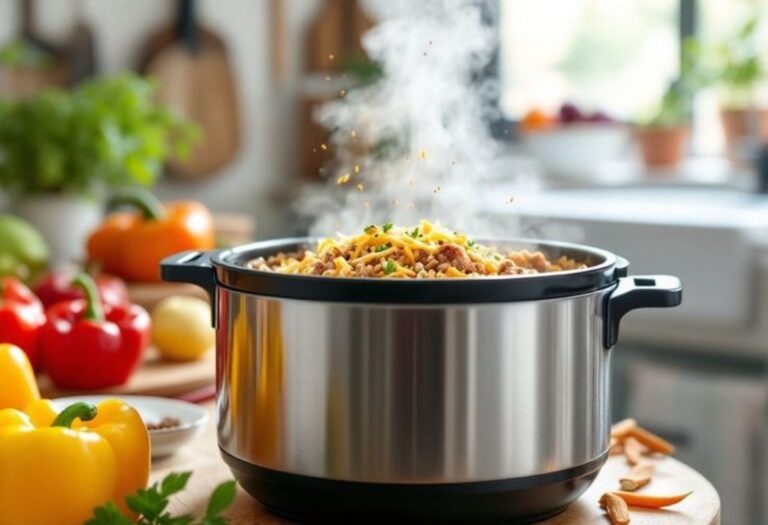
Rice cookers are designed to cook rice without constant supervision. They work by heating water to a boil, then simmering the rice until it’s perfectly cooked. This process, while simple, requires energy. The primary function of the cooker is to heat the water inside, which in turn cooks the rice. The heating element is the heart of this process, consuming the majority of the electricity. The efficiency of a rice cooker depends on its design, the insulation, and the heating element’s power consumption. Older models may use more electricity than newer, more efficient ones. The size of the rice cooker also plays a role; larger models typically use more energy due to the larger heating element and the need to cook more rice. Understanding these factors is key to knowing how much electricity your specific rice cooker consumes.
Heating Elements and Their Energy Consumption
The heating element is the core component that turns electricity into heat. The wattage of this element determines how much power the cooker draws from the electrical outlet. Higher wattage generally means faster cooking, but it also means higher energy consumption. Rice cookers have thermostats to control the temperature and prevent overheating. These thermostats help regulate the heating process, switching the heating element on and off to maintain the correct cooking temperature. However, even with thermostats, the heating element uses a substantial amount of energy, particularly during the initial heating phase. The older the cooker, the less efficient the heating element. Modern rice cookers often incorporate energy-saving features, such as improved insulation and more efficient heating elements, to minimize energy waste.
- Wattage Explained: Wattage is the unit used to measure the power a device consumes. It indicates how much electrical energy the rice cooker uses per hour. A higher wattage means a rice cooker uses more electricity.
- Heating Phases: The heating process occurs in stages. Initially, the cooker uses maximum power to reach the boiling point. Once boiling is reached, the cooker switches to a lower power setting to simmer the rice. Some cookers also have a “keep warm” function that uses minimal power to maintain the rice’s temperature after cooking is complete.
- Insulation and Efficiency: Proper insulation is critical for energy efficiency. Good insulation prevents heat from escaping, meaning the heating element doesn’t have to work as hard to maintain the cooking temperature. Better insulation results in lower energy consumption.
The “Keep Warm” Function and Its Energy Implications
Many rice cookers have a “keep warm” function that automatically activates after cooking is complete. While convenient, this feature can use a surprising amount of electricity over time. The “keep warm” function maintains the rice’s temperature, usually around 140-160°F (60-70°C). This constant heating requires energy, even if it’s less than the energy used during cooking. Leaving your rice cooker on “keep warm” for extended periods can significantly increase your electricity bill. The amount of electricity used by the “keep warm” function depends on the cooker’s efficiency and the duration it remains active. Consider turning off the cooker and unplugging it once the rice is served to save energy and reduce electricity costs. The best solution is to cook only as much rice as you need and avoid letting the cooker sit in keep-warm mode for too long.
- Energy Consumption Rate: The “keep warm” function typically uses a lower wattage than the cooking phase, but it still consumes a steady stream of electricity as long as it’s active. This energy use is continuous until the cooker is turned off.
- Extended Use Impact: Leaving the cooker on “keep warm” for hours, especially overnight, can add up to noticeable energy consumption over a month. This can increase your electricity costs considerably.
- Alternatives to “Keep Warm”: If you plan to eat the rice later, consider storing the cooked rice in an airtight container in the refrigerator. Reheating rice in a microwave is often more energy-efficient than using the “keep warm” function for an extended time.
Rice Cooker Types and Energy Efficiency
Different types of rice cookers vary in energy efficiency. Basic rice cookers are typically the least efficient. They usually have a simple on/off switch and minimal insulation. These cookers tend to use more electricity both during cooking and in “keep warm” mode. Fuzzy logic rice cookers are designed to adjust cooking times and temperatures based on the type and amount of rice being cooked. These models often have better insulation and more precise temperature control, making them generally more energy-efficient. Induction heating rice cookers are among the most energy-efficient. They use magnetic fields to heat the cooking pot directly, resulting in faster cooking times and reduced energy consumption. Choosing the right type of rice cooker can make a real difference in how much electricity it uses.
- Basic Rice Cookers: These are the most common and affordable type. They typically have a simple heating element, a single on/off switch, and minimal insulation. They usually consume the most electricity.
- Fuzzy Logic Rice Cookers: These cookers have advanced features, such as automatic temperature and cooking time adjustments based on the type of rice. They use energy more efficiently than basic models.
- Induction Heating Rice Cookers: These are the most energy-efficient. They use induction technology to directly heat the cooking pot, leading to faster cooking times and less energy waste.
Does Rice Cooker Use a Lot of Electricity Compared to Other Appliances?
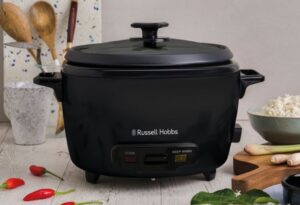
When considering the question of does rice cooker use a lot of electricity, it’s helpful to compare it to other common kitchen appliances. A rice cooker’s energy consumption varies based on its type and usage, but it generally uses less energy than appliances like electric ovens, electric stovetops, and dishwashers. Ovens and stovetops have high wattage ratings, and they can consume a considerable amount of energy during cooking. Dishwashers also use a significant amount of electricity, especially when heating water for the wash and dry cycles. Compared to these appliances, a rice cooker, particularly a modern and efficient one, may consume less energy, especially if it’s used frequently. It’s also important to consider the duration of use. A rice cooker is typically used for a relatively short time per cooking cycle, whereas an oven may be used for hours.
Comparing Energy Consumption: Oven vs. Rice Cooker
Electric ovens are known energy guzzlers. Their high wattage and the long cooking times required for baking, roasting, and broiling mean they consume a considerable amount of electricity. An oven can draw several kilowatts of power, and running it for an hour can use a significant amount of energy. In contrast, a rice cooker has a lower wattage and typically cooks rice much faster. Even though the rice cooker might be used frequently, its shorter cooking times and lower power consumption mean it generally uses less electricity than an oven. The difference in energy usage becomes more apparent when you consider the “keep warm” function. Ovens don’t usually have a keep-warm function, but a rice cooker’s prolonged use of this feature can add up over time. It is helpful to consider overall energy costs when deciding how to cook different meals.
- Oven Energy Usage: Electric ovens can consume between 2,000 to 5,000 watts, depending on their size and settings. A standard baking session of one hour can easily use several kilowatt-hours (kWh).
- Rice Cooker Energy Usage: Rice cookers typically use between 200 to 800 watts, depending on the model and cooking cycle. Cooking a batch of rice may only take 20-30 minutes, significantly reducing overall energy use.
- Energy Cost Calculation: The cost to operate an appliance is calculated by multiplying its wattage by the operating time and the electricity rate per kWh. For example, if your electricity costs $0.20 per kWh and you use an oven for 2 hours at 3,000 watts, the energy cost is $1.20.
Dishwasher vs. Rice Cooker: A Comparative Look
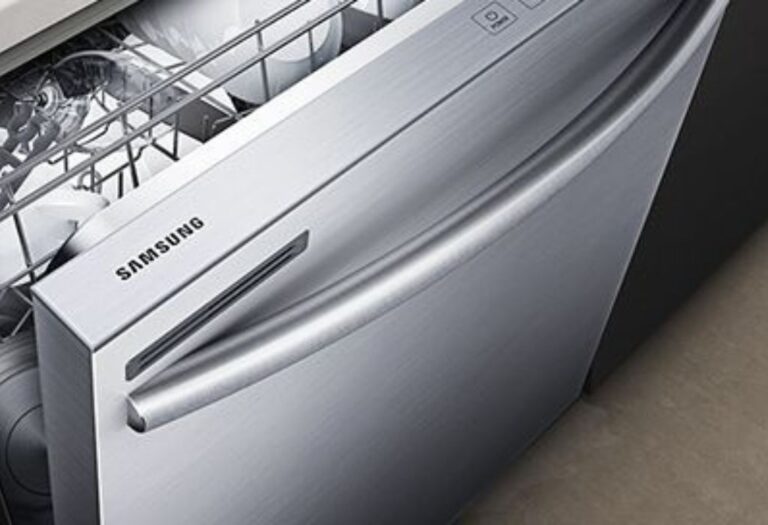
Dishwashers use a lot of electricity, particularly when heating water for the wash and dry cycles. Many dishwashers have a heating element for the water and an additional element for the drying cycle, which can consume significant amounts of energy. The average dishwasher cycle lasts around one to two hours, during which it uses a substantial amount of power. In comparison, a rice cooker consumes less energy. The rice cooker’s cooking cycle is shorter, and its “keep warm” function, while using energy, is generally less energy-intensive than a dishwasher’s drying cycle. It’s often cheaper to cook rice in a rice cooker than to use a dishwasher, assuming you wash the pot and accessories by hand. Energy-efficient dishwashers, designed to conserve water and energy, will still use more electricity than a rice cooker.
- Dishwasher Energy Consumption: Dishwashers use around 1,200 to 2,000 watts during a typical cycle. The heating element for the water and the drying cycle are the main energy consumers.
- Cycle Duration: A standard dishwasher cycle can last from one to three hours, which translates to a high overall energy consumption.
- Energy-Efficient Dishwashers: Modern dishwashers have energy-saving features, such as low-wattage heating elements and air-drying options. Even with these features, they still use more energy than a rice cooker.
Electric Stovetops and Rice Cooker Comparison
Electric stovetops are another major energy consumer in the kitchen. They use high-powered heating elements to heat pots and pans. Stovetop cooking often involves long cooking times, especially for simmering or boiling. Electric stovetops can use several thousand watts of power. In comparison, rice cookers generally use less energy because of their lower wattage and shorter cooking times. Although you might use a rice cooker daily, the overall energy consumption is generally lower than that of an electric stovetop used for various cooking tasks. If you use an electric stovetop to cook rice, it will likely use more electricity than a rice cooker. The energy consumption of an electric stove depends on the number of burners used, the temperature settings, and the duration of cooking.
- Stovetop Wattage: An electric stovetop can use between 1,200 to 3,000 watts per burner. If you’re using multiple burners simultaneously, the energy use can be substantial.
- Cooking Time: Stovetop cooking often involves variable cooking times. Simmering, boiling, and frying can take much longer than cooking rice in a rice cooker.
- Efficiency: Using a rice cooker is more energy-efficient for cooking rice. It is better than using a stovetop for a pot of rice.
How to Reduce the Electricity Usage of Your Rice Cooker
Even though rice cookers are generally more energy-efficient than other kitchen appliances, there are still ways to minimize their electricity usage. Simple changes in how you use your rice cooker can add up to noticeable savings on your electricity bill. The key is to be mindful of how long the cooker is running and to make smart decisions about its use. Consider these simple things.
Efficient Rice Cooking Practices
Proper rice cooking practices can significantly reduce your rice cooker’s energy consumption. First, only cook the amount of rice you need. Overcooking leads to leftovers that might be left in the “keep warm” mode or discarded. Measuring the correct amount of rice and water based on the cooker’s capacity minimizes both waste and energy usage. Second, avoid opening the lid while the rice is cooking. Every time you open the lid, you lose heat, which causes the cooker to use more energy to maintain the proper cooking temperature. Third, clean your rice cooker regularly. A clean cooker functions more efficiently. Remove any build-up on the heating element and ensure the pot fits snugly inside. These simple steps will help you maximize your rice cooker’s efficiency.
- Measure Rice and Water Correctly: Use the right ratio of rice to water for your cooker. This reduces the chances of undercooked rice needing more cooking time.
- Avoid Opening the Lid: Keep the lid closed during the cooking cycle to retain heat. This helps to reduce cooking time and energy consumption.
- Clean Regularly: A clean rice cooker operates more efficiently. Clean the heating element to remove any debris that might affect its performance.
Smart “Keep Warm” Mode Usage
The “keep warm” function is a convenience feature, but it can significantly increase the electricity your rice cooker uses. To minimize energy waste, use this mode sparingly. If you plan to serve the rice immediately after cooking, turn off the cooker and unplug it. If you need to keep the rice warm for a short period, activate the “keep warm” function. However, avoid keeping the rice in the “keep warm” mode for extended periods, especially overnight. For longer storage, consider transferring the cooked rice to an airtight container and refrigerating it. This method saves more energy than using the “keep warm” function. These simple steps can drastically reduce your rice cooker’s energy consumption.
- Use It Briefly: Use the “keep warm” function only for short periods. Limit the time the cooker is in “keep warm” mode to reduce energy use.
- Alternative Storage: Transfer cooked rice to an airtight container and refrigerate it. Reheating rice in the microwave is usually more energy-efficient than the “keep warm” mode.
- Unplug When Not In Use: Turn off and unplug the rice cooker when not in use. This prevents phantom energy usage from the “keep warm” mode.
Comparing Rice Cooker Energy Savings
The energy savings from these practices can be significant over time. By cooking only the amount of rice you need, avoiding opening the lid during cooking, and using the “keep warm” function judiciously, you can lower your electricity consumption and save money on your energy bill. The type of rice cooker you use also impacts energy savings. Newer models with energy-saving features will naturally use less electricity. Even small changes, such as unplugging the rice cooker when it’s not in use, can contribute to overall energy savings. The benefits extend beyond just financial savings; reduced energy consumption also contributes to environmental conservation. Making simple changes in your cooking habits can result in greater energy efficiency.
| Practice | Energy Savings | Benefit |
|---|---|---|
| Cook the Right Amount of Rice | Reduces waste, less “keep warm” time | Lower electricity consumption |
| Avoid Opening the Lid | Retains heat | Faster cooking time and energy efficiency |
| Use “Keep Warm” Briefly | Less continuous energy use | Reduce electricity consumption |
| Unplug When Not in Use | Eliminates standby power drain | Energy savings |
Does Rice Cooker Use a Lot of Electricity: The Verdict
So, does rice cooker use a lot of electricity? The answer is nuanced. While rice cookers use electricity, they are generally more energy-efficient than appliances like ovens and electric stovetops. However, the energy consumption of a rice cooker varies based on its type, features, and usage patterns. Factors like the heating element’s wattage, the use of the “keep warm” function, and cooking habits all play a role in how much electricity the cooker uses. Modern rice cookers with advanced features and energy-saving designs tend to be more efficient than older, basic models.
Frequently Asked Questions
Question: How much electricity does a rice cooker typically use?
Answer: The energy consumption of a rice cooker varies based on size and model, but most models use between 200 to 800 watts during cooking. The exact amount depends on how long the cooker is in use.
Question: Is it cheaper to cook rice in a rice cooker or on a stovetop?
Answer: Rice cookers generally use less electricity than cooking rice on a stovetop. Stovetop cooking can take longer and use more energy.
Question: How can I reduce my rice cooker’s energy consumption?
Answer: Reduce energy by cooking the right amount of rice, avoiding opening the lid during cooking, and using the “keep warm” function sparingly. Also, consider unplugging the cooker when it’s not in use.
Question: Does the “keep warm” function use a lot of electricity?
Answer: Yes, the “keep warm” function consumes energy, though usually at a lower wattage than the cooking cycle. Leaving the cooker in “keep warm” mode for long periods can increase electricity usage.
Question: Are fuzzy logic rice cookers more energy-efficient?
Answer: Yes, fuzzy logic rice cookers often incorporate features that make them more energy-efficient. They adjust cooking times and temperatures based on the type of rice, which optimizes energy usage.
Final Thoughts
In short, the answer to does rice cooker use a lot of electricity depends on many aspects. Although it’s an appliance that does consume electricity, it’s often more energy-friendly than other kitchen gadgets. If you’re looking to cut down on your energy costs, smart use is crucial. Always measure your rice, use the “keep warm” function only when required, and consider unplugging the cooker when you are finished. Taking these simple steps will make a big difference, not just for your wallet, but also for our planet. Your small actions, combined, will have a positive impact. Start making those adjustments today, and you’ll be on your way to saving energy and money!

I’m Emma J. Caldwell, the founder, lead writer, and home-cooking enthusiast behind KitchenGuideCo.com. With a background in culinary arts and over a decade of cooking experience in both professional and personal kitchens, I created this platform to demystify recipes, offer smart kitchen gadget reviews, and guide readers through meal prep with confidence and clarity.