T Fal cookware has become a household name, prized for its affordability and convenient nonstick performance. Its lightweight construction and heat distribution make it appealing to home cooks seeking efficiency in the kitchen.
A common concern arises among health-conscious consumers: Does T Fal cookware have Teflon? Understanding the materials used in cookware is crucial, as it affects safety, cooking performance, and durability.
Nonstick coatings can vary widely, ranging from PTFE-based Teflon to ceramic alternatives, each with unique benefits and considerations.
Safety is a key factor when choosing cookware. Overheating PTFE-coated pans can release fumes that are potentially harmful to humans and pets.
According to the Environmental Protection Agency, long-term exposure to degraded PTFE compounds may have health implications if cookware is used improperly. (source)
Beyond safety, the type of nonstick coating impacts cooking results and maintenance. Teflon-coated surfaces allow for effortless food release and easy cleanup, while ceramic coatings offer chemical-free performance and greater heat tolerance.
Knowing these differences enables consumers to select cookware that aligns with their cooking habits and safety priorities.
Durability and real-world performance are also important considerations. Many users praise T Fal cookware for its reliable heat distribution and lightweight design, but some report that nonstick coatings may wear down over time.
By combining knowledge of materials, safety, and consumer feedback, home cooks can make informed purchasing decisions.
Understanding Nonstick Coatings in Cookware
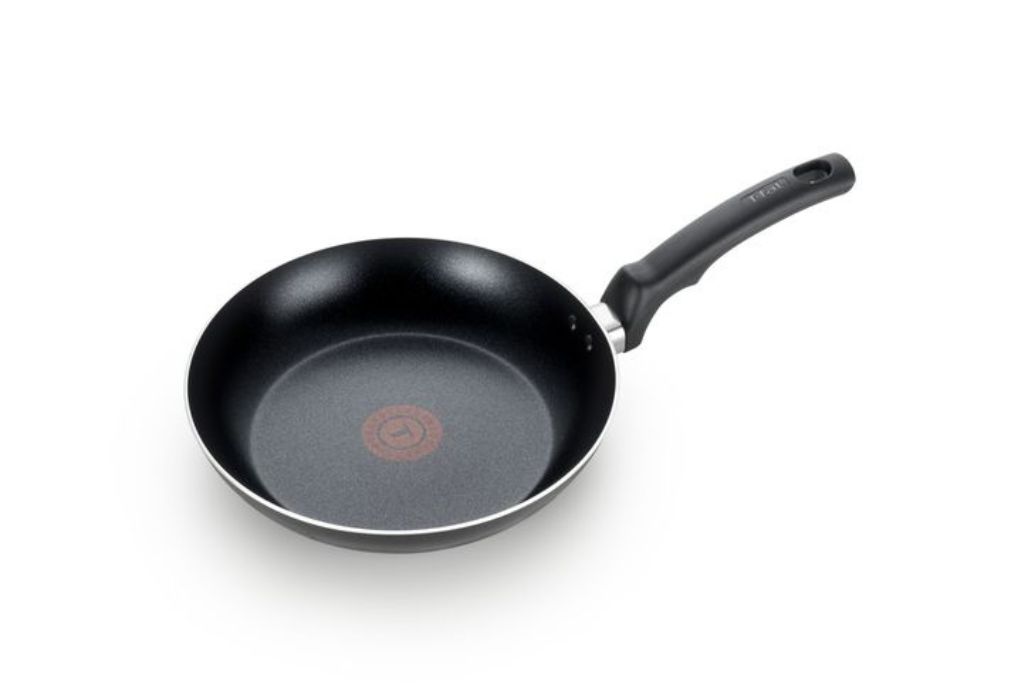
Nonstick cookware has transformed modern kitchens by making cooking and cleaning easier. The most recognized nonstick material is PTFE, commonly known by the brand name Teflon, which provides a smooth surface that prevents food from sticking.
Not all nonstick coatings are made from Teflon. Ceramic coatings have grown in popularity as a chemical-free alternative, offering nonstick performance while being PFOA-free and more environmentally friendly.
The evolution of nonstick technology has significantly improved durability and heat resistance. Early nonstick pans often flaked or scratched easily, but modern manufacturing techniques now enhance both lifespan and performance.
Understanding the differences between Teflon and ceramic coatings is essential when evaluating T Fal cookware.
PTFE performs best at low to medium heat, but overheating can degrade the coating and release harmful fumes.
Ceramic coatings tolerate higher heat and are free from synthetic chemicals but may wear down faster with frequent use.
Selecting the right cookware involves balancing safety, durability, and cooking performance. Awareness of materials ensures consumers can make informed decisions, avoid potential health risks, and enjoy the convenience of nonstick surfaces without compromising quality.
T Fal Cookware: Composition and Materials
T Fal cookware is primarily constructed from lightweight aluminum, which ensures even heat distribution and easy handling. This material allows for quick heating and efficient cooking.
Some pieces feature ceramic nonstick coatings, providing chemical-free surfaces that offer easy food release. These ceramic coatings are typically marketed as PFOA-free, appealing to health-conscious users.
Other products in the T Fal line use PTFE-based coatings, commonly known as Teflon, which deliver superior nonstick performance at low to medium temperatures. Product labels usually indicate whether PTFE is present, helping consumers verify the materials before purchase.
T Fal offers multiple cookware lines, each varying in coatings and finishes. Some sets emphasize colorful enamel designs for aesthetic appeal, while others focus on nonstick efficiency and heat performance.
Understanding the composition of T Fal cookware is essential for evaluating safety, durability, and cooking performance. Aluminum paired with either PTFE or ceramic coatings provides convenience, but knowing the exact materials ensures proper use and maintenance.
Cleaning and Maintenance Tips for T Fal Cookware
Proper cleaning and maintenance are essential to prolong the life of T Fal cookware, especially for nonstick surfaces. Using harsh abrasives or metal utensils can damage both PTFE and ceramic coatings, reducing their effectiveness and lifespan.
Hand washing is generally recommended, even if the cookware is labeled dishwasher-safe. Mild dish soap and a soft sponge help maintain the coating and prevent scratches. Avoiding the use of steel wool or scouring pads is crucial, as these can cause peeling or flaking.
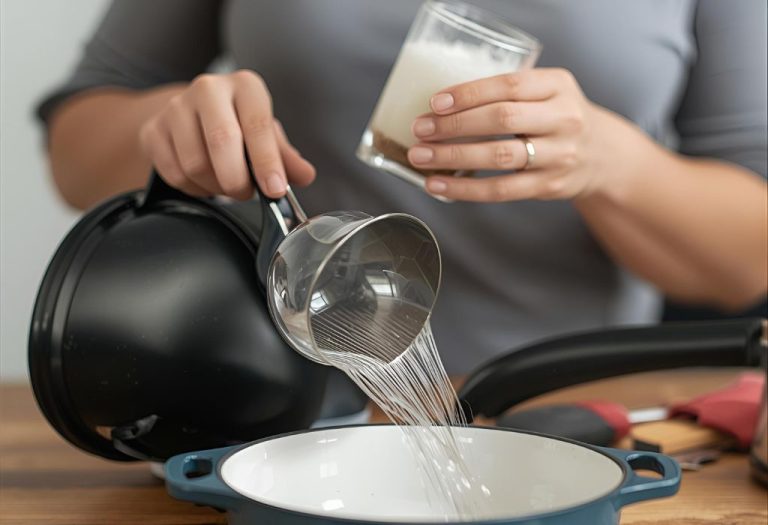
For stubborn residues, soaking the pan in warm water before cleaning can help release stuck-on food without harming the coating. Additionally, using silicone, wooden, or plastic utensils prevents surface damage during cooking.
Avoid sudden temperature changes when cleaning. Placing a hot pan directly into cold water can warp aluminum and weaken the nonstick surface over time.
Proper storage also helps maintain the cookware, such as using pan protectors or storing pieces separately to avoid scratching.
Seasoning ceramic-coated pans occasionally with a small amount of cooking oil can help maintain their nonstick properties. Even though PTFE coatings do not require seasoning, lightly oiling them before first use can help improve performance.
By following these cleaning and maintenance practices, home cooks can significantly extend the life of T Fal cookware.
Careful handling ensures consistent cooking results and reduces the risk of chemical exposure from damaged coatings.
Safety Considerations: Is Teflon Safe in Cookware?
Nonstick coatings, including PTFE-based Teflon, are widely used for convenience, but safety remains a key concern. PTFE is generally safe at low to medium cooking temperatures, providing effective nonstick performance.
Overheating PTFE-coated cookware, typically above 500°F (260°C), can cause the coating to degrade and release fumes. These fumes may be harmful to humans and especially dangerous to pet birds. (source)
Ceramic-coated cookware offers a chemical-free alternative to PTFE. Ceramic coatings tolerate higher heat and do not release toxic fumes, but they can wear faster over time with frequent use.
Following manufacturer guidelines is essential to ensure safety and prolong the cookware’s lifespan. Using medium heat, avoiding empty heating, and employing non-abrasive utensils can prevent coating damage and minimize health risks.
Understanding these safety considerations helps consumers select cookware that balances convenience, durability, and health. Choosing between PTFE and ceramic coatings depends on cooking habits, heat tolerance, and personal priorities in the kitchen.
Consumer Experiences and Reviews
T Fal cookware is widely appreciated for its affordability and nonstick convenience, making it a popular choice in many kitchens. Many users highlight the lightweight aluminum construction, which allows for easy handling and even heat distribution.
Consumer feedback highlights both strengths and potential limitations of the cookware. While nonstick surfaces provide effortless food release and easy cleaning, some users report that the coating may wear over time, particularly with frequent or high-heat use.
The brand’s aesthetic appeal is often praised, with colorful finishes and sleek designs adding style to kitchens. However, durability can be a concern, as some reviews note scratching or peeling of the nonstick layer when using metal utensils.
Comparisons with other popular cookware brands, such as Calphalon or Rachael Ray, indicate that T Fal offers similar convenience and design appeal, though coating longevity and performance may vary. Understanding consumer experiences provides insight into realistic expectations for maintenance and lifespan.
Proper care, including using silicone, wooden, or plastic utensils and avoiding extreme temperatures, can help maintain both PTFE and ceramic coatings. Considering both user feedback and material composition aids in making an informed purchase decision.
Consumer reviews offer valuable guidance on performance, usability, and overall satisfaction, allowing buyers to select cookware that aligns with their cooking needs and expectations.
Choosing the Right T Fal Cookware Set for Your Kitchen
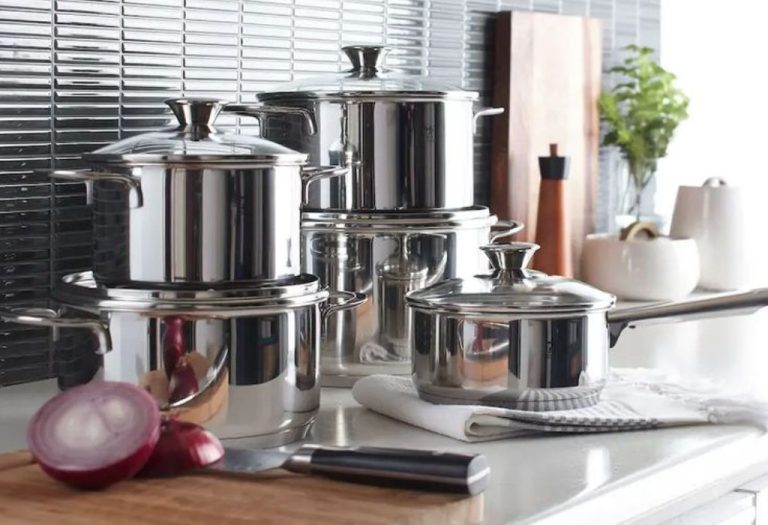
Selecting the right T Fal cookware set depends on cooking style, family size, and preferred materials. T Fal offers multiple collections, from basic nonstick fry pans to complete sets with saucepans, stockpots, and sauté pans.
Consider the type of nonstick coating. PTFE provides excellent release and easy cleanup for everyday cooking, while ceramic coatings are chemical-free and more heat-resistant but may require extra care to maintain performance.
Size and quantity of pieces are also important. Smaller sets may suffice for singles or couples, whereas larger families benefit from sets including multiple sizes of pots, pans, and lids. Aluminum construction ensures even heat distribution, which is ideal for frying, simmering, or sautéing.
Handle comfort and lid design are additional factors. Ergonomic handles reduce strain during cooking, and tempered glass lids allow easy monitoring without losing heat. Some T Fal sets feature stackable designs for compact storage.
Budget is another consideration. T Fal offers options ranging from affordable entry-level sets to higher-end professional lines. Evaluating features, coatings, and durability ensures the set meets both cooking needs and financial constraints.
By understanding these factors, buyers can select a T Fal cookware set that balances safety, performance, and convenience. Choosing thoughtfully ensures the cookware complements cooking habits while maximizing longevity and efficiency in the kitchen.
Making an Informed Decision
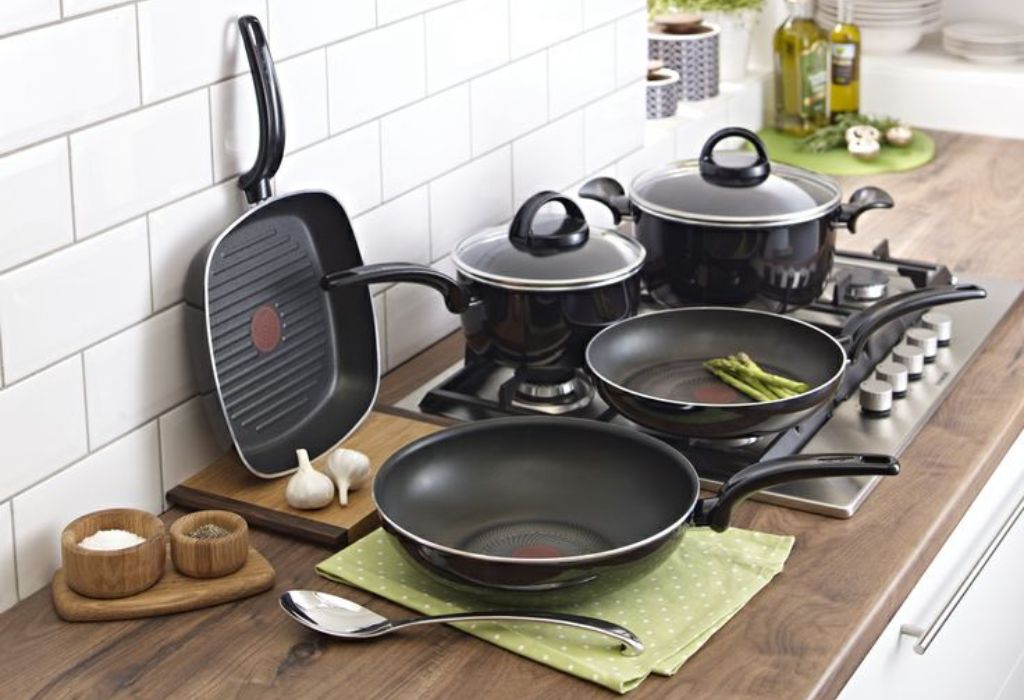
Selecting the right cookware requires evaluating factors such as material, nonstick coating type, safety, and intended use. T Fal cookware is visually appealing and budget-friendly, but understanding the specifics of each product line is essential for informed choices.
Understanding the type of nonstick coating is critical. PTFE-based surfaces offer excellent food release at low to medium heat but require careful handling to avoid overheating. Ceramic coatings, while chemical-free, may wear faster and need more attention during cleaning and use.
Durability and maintenance are key considerations. Following proper care guidelines, such as using non-abrasive utensils and avoiding sudden temperature changes, can extend the lifespan of any nonstick cookware.
Comparing T Fal cookware with alternatives like stainless steel, cast iron, or fully ceramic pans can help buyers make informed decisions. Each material offers unique benefits, including long-term durability, heat retention, and chemical-free cooking surfaces.
Reviewing materials, safety considerations, and consumer feedback allows buyers to confidently determine whether T Fal cookware meets their kitchen needs.
This approach ensures a balance between aesthetics, performance, and health, leading to a smart investment in cookware.
Conclusion
T Fal cookware combines stylish designs with practical nonstick functionality, appealing to a wide range of home cooks. Some items may contain Teflon (PTFE), while others use ceramic coatings, so it is important to check product specifications before purchasing.
Understanding the differences between PTFE and ceramic coatings helps ensure safe and effective use. Proper care, including avoiding high heat and using non-abrasive utensils, prolongs the cookware’s lifespan while maintaining nonstick performance.
Consumer feedback highlights both strengths and limitations, offering insight into durability, usability, and performance. Balancing design, safety, and long-term usability ensures a smart cookware investment.
For those concerned about chemical exposure or coating longevity, alternatives like stainless steel, cast iron, or fully ceramic cookware may be worth exploring. These materials provide durability and chemical-free cooking without compromising quality.
Informed decisions about T Fal cookware allow home cooks to enjoy both style and functionality. By choosing wisely and following manufacturer guidelines, consumers can confidently select cookware that meets their cooking needs while maintaining safety and performance.

I’m Emma J. Caldwell, the founder, lead writer, and home-cooking enthusiast behind KitchenGuideCo.com. With a background in culinary arts and over a decade of cooking experience in both professional and personal kitchens, I created this platform to demystify recipes, offer smart kitchen gadget reviews, and guide readers through meal prep with confidence and clarity.