Food safety has become a major concern around the world as consumers worry about contaminated products, foodborne illnesses, and improper handling during preparation.
Many people do not realize that food processors play a huge role in keeping food clean, fresh, and safe before it ever reaches homes or grocery stores.
I once saw a case where vegetables looked perfectly fresh on the outside, but only after going through a proper processing line were harmful contaminants removed, proving how essential processors really are.
Food processors combine advanced machinery with strict safety standards to reduce risk at every step of the food supply chain.
From washing and cutting to heating, blending, and sealing, these systems ensure each ingredient is handled properly. Their work functions as the invisible layer of protection between farms and consumers.
Modern food processors also rely on technology to detect temperature changes, contamination risks, and hygiene problems that human eyes might miss.
Automation helps keep food safe by ensuring consistent handling during processing. This prevents mistakes and reduces the chance of foodborne illnesses.
Understanding the Role of Food Processors in Food Safety
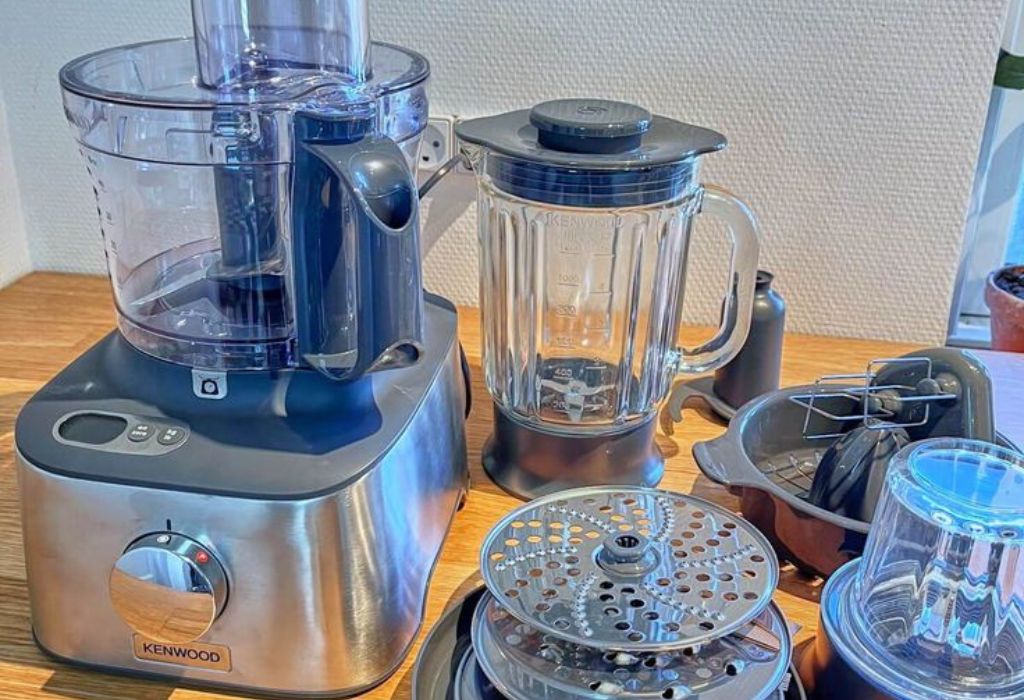
Food processors play a crucial role in converting raw ingredients into safe, edible products for consumers. They handle washing, sorting, cutting, cooking, and packaging in controlled environments designed to reduce contamination.
These controlled processes ensure that food remains safe from the moment it enters the facility until it reaches store shelves.
Food processors operate under strict hygiene guidelines to protect food quality. Their systems follow standardized procedures that minimize exposure to pathogens. By following consistent steps, processors eliminate many risks that occur during manual food handling.
Proper food processing helps remove physical contaminants such as dirt, stones, leaves, or damaged materials. Machines can scan, sort, and discard unsafe items automatically. This improves cleanliness far beyond what human labor alone could achieve.
Food processors also help maintain nutritional integrity. Advanced techniques preserve vitamins and minerals while still ensuring safety. This balance ensures consumers receive both healthy and contamination-free food.
Processing environments are carefully monitored for temperature, humidity, and hygiene. These controlled conditions prevent bacterial growth. This oversight significantly lowers the chances of spoiled or unsafe food entering the market.
Safety protocols in processing plants exceed what can be achieved in home kitchens. Industrial standards are far more rigorous, reducing the likelihood of foodborne illness. Food processors ensure that high-risk foods undergo the correct treatment before distribution.
Finally, food processors create traceable records for each batch. This documentation allows quick action if contamination is detected. Traceability enhances public safety by enabling swift recalls when necessary.
Maintaining Hygiene Standards During Food Preparation
Food processors maintain cleanliness through strict sanitation routines. Equipment is cleaned frequently using high-temperature wash cycles and food-safe detergents. This prevents bacteria from lingering on surfaces.
Workers follow personal hygiene protocols before entering food areas. They wear protective clothing, gloves, masks, and hairnets to reduce contamination risks. These measures create a barrier between workers and food products.
High-touch areas and tools are sanitized multiple times throughout each shift. This prevents cross-contact between batches or ingredients. Continuous cleaning significantly reduces the chance of foodborne pathogens spreading.
Special zones are created for different food categories. Raw and cooked items are processed separately to avoid contamination. This separation is essential for maintaining food safety.
Processing lines use stainless steel surfaces that resist bacteria buildup. Stainless steel is easy to sanitize and does not absorb food particles. This makes it the preferred material for food plant equipment.
Air quality is controlled to prevent dust, mold, or airborne bacteria. Filtration systems ensure clean airflow throughout processing areas. Clean air reduces the chances of invisible contaminants entering food.
Food processors invest heavily in sanitation staff and training. These teams ensure proper cleaning procedures are always followed. Strong sanitation practices are the foundation of safe food production.
Preventing Cross-Contamination in Food Handling
Cross-contamination is one of the biggest threats to food safety. Food processors prevent this by separating ingredients into different zones. Raw meats, vegetables, and cooked foods never share equipment or surfaces.
Dedicated tools are used for each food type. Color-coded utensils and bins ensure proper separation. These visual signals help workers avoid accidental mixing.
Machine surfaces are disinfected between food batches. Automated cleaning reduces human error and ensures thorough sanitation. Each cycle destroys bacteria before new food is introduced.
Allergen control is a major priority for food processors. Clear labeling and separate processing lines prevent allergen transfer. This protects consumers with severe food allergies.
Food processors monitor water systems for purity. Contaminated water can carry harmful bacteria or chemicals. Regular testing ensures safe washing and rinsing.
Proper waste disposal prevents contamination. Scraps and damaged materials are removed immediately from processing zones. This prevents bacteria from accumulating in work areas.
Cross-contamination control is reinforced through continuous training. Workers learn the importance of separation and strict adherence to protocols. These combined efforts ensure food remains safe at every stage.
Using Technology to Monitor Food Quality and Safety
Modern food processors rely heavily on technology to keep food safe. Advanced sensors track temperature, moisture, and processing conditions in real time. Immediate alerts notify staff of any safety risks.
Automation ensures consistent results. Machines measure ingredients precisely and maintain strict cooking or cooling conditions. This removes the variation caused by human handling.
Digital tracking systems record data throughout the processing line. These records provide transparency and allow fast action if an issue arises. Traceability builds consumer confidence in food safety.
X-ray and optical scanners detect foreign objects like plastic, glass, or bone. These tools identify contaminants human eyes cannot see. Removing physical hazards prevents serious injuries.
Robotic arms handle high-risk tasks. Robots reduce human contact with sensitive ingredients. Fewer touchpoints lower contamination risks significantly.
AI systems analyze patterns in food production. They help predict equipment failures or contamination threats before they occur. This proactive approach prevents food safety incidents.
Technology in food processing evolves constantly. Each advancement adds new layers of protection for consumers. These systems ensure food is safe even before it reaches stores.
Ensuring Proper Cooking, Blending, and Pasteurization
Food processors follow scientific heating and mixing guidelines. Correct temperature control eliminates harmful bacteria. Improper heating is one of the main causes of foodborne illness.
Cooking chambers are calibrated to reach exact heat levels. These temperatures are scientifically proven to destroy pathogens like Salmonella and E. coli. Consistent heating ensures full bacterial elimination.
Pasteurization extends shelf life without altering flavor. This process gently heats liquids to kill microorganisms. It maintains the nutritional value while ensuring safety.
Blending machines maintain even texture. They mix ingredients without leaving raw or poorly processed sections. Uneven mixing can allow bacteria to survive in unprocessed pockets.
Cooling systems rapidly reduce temperature after cooking. Fast cooling prevents bacterial regrowth. It ensures food remains safe during packaging.
Food processors use time-temperature charts to maintain consistency. These charts prevent undercooking or overheating. They secure food safety with precision.
Proper cooking and blending guarantee the food is safe for consumption. These techniques are essential steps in preventing illness. Every control point ensures maximum protection for consumers.
Safe Storage, Packaging, and Sealing Techniques
Food processors store ingredients at correct temperatures. Cold storage prevents bacterial growth in perishable foods. These facilities are monitored consistently for accuracy.
Packaging protects food from air, moisture, and contamination. Vacuum sealing removes oxygen, slowing spoilage. This helps food remain fresh longer.
Sealed containers prevent insects, dirt, and environmental hazards. Strong seals maintain food quality during transportation. They also prevent tampering.
Modified atmosphere packaging extends shelf life naturally. This technique replaces oxygen with safe gases like nitrogen. It slows down oxidation and bacterial growth.
Processors use automation to pack food uniformly. Machines minimize human contact during packaging. Less contact means lower contamination risks.
Barcode labels track every package. They provide essential information for recalls or quality checks. Traceability enhances consumer safety.
Safe storage and packaging strategies protect food from factory to store shelves. These steps maintain hygiene and nutritional value. Food reaches consumers with confidence in its safety.
Transportation and Distribution Safety Measures
Food processors ensure safe transport by using refrigerated trucks. Cold-chain systems maintain temperature-sensitive foods. This prevents spoilage during delivery.
Trucks use insulated walls and temperature monitors. These devices alert drivers if conditions change. Constant monitoring protects food integrity.
Distribution routes are planned to avoid long delays. Time spent outside safe temperatures increases contamination risk. Efficient routing keeps food fresh.
Loading areas are sanitized daily. Clean surfaces prevent contamination as food enters transit vehicles. Hygiene remains a priority at every stage.
Drivers follow food safety guidelines. They avoid mixing raw and cooked food deliveries. Proper separation protects against cross-contamination.
Secure packaging prevents leaks or spills. Spills can contaminate other products during transport. Strong packaging ensures safety during movement.
Distribution centers also follow safety protocols. They store food properly before sending it to retailers. These combined efforts ensure safe delivery from factory to shelf.
How Food Processors Comply With Global Safety Regulations
Food processors follow strict international regulations. These rules ensure consistent safety across the food supply chain. Compliance protects consumers worldwide.
HACCP (Hazard Analysis and Critical Control Points) is one of the most important systems. It identifies risks and sets preventive actions. HACCP certification is required for many global food brands.
Processors also follow FDA guidelines in the United States. These guidelines cover labeling, hygiene, and production safety. Meeting these standards ensures regulatory compliance.
ISO certifications improve quality management. ISO systems focus on safety, consistency, and continuous improvement. Achieving ISO certification reflects high professionalism.
Regular inspections ensure facilities meet safety standards. Inspectors review sanitation, equipment, and recordkeeping. Passing audits demonstrates strong food handling practices.
Food processors invest in staff training for regulatory compliance. Workers must understand safety rules clearly. Training reduces errors and maintains quality.
These regulations form the backbone of global food safety. Compliance ensures food is trustworthy and safe for consumption. Strong regulations protect consumers everywhere.
Food Safety and Processing FAQ
How do food processors improve food safety?
They use controlled environments, hygiene standards, and technology to reduce contamination.
Why is temperature control important in food processing?
Correct temperatures kill harmful bacteria and prevent spoilage.
Do food processors reduce human contamination?
Yes, automation reduces hand contact, lowering contamination risks.
How does packaging help food safety?
Sealed packaging blocks moisture, bacteria, and air.
What safety technology do processors use?
Sensors, scanners, and digital tracking systems ensure food quality.
How do processors prevent cross-contamination?
They separate raw and cooked zones and sanitize equipment regularly.
Why are regulations important?
They ensure consistent safety and protect consumers worldwide.
Can processing help reduce foodborne illness?
Yes, proper cooking, pasteurization, and handling reduce illness risks.
Do processors help extend shelf life?
Vacuum sealing, pasteurization, and cold-chain storage extend freshness.
How does automation improve safety?
It reduces human error and ensures consistent handling processes.
Conclusion
Food processors play a vital role in protecting the global food supply by enforcing strict hygiene standards, preventing contamination, and utilizing advanced technology.
They maintain precise control over temperature, cleaning, and handling conditions that eliminate harmful bacteria before food reaches consumers.
From washing and sorting ingredients to cooking, cooling, and packaging, processors perform each stage with scientific precision to maintain safety and freshness.
Modern processing systems rely on sensors, scanners, robotics, and digital tracking to detect problems early. These tools help ensure consistent quality while minimizing human error.
Strong safety protocols, such as HACCP and ISO standards, guide every step of the process, guaranteeing that food is handled with care and expertise.
By creating clean separation zones, using automated equipment, and maintaining detailed batch records, food processors ensure accountability throughout the supply chain.
Safe packaging, controlled storage conditions, and cold-chain transportation add additional layers of protection as food moves from factories to homes.
Whether it’s pasteurization for milk, vacuum sealing for meats, or sanitizing fresh produce, each method contributes to a safer eating experience.
Through rigorous controls and cutting-edge technology, food processors act as the invisible guardians of public health, ensuring that every meal reaches families clean, safe, and ready to enjoy.

I’m Emma J. Caldwell, the founder, lead writer, and home-cooking enthusiast behind KitchenGuideCo.com. With a background in culinary arts and over a decade of cooking experience in both professional and personal kitchens, I created this platform to demystify recipes, offer smart kitchen gadget reviews, and guide readers through meal prep with confidence and clarity.