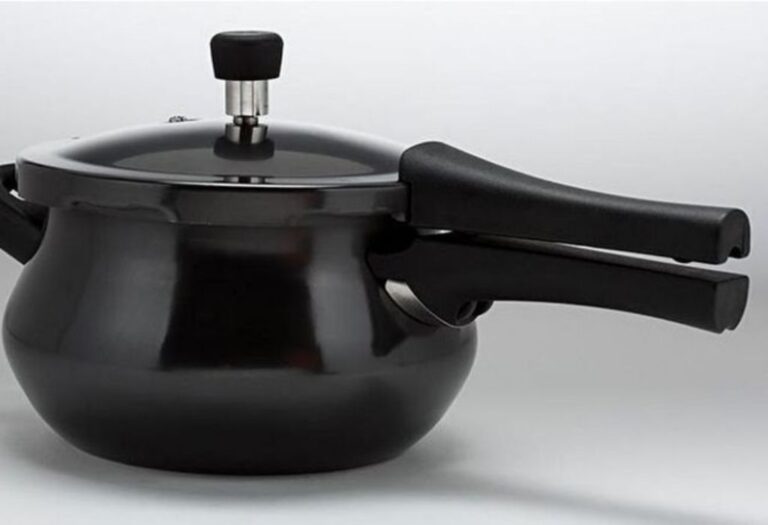
Aluminum cookware is a kitchen essential prized for its lightweight design and excellent heat conductivity. Many home cooks rely on it daily, but improper care can lead to discoloration, scratches, or sticky surfaces.
Despite its durability, aluminum reacts easily with acidic foods, which can alter the pan’s surface and affect cooking results. Without the right maintenance, even high-quality cookware can degrade quickly, reducing its lifespan and performance.
Curiously, most people overlook simple steps that can prevent these issues. Proper cleaning, seasoning, and storage not only maintain the cookware’s appearance but also preserve its non-stick properties and overall safety.
Statistics show that 28% of aluminum cookware users report surface damage within the first year due to improper cleaning or use (source). Another study highlights that anodized aluminum is significantly more resistant to corrosion, making maintenance easier when best practices are followed (source).
Learning how to care for aluminum cookware ensures it stays functional, safe, and visually appealing for years. By understanding proper cleaning techniques, seasoning methods, and safe cooking practices, homeowners can maximize the value and lifespan of these versatile kitchen tools.
Understanding Aluminum Cookware
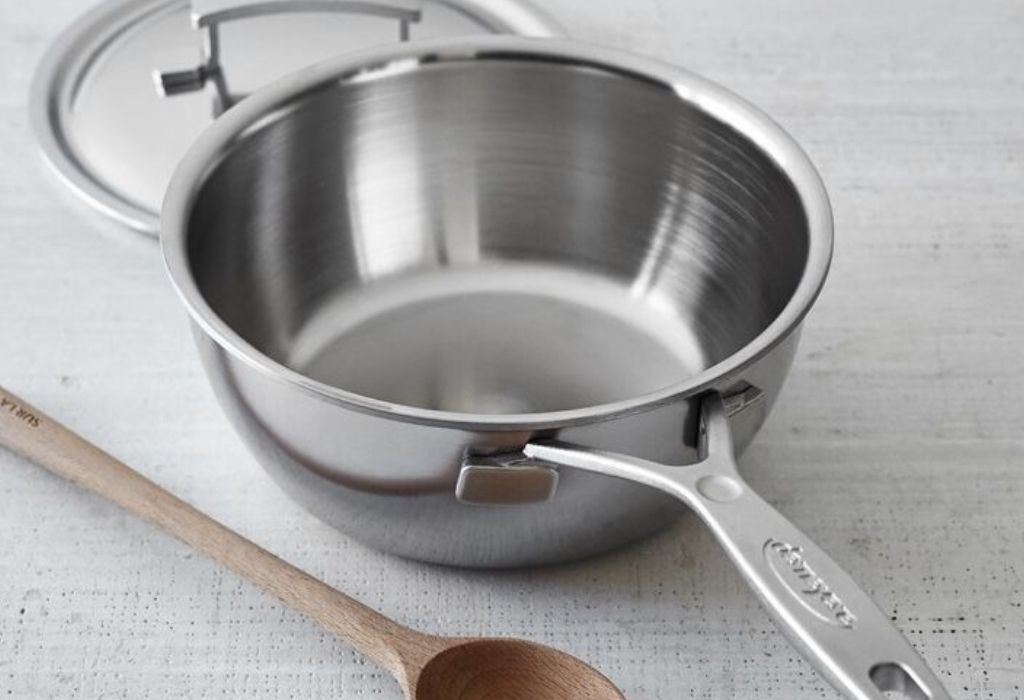
Aluminum cookware is prized for its lightweight design, excellent heat conductivity, and quick responsiveness to temperature changes. These characteristics make it a favorite for frying pans, saucepans, and baking sheets, allowing food to cook evenly and efficiently.
There are several types of aluminum cookware, each with distinct advantages and care requirements. Uncoated aluminum is economical and lightweight but prone to discoloration and staining if exposed to acidic foods or high heat.
Anodized aluminum undergoes a special electrochemical process that hardens the surface, making it more resistant to scratches, corrosion, and chemical reactions.
Non-stick aluminum features a protective coating that prevents food from sticking, making it ideal for low-fat cooking but requiring gentle cleaning to maintain the surface.
Understanding these variations is crucial for proper care and long-term performance. Uncoated aluminum benefits from seasoning to create a natural protective layer, while anodized and non-stick cookware require careful handling to avoid surface damage.
Recognizing how each type reacts to heat, utensils, and cleaning agents can prevent common issues such as staining, pitting, and surface degradation.
Proper maintenance starts with knowing the material and its vulnerabilities. Acidic foods, metal utensils, and harsh cleaning agents can compromise the cookware’s performance and appearance.
By tailoring cleaning, cooking, and storage practices to the specific type of aluminum cookware, users can extend its lifespan, maintain non-stick properties, and ensure safe use in everyday cooking.
Common Issues with Aluminum Cookware
Aluminum cookware, while versatile and efficient, can encounter several common problems if not properly cared for. Issues such as discoloration, scratches, and sticky surfaces often arise from everyday cooking habits and cleaning practices.
Discoloration and staining are frequent concerns, especially with uncoated aluminum. Acidic foods like tomatoes, citrus, or vinegar can react with the metal, leading to dark spots or a dull surface.
High heat and improper cleaning methods, including harsh detergents or abrasive scrubbers, can further accelerate staining and alter the pan’s appearance.
Scratches and surface damage are another common issue. Metal utensils or aggressive scrubbing can compromise both anodized and non-stick coatings, reducing the cookware’s effectiveness and potentially causing food to stick.
Using soft, non-abrasive utensils such as silicone, wood, or plastic can preserve the surface and maintain optimal cooking performance.
Sticky or food-sticking surfaces often result from accumulated oils or residue. Even non-stick aluminum can develop a sticky layer if not cleaned thoroughly or if high-heat cooking is used repeatedly without proper seasoning or maintenance.
Regular cleaning with mild detergents, soft sponges, and occasional seasoning can help prevent buildup and maintain smooth cooking surfaces.
Understanding these common issues is essential for effective cookware maintenance. Recognizing the causes of discoloration, scratches, and sticking allows for tailored cleaning and cooking strategies, helping aluminum cookware remain safe, functional, and visually appealing over time.
Proper awareness of these vulnerabilities ensures that the cookware performs optimally and lasts for years, making it a reliable tool in any kitchen.
Best Practices for Cleaning Aluminum Cookware
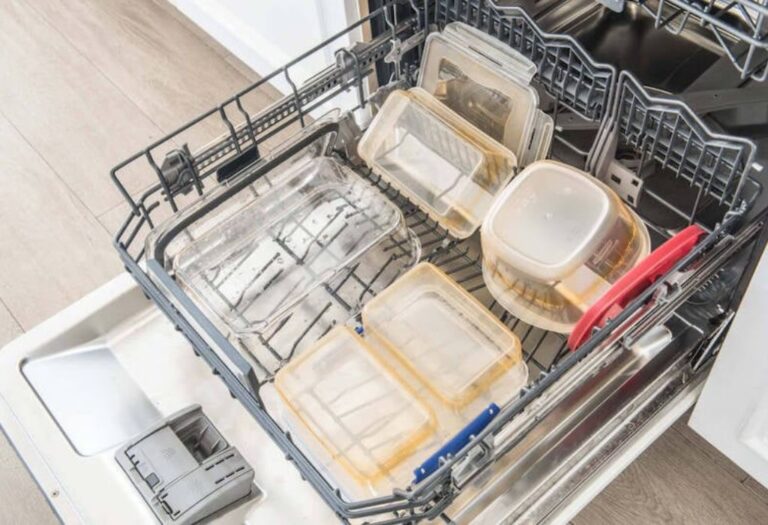
Proper cleaning is essential to maintain the appearance, performance, and safety of aluminum cookware. Hand washing with warm water and mild detergent is recommended for all types, as dishwashers can cause discoloration, surface dulling, or damage to non-stick coatings.
For stubborn stains or discoloration, gentle natural solutions are highly effective. A paste made of baking soda and water can remove surface stains without scratching the cookware, while a vinegar and water mixture can address more persistent discoloration caused by acidic foods.
Using soft sponges or cloths prevents abrasion and preserves the integrity of anodized and non-stick surfaces.
Drying and storing cookware correctly also play a critical role in longevity. Thoroughly drying after washing prevents water spots and potential corrosion. Storing pans in a dry, well-ventilated space avoids moisture-related issues that can compromise the surface over time.
Regular cleaning habits not only maintain visual appeal but also enhance non-stick properties and prevent residue buildup.
Integrating these simple practices into everyday kitchen routines ensures aluminum cookware remains safe, efficient, and long-lasting, reducing the risk of common problems such as sticking, scratching, or staining.
Proper care fosters reliable performance and keeps cookware ready for any recipe, from everyday meals to complex dishes.
Seasoning Aluminum Cookware
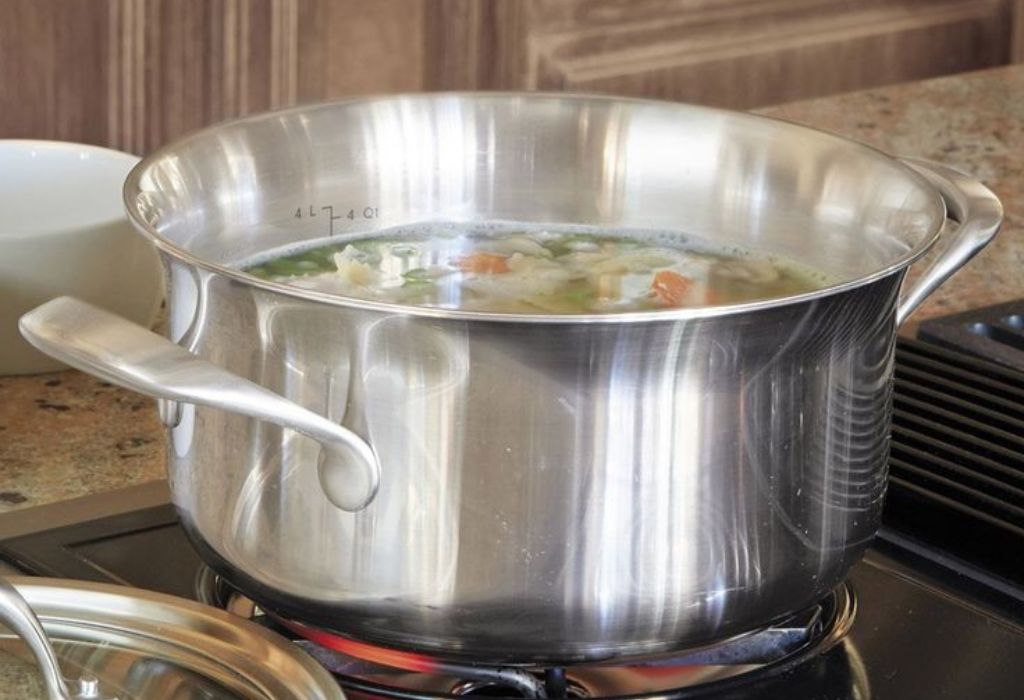
Seasoning aluminum cookware enhances its durability, prevents sticking, and protects against corrosion. The process involves creating a thin, protective layer on the cookware’s surface, which improves non-stick properties and prolongs the lifespan of both uncoated and anodized pans.
To season aluminum cookware, start by cleaning it thoroughly with warm water and mild detergent to remove any residues or oils. Next, apply a thin layer of vegetable oil evenly across the entire surface, including edges, to ensure complete coverage.
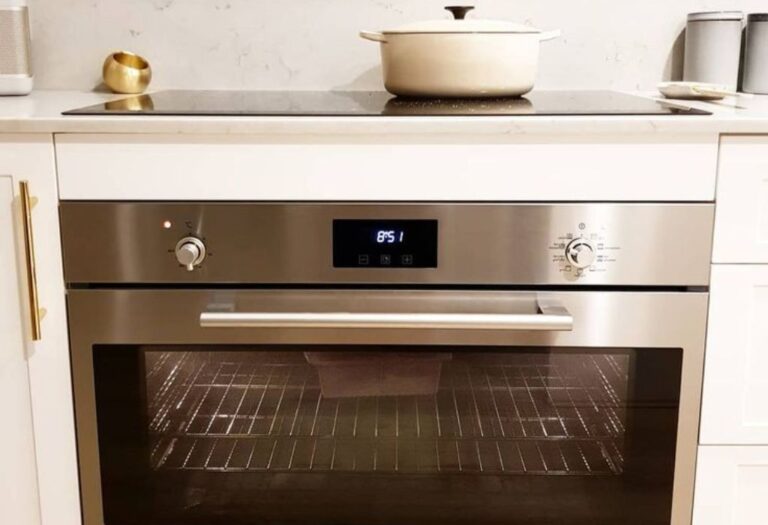
Once coated, heat the cookware in an oven at approximately 250°F for about two hours. Allow it to cool completely before use, which helps the oil polymerize and form a durable protective layer.
This layer not only prevents food from sticking but also shields the cookware from discoloration and surface damage caused by high heat or acidic foods.
Regular seasoning, especially for uncoated aluminum, maintains optimal performance and extends the cookware’s usability. Even anodized and non-stick cookware benefit from occasional light seasoning to reinforce protective coatings.
Properly seasoned aluminum cookware delivers smoother cooking, easier cleaning, and long-term safety, ensuring it remains a reliable kitchen tool for years.
Cooking Tips for Aluminum Cookware
Using aluminum cookware correctly enhances its performance, prevents damage, and ensures safe cooking. Avoiding high heat is crucial, as extreme temperatures can warp pans, cause discoloration, and react with acidic foods, leading to stains or off-flavors.
Choosing the right utensils also preserves the cookware’s surface. Wooden, silicone, or plastic utensils prevent scratches and maintain the integrity of non-stick and anodized coatings, while metal utensils can damage the surface and reduce cooking efficiency.
Acidic foods such as tomatoes, citrus, or vinegar require extra caution. Using anodized or non-stick aluminum cookware for these ingredients prevents chemical reactions with the metal, maintaining the pan’s appearance and safety.
Additionally, moderate heating and proper preheating help distribute heat evenly and prevent sticking.
Combining careful utensil selection, heat management, and awareness of food types ensures that aluminum cookware delivers consistent cooking results while remaining durable and easy to maintain.
Maintaining Non-Stick Aluminum Cookware
Maintaining non-stick aluminum cookware ensures it remains effective, safe, and long-lasting. Regular cleaning with mild detergent and soft sponges prevents buildup without damaging the non-stick coating, while abrasive scrubbers can compromise the surface and reduce performance.
Preventing damage also involves careful use during cooking. Avoid overheating non-stick cookware, as excessive heat can degrade the coating and release harmful fumes. Using metal utensils or cooking sprays that contain chemicals can further wear down the surface and shorten its lifespan.
Occasionally, non-stick cookware may require re-seasoning or light oiling to reinforce the protective layer. Proper maintenance preserves smooth surfaces, improves food release, and keeps cleaning easy, making every cooking experience more efficient and enjoyable.
By following these practices consistently, non-stick aluminum cookware retains its appearance, functionality, and safety. It allows for low-fat cooking, reduces sticking, and ensures that even frequent use does not compromise the pan’s performance over time.
Safe Use and Potential Health Concerns
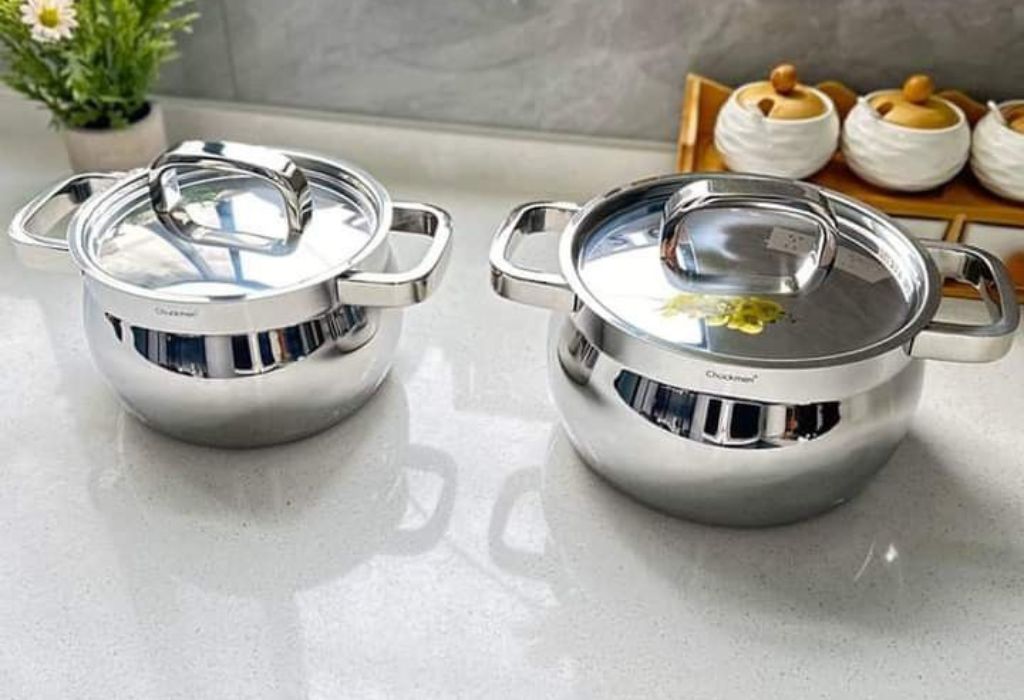
While aluminum cookware is generally safe, certain precautions are essential to ensure healthy cooking. Some cookware may leach small amounts of aluminum or other metals if damaged, worn, or exposed to acidic foods for prolonged periods.
Lead contamination is another potential concern with low-quality or imported cookware. The FDA has issued warnings about some aluminum products that can pose health risks if not properly manufactured or maintained (source).
Choosing reputable brands with certified safety standards minimizes these risks. Regular inspection for scratches, corrosion, or worn coatings helps ensure that cookware remains safe for everyday use.
Proper handling, including avoiding high heat with uncoated pans and using appropriate utensils, reduces the likelihood of metal leaching and preserves the cookware’s integrity.
Following these practices ensures aluminum cookware remains both reliable and safe, giving confidence to home cooks in daily kitchen activities.
How should I clean aluminum cookware after cooking?
Wash aluminum cookware with warm water, mild dish soap, and a soft sponge. Avoid steel wool or harsh scrubbers, which can scratch the surface and cause dullness.
Can I put aluminum cookware in the dishwasher?
No, aluminum cookware should always be hand-washed. The dishwasher’s strong detergents and high heat can discolor or corrode the surface over time.
How can I remove stains or discoloration from aluminum pans?
Boil a mixture of water and cream of tartar, lemon juice, or vinegar inside the pan for 10–15 minutes, then rinse and dry thoroughly to restore shine.
How do I prevent aluminum cookware from pitting or corroding?
Avoid cooking or storing salty or acidic foods in aluminum cookware for long periods, as these can cause pitting and weaken the surface.
Should I season aluminum cookware like cast iron?
No, aluminum cookware doesn’t require seasoning. Just keep it clean and dry after use to prevent oxidation and staining.
Can I use metal utensils on aluminum cookware?
It’s best to use wooden, nylon, or silicone utensils. Metal utensils can leave scratches, especially on anodized or coated aluminum cookware.
What’s the best way to keep aluminum cookware shiny?
Polish it occasionally using a paste of lemon juice and baking soda, or use a commercial aluminum polish to restore its bright, reflective surface.
Can overheating damage aluminum cookware?
Yes, aluminum is a soft metal and can warp or discolor under extremely high heat. Always cook on low to medium heat for longer-lasting performance.
How should I store aluminum cookware properly?
Stack pans carefully with soft cloth or paper towels between them to prevent scratching, and store in a dry area to avoid moisture-related corrosion.
What’s the secret to making aluminum cookware last longer?
Handle it gently, clean it after each use, avoid the dishwasher, cook on moderate heat, and polish occasionally—these simple habits will extend its lifespan for years.
Conclusion
Proper care and maintenance are key to ensuring aluminum cookware remains durable, safe, and efficient. By following recommended cleaning techniques, avoiding high heat, and using suitable utensils, cookware retains its appearance and performance for years.
Seasoning uncoated aluminum, careful handling of anodized and non-stick pans, and awareness of potential health risks further enhance longevity.
Consistent care prevents common issues such as discoloration, scratches, and sticking, making cooking easier and more enjoyable.
Investing time in proper maintenance not only extends the cookware’s lifespan but also ensures safe and reliable performance for daily use. Following these best practices allows home cooks to maximize the value of aluminum cookware and enjoy consistent, high-quality results in every meal.

I’m Emma J. Caldwell, the founder, lead writer, and home-cooking enthusiast behind KitchenGuideCo.com. With a background in culinary arts and over a decade of cooking experience in both professional and personal kitchens, I created this platform to demystify recipes, offer smart kitchen gadget reviews, and guide readers through meal prep with confidence and clarity.