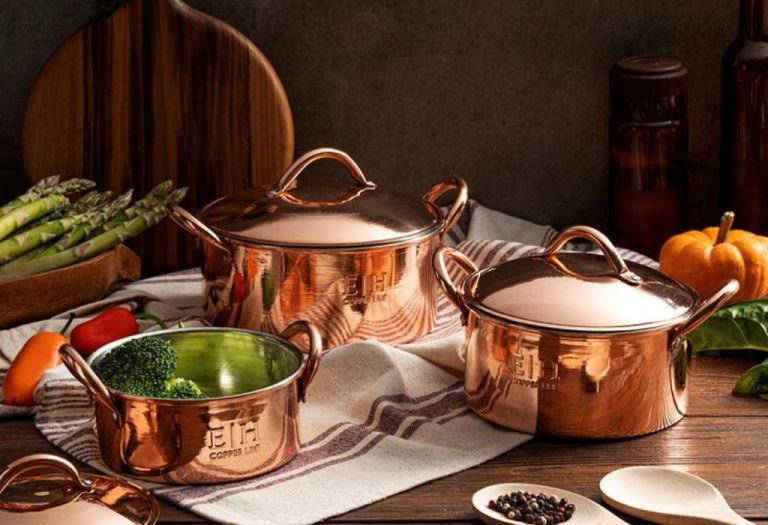
Copper cookware is celebrated for its exceptional heat conductivity and timeless aesthetic, making it a favorite in both professional kitchens and home cooking spaces. Its ability to distribute heat evenly ensures precise cooking results, from delicate sauces to hearty stews.
Despite its beauty and performance, copper cookware requires careful maintenance to preserve its shine and functionality. Improper cleaning, abrasive scrubbing, or incorrect storage can lead to tarnishing, scratches, and damage to the lining, reducing both its appearance and cooking efficiency.
Statistics indicate that nearly 50% of copper cookware owners accidentally shorten their pan’s lifespan due to improper care.
Without proper guidance, the cookware’s elegant finish and superior performance can degrade quickly, leaving users frustrated and disappointed.
Learning how to care for copper cookware effectively can prevent these issues while extending the life of the pans.
By understanding the correct cleaning methods, polishing techniques, and storage practices, cooks can maintain both the visual appeal and the performance of their copper cookware for decades.
Understanding Copper Cookware
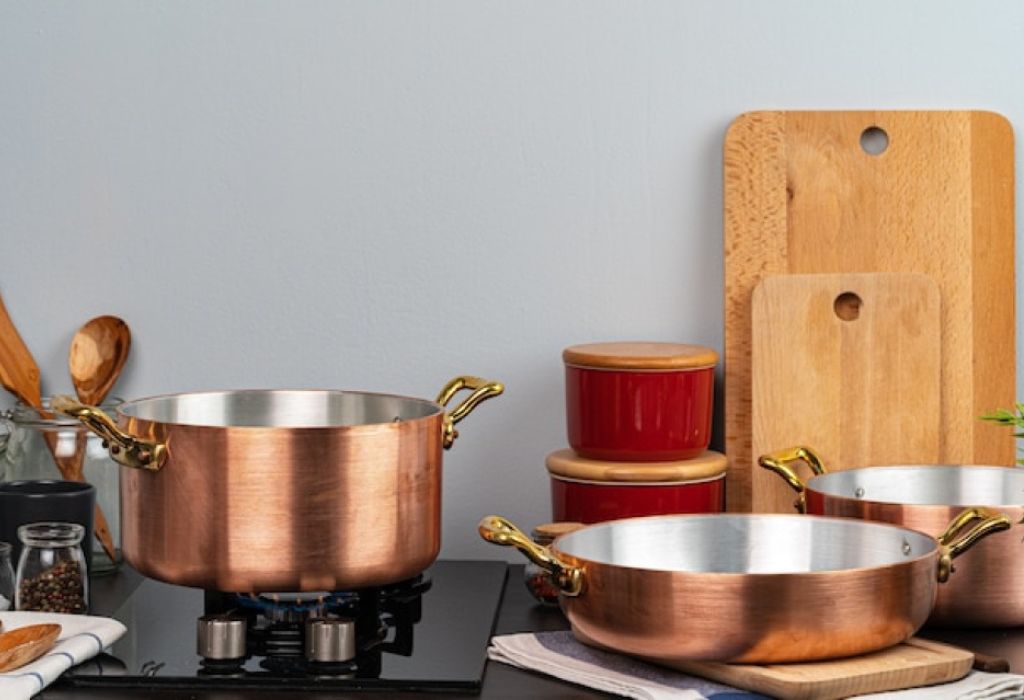
Copper cookware has earned a reputation for combining elegance with superior cooking performance. Its unmatched heat conductivity ensures that food heats evenly and responds quickly to temperature adjustments, making it ideal for precision cooking.
There are two primary types of copper cookware linings: tin and stainless steel. Tin-lined copper cookware provides excellent non-reactive cooking surfaces but requires delicate care due to tin’s lower melting point. Stainless steel-lined copper offers enhanced durability and easier maintenance while still benefiting from copper’s superior heat distribution.
The quality of the lining plays a significant role in cookware performance and longevity. Proper care of both the copper exterior and the lining is essential to prevent tarnishing, corrosion, and scratches, all of which can affect both the appearance and functionality of the cookware.
Copper cookware also requires attention due to its susceptibility to oxidation. Even with protective linings, exposure to moisture, acidic foods, or harsh cleaning agents can cause discoloration or dulling over time.
Routine maintenance, including careful cleaning, immediate drying, and periodic polishing, preserves the cookware’s aesthetic appeal and ensures consistent cooking results.
Understanding the unique properties of copper cookware allows cooks to implement proper care practices.
Awareness of the differences between tin and stainless steel linings, along with the need for regular maintenance, sets the foundation for preserving the cookware’s longevity, beauty, and performance in any kitchen.
Cleaning Copper Cookware
Proper cleaning is essential to maintain both the appearance and performance of copper cookware. Hand washing with warm water and mild dish soap immediately after use prevents food residue from hardening and reduces the risk of tarnishing.
Soaking copper cookware should be avoided, as prolonged exposure to water can cause oxidation and water spots. Soft sponges or cloths are recommended to avoid scratching the surface, especially on polished copper or lined interiors.
Removing tarnish and stains can be done using natural solutions. A mixture of lemon juice and salt gently removes tarnish while preserving the copper’s shine. For more stubborn stains, a paste made from vinegar, salt, and flour can be applied, left briefly, and then rinsed thoroughly.
Polishing copper regularly is critical to restore its lustrous finish. Non-abrasive copper cleaners, such as Wright’s Copper Cream, can be applied with a soft cloth in circular motions, followed by thorough rinsing and immediate drying to prevent water spots.
Special care is required for tin-lined cookware. Abrasive cleaners or metal scrubbers can damage the lining, reducing both cooking performance and safety. Over time, tin-lined cookware may require professional re-tinning to maintain a non-reactive cooking surface.
Routine cleaning practices not only preserve the visual appeal of copper cookware but also enhance its heat distribution and longevity. By combining careful hand washing, stain removal, and regular polishing, copper cookware can remain a functional and beautiful centerpiece in any kitchen for decades.
Maintaining Copper Cookware
Maintaining copper cookware involves consistent care to preserve its performance and aesthetic appeal. Proper storage, regular polishing, and careful handling all contribute to the cookware’s longevity.
Copper cookware should be stored in a dry, cool environment to prevent oxidation. Using protective liners or cloths between stacked pans helps prevent scratches and dents, preserving both the exterior and the lining.
Avoiding common mistakes is crucial for maintaining copper cookware. Dishwashers, harsh detergents, and metal scrubbers can damage the surface or lining, while cooking acidic or salty foods in unlined copper may cause discoloration. Heating an empty copper pan should also be avoided to protect delicate tin linings.
A regular maintenance schedule enhances both appearance and functionality. Polishing copper cookware every three to six months keeps the surface shiny and reduces tarnish accumulation. Inspecting tin or stainless steel linings regularly ensures they remain intact and non-reactive for safe cooking.
Proper maintenance not only maintains the cookware’s shine but also ensures even heat distribution during cooking. By combining careful storage, mindful handling, and routine polishing, copper cookware continues to deliver precise cooking results and remains a visually appealing centerpiece in the kitchen.
Understanding and applying these maintenance principles allows cooks to maximize the benefits of their copper cookware. Consistent care preserves both performance and elegance, making copper cookware a long-lasting investment for any culinary enthusiast.
Troubleshooting Common Issues
Even with careful maintenance, copper cookware can develop issues such as tarnish, scratches, or dents over time. Understanding how to address these problems ensures that the cookware remains both functional and visually appealing.
Tarnish is a natural result of copper’s reaction to air and moisture. While a patina may be desirable to some, regular polishing restores the cookware’s bright finish and prevents corrosion from worsening.
Scratches and dents are common with frequent use. Minor imperfections do not typically affect cooking performance, but deep scratches on lined interiors may require professional repair or re-tinning to maintain safety and heat efficiency.
Discoloration from acidic or salty foods can occur, particularly with unlined or tin-lined copper. Prompt cleaning with natural solutions, such as lemon juice and salt or vinegar and flour paste, helps remove stains without damaging the metal.
For severe issues, professional restoration services can address deep tarnish, worn linings, or structural damage. Utilizing these services ensures that high-quality copper cookware continues to perform optimally and maintains its aesthetic value for years.
Regular observation and timely intervention prevent minor issues from escalating. By addressing tarnish, scratches, and discoloration early, cooks can extend the life of their copper cookware and maintain consistent heat distribution and cooking quality.
Natural Cleaning Solutions for Copper Cookware
Maintaining the shine and appearance of copper cookware can be achieved using natural, non-abrasive cleaning methods.
Ingredients like lemon, vinegar, and salt are effective for removing tarnish, restoring brightness, and preventing damage to the metal.
For light tarnish, sprinkling salt on a cut lemon and gently rubbing the copper surface can remove discoloration and bring back its original luster.
This method is safe for both polished and lined copper cookware and avoids the risk of scratches associated with abrasive pads.
For more stubborn stains, a paste made from vinegar, salt, and flour can be applied to the surface.
Allowing the mixture to sit for a few minutes before gently rubbing and rinsing helps remove deeper tarnish without damaging the lining or exterior. Immediate drying with a soft cloth prevents water spots and oxidation.
Routine use of mild dish soap and warm water is recommended for everyday cleaning. This removes grease, food residue, and prevents tarnish from forming over time.
Soft sponges or microfiber cloths should always be used to protect the copper surface and any interior linings.
Polishing is an important component of natural cleaning. Regularly applying a natural cleaner or specialized copper polish maintains the cookware’s brightness and prevents long-term corrosion.
For tin-lined cookware, care should be taken to avoid abrasive materials that can scratch or wear down the lining.
Natural cleaning methods also offer long-term benefits. They preserve the cookware’s thermal conductivity, ensure safe cooking surfaces, and maintain the aesthetic appeal of copper in the kitchen.
Combining hand washing, immediate drying, and natural polishing ensures copper cookware remains functional, beautiful, and long-lasting.
By incorporating these natural cleaning solutions into a regular maintenance routine, cooks can enjoy copper cookware that is both efficient in cooking and visually striking.
These methods are simple, effective, and eco-friendly, making them an essential part of proper copper cookware care.
Expert Tips and Recommendations
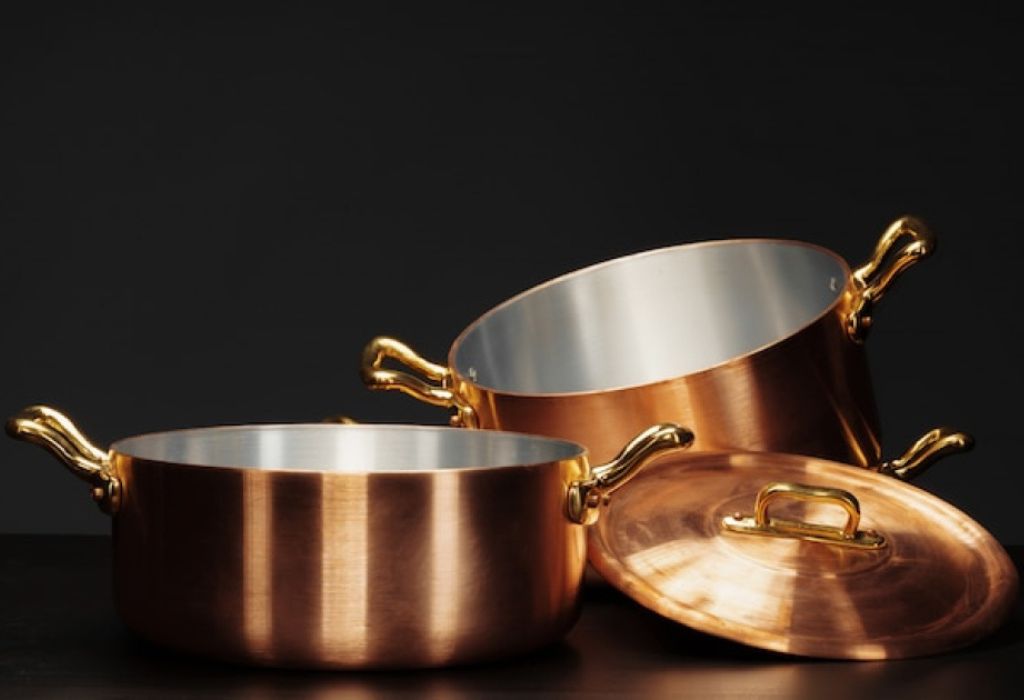
Expert guidance can help preserve the performance and appearance of copper cookware for decades. Following recommended practices for cleaning, polishing, and storage ensures both durability and optimal heat distribution during cooking.
Professional care services are available for tin-lined or heavily tarnished copper cookware. Re-tinning restores worn interiors, while specialized copper care services address deep tarnish and structural imperfections, maintaining both safety and aesthetics.
Using recommended products enhances maintenance efficiency. Copper-specific creams, such as Wright’s Copper Cream, along with soft sponges or microfiber cloths, provide effective cleaning without scratching or damaging the surface. Protective liners for storage prevent dents and scratches during stacking.
Regular maintenance is key to longevity. Polishing every few months, inspecting linings, and avoiding harsh chemicals preserves both the exterior and interior of copper cookware, ensuring consistent cooking results.
Additional tips include avoiding dishwasher use, refraining from metal utensils on lined surfaces, and limiting exposure to acidic foods in unlined copper.
These small adjustments prevent common issues and extend the cookware’s lifespan.
By integrating expert recommendations into daily care routines, cooks can maintain copper cookware that is both functional and visually striking.
Consistent care transforms routine maintenance into a simple habit, safeguarding the cookware’s performance and aesthetic appeal for years to come.
How should I clean copper cookware after each use?
Clean copper cookware with warm water, mild dish soap, and a soft sponge. Avoid abrasive pads or harsh chemicals that can scratch the surface or damage the lining.
Why is it important to dry copper cookware immediately?
Drying immediately prevents water spots, tarnish, and oxidation from forming on the copper surface, keeping the cookware bright and shiny.
Can I use lemon and salt to polish copper cookware?
Yes, lemon and salt make an excellent natural polish. Rub half a lemon dipped in salt over the surface, rinse with warm water, and dry thoroughly.
How often should I polish copper cookware?
Polish every few weeks if used regularly, or once a month for display pieces, to maintain its luster and prevent oxidation.
What kind of polish is safe for copper cookware?
Use a non-abrasive, copper-safe polish or a homemade cleaner made from lemon juice and baking soda to restore shine without scratching.
Can copper cookware go in the dishwasher?
No, copper cookware should always be hand-washed. The dishwasher’s heat and detergent can cause discoloration and weaken the lining.
How do I prevent copper cookware from tarnishing?
Keep it clean and dry, polish regularly, and store it in a low-humidity environment. Avoid contact with acidic or salty residues.
Is it safe to use metal utensils on copper cookware?
Avoid metal utensils, as they can scratch the interior lining. Instead, use wooden, silicone, or nylon utensils to preserve the surface.
Can I use baking soda to clean copper cookware?
Yes, baking soda is gentle and effective. Mix it with lemon juice or water to form a paste, apply it to the copper surface, and wipe clean with a soft cloth.
How do I restore dull or darkened copper cookware?
Apply a mixture of vinegar and salt or use a commercial copper cleaner. Rub gently until the shine returns, then rinse and dry completely.
Should I season copper cookware like cast iron?
No, copper cookware doesn’t need seasoning. Instead, focus on keeping it clean and polished to maintain performance and appearance.
Can copper cookware lose its shine permanently?
If neglected for long periods, heavy oxidation may cause dark spots that are difficult to remove. Regular polishing prevents permanent dullness.
Is it safe to use abrasive sponges on copper cookware?
No, abrasive materials can scratch the copper and lining. Always use soft sponges or microfiber cloths when cleaning.
How should I store copper cookware properly?
Hang copper pots on a rack or store them in a dry cabinet with soft padding between pieces to prevent scratches and tarnish.
What’s the best long-term care routine for copper cookware?
Hand-wash after each use, dry immediately, polish monthly, and handle with care. This routine keeps copper cookware beautiful, functional, and long-lasting.
Conclusion
Proper care and maintenance are essential to preserving both the performance and appearance of copper cookware. Regular cleaning, careful polishing, and mindful storage prevent tarnishing, scratches, and damage to linings, ensuring consistent heat distribution and optimal cooking results.
Following expert guidelines, such as using recommended cleaning products, avoiding harsh detergents, and inspecting tin or stainless steel linings, extends the cookware’s lifespan.
Minor issues like tarnish or discoloration can be addressed with simple natural solutions, while professional restoration services handle more serious wear.
By implementing these practices, cooks can enjoy the elegance, durability, and precision of copper cookware for decades.
Maintaining a routine care regimen transforms high-quality copper pots and pans into long-lasting, visually appealing, and highly functional kitchen tools.
Investing time in proper maintenance not only protects the cookware but also maximizes the cooking experience, ensuring that copper cookware remains a valuable asset in any kitchen.

I’m Emma J. Caldwell, the founder, lead writer, and home-cooking enthusiast behind KitchenGuideCo.com. With a background in culinary arts and over a decade of cooking experience in both professional and personal kitchens, I created this platform to demystify recipes, offer smart kitchen gadget reviews, and guide readers through meal prep with confidence and clarity.