Nonstick cookware has become a cornerstone in modern kitchens, prized for its convenience and ease of use. From breakfast omelets to stir-fried vegetables, these pans promise quick cooking and effortless cleanup.
Despite their popularity, many home cooks are unaware of the subtle mistakes that can shorten their lifespan. Overheating, using metal utensils, and harsh cleaning methods can damage the coating, reducing performance and potentially affecting safety.
Proper care is essential not only to maintain the nonstick surface but also to ensure chemical-free cooking. Studies show that careful cleaning and correct heat management can extend the life of nonstick pans by up to 40% (source).
Modern nonstick coatings are often free from harmful substances such as PTFE and PFOA, allowing for healthier meals with less oil. However, even high-quality pans require thoughtful maintenance and handling to stay effective.
Many cooks are also confused about the differences between PTFE, ceramic, and hard-anodized coatings, leading to improper use or overcautious handling. Understanding these materials is crucial for maximizing durability and ensuring safe daily cooking.
Understanding Nonstick Cookware
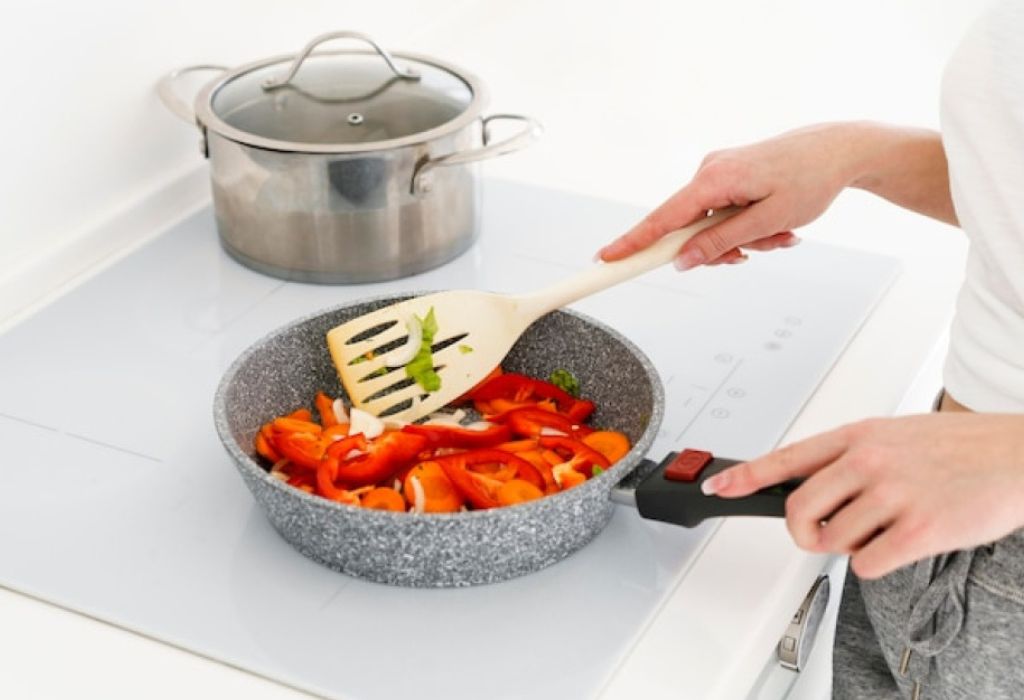
Nonstick cookware is designed to make cooking and cleanup easier by preventing food from sticking to the pan surface. These pans are typically made from aluminum, stainless steel, or hard-anodized bases coated with PTFE, ceramic, or other nonstick materials.
The primary advantage of nonstick cookware is the reduced need for cooking oil, which promotes healthier meals. Its lightweight design also makes handling large or heavy dishes easier, especially for everyday cooking.
Nonstick coatings are chemically engineered to create a smooth, low-friction surface that releases food effortlessly. Modern pans are generally free from harmful chemicals like PFOA and PTFE, making them safe for typical cooking conditions when used properly.
Durability varies depending on the base material and coating quality. Hard-anodized aluminum pans, for example, provide better scratch resistance and heat distribution, while standard aluminum pans are more prone to wear and uneven heating.
Understanding the materials and coatings used in nonstick cookware is essential for proper care. Awareness of how these surfaces react to heat, utensils, and cleaning methods allows cooks to maintain both safety and performance over time.
By knowing the composition and characteristics of nonstick pans, consumers can make informed decisions when purchasing and using cookware. This knowledge lays the foundation for extending lifespan, preventing damage, and ensuring safe, efficient cooking in everyday use.
Common Mistakes That Damage Nonstick Cookware
Many home cooks unknowingly reduce the lifespan of their nonstick pans through everyday mistakes. Overheating is one of the most common errors, as excessive heat can warp the pan and degrade the coating over time.
Using metal utensils can scratch or chip the nonstick surface, compromising its smooth finish and safety. Wooden, silicone, or plastic utensils are recommended to preserve the coating and prevent damage.
Stacking pans without protective layers can also cause scratches and wear on the nonstick surface. Simple measures such as using paper towels or silicone liners between pans can prevent surface damage.
Harsh cleaning methods, including scouring pads or abrasive cleaners, can erode the coating and leave pans more vulnerable to sticking and chemical degradation. Gentle cleaning with mild detergents preserves both the surface and pan performance.
Another common mistake is improper storage, such as leaving pans in humid environments or exposing them to sudden temperature changes. Such conditions can weaken the coating and reduce overall durability.
Understanding these mistakes is critical to maintaining nonstick cookware effectively. Awareness of common pitfalls allows cooks to adopt safer cooking and cleaning habits that extend the life and safety of their pans.
Proper Cleaning Techniques
Proper cleaning is essential to maintain the performance and safety of nonstick cookware. Using mild detergent with a soft sponge or cloth prevents scratches and preserves the nonstick coating.
Avoid abrasive tools such as steel wool, scouring pads, or harsh chemical cleaners. These can erode the coating and reduce the pan’s lifespan.
Rinsing thoroughly after washing ensures that no residual oils or food particles remain on the surface. Residue buildup can affect both performance and the safety of future meals.
For stubborn stains or stuck-on food, gentle soaking in warm soapy water can help loosen debris without damaging the nonstick layer. Careful cleaning preserves both the smooth surface and chemical-free integrity of the pan.
Some nonstick pans are labeled dishwasher-safe, but hand washing is typically recommended. Hand cleaning extends the lifespan, protects the coating, and maintains consistent cooking performance over time.
By following these proper cleaning techniques, nonstick cookware can remain efficient, safe, and durable, allowing home cooks to enjoy both convenience and long-term reliability in the kitchen.
Storage and Handling Tips
Proper storage and handling are essential for preserving nonstick cookware. Pans should be stacked with protective layers, such as paper towels or silicone liners, to prevent scratches on the cooking surface.
Avoid dropping, hitting, or bumping pans against hard surfaces, as dents or chips can compromise the nonstick coating. Careful handling ensures the pan maintains its smooth surface and even heat distribution.
Ensure handles and lids are secure before storing or using pans. Loose or damaged handles can increase the risk of accidents and may affect cooking performance.
Temperature changes during storage should be minimized. Sudden exposure to extreme heat or cold can weaken the coating and shorten the pan’s lifespan.
By following these storage and handling tips, nonstick cookware can maintain its durability, safety, and efficiency over years of regular use. Proper care ensures the cookware continues to provide reliable performance for everyday cooking.
Extending the Lifespan of Nonstick Cookware
Taking proactive steps can significantly extend the life of nonstick cookware. Cooking with medium or low heat prevents overheating, which can degrade the coating over time.
Avoid using cooking sprays that leave sticky residues, as they can build up and reduce nonstick performance. Light oiling is sufficient for most cooking tasks.
Rotating pans during frequent use distributes wear evenly across the surface. This simple practice prevents localized scratches and preserves smoothness for longer.
Replacing pans when deep scratches or flaking appear ensures safety and maintains optimal performance. Ignoring damaged coatings can compromise both cooking efficiency and food safety.
Regular maintenance, proper cleaning, and mindful cooking habits collectively maximize the durability and functionality of nonstick cookware. Following these strategies allows home cooks to enjoy both convenience and long-term reliability in the kitchen.
Comparing Different Nonstick Materials
Nonstick cookware comes in various materials, each with unique benefits and limitations. PTFE-coated pans are smooth and easy to clean, providing reliable nonstick performance for most cooking tasks.
Ceramic-coated pans are typically free from PTFE and PFOA, making them a safer choice for those seeking chemical-free cooking surfaces. They can withstand higher temperatures but may lose nonstick properties faster than PTFE coatings.
Hard-anodized aluminum pans combine a durable base with a nonstick surface, offering excellent scratch resistance and even heat distribution. These pans are lightweight, easy to handle, and maintain their coating longer than standard aluminum options.
Stainless steel cookware with nonstick coatings offers durability and compatibility with various heat sources, though it may require more oil to prevent sticking. Each type requires specific care to maximize lifespan and maintain performance.
Understanding the differences among nonstick materials helps consumers choose the right cookware for their cooking habits, ensuring safety, durability, and convenience in the kitchen. Selecting the appropriate material also makes maintenance easier and prolongs the pan’s effective life.
Common Myths About Nonstick Cookware
Many misconceptions surround nonstick cookware, leading to improper use or unnecessary concerns. One common myth is that nonstick pans release harmful chemicals during normal cooking. Modern coatings, when used within recommended temperatures, are generally safe and free from PTFE and PFOA.
Another misconception is that cooking sprays are required to maintain nonstick surfaces. In reality, light oiling or proper preheating is sufficient to prevent sticking without damaging the coating.
Some people believe that metal utensils can be safely used if handled carefully. Even minor scratches from metal tools can reduce nonstick performance and compromise the coating over time.
There is also a perception that nonstick pans cannot tolerate oven use. Most modern nonstick cookware is oven-safe up to specific temperatures, allowing versatility for stovetop and oven cooking.
Addressing these myths helps cooks use nonstick cookware safely and effectively. Understanding the facts reduces fear, encourages proper maintenance, and ensures the cookware lasts longer while remaining safe for everyday use.
Expert Advice and Consumer Feedback
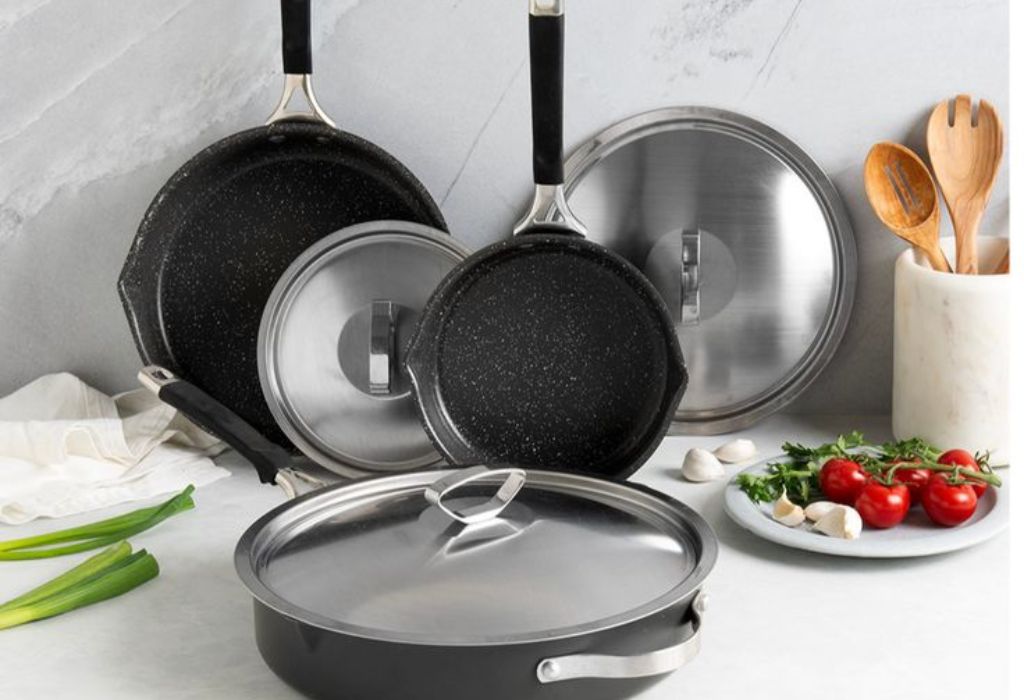
Culinary experts often emphasize the importance of proper care for nonstick cookware. They recommend using medium to low heat, avoiding metal utensils, and cleaning with soft sponges to preserve the coating and ensure safe cooking.
Consumer feedback generally highlights the convenience and ease of nonstick pans. Many users appreciate reduced oil usage, effortless food release, and quick cleanup, making nonstick cookware ideal for busy households.
Durability is another factor frequently mentioned by consumers. High-quality nonstick pans, particularly those with hard-anodized or ceramic coatings, maintain their performance over years when cared for correctly.
Some users note that following manufacturer guidelines is essential to avoid damage. Regular inspection, proper cleaning, and mindful cooking habits are critical to preserving both safety and performance.
Overall, expert advice combined with positive consumer experiences reinforces the value of nonstick cookware. With proper care, these pans can remain reliable, convenient, and safe for daily cooking, offering both efficiency and peace of mind in the kitchen.
Future Trends in Nonstick Cookware
Nonstick cookware is evolving with new materials and technologies designed for durability, safety, and environmental sustainability. Ceramic and eco-friendly coatings are becoming more common, offering chemical-free cooking surfaces and higher heat tolerance.
Scratch-resistant technology is improving, making pans more resilient to metal utensils and everyday wear. These innovations help extend the lifespan of nonstick cookware while maintaining smooth, easy-to-clean surfaces.
Some manufacturers are introducing high-heat-tolerant pans that can safely be used on stovetops and in ovens without compromising the coating. This versatility allows cooks to expand their culinary techniques without risking damage.
Sustainable materials and eco-friendly production processes are gaining popularity among health-conscious and environmentally aware consumers. Brands are increasingly offering cookware that combines performance with responsible manufacturing practices.
Understanding these trends helps consumers make informed choices when purchasing new nonstick cookware. Staying aware of innovations ensures safer, more durable, and environmentally conscious options for modern kitchens.
Conclusion
Proper care and maintenance are essential for the longevity and safety of nonstick cookware. Using medium or low heat, avoiding metal utensils, and cleaning gently with soft sponges preserves the nonstick surface.
Replacing pans that show deep scratches, flaking, or wear ensures continued safe cooking. High-quality, PFOA-free, and durable cookware is a worthwhile investment for everyday use.
Regular maintenance, careful storage, and mindful cooking practices collectively extend the life of nonstick pans. Following these strategies helps maintain performance, chemical-free cooking, and convenience in the kitchen.
By understanding the materials, avoiding common mistakes, and adopting proper care habits, home cooks can enjoy the full benefits of nonstick cookware. These practices ensure that convenience, efficiency, and safety are maintained for years of reliable use.

I’m Emma J. Caldwell, the founder, lead writer, and home-cooking enthusiast behind KitchenGuideCo.com. With a background in culinary arts and over a decade of cooking experience in both professional and personal kitchens, I created this platform to demystify recipes, offer smart kitchen gadget reviews, and guide readers through meal prep with confidence and clarity.