Choosing a good food processor can feel overwhelming because the market is filled with models with different features, sizes, and price ranges.
Many buyers look at advertisements and assume bigger or more expensive machines must be better, but the right processor depends on your cooking style. Understanding what truly matters helps you avoid wasting money on unnecessary features.
Imagine standing in a store or browsing online and seeing dozens of processors that all look similar. Some offer multiple blades, some promote stronger motors, and others highlight smart functions. Without clear guidance, choosing the right one becomes confusing.
A good food processor should make kitchen tasks easier, faster, and more consistent. Whether chopping vegetables, kneading dough, slicing cheese, or making dips, the machine should perform reliably. The wrong model struggles with heavy tasks or breaks early.
This guide explains the key factors every buyer must consider before choosing a food processor.
From motor strength to bowl capacity and blade quality, each feature plays an important role in overall performance. Understanding these details helps you match a processor to your needs.
By the end of this guide, you will know exactly what to look for, which specifications matter, and how to evaluate build quality.
You will also learn how food processors differ from blenders and stand mixers, helping you choose wisely. With proper knowledge, choosing a good food processor becomes easy.
Whether you cook daily or occasionally, selecting the right processor improves comfort in the kitchen. The goal is to find a durable, efficient, and versatile machine. With this guide, you can confidently choose the ideal processor for your lifestyle.
Understanding Why Food Processor Quality Matters
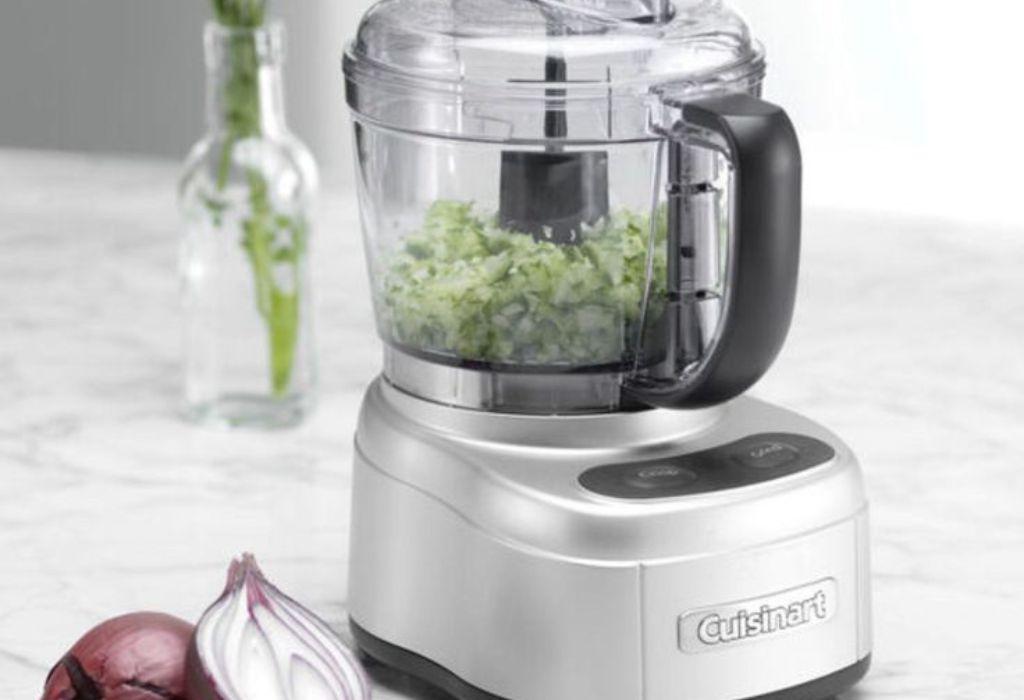
Food processors handle a wide variety of tasks, so quality directly affects performance. A low quality processor may struggle with chopping hard vegetables or mixing dense dough. High quality machines run smoothly under pressure.
Good food processors save time by delivering consistent results. When blades are sharp and motors are strong, food is processed evenly without leaving large chunks. Consistency improves cooking quality.
Durability is another major factor. Cheap processors often break early due to weak motors or poor gear construction. Investing in a better machine saves long term costs.
Safety features in high quality processors prevent accidents. Locking mechanisms keep lids secure during operation. Rubber bases prevent slipping.
A good processor reduces manual effort in the kitchen. Tasks like slicing, shredding, and mixing become effortless. This increases cooking efficiency.
Cheaper models may vibrate heavily during use because of poor construction. Excessive vibration leads to uneven results. Better processors stay stable and firm.
Understanding the importance of quality helps you prioritize important features. Instead of choosing based on brand alone, you focus on performance factors. This leads to smarter purchasing decisions.
How Bowl Size and Capacity Affect Performance
Food processor bowls come in different sizes depending on brand and model. Small bowls around 3 cups work for dips or spices. Larger bowls around 12 to 16 cups suit big families.
Choosing the right capacity depends on how much food you prepare. Making large batches requires bigger bowls to avoid overflow. Smaller bowls take longer when processing in multiple batches.
Mini processors are ideal for chopping garlic, ginger, or herbs. They are compact and easy to store. They handle small tasks efficiently.
Medium processors between 7 to 10 cups work for most households. They slice vegetables, prepare sauces, and mix ingredients. This size balances power and convenience.
Large processors are perfect for meal prepping. They can knead dough, cut large vegetables, or shred cheese in seconds. They save time for heavy cooking tasks.
Overfilling a bowl reduces performance. Food becomes stuck and blades cannot rotate freely. Choosing the right size ensures smooth operation.
Bowl material also matters. Polycarbonate bowls are strong and shatter resistant. Clear bowls help monitor progress easily.
Is a bigger bowl always better?
No, choose based on your cooking quantity.
Can a small bowl handle heavy tasks?
No, heavy tasks require larger processors.
Are glass bowls common in processors?
No, most bowls are plastic for safety.
Does bowl shape affect performance?
Yes, wide bowls allow better circulation.
Can I buy extra bowls separately?
Some brands offer compatible extra bowls.
Motor Power and Why It Matters Most
Motor power determines how efficiently a food processor handles tough ingredients. Weak motors struggle to chop nuts or knead dough. Strong motors process food smoothly.
A processor with at least 600 watts suits basic tasks. For heavy duty work, motors between 800 to 1200 watts perform best. Strong motors last longer under continuous use.
Powerful motors reduce overheating. Machines with good ventilation run longer without stressing components. This increases lifespan.
Weak processors may jam or shut off when handling dense foods. This interrupts workflow and causes frustration. Strong motors avoid stalling.
Processors with induction motors are more efficient. They run quietly and offer consistent torque. They also generate less heat.
Motor power affects speed settings. More powerful processors offer multiple speed levels for precision. Lower models may offer only basic settings.
Understanding motor quality helps you choose processors that fit your cooking needs. If you knead dough frequently, a stronger motor is essential. Casual cooking requires moderate power.
Types and Quality of Blades You Should Look For
Blades determine cutting quality and consistency. High grade stainless steel blades stay sharp longer. They cut smoothly even after repeated use.
Different blades perform different tasks. S slicing blades create uniform slices for vegetables. Shredding blades handle cheese and cabbage.
Chopping blades are the most common. They help mince onions, nuts, and herbs evenly. Sharp chopping blades reduce processing time.
Dough blades help knead mixtures gently. They are shaped differently to imitate hand kneading. Choosing proper dough blades improves texture.
Julienne blades create thin matchstick cuts. They are useful for salads and garnishes. These blades add versatility to a processor.
Some processors include adjustable slicing discs. These discs allow multiple thickness levels. Adjustable blades offer extra control.
Blade attachment quality also matters. Weak attachments wobble or break easily. Strong locking mechanisms ensure stability.
Do all food processors include multiple blades?
Higher end models include more blade options.
Can dull blades be sharpened?
Yes, but replacement is often easier.
Are stainless steel blades necessary?
Yes, they offer the best durability.
Can blade quality affect taste?
Only if the blade rusts or corrodes.
Do serrated blades last longer?
Yes, they hold sharpness well.
Safety Features to Consider Before Buying
Food processors come with safety features that protect users. Lid locking mechanisms prevent accidental activation. The machine operates only when securely locked.
Non slip bases keep processors stable on countertops. Stability prevents accidents when processing tough ingredients. Rubber feet improve grip.
Overload protection shuts the motor off if stressed. This feature prevents overheating. It also extends motor lifespan.
Some processors include finger guards. These guards protect hands from blade contact. Safety becomes important when handling sharp parts.
Child lock functions help prevent unintended operation. This is useful in homes with children. Safety conscious designs reduce risks.
Cord storage features improve safety by preventing tripping hazards. Tangle free cords keep kitchens organized. Good designs prioritize user comfort.
Dishwasher safe parts also contribute to safety. Sharp blades can be cleaned without direct handling. This reduces risk of cuts.
Comparing Brands and Build Quality for Durability
Some brands focus on affordability while others prioritize durability. High end brands usually offer stronger motors and better materials. Their machines last longer under heavy use.
Build quality depends on both internal and external construction. Strong gear systems improve performance. Metal reinforced parts handle stress better than plastic.
Cheaper models often use thin plastic that cracks over time. Premium models use thicker polycarbonate or BPA free materials. These withstand repeated use better.
Brand reliability includes warranty coverage. Longer warranties reflect manufacturer confidence. Good brands offer replacement parts easily.
Customer reviews also reveal long term performance. Consistent positive reviews indicate lasting quality. Reviews help identify weaknesses.
Some brands specialize in multi function models. Others focus on powerful motors. Comparing features helps choose according to needs.
Build quality directly affects safety. Strong processors remain stable during operation. Poor quality machines vibrate excessively.
Are expensive brands always better?
They usually last longer but performance varies.
Do all processors have metal gears?
No, some use plastic which wears faster.
Is warranty important?
Yes, longer warranties offer peace of mind.
Can reviews be trusted?
Verified reviews are more reliable.
Do premium models process faster?
Yes, stronger motors improve speed.
Understanding Functions and Attachments That Matter
Food processors offer different functions depending on the number of attachments. Some focus on basic chopping while others perform slicing, kneading, and shredding. Choosing functions based on cooking style helps avoid unnecessary cost.
If you bake frequently, dough kneading attachments are essential. These attachments simulate hand kneading. Dough texture improves significantly.
For salads and slicing tasks, adjustable slicing discs help cut vegetables uniformly. Different thickness levels provide versatility. This is ideal for meal prepping.
Shredding discs help grate cheese quickly. Manual grating takes time and effort. Processors save time in busy kitchens.
Some models include citrus juicers. These are convenient for fresh juice preparation. Combined functions add value.
Mini bowl attachments help process small quantities. This reduces the need for extra appliances. Mini bowls are efficient for herbs and spices.
Additional attachments add convenience but increase price. Choosing only necessary features saves money. Extra features should match your cooking habits.
Comparing Price Ranges and Value for Money
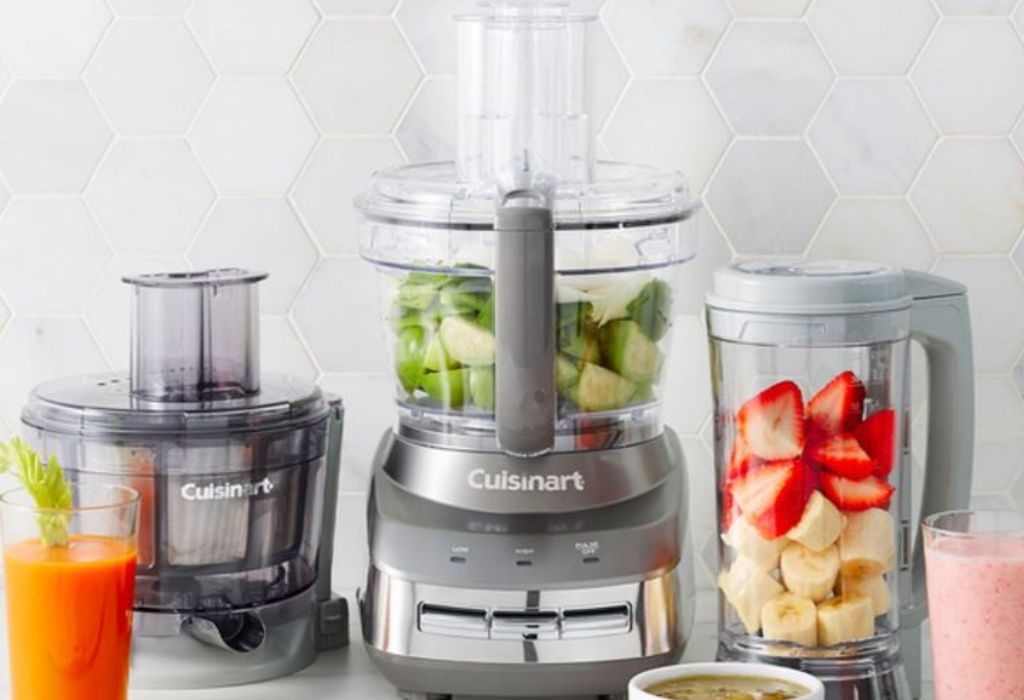
Food processors vary widely in price. Budget models serve simple needs. Premium models suit heavy users.
Under 100 dollars, processors offer basic chopping. They may lack durability. They suit occasional cooking.
Mid range models between 100 to 200 dollars offer stronger motors. They include multiple blades. These models suit most families.
Premium models offer stronger motors and durable construction. They include advanced attachments. Premium machines last for years.
Consider long term value rather than initial cost. Higher priced models reduce future replacement costs. Value depends on usage.
Frequent cooks benefit from higher end options. Occasional cooks can choose budget models. Price should match needs.
Understanding price range helps balance budget and performance. Smart choices prevent overspending. Good value improves satisfaction.
Do expensive processors last longer?
Usually, due to better construction.
Is a mid range processor enough?
Yes, for most household tasks.
Are cheap processors safe?
Yes, if they include basic safety features.
Do attachments affect price?
Yes, more attachments increase cost.
Should beginners buy expensive models?
Not necessary unless cooking often.
Maintenance Tips to Keep Your Food Processor Lasting Longer
Clean blades quickly after each use to prevent residue buildup. Food stuck on blades reduces performance. Quick cleaning improves efficiency.
Avoid processing extremely hard items like frozen food unless the processor supports it. Hard items strain the motor. Strain reduces lifespan.
Use proper attachments for specific tasks. Using the wrong blade can damage the mechanism. Correct use ensures longevity.
Store the processor in a cool and dry place. Moisture affects electrical components. Good storage improves durability.
Check the cord regularly for damage. Faulty cords reduce safety. Replacement should be immediate.
Dry parts completely before reassembling. Moisture causes rust on metal components. Drying maintains hygiene.
Lubricate moving parts if recommended by the brand. Lubrication reduces friction. Smooth operation increases life.
CONCLUSION
Choosing a good food processor depends on understanding your cooking needs and comparing essential features. Bowl size, motor power, blades, and attachments play major roles in performance. The right combination ensures smooth and efficient food preparation.
Evaluating build quality and brand reliability helps avoid weak machines. Strong construction and durable materials ensure long term use. A good processor saves time and reduces manual effort.
By comparing safety features, price range, and functions, you can select the ideal machine for your kitchen.
Whether chopping vegetables or kneading dough, a reliable food processor improves cooking comfort. With the right choice, your kitchen becomes more efficient and enjoyable.

I’m Emma J. Caldwell, the founder, lead writer, and home-cooking enthusiast behind KitchenGuideCo.com. With a background in culinary arts and over a decade of cooking experience in both professional and personal kitchens, I created this platform to demystify recipes, offer smart kitchen gadget reviews, and guide readers through meal prep with confidence and clarity.