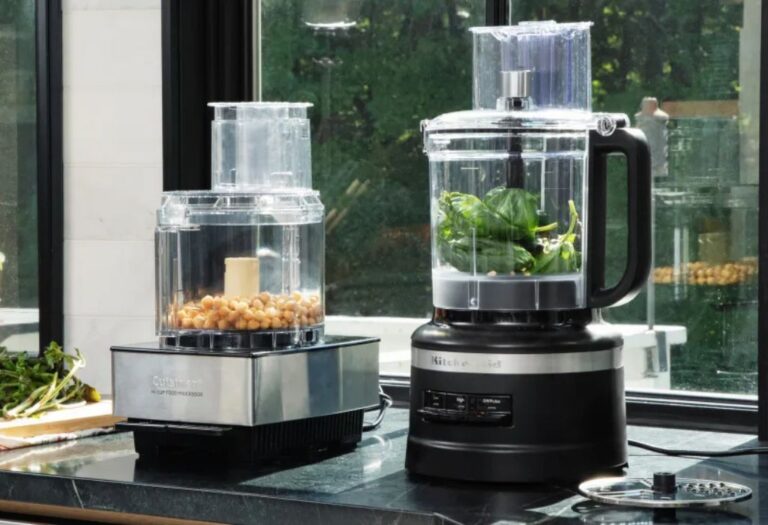
Carrots are one of the most common vegetables processed in a food processor, yet many people are surprised by how differently they behave compared to softer ingredients.
Their density, structure, and moisture level create a unique interaction inside the processor bowl, which affects the final chopping result.
This leads many home cooks and food enthusiasts to wonder why the texture varies and what influences the overall consistency.
Most people view a food processor as a simple machine that cuts ingredients in predictable ways, but the reality is more complex.
Carrots present specific physical characteristics that interact with the rotating blade, bowl shape, and centrifugal forces inside the processor. These natural traits reveal why carrots sometimes chop evenly and other times appear irregular or inconsistent.
Understanding the science behind carrot chopping helps clarify why certain outcomes occur. Professional kitchens often analyze density, blade speed, moisture release, and vegetable geometry to anticipate chopping behavior.
Although this article avoids step by step instructions, it explains the informational reasons behind carrot behavior in a processor.
This guide provides a complete look at how carrots respond to processing, what influences their movement, and how food processors treat them differently than softer foods.
With this knowledge, cooks gain better insight into why texture varies and what professionals consider when observing processed carrots.
What Carrot Structure Means Inside A Food Processor

Carrots are dense root vegetables with a firm interior and minimal empty space. This density increases resistance when they encounter a rotating food processor blade. Because the blade must overcome structural firmness, carrots behave differently than soft vegetables.
The cylindrical shape of carrots affects how they move inside the bowl. Their length and rigidity cause them to tumble or rotate unpredictably under force. This movement impacts chopping consistency.
Carrots contain tightly packed plant fibers known as cellulose. These fibers maintain their shape even under mechanical force. The resilience of cellulose contributes to irregular fragmentation.
Moisture distribution inside carrots is uneven. The core contains more moisture than the outer layers. This moisture imbalance influences how pieces break apart.
The natural tapering shape of whole carrots contributes to uneven contact with the blade. Thicker sections encounter more resistance while thinner sections break more easily. This difference affects chopping patterns.
Carrot structure directly determines how they react inside a food processor. Their firmness and geometry play major roles in how they are chopped. Understanding these traits explains many chopped carrot results.
How Blade Design Influences Carrot Chopping Behavior
Food processor blades rotate at high speeds, creating both cutting and sweeping forces. These forces differ from traditional knife motion. The combination affects how the blade interacts with dense vegetables like carrots.
The shape of the blade determines how it contacts carrot pieces. Curved blades lift and reposition fragments as they rotate. This upward motion influences distribution inside the bowl.
Blade thickness affects resistance. Thinner blades move through vegetable fibers more easily. Thicker blades generate more force but may deflect carrot pieces.
The sharpness of the blade tip impacts initial fragmentation. Sharp edges cut into carrots quickly, reducing bounce. Dull blades produce more ricochet movement.
Blade angle contributes to chopping texture. Some processors have steep cutting angles, while others have moderate slopes. These angles change how carrots are sliced or crushed.
Dual level blades introduce additional chopping points. Carrots may encounter multiple cutting edges in one rotation. This design affects uniformity.
Blade behavior plays a crucial role in how carrots are chopped. The design and sharpness significantly influence how fragments form and move. These factors explain why results vary across processor models.
How Bowl Shape Affects Carrot Movement And Fragmentation
Food processor bowls are designed to circulate ingredients using centrifugal force. The shape of the bowl guides carrot pieces along specific paths. This motion influences how evenly they encounter the blade.
Wider bowls allow carrot pieces to spread out more. Spreading increases the randomness of blade contact. This affects chopping consistency.
Narrower bowls force carrots closer to the blade’s rotation path. Closer contact increases frequency of cutting interactions. This produces different textural results.
The curvature of the bowl interior influences movement. Smooth curves promote continuous circulation. Steeper curves alter the rotational flow.
The center of the bowl acts as a low force zone. Carrot fragments that settle near the middle move less actively. This results in uneven chopping behavior.
Material friction inside the bowl affects mobility. Plastic bowls create less friction than glass. Less friction leads to faster rotation of carrot fragments.
Bowl shape plays a significant role in determining carrot motion and chopping patterns. Small design differences lead to large variations in texture. This explains why processors produce different results across brands.
How Carrot Density Influences Chopping Patterns
Carrots are denser than many vegetables commonly processed in a food processor. This density increases the force required to break them apart. Blade contact must overcome significant resistance.
Dense vegetables tend to crack rather than slice cleanly. Carrots often fracture along natural fiber lines. These fracture patterns produce irregular shapes.
Moisture inside carrots is locked within fiber walls. This limited moisture reduces lubrication during chopping. Dry contact increases fragmentation unpredictability.
Temperature affects density as well. Cold carrots become harder, increasing brittleness. Warm carrots soften slightly, changing chopping outcomes.
Carrot density influences how quickly pieces break apart. Smaller fragments may form from sudden cracking. This difference affects particle size distribution.
Density also influences the speed of movement inside the bowl. Heavier pieces rotate differently under centrifugal force. This creates variations in how often pieces reach the blade.
Understanding density explains why carrots rarely chop into perfectly uniform pieces. Their natural resilience produces diverse fragments. These properties shape the overall chopping result.
How Moisture Content Affects Carrot Processing Behavior
Carrots contain water, but not as much as softer vegetables. This moderate moisture level influences how they respond to force. Moisture contributes to internal pressure during fragmentation.
As carrots break apart, moisture is released from cell walls. This released moisture slightly reduces friction inside the processor. Reduced friction alters movement patterns.
Moisture distribution varies depending on carrot age. Older carrots lose water through evaporation. Dry carrots behave more rigidly and crack more easily.
Fresh carrots retain more internal fluid. This fluid contributes to softer breakage. It also influences how pieces slide inside the bowl.
Moisture levels change chopping texture. High moisture carrots produce smoother fragments. Low moisture carrots create sharper, firmer pieces.
Moisture also affects how pieces interact with one another. Slightly wet pieces may adhere temporarily. Dry pieces scatter more freely.
Moisture content plays a subtle but important role. It affects pressure, friction, and fragmentation. These characteristics contribute to chopping variability.
How Centrifugal Force Affects Carrot Movement In A Processor
A food processor relies heavily on centrifugal force to circulate ingredients. As the blade spins, carrot fragments are thrown outward. This movement determines how frequently pieces return to the cutting zone.
Centrifugal force increases with speed. Higher speeds push carrots more firmly against the bowl wall. This affects how quickly they rotate.
Large carrot pieces move differently from small ones. Heavier fragments travel with greater momentum. This influences how they encounter the blade.
Centrifugal movement also affects distribution. Pieces gather in circular patterns based on mass and shape. Some settle at the perimeter, while others return to the center.
The interaction between centrifugal force and blade speed determines repeated contact. Consistent contact improves chopping uniformity. Irregular contact increases variability.
Force patterns shift when the bowl is only partially filled. Smaller batches behave differently than full containers. This impacts chopping texture even with identical ingredients.
Centrifugal force plays a major role in carrot processing. It orchestrates movement, distribution, and blade contact. This force explains much of the visual pattern inside the bowl.
How Food Processor Speed Influences Carrot Fragmentation
Food processors offer multiple speed settings, each affecting carrot behavior differently. Higher speeds create stronger centrifugal force. Stronger force moves carrots more aggressively around the bowl.
Low speeds allow carrots to remain closer to the blade. Closer proximity increases grinding or crushing effects. This results in different texture formation.
Sudden speed changes create transitional motion. Carrots may shift abruptly between circulation patterns. Abrupt shifts affect cutting consistency.
Speed influences how fragments break apart. Fast speed encourages finer fragmentation. Slow speed produces larger, chunkier results.
The density of carrots interacts with rotational velocity. Hard carrots tolerate speed increases differently than softer vegetables. This dynamic influences chop formation.
Processor power also matters. High wattage motors maintain speed under load. Low wattage motors slow down with dense vegetables.
Speed contributes significantly to chopping characteristics. It determines force intensity, fragment movement, and blade interaction. This makes it essential for analyzing carrot behavior safely.
How Carrot Size Affects Food Processor Performance
Carrot size influences how the pieces move inside the food processor. Larger sections create different dynamics than smaller ones. This affects how the blade contacts them.
Whole carrots behave unpredictably due to their length and shape. Their rigidity causes bouncing or rotation before fragmentation. This movement affects initial chop distribution.
Medium sized carrot pieces behave more consistently. They break apart more predictably under force. Their geometry allows smoother circulation.
Very small pieces interact differently with the blade. They may slip past the cutting edge without contact. This reduces uniformity of final pieces.
Carrot size determines mass distribution. Larger fragments resist movement more strongly. Smaller pieces move quickly under centrifugal force.
The processor bowl reacts differently to varying fragment sizes. Shape patterns shift as pieces become smaller. These shifts influence subsequent fragmentation.
Carrot size plays a key role in chopping behavior. It determines movement patterns, resistance, and blade engagement. These factors collectively shape the final texture.
How Freshness Influences Carrot Chopping Quality
Fresh carrots have high moisture content and firm fiber structure. These characteristics affect how they behave during mechanical processing. The freshness level influences fragmentation.
Old carrots lose moisture over time. Reduced moisture increases stiffness. Stiff carrots break into sharper, more brittle fragments.
Fresh carrots produce smoother pieces when chopped. Their interior structure absorbs force more evenly. This leads to softer breakage.
Older carrots often contain internal cracks. These cracks promote unpredictable fragmentation. Pieces separate along weak points rather than cutting lines.
Freshness affects elasticity. Fresh carrots bend slightly under pressure. Older ones snap abruptly.
Texture differences from freshness influence how the food processor handles carrots. Variations in internal moisture and fiber strength create different outcomes. Professionals evaluate freshness when observing chopping behavior.
How Food Processor Design Affects Carrot Chopping Results
Different food processors use unique engineering features. These features change how carrots move and respond during chopping. Processor design plays a major role in determining texture.
Motor placement influences torque distribution. Some designs produce smoother blade motion. Smoother motion affects chopping consistency.
Blade height varies among models. Higher blades contact ingredients differently than lower ones. This changes the interaction between carrot pieces and the blade.
Bowl capacity influences how force spreads. Large bowls disperse carrot fragments widely. Small bowls concentrate movement.
Processor lid design affects how pieces fall back into circulation. Some lids guide pieces downward. Others create turbulence that alters motion.
Processor weight and base stability contribute to vibration levels. Stable bases reduce shaking. Reduced shaking helps maintain predictable movement.
Design differences explain why identical carrots behave differently across processor brands. Each system creates a unique chopping environment. These differences contribute to diverse textural results.
How Professionals Evaluate Carrot Movement Inside A Processor
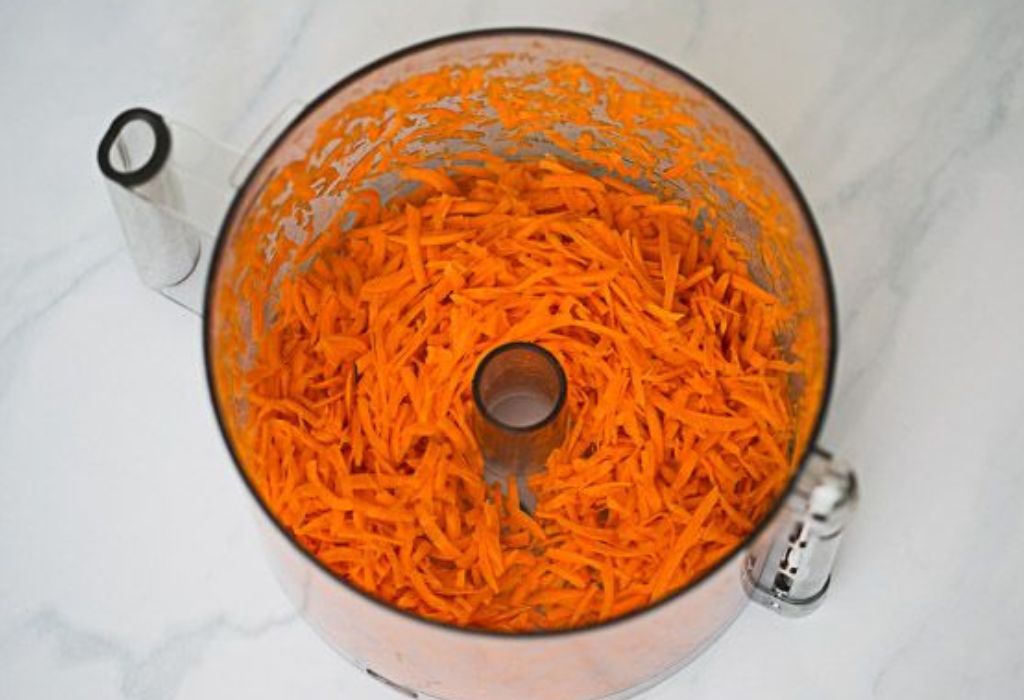
Professionals observe how carrot pieces react during initial blade contact. Early motion provides clues about density and structure. This helps predict chopping trends.
They examine how pieces circulate inside the bowl. Consistent rotation suggests uniform distribution. Irregular rotation signals unusual behavior.
Professionals also evaluate noise. Distinct sounds indicate how the blade engages the carrot surface. Changes in sound patterns reveal structural shifts.
They monitor fragment distribution visually. Larger chunks indicate resistance to force. Smaller pieces reflect rapid breakage.
Internal moisture is assessed indirectly. Moist fragments move differently from dry ones. Movement differences help interpret texture results.
Professionals analyze final texture and relate it to carrot condition. Observations help explain why the processor produced specific outcomes. This evaluation avoids step instructions while maintaining an informational approach.
Food Processor Carrot Behavior FAQ
Why do carrots behave differently than softer vegetables
Carrots are denser and contain tougher fibers. Their structure affects how they break apart. This makes their chopping behavior unique.
Does carrot freshness affect chopping texture
Yes, fresh carrots break more smoothly. Older carrots become brittle. Brittle carrots fracture unpredictably.
Do different food processors chop carrots differently
Each processor has unique blade shapes and speeds. These differences influence chopping outcomes. Design plays a major role.
Why do small carrot pieces move differently in the bowl
Small fragments circulate faster. They respond to centrifugal force more quickly. This alters their contact with the blade.
Does carrot moisture influence chopping behavior
Moisture affects how carrots fracture. Higher moisture leads to softer fragmentation. Low moisture causes sharper breaks.
Why do carrot pieces vary in size after chopping
Carrot density varies across the vegetable. These variations affect fragmentation. Movement patterns also contribute.
Does bowl size influence carrot chopping
Wide bowls disperse fragments. Narrow bowls concentrate movement. This creates different textures.
Do carrot ends behave differently from the middle
Carrot ends are firmer. Firmer sections break differently. This affects fragment distribution.
Can vibrations influence carrot movement
Yes, vibration changes circulation patterns. Increased vibration creates inconsistent motion. This affects chopping uniformity.
Does blade sharpness affect carrot texture
Sharp blades cut more cleanly. Dull blades cause more bouncing. This increases irregularity.
Why do carrots sometimes form larger chunks
Large pieces resist force. Their mass keeps them from breaking quickly. This results in bigger fragments.
Does temperature influence chopping results
Cold carrots are harder. Hard carrots break sharply. Temperature affects texture.
Do carrot shapes affect spinning motion
Yes, cylindrical shapes move unpredictably. Their geometry affects circulation. This influences fragmentation.
Why do processors make loud sounds when chopping carrots
Dense carrots resist blade motion. Resistance increases sound. Blade impact creates distinctive noise.
Do carrots always chop evenly
No, natural variations create inconsistent results. Carrot density and movement patterns differ. This leads to varied textures.
Conclusion
Carrot behavior inside a food processor depends on a combination of density, moisture, shape, blade design, and bowl geometry. These factors create complex interactions that determine how fragments form and circulate.
Understanding these informational elements provides clarity about why chopped carrots vary in appearance and texture.
Professionals evaluate carrot characteristics by examining movement patterns, material resistance, and internal structure.
They observe how centrifugal force, vibration, and blade motion influence carrot fragmentation. This high level analysis explains outcomes without offering step instructions.
Carrots behave uniquely due to their firm plant fibers and natural shape. Unlike softer vegetables, their density produces sudden breaks and varied fragment sizes.
By understanding these properties, cooks can appreciate why food processors produce diverse textures even with identical ingredients.
This informational approach gives a complete and safe explanation of how carrots behave during food processing. It highlights the physical and mechanical characteristics that influence results while maintaining non instructional clarity.

I’m Emma J. Caldwell, the founder, lead writer, and home-cooking enthusiast behind KitchenGuideCo.com. With a background in culinary arts and over a decade of cooking experience in both professional and personal kitchens, I created this platform to demystify recipes, offer smart kitchen gadget reviews, and guide readers through meal prep with confidence and clarity.