Aluminum cookware is a favorite in kitchens worldwide for its lightweight design and excellent heat conductivity. Despite its practicality, it often develops stains, discoloration, and burnt residues that make even the newest pans look worn out.
Many home cooks struggle with stubborn spots that traditional dish soap cannot remove. This problem not only affects the appearance of the cookware but can also impact cooking performance.
According to a survey by HighPerformanceCookers.com, 65% of aluminum cookware owners notice discoloration within the first year of use (source).
Curious homeowners often wonder if there is a way to restore the shine without damaging the cookware.The good news is that simple, natural cleaning methods can make aluminum pots and pans look almost brand new.
Using safe, non-abrasive techniques prevents scratches, prolongs lifespan, and keeps the cookware performing at its best.
Beyond aesthetics, proper maintenance can prevent the leaching of unwanted substances during cooking. The U.S. Food and Drug Administration notes that poorly maintained aluminum cookware may pose risks if acidic foods react with the metal (source).
Understanding Aluminum Cookware
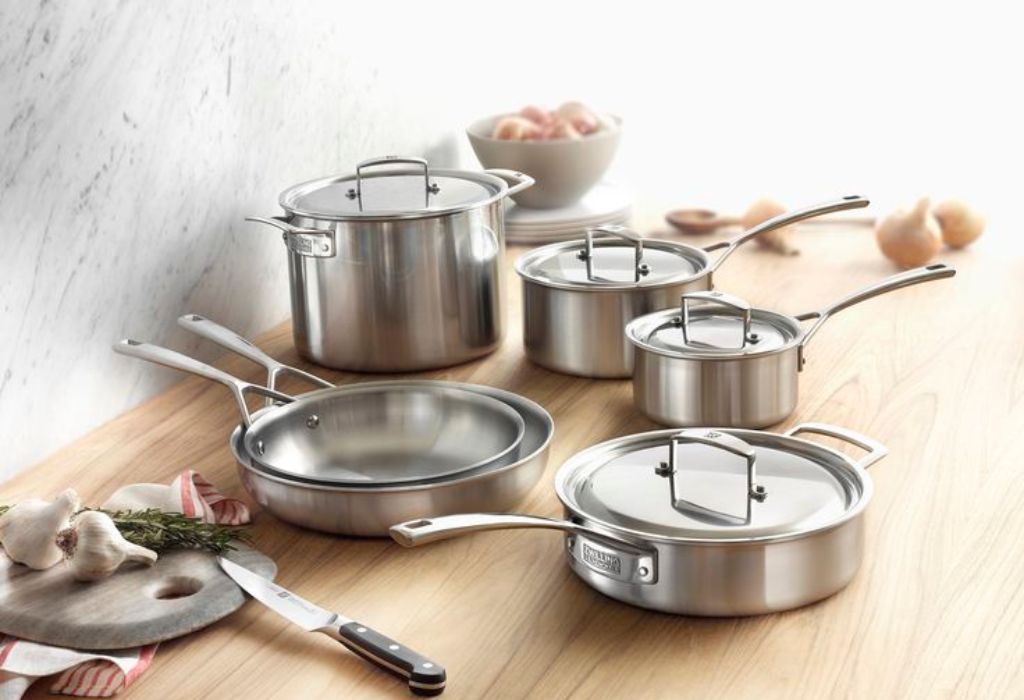
Aluminum cookware is widely used in both home and professional kitchens due to its lightweight and excellent heat conductivity. Its design allows for quick and even cooking, making it ideal for a variety of dishes.
However, aluminum is a reactive metal, which means it can easily discolor or develop stains when exposed to acidic foods, high heat, or hard water. These reactions can leave grayish marks, dark spots, or a dull appearance over time.
Why Aluminum Discolors:
- Reaction with Acidic Foods
Aluminum reacts with foods like tomatoes, vinegar, and citrus, which can leave dark marks or pitting on the surface. - Mineral Deposits from Water
Hard water can leave white or cloudy spots on cookware if not cleaned properly. - High Heat Exposure
Extended cooking at high temperatures may cause discoloration or uneven darkening of the cookware.
Why does aluminum develop gray spots?
Gray spots usually appear when aluminum reacts with acidic foods or mineral-rich water.
Can discoloration affect cooking performance?
Minor discoloration does not affect heat conductivity, but heavy buildup can create hot spots.
Is it safe to cook in stained aluminum cookware?
Yes, cooking is generally safe if the cookware is structurally sound and not heavily pitted.
Does aluminum react with all types of food?
It reacts mainly with acidic foods; neutral or basic foods rarely cause discoloration.
Can regular cleaning prevent discoloration?
Consistent cleaning after each use greatly reduces the chances of staining or buildup.
Essential Cleaning Supplies for Aluminum Cookware
Having the right tools and ingredients makes cleaning aluminum cookware efficient and safe. Using harsh or abrasive materials can scratch the surface, reducing its lifespan and shine.
Must-Have Supplies:
- Mild Dish Soap
Use a gentle, non-abrasive soap to remove everyday grease and residue without damaging the metal. - Non-Abrasive Sponges or Cloths
Soft sponges or microfiber cloths prevent scratches while effectively cleaning surfaces. - Baking Soda
A natural cleaner that removes stains, neutralizes odors, and restores shine. - White Vinegar or Lemon Juice
Acidic liquids help dissolve mineral deposits and lighten discoloration. - Cream of Tartar
Works as a mild abrasive to remove tough stains without scratching. - Salt
Useful for scrubbing stubborn marks when combined with baking soda or vinegar. - Soft-Bristle Brush
Ideal for corners, seams, and hard-to-reach areas. - Dish Towel
For thorough drying to prevent water spots and streaks.
Can regular dish soap clean tough stains?
Dish soap works for light cleaning but may not remove stubborn discoloration.
Is baking soda safe for aluminum?
Yes, it is non-abrasive and effective for restoring shine without harming the metal.
Can vinegar damage aluminum cookware?
Vinegar is safe in moderation and should not be left on the surface for extended periods.
Do I need a special brush for cleaning?
A soft-bristle brush helps clean seams and hard-to-reach areas without scratching.
Is cream of tartar necessary?
It is optional but effective for removing persistent stains and lightening discoloration.
Daily Cleaning Routine for Aluminum Cookware
Maintaining aluminum cookware starts with a consistent daily cleaning routine. Regular cleaning prevents buildup, discoloration, and damage, keeping cookware in top condition.
Step-by-Step Guide:
- Cool the Cookware
Allow cookware to cool completely before washing to prevent warping or thermal shock. - Rinse with Warm Water
Remove loose food particles by rinsing under warm running water. - Apply Mild Dish Soap
Use a few drops of gentle dish soap on a non-abrasive sponge to clean the surface. - Gently Scrub
Scrub the interior and exterior without applying excessive force to avoid scratches. - Rinse Thoroughly
Ensure all soap residues are removed to prevent spotting or chemical reactions. - Dry Completely
Use a soft dish towel or air-dry to avoid water spots and streaks.
Can I put aluminum cookware in the dishwasher?
Dishwashers can cause discoloration and dulling due to harsh detergents; handwashing is recommended.
How often should I clean aluminum cookware?
After every use, even if there are no visible stains, to maintain shine and performance.
Is it safe to soak aluminum cookware?
Short soaks are fine, but prolonged soaking in acidic water may cause pitting or discoloration.
Can I use steel wool or abrasive pads?
No, these can scratch and damage the surface, reducing the lifespan of the cookware.
How do I prevent water spots?
Dry immediately after rinsing or use filtered water to reduce mineral deposits.
Removing Stubborn Stains and Discoloration
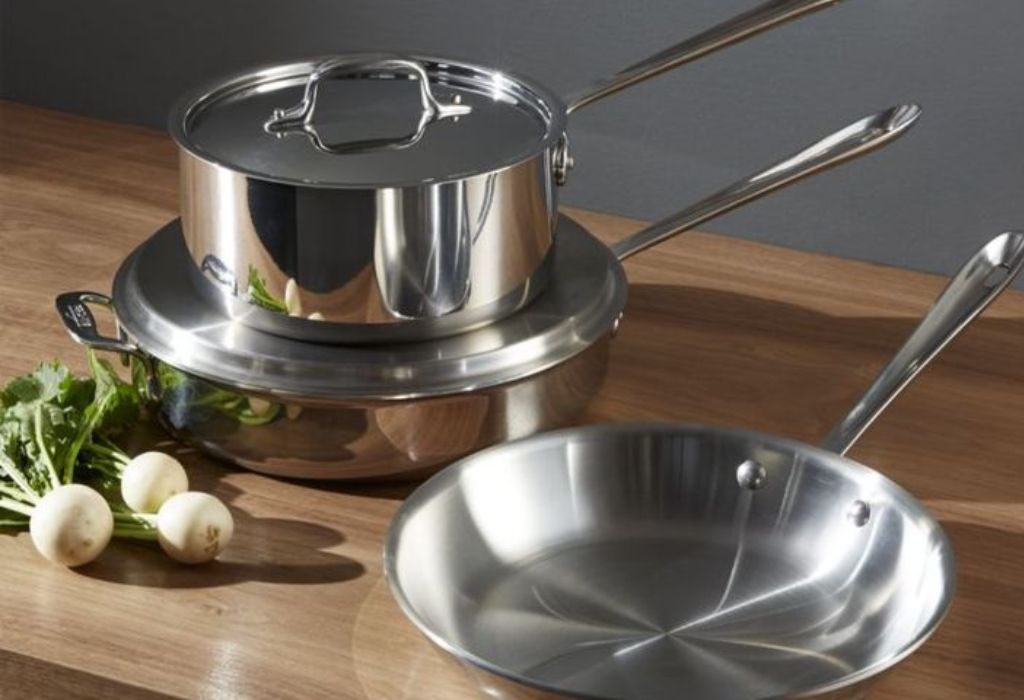
Even with regular cleaning, aluminum cookware can develop stains and discoloration from acidic foods, hard water, or high heat. Using natural, safe cleaning methods restores shine without damaging the metal.
Using Baking Soda
Baking soda is a mild abrasive that safely removes stains and neutralizes odors.
Step-by-Step:
- Create a Paste
Mix baking soda with a small amount of water to form a thick paste. - Apply to Stains
Spread the paste over discolored or stained areas of the cookware. - Let It Sit
Leave the paste on for 15–20 minutes to loosen stains. - Scrub Gently
Use a non-abrasive sponge or cloth to scrub the stains without scratching. - Rinse and Dry
Rinse thoroughly and dry completely to prevent new spots.
Can baking soda damage aluminum?
No, it is safe and non-abrasive when used correctly.
How often should I use baking soda?
Use as needed for stubborn stains, not for daily cleaning.
Will baking soda remove all discoloration?
It works on most surface stains but may be less effective on heavy oxidation.
Can I combine baking soda with vinegar?
Yes, the combination can enhance cleaning for tough stains, but apply carefully.
Is it safe for all aluminum cookware types?
Yes, including anodized aluminum, as long as gentle scrubbing is used.
Using Vinegar or Lemon Juice
Acidic liquids like vinegar or lemon juice dissolve mineral deposits and brighten dull aluminum surfaces.
Step-by-Step:
- Prepare Solution
Mix equal parts of white vinegar or lemon juice with water. - Apply to Cookware
Pour the solution over stains, ensuring full coverage. - Heat the Solution
Gently heat the mixture to a simmer for 5–10 minutes. - Scrub and Rinse
After cooling, scrub gently, rinse thoroughly, and dry completely.
Can vinegar corrode aluminum?
Short exposure is safe, but avoid prolonged soaking in pure vinegar.
Will lemon juice work as well as vinegar?
Yes, lemon juice is equally effective and adds a fresh scent.
Does heating the solution improve cleaning?
Yes, gentle heating accelerates stain removal.
Is it safe for anodized aluminum?
Yes, but always dilute with water to reduce acidity.
How often can this method be used?
Use occasionally for tough stains, not for daily maintenance.
Using Cream of Tartar
Cream of tartar is a gentle, natural abrasive that removes discoloration and restores shine.
Step-by-Step:
- Make a Paste
Combine cream of tartar with water to form a smooth paste. - Apply to Stains
Spread the paste over the stained areas. - Let It Sit
Allow 10–15 minutes for the paste to work. - Scrub and Rinse
Gently scrub with a soft cloth or sponge, rinse thoroughly, and dry completely.
Is cream of tartar safe for daily use?
Yes, but it is most effective for stubborn stains.
Can it restore heavily oxidized cookware?
It helps with light to moderate oxidation but may require repeated applications.
Does it leave any residue?
No, thorough rinsing ensures the cookware is clean and residue-free.
Can it be combined with baking soda?
Yes, for tougher stains, a combination can enhance cleaning power.
Is it suitable for all aluminum types?
Yes, including anodized and standard aluminum cookware.
Dealing with Burnt-On Residue
Burnt-on food and grease can be challenging to remove from aluminum cookware. Using safe and effective methods prevents scratching and restores the surface without reducing performance.
Boiling Method
Boiling water with natural cleaners loosens burnt residue for easy removal.
Step-by-Step:
- Fill with Water
Add enough water to cover the burnt areas of the cookware. - Add Baking Soda
Stir in a generous amount of baking soda to enhance cleaning power. - Boil the Mixture
Bring the mixture to a gentle boil and simmer for 15–30 minutes. - Cool and Scrub
Allow the water to cool slightly, then scrub gently with a non-abrasive sponge. - Rinse and Dry
Rinse thoroughly and dry completely to prevent water spots and streaks.
Can this method damage the cookware?
No, boiling with baking soda is safe and helps remove burnt residue without scratching.
How often can I use the boiling method?
Use occasionally for stubborn, burnt-on food, not for daily cleaning.
Will it remove all types of burnt stains?
It works on most surface burns but may require repeated application for heavy carbon buildup.
Can I use vinegar instead of baking soda?
Yes, vinegar works, but do not boil for too long as it is acidic.
Is this safe for anodized aluminum?
Yes, but always use gentle scrubbing afterward to avoid surface scratches.
Using Commercial Cleaners
For extremely stubborn stains or heavy oxidation, commercial aluminum cleaners can be effective.
Step-by-Step:
- Choose a Cleaner
Select a product specifically designed for aluminum cookware. - Apply According to Instructions
Follow the manufacturer’s directions for application and duration. - Scrub and Rinse
Gently scrub with a soft cloth or sponge as needed, rinse thoroughly, and dry completely.
Are commercial cleaners safe for aluminum?
Yes, when used according to the instructions, they are formulated to clean without damaging aluminum.
Can they be used on anodized aluminum?
Check the product label; some are safe for anodized surfaces, while others are not.
How often should commercial cleaners be used?
Use only as needed for extreme stains or heavy buildup.
Do these cleaners remove all discoloration?
They are highly effective but may not fully restore severely oxidized cookware.
Are there eco-friendly commercial options?
Yes, many brands now offer environmentally safe cleaners for kitchen use.
Tips for Shining Aluminum Cookware
Even after cleaning, restoring the shine can elevate the appearance and feel of aluminum cookware. Shiny cookware not only looks professional but also helps prevent food from sticking.
Step-by-Step Shining Tips:
- Polish with Baking Soda Paste
Apply a thick paste of baking soda and water, gently rub in circular motions, then rinse thoroughly. - Use Lemon Juice for Natural Shine
Rub lemon juice directly on the surface, leave for 5–10 minutes, then rinse and dry. - Buff with Soft Cloth
Use a microfiber cloth to buff the cookware to a polished finish.
Q&A Style Sub-Points:
Can aluminum cookware become mirror-like again?
Yes, consistent polishing restores a reflective, shiny surface.
Is it safe to use lemon juice frequently?
Yes, it’s natural and effective, but avoid prolonged exposure.
Will buffing remove minor scratches?
Buffing can minimize their appearance but cannot fully erase deep scratches.
Can this method be used on anodized aluminum?
Yes, but avoid excessive scrubbing to protect the coating.
How often should I polish aluminum cookware?
Once every few weeks or after heavy cleaning keeps the shine consistent.
Preventing Future Stains and Damage
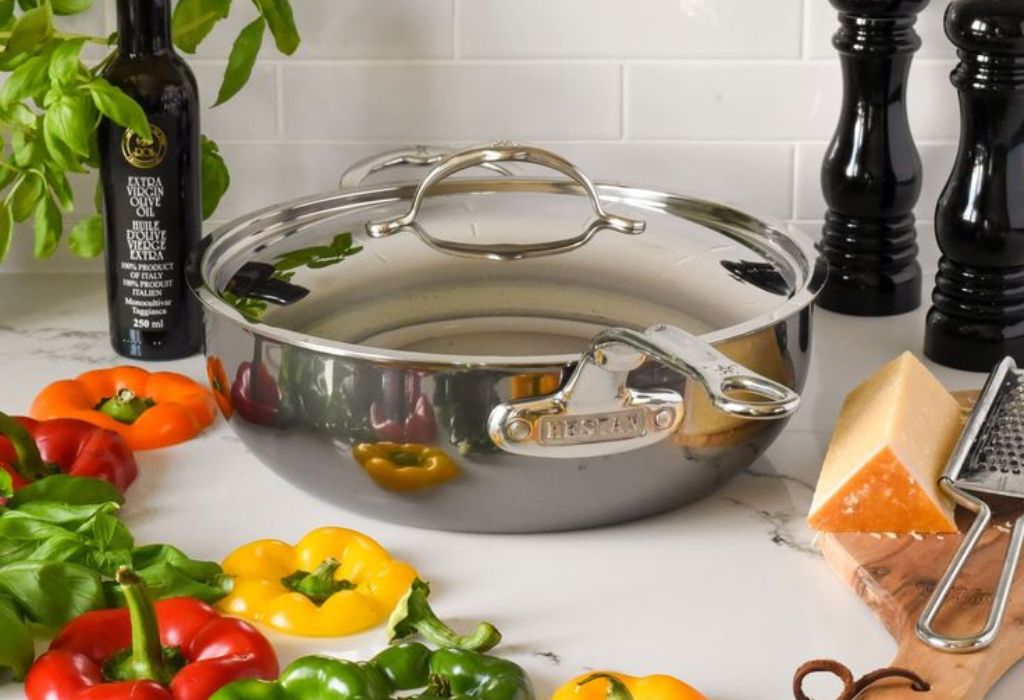
Maintaining aluminum cookware in pristine condition is easier when preventive measures are applied. Regular care reduces discoloration, oxidation, and the buildup of stubborn stains.
Tips for Prevention
- Avoid High Heat
Cooking at very high temperatures can cause discoloration and dark spots. Medium heat is sufficient for most aluminum cookware. - Use Non-Abrasive Utensils
Wooden, silicone, or plastic utensils prevent scratches while stirring or flipping food. - Limit Acidic Foods
Reduce cooking acidic foods like tomatoes, vinegar, or citrus in uncoated aluminum cookware to prevent reactions. - Clean Promptly After Use
Immediate washing prevents food residue and minerals from causing stains. - Proper Storage
Store cookware in a dry area to prevent moisture buildup and water spots.
Does using high heat permanently damage aluminum?
Extended high heat can discolor the surface, but gentle cleaning can restore most cookware.
Are metal utensils safe on aluminum?
No, metal utensils can scratch and damage the surface, leading to stains and reduced performance.
Can storing cookware stacked cause damage?
Yes, stacking without protective layers can cause scratches and dents.
Do acidic foods always cause discoloration?
Primarily when cooked frequently or left in the pan for extended periods.
Can preventive cleaning extend cookware lifespan?
Yes, consistent care and gentle cleaning significantly increase durability and maintain shine.
Eco-Friendly Cleaning Alternatives
For homeowners seeking sustainable solutions, eco-friendly cleaning methods effectively clean aluminum cookware without chemicals. Natural cleaners reduce environmental impact and maintain safety in the kitchen.
Popular Eco-Friendly Options:
- Baking Soda and Water Paste
Non-toxic and biodegradable, ideal for stains and general cleaning. - Vinegar and Lemon Juice
Mild acids remove mineral deposits while being environmentally safe. - Salt Scrubs
Salt combined with water or lemon acts as a gentle abrasive without harsh chemicals.
Are eco-friendly methods as effective as commercial cleaners?
Yes, for most stains and discoloration, they perform equally well.
Can these methods damage aluminum cookware?
No, natural ingredients are safe when applied correctly and gently.
Do eco-friendly cleaners require more effort?
Sometimes slightly longer soaking is needed, but results are safe and reliable.
Are these methods safe for anodized aluminum?
Yes, as long as scrubbing is gentle and solutions are diluted if acidic.
Do natural cleaners prevent future staining?
Regular use helps reduce buildup and maintains surface integrity.
Conclusion
Keeping aluminum cookware clean and shiny is achievable with consistent care and the right techniques. Proper cleaning methods restore its appearance, remove stubborn stains, and prevent long-term damage.
Using natural solutions like baking soda, vinegar, lemon juice, and cream of tartar ensures safe and effective cleaning. These methods protect the cookware while maintaining its performance for years.
Daily cleaning routines, prompt washing after use, and preventive practices such as avoiding high heat and abrasive utensils significantly extend cookware lifespan. Following these steps also reduces discoloration and keeps aluminum looking nearly new.
For tough stains and burnt-on residue, boiling methods and carefully selected commercial cleaners can restore shine without causing damage. Regular maintenance prevents recurring issues and minimizes the need for harsh chemicals.
By implementing these expert-approved techniques, homeowners can maintain aluminum cookware that performs well and looks attractive. Restoring and preserving cookware not only saves money but also enhances the cooking experience.

I’m Emma J. Caldwell, the founder, lead writer, and home-cooking enthusiast behind KitchenGuideCo.com. With a background in culinary arts and over a decade of cooking experience in both professional and personal kitchens, I created this platform to demystify recipes, offer smart kitchen gadget reviews, and guide readers through meal prep with confidence and clarity.