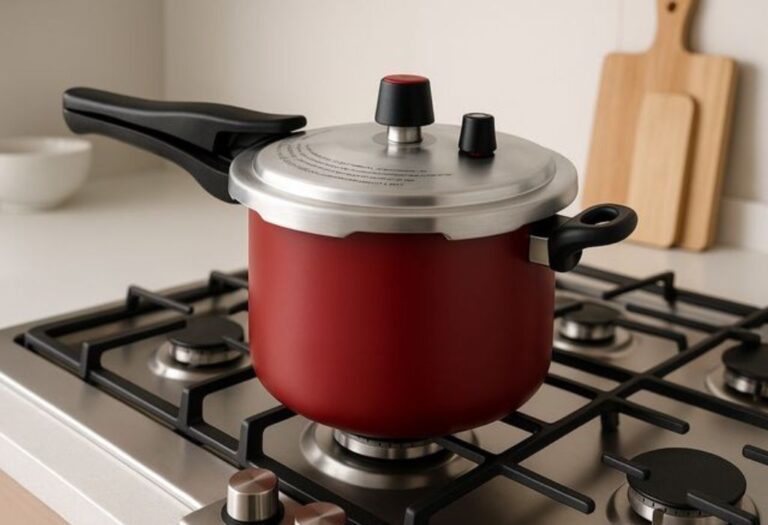
A stainless steel pot often shines on its first day, reflecting a sense of pride in the kitchen.
But after weeks of cooking, smudges, rainbow tints, and burnt stains begin to appear, leaving frustration behind.
Scrubbing with force rarely solves the problem.
Instead, scratches form, the surface dulls, and cookware loses the sleek look it once had.
This is where vinegar enters the picture.
Its natural acidity can dissolve grease, break down mineral deposits, and restore the shine without relying on harsh chemicals.
Curiosity about this method continues to grow.
Reports show that more than 60% of households prefer natural cleaners like vinegar for everyday cleaning tasks (Statista).
The global stainless steel cookware market is also on the rise.
It is projected to exceed $3.5 billion by 2030, proving that this material will remain a staple in kitchens worldwide (Grand View Research).
Learning how to clean stainless steel cookware with vinegar the right way ensures that investments last.
It also prevents the need for expensive replacements and reduces reliance on toxic chemicals.
This guide explores every detail of using vinegar effectively.
From preparation and step-by-step methods to handling stubborn stains and long-term care, every aspect is covered.
What Vinegar Does to Stainless Steel

Vinegar is more than a pantry staple.
It contains acetic acid, which is powerful enough to dissolve grease, film, and mineral buildup.
When used correctly, vinegar cuts through hard water spots that leave chalky deposits.
It also removes rainbow sheen caused by heat, restoring the natural luster of the steel.
The effectiveness of vinegar lies in its balance of strength and safety.
Unlike bleach or chlorine, it does not aggressively strip away protective layers when diluted properly.
Vinegar also helps eliminate odors that linger after cooking certain foods.
Its mild acidity neutralizes smells while cleaning the surface.
The key is moderation.
Undiluted vinegar left too long on cookware may cause pitting or dullness over time.
Understanding both benefits and risks makes vinegar a reliable choice.
It offers a natural, inexpensive, and eco-friendly way to restore stainless steel cookware safely.
Tools and Materials Needed
Success depends on preparation before cleaning begins.
Having the right tools avoids scratches and ensures a streak-free finish.
Distilled white vinegar is the star ingredient.
It contains no dyes or impurities that could leave stains behind.
Water is necessary for dilution.
Equal parts vinegar and water create a balanced solution that cleans without damaging the steel.
A spray bottle makes application simple.
It allows even coverage and prevents over-saturation of the surface.
Soft materials like microfiber cloths or non-abrasive sponges are essential.
They remove grime without scratching the grain of the steel.
Optional items like baking soda add versatility.
When mixed with vinegar, they tackle burnt-on grease and discoloration more effectively.
Gloves are also useful for those with sensitive skin.
They protect against the vinegar’s acidity and reduce odor contact.
With these tools, every cleaning session becomes easier and safer.
Preparation ensures results are consistent and cookware remains polished.
Step-by-Step: Proper Method to Clean Stainless Steel Cookware with Vinegar

Start by creating the vinegar solution.
Mix equal parts distilled white vinegar and warm water in a spray bottle or bowl.
Apply the solution evenly across the cookware surface.
For interior cleaning, pour enough into the pan to cover stains.
Let the mixture sit for a few minutes.
This resting period allows acetic acid to dissolve grease and mineral film.
Gently scrub the cookware using a microfiber cloth or sponge.
Always follow the grain of the steel to maintain a polished appearance.
For tougher spots, simmer vinegar and water directly in the pot.
Heat helps loosen burnt food or stubborn residue.
After scrubbing, rinse thoroughly with warm water.
This step prevents any lingering vinegar smell or streaks.
Dry immediately with a soft cloth.
Moisture left behind leads to water spots and reduces shine.
Finish with a quick buff along the grain.
This final touch leaves a streak-free, professional appearance.
By following this method, cookware remains clean, safe, and durable.
It also restores a natural glow that feels brand new after every use.
Handling Stubborn Stains and Discoloration
Not all stains disappear with one simple wipe.
Some require extra steps to bring back the original finish.
Burnt-on grease is a common challenge.
Simmering vinegar and water in the cookware helps soften hardened residue.
Once loosened, a baking soda paste can be applied.
This adds gentle abrasiveness without scratching the steel.
Rainbow discoloration often appears after cooking at high heat.
A vinegar rinse cuts through these heat tints and restores brightness.
Hard water spots create cloudy, white rings.
Acetic acid in vinegar dissolves calcium deposits quickly and effectively.
For blackened bottoms, vinegar soaks are particularly effective.
Adding baking soda enhances results for heavily scorched areas.
Consistency is the key to success.
Repeating these treatments gradually lifts stains while protecting the cookware’s structure.
With patience, even the most stubborn marks fade.
Cookware regains its smooth finish and polished appearance without harsh chemicals.
Dos and Don’ts When Cleaning with Vinegar

Vinegar is safe, but misuse can create new problems.
Knowing best practices avoids accidental damage.
Always dilute vinegar with water before use.
This reduces acidity and keeps stainless steel surfaces safe.
Limit contact time with the cookware.
Leaving vinegar overnight risks pitting and dullness.
Never mix vinegar with bleach.
The reaction creates toxic fumes and can corrode surfaces.
Avoid using abrasive pads or steel wool during cleaning.
They scratch the finish and make cookware more prone to future stains.
Follow the grain when wiping or polishing.
Cross-grain scrubbing creates visible marks and traps residue.
Ensure proper ventilation while cleaning.
This helps manage vinegar’s strong smell during use.
By respecting these simple rules, vinegar remains a safe, effective solution.
It delivers reliable results without compromising cookware quality.
Frequency and Maintenance
Cleaning stainless steel cookware with vinegar does not need to be daily.
Instead, it works best as a regular maintenance practice.
A light vinegar wipe once a week keeps cookware streak-free.
It prevents mineral buildup and keeps surfaces shining.
Deep cleaning is required when stains or discoloration appear.
Simmering vinegar solutions or baking soda treatments restore surfaces after heavy use.
Experts recommend a vinegar cleaning at least once a month.
This schedule balances safety and long-term durability.
Frequent gentle care reduces the need for harsh scrubbing.
It also extends the lifespan of cookware significantly.
Consistency builds results.
By integrating vinegar cleaning into routine maintenance, pans always look and perform their best.
Additional Gentle Cleaning Options and Polishing Techniques

Vinegar is highly effective, but complementary methods enhance its results.
Other natural cleaners and polishes create a complete care routine.
Baking soda works as a mild abrasive.
It combines with vinegar for tackling burnt residue or stubborn stains.
Lemon juice adds a fresh citrus boost.
It cuts through grease while leaving cookware smelling clean.
Commercial stainless steel cleaners are available.
Products like Bar Keepers Friend use oxalic acid to remove discoloration safely.
Polishing after cleaning improves appearance.
Olive oil or mineral oil buffs shine and reduces fingerprint marks.
Always polish with the grain.
This ensures a streak-free, mirror-like finish that lasts longer.
Exterior and interior surfaces require different care.
Focus polishing on exteriors for aesthetic appeal, while interiors benefit most from functional cleaning.
These complementary methods work alongside vinegar.
Together, they offer a complete approach to stainless steel cookware care.
Conclusion
Stainless steel cookware remains a favorite for its durability and sleek design.
Yet without proper care, stains, streaks, and discoloration reduce its appeal.
Learning how to clean stainless steel cookware with vinegar the right way transforms maintenance.
It combines natural cleaning power with safe, practical methods that protect cookware.
From basic vinegar solutions to tackling burnt-on grease and rainbow tints, the process is straightforward.
Preparation, correct tools, and proper drying ensure long-lasting results.
Complementary methods like baking soda polishing and lemon cleaning enhance outcomes.
They work alongside vinegar to restore cookware to its best condition.
Consistency is the ultimate solution.
With regular care, cookware remains spotless, polished, and ready for every meal.

I’m Emma J. Caldwell, the founder, lead writer, and home-cooking enthusiast behind KitchenGuideCo.com. With a background in culinary arts and over a decade of cooking experience in both professional and personal kitchens, I created this platform to demystify recipes, offer smart kitchen gadget reviews, and guide readers through meal prep with confidence and clarity.