Portable dishwashers have become extremely popular for people living in apartments, small kitchens or rental homes where installing a built in dishwasher is not possible.
Instead of requiring permanent plumbing or cabinetry, these compact machines can roll into place, connect to a faucet and wash dishes with the same cleaning power as standard models.
Many people see them for the first time and wonder how such a simple looking appliance performs an entire washing cycle without a traditional hook up.
The idea of connecting a dishwasher to a kitchen faucet may seem unusual at first, especially for those accustomed to built in models with dedicated water lines.
However, portable dishwashers are designed with internal systems that allow them to draw water, heat it, wash dishes and drain efficiently.
This creates a convenient solution for households that lack space or renovation flexibility. People who experience portable dishwashers for the first time often become curious about how the machine actually functions.
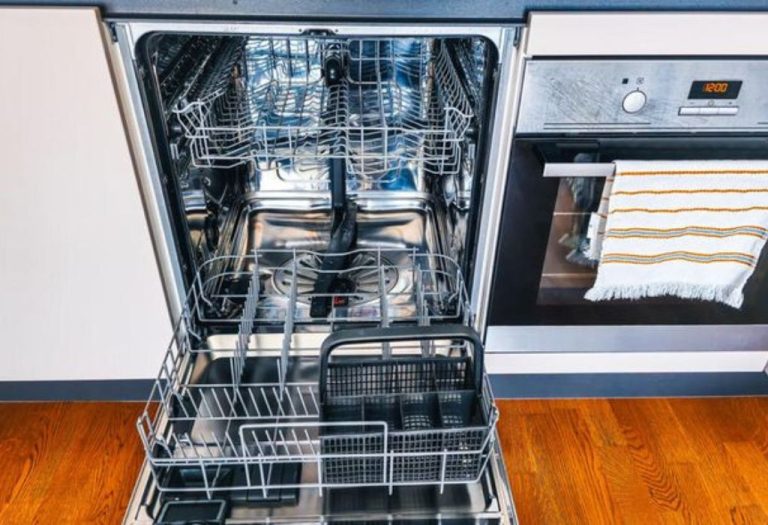
Understanding the internal mechanics of a portable dishwasher helps explain why they work so reliably. Their design uses pumps, hoses, heating elements and filtration systems arranged in a compact body.
Even though the machine connects to a faucet, its internal engineering matches full size dishwashers. Many users are surprised to learn how powerful and efficient these portable units can be.
When someone rolls a portable dishwasher to the sink, connects the hose and starts a wash cycle, the machine completes several steps automatically. Each step involves water intake, heating, spraying, draining and drying, just like a built in machine.
These steps are organized through sensors and electronic controls that monitor temperature, pressure and water flow.
This guide explains every part of a portable dishwasher’s operation, including how water enters the machine, how dishes are cleaned, how water drains and how the drying system works.
Each section breaks down a major function in detail, making it easy to understand the entire cleaning process. By the end, you will know exactly how portable dishwashers perform and why they work so effectively in small spaces.
How Portable Dishwashers Connect To A Faucet
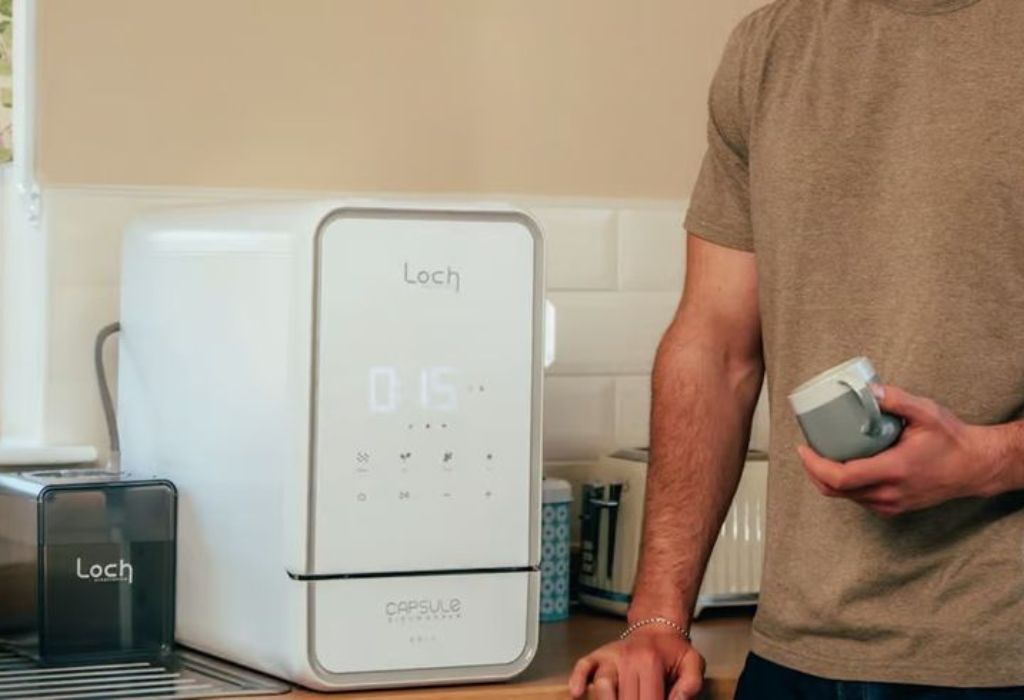
Portable dishwashers connect to a kitchen faucet using a special device called a quick connect adapter.
This adapter attaches to the faucet’s threaded tip, allowing the dishwasher hose to lock securely into place. When the cycle begins, the dishwasher draws water directly from the faucet through this connection.
The drain hose is joined to the same assembly, which means dirty water returns to the sink during the drain cycle. This arrangement eliminates the need for a dedicated plumbing line. Users simply roll the dishwasher to the sink, attach the hose and turn on the faucet.
Inside the quick connect assembly, valves control the direction of water flow. One valve sends fresh water into the dishwasher while another guides dirty water back to the sink.
These valves prevent backflow, ensuring no contaminated water returns to the faucet. This design keeps the cleaning process safe.
When the faucet is turned on, water pressure pushes water through the hose. The dishwasher’s internal pump then pulls the water into its circulation system. Even though the dishwasher relies on faucet pressure, the pump ensures stable flow inside the machine.
Portable dishwashers use standard faucet threading, but some modern faucets may require adapters. Manufacturers usually include extra fittings to match different faucet styles. These fittings ensure compatibility across various kitchen setups.
This faucet connection system is one of the main reasons portable dishwashers require no permanent installation. Users can set up the machine anytime, run a cycle and disconnect it once finished. This flexibility appeals to renters and small households alike.
How Water Enters And Flows Through A Portable Dishwasher
Once the faucet connection is made, the portable dishwasher begins drawing water into its internal tub. The water enters the machine through an intake port located at the bottom.
A small pump regulates the flow, ensuring the correct amount enters for each cycle. This precise control prevents overfilling.
After entering the dishwasher, water collects briefly at the base. Sensors measure the water level and signal the pump when the correct amount is reached. These sensors help prevent leaks by maintaining accurate water depth. Once the water level is correct, the circulation pump activates.
The circulation pump forces water upward through spray arms. These arms spin due to water pressure, distributing water across all dishes inside the racks. The pump must generate enough pressure to keep the arms spinning effectively. This ensures food residue loosens from dish surfaces.
Portable dishwashers use the same water pressure system as full size dishwashers, but on a smaller scale. The internal plumbing includes narrow channels that guide water efficiently. Narrow channels increase pressure, allowing strong water jets even without dedicated plumbing lines.
Once the water is sprayed, it falls back to the base through a filtration grate. Here it is collected, filtered and recirculated. This continues until the dishwasher completes the wash cycle. Recirculating water reduces waste and increases efficiency.
At the end of the wash phase, the machine sends the dirty water through the drain hose. The hose expels the water directly into the sink. This simple process requires no modifications to the home plumbing system.
Does the dishwasher pull water from the faucet automatically?
Yes, once the quick connect is attached, the machine draws water automatically when the cycle begins.
Can portable dishwashers connect to any faucet?
Most faucets work, but some may require an adapter supplied by the manufacturer.
Does water pressure affect cleaning performance?
Yes, stronger faucet pressure improves water flow and spray arm rotation.
Do portable dishwashers reuse water?
Yes, they recirculate water during the wash phase to increase efficiency.
Where does the dirty water drain?
It drains back into the sink through the same hose assembly.
How Portable Dishwashers Spray And Clean Dishes
Once water enters the dishwasher, the spray arms begin their cleaning work. These arms contain small holes positioned at precise angles.
When water flows through them, the arms spin rapidly, creating jets that hit dishes from multiple directions. This multi angle spraying ensures complete coverage.
The circulation pump maintains steady water pressure throughout the wash cycle. This pressure keeps the spray arms spinning consistently. Because portable dishwashers use smaller pumps, the design compensates by narrowing water channels. Narrow channels boost force and enhance cleaning power.
Portable dishwashers use specially designed nozzles to maximize efficiency. These nozzles increase jet speed, helping remove food residue from plates, cups and utensils.
Even stubborn stains break down under sustained water pressure. This mimics the performance of built in dishwashers.
During the wash cycle, water continuously circulates from the pump to the spray arms. Each rotation spreads hot, soapy water across dishes. The consistent movement loosens grease, softens residue and breaks down grime. Heat speeds up this cleaning process.
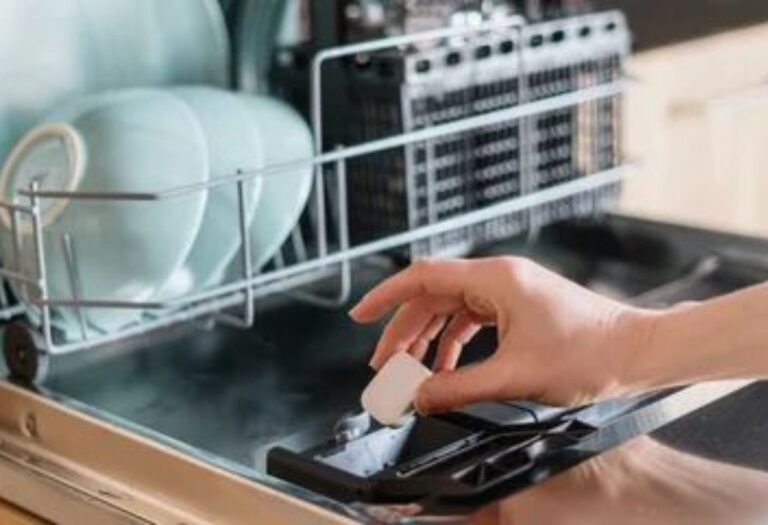
The detergent dispenser releases soap at specific stages. Some cycles release detergent at the beginning, while others introduce it midway. This timed release improves cleaning performance by matching soap exposure to soil levels. The dishwasher ensures maximum detergent efficiency.
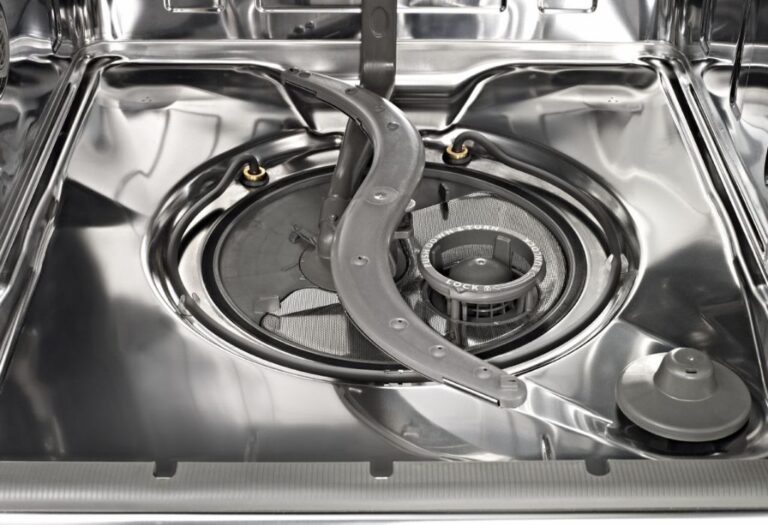
Food particles fall to the bottom where the filter catches them. This prevents debris from redepositing on dishes. Clean water continues circulating while trapped debris remains in the filter area. This system ensures a spotless result.
Portable dishwashers may be small, but their cleaning mechanisms replicate full size technology. They use pressure, heat, detergent and filtration to produce excellent results. Their compact size does not limit cleaning effectiveness.
How Heating Elements Work In Portable Dishwashers
Portable dishwashers use heating elements to warm water for washing and rinsing. These elements sit at the bottom of the tub and activate when sensors detect low temperature. Heating water helps dissolve detergent more effectively. Warm water also removes grease faster.
The heating element also supports sanitizing cycles. These cycles require precise temperatures to kill bacteria and break down stubborn food residue.
Portable dishwashers reach these temperatures even without a built in water heater. The internal heating coil maintains steady heat output.
During the drying phase, the heating element warms the air inside the tub. This allows water droplets to evaporate from dish surfaces. Some portable dishwashers use a heated dry function, while others rely on residual heat from the wash cycle. Both methods help dry dishes efficiently.
Water temperature sensors monitor the heat level continuously. These sensors ensure water does not become too hot. Excessive heat could damage plastic dishes or warp components. The sensors communicate with the control board to regulate heat precisely.
Because portable dishwashers require power for heating, they use standard electrical outlets. This makes them convenient for apartments and rental spaces. There is no need for special wiring or installation.
The heating element is essential for both cleaning and drying performance. Without it, portable dishwashers would struggle to remove greasy residue. Proper heat distribution is key to successful dishwashing.
Do portable dishwashers heat their own water?
Yes, internal heating elements raise water temperature for cleaning.
Can portable dishwashers sanitize dishes?
Yes, many models reach sanitizing temperatures using their heating coil.
Is the heating element safe for plastic dishes?
Sensors regulate heat to protect plastics during the cycle.
Does heated drying use a lot of energy?
It uses moderate energy, similar to built in dishwashers.
Do portable dishwashers need special electrical outlets?
No, they plug into standard household outlets safely.
How Filtration Systems Work Inside Portable Dishwashers
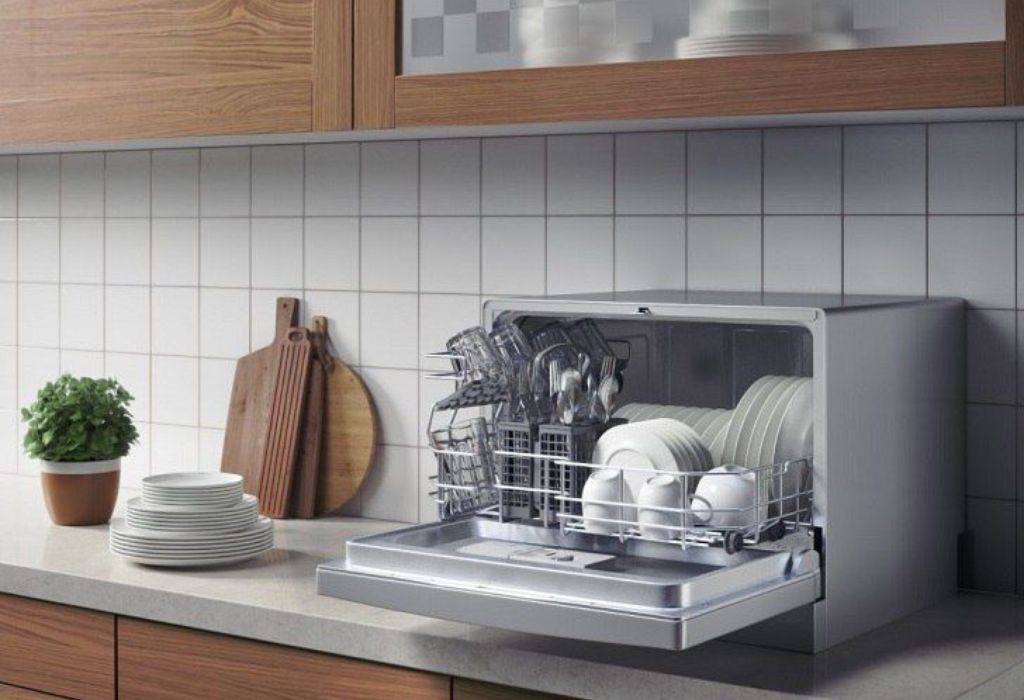
Portable dishwashers contain a two stage filtration system that removes food particles from water during each wash cycle.
The first stage is a coarse filter located at the bottom of the tub. This filter catches large scraps such as vegetable chunks, rice grains or pasta pieces. These scraps stay trapped until cleaned manually.
The second stage uses a fine mesh filter to capture smaller particles. This filter prevents debris from circulating through the pump. Clean water continues circulating while dirt stays behind. This protects internal components from clogging.
The filtration system reduces the amount of detergent needed. Cleaner water improves washing efficiency. It also helps prevent redepositing food on dishes during the rinse cycle.
Portable dishwashers require regular filter cleaning for best results. Removing and rinsing the filter under running water keeps the appliance operating smoothly. A clogged filter slows water flow and reduces spray arm power. Proper maintenance ensures consistent performance.
Filters also protect sensitive internal parts from damage. Without filtration, debris could reach pumps and heating elements. These components require clean water to function properly. Filtration extends the dishwasher’s lifespan.
Although portable dishwashers are compact, their filtration systems match those of full size models. The combination of coarse and fine filters ensures high quality cleaning. These systems contribute to the strong performance portable dishwashers are known for.
How Portable Dishwashers Drain Water After Washing
Portable dishwashers use a drain pump to push dirty water out of the tub once the wash or rinse cycle is complete. This pump activates automatically when sensors detect the correct time to begin draining.
The pump sends water through the drain hose, which returns it directly to the sink connected to the faucet adapter. This makes drainage simple without requiring a permanent plumbing line.
The drain hose relies on gravity and pump pressure together to move water efficiently. Gravity helps guide the water downward while the pump creates consistent flow.
Because portable dishwashers do not have a sewer connection, this combined method ensures water exits the machine quickly. This helps prevent buildup inside the tub.
The drainage system also includes a backflow prevention valve. This valve stops dirty water from returning to the dishwasher through the hose.
Backflow protection is essential because it prevents contaminated water from mixing with fresh rinse water. This protects both hygiene and cleaning quality.
During draining, water passes through the filtration system. Large particles remain trapped while water flows out freely. The filtered particles stay inside the dishwasher until the user manually cleans the filter after the cycle. This system prevents clogs inside the pump and hose.
Once the drain cycle finishes, the dishwasher prepares for the next phase of washing or rinsing. Sensors confirm that the tub is empty before allowing more water to enter. These sensors prevent overfilling and reduce the risk of leaks. The dishwasher stays safe and efficient.
The drain hose must be positioned properly to prevent flooding. Users place the hose into the sink, ensuring it rests securely. If the hose slips or bends improperly, water may spill or fail to drain. Proper placement ensures smooth operation.
The draining mechanism is essential to the dishwasher’s entire system. Without it, water would pool inside the tub, preventing cleaning and damaging internal components. Portable dishwashers are designed to have a reliable and safe drainage process.
How Controls And Sensors Operate Inside Portable Dishwashers
Portable dishwashers contain electronic control boards that coordinate each phase of the cleaning cycle. These boards receive information from sensors and determine when to activate pumps, heaters or spray arms.
This creates a precise and automated cleaning process. Controls ensure every step happens at the correct moment.
Water level sensors detect how much water enters the tub during the initial fill. These sensors prevent overfilling by signaling the machine when to stop drawing water from the faucet.
If too much water enters, the dishwasher triggers an error and halts the cycle. This helps avoid flooding.
Temperature sensors measure water heat during washing and rinsing. If the heating element produces too much heat, the sensors shut it down temporarily. This prevents melting plastic items or damaging the internal components. Controlled temperature settings improve cleaning safety.
Pressure sensors also monitor water flow through spray arms. If spray arms become clogged or clogged filters reduce pressure, the sensors detect the issue. The dishwasher may pause the cycle or adjust pump power to compensate. This ensures efficient cleaning even under changing conditions.
Door sensors ensure the dishwasher remains locked during operation. Portable dishwashers come with safety latches that activate when the cycle begins. If the door opens accidentally, the dishwasher shuts off instantly. This prevents water from spilling onto the floor.
Electronic timers coordinate cycles precisely. They determine how long each wash, rinse and dry phase should last. Portable dishwashers use shorter cycles than full size models, but timers maintain consistent performance. This improves energy and water efficiency.
Overall, portable dishwashers rely heavily on sensors and control boards to operate safely. These systems create a seamless cleaning experience and ensure the machine protects itself from damage.
Advanced sensor technology is one reason portable dishwashers work so reliably in small homes.
Do portable dishwashers use sensors like built in models?
Yes, they use water level, temperature and door sensors for safe operation.
What happens if the dishwasher overfills?
Sensors stop water intake and the machine halts the cycle to prevent flooding.
Can a portable dishwasher adjust spray pressure?
Yes, pressure sensors help regulate spray arm performance during cleaning.
Does the door lock automatically?
Yes, a safety latch engages during operation to prevent leaks.
Are timers accurate in portable dishwashers?
Yes, electronic timers precisely control each phase of the cycle.
How Portable Dishwashers Dry Dishes After Cleaning
Portable dishwashers use a combination of heat, airflow and residual warmth to dry dishes at the end of each cycle.
Once the final rinse is completed, the internal heating element activates again to warm the air inside the tub. This heat causes water droplets on dishes to evaporate slowly. Heated drying produces faster results.
Some portable dishwashers rely on condensation drying instead of heated drying. This method uses the residual heat from the final rinse, causing moisture to evaporate naturally.
Steam condenses on the cooler walls and drains away. This saves energy and reduces power consumption.
The drying phase may include a fan in some models. A fan circulates warm air around dishes, improving drying performance. This airflow removes moisture trapped in small spaces, such as the bottoms of cups or bowls. This creates more consistent results.
Temperature sensors ensure that the drying heat stays within safe levels. Overheating can warp plastic items or damage racks. Sensors regulate the heating element to maintain appropriate conditions. This protects both dishes and the machine.
Drying performance may vary depending on how dishes are arranged. Items placed too closely together trap moisture and slow evaporation. Spacing dishes evenly allows warm air to circulate properly. This improves drying efficiency.
Portable dishwashers may take slightly longer to dry dishes compared to full size dishwashers. However, their drying systems remain effective for most households. Proper loading and cycle selection enhance results. Overall, portable dishwashers dry dishes well with minimal energy consumption.
How Portable Dishwashers Compare To Built In Dishwashers
Portable dishwashers offer similar cleaning performance to built in models, but they differ in several key areas. The main difference is portability, which allows users to move the machine around as needed. This makes them ideal for small kitchens or temporary living situations. Built in models require permanent installation.
Built in dishwashers connect directly to plumbing lines. This provides a stronger and more consistent water supply. Portable models rely on faucet pressure, which varies among households. However, portable units compensate with internal pumps and pressure systems.
Built in dishwashers typically have larger tubs. This accommodates more dishes in a single cycle. Portable dishwashers hold fewer items due to compact dimensions. Smaller loads are perfect for individuals or small families.
Portable dishwashers are easier to install. Users simply plug them into an outlet, attach the hose to the faucet and roll the machine into position. Built in dishwashers require professional installation or plumbing knowledge. This makes portable models more convenient for renters.
Although portable dishwashers are smaller, they use similar internal technology. Both types include heating elements, spray arms, filters and sensors. This allows portable models to match the cleaning power of full size units. Their efficiency often surprises new users.
Drying performance may differ slightly. Built in models have stronger drying systems and more insulation. Portable models rely more on residual heat and basic heating systems. Even so, they provide adequate drying for daily needs.
Are portable dishwashers as powerful as built in units?
Yes, they use similar pumps, heating elements and spray systems.
Do portable dishwashers use more water?
Not necessarily, many models match the water efficiency of built ins.
Can portable dishwashers fit full loads?
They hold smaller loads, making them ideal for small households.
Do portable models clean as effectively as built in ones?
Yes, most offer similar cleaning performance despite compact size.
Is installation easier for portable dishwashers?
Yes, they require no permanent plumbing or cabinetry changes.
Benefits Of Using A Portable Dishwasher
Portable dishwashers offer major benefits for people with limited kitchen space. Their compact design enables easy placement in apartments, dorm rooms or small homes. Users can store them in a corner and roll them to the sink only when needed. This flexibility provides convenience.
Another benefit is cost savings. Portable dishwashers are typically less expensive than built in models. They also save money on installation, since no plumbing modifications are necessary. This makes them a budget friendly option for renters.
Portable dishwashers save time compared to hand washing. They clean dishes thoroughly using hot water, strong spray arms and effective detergent release. This reduces the effort required after meals. Busy households appreciate the time savings.
Energy efficiency is another advantage. Many portable dishwashers use less water and electricity than older built in models. Their smaller capacity means shorter wash cycles and reduced resource usage. This supports sustainable living.
Portability also makes the appliance versatile. Users can take the dishwasher with them when moving to a new home. This prevents the need to purchase a new model. Portability extends the appliance’s usefulness over many years.
Portable dishwashers improve hygiene by washing dishes at high temperatures. Hand washing rarely achieves comparable heat levels. This ensures cleaner, safer dishes. Families with young children benefit most from this added hygiene.
Limitations Of Portable Dishwashers
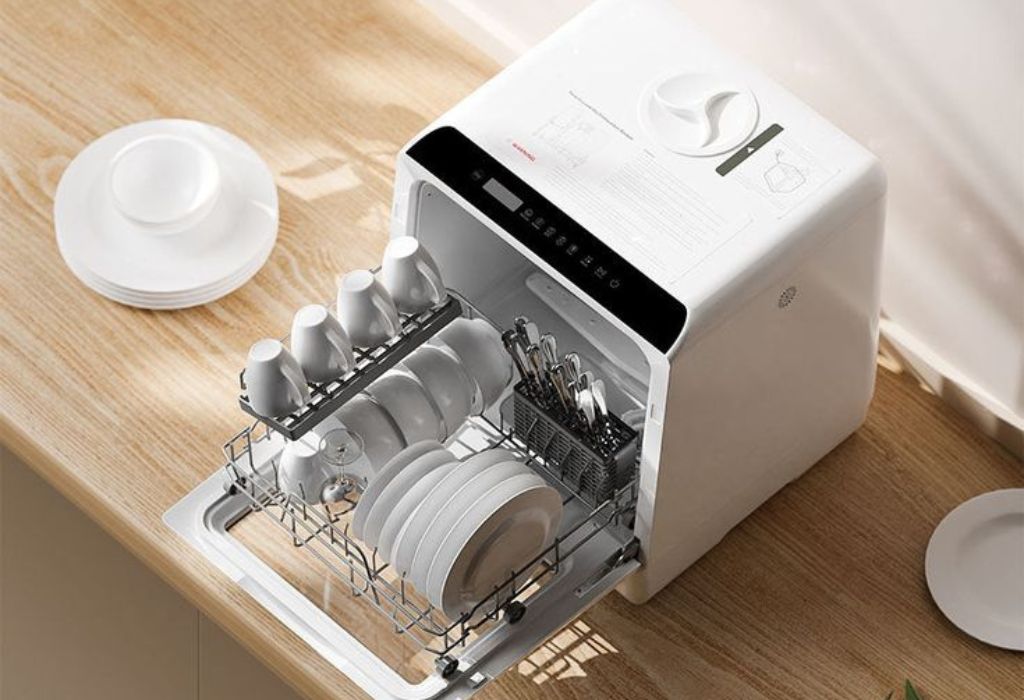
Despite their many advantages, portable dishwashers also have limitations. Their smaller size means they cannot hold as many dishes as built in units. Large families may find the capacity insufficient for daily needs. This may require more frequent loads.
Connection to the faucet can be inconvenient for some. If the faucet does not accept the quick connect adapter, users must purchase additional fittings. Some modern faucets are incompatible without major adaptation. This adds complexity.
Portable dishwashers rely on faucet water pressure. Low pressure may affect cleaning performance. Users in older homes may experience inconsistent results. Ensuring adequate pressure is essential.
Drying performance may be weaker than built in models. Portable dishwashers often lack advanced drying systems. Items may require towel drying afterward. This reduces overall convenience.
The drain hose must remain properly positioned during use. If it slips from the sink, water may spill onto countertops or floors. Users must stay aware of hose placement. Built in models avoid this issue entirely.
Portable dishwashers can be noisy due to thinner insulation. Noise levels vary between brands. Some users find the sound disruptive at night. Running daytime cycles helps minimize disturbance.
Although portable dishwashers have some limitations, they remain an excellent choice for many households. Their benefits outweigh drawbacks for small homes and rental properties. Proper use and maintenance ensure long lasting performance.
Conclusion
Portable dishwashers provide an excellent solution for people who need full dishwashing power without permanent installation. Their ability to connect to a faucet, draw water, spray dishes with strong pressure and drain directly into the sink makes them both flexible and efficient.
Despite their small size, portable dishwashers contain advanced systems including heat sensors, pumps, filters and drying mechanisms that work together to clean dishes thoroughly.
These machines operate much like built in dishwashers but offer added convenience through mobility and simplicity.
By understanding how water flows through the machine, how sensors control each cycle and how drying occurs, users can appreciate the engineering that makes portable dishwashers reliable. They offer strong cleaning performance even in kitchens with limited space.
With proper care and regular maintenance, portable dishwashers can last for many years. Cleaning filters, using compatible faucet adapters and ensuring adequate water pressure all contribute to successful operation.
Their portability makes them perfect for apartments, small homes and rental properties where traditional installation is not possible.
Choosing a portable dishwasher means choosing flexibility, efficiency and convenience. These compact machines combine modern technology with simple operation, giving households a powerful cleaning solution without requiring major kitchen changes. They demonstrate how innovation can bring full functionality to any size home.

I’m Emma J. Caldwell, the founder, lead writer, and home-cooking enthusiast behind KitchenGuideCo.com. With a background in culinary arts and over a decade of cooking experience in both professional and personal kitchens, I created this platform to demystify recipes, offer smart kitchen gadget reviews, and guide readers through meal prep with confidence and clarity.