Most people rush through loading the dishwasher after a meal because it feels like an easy task that does not require much thought. Silverware often gets tossed into the basket quickly without considering how placement affects cleanliness or long term durability.
After a few washes many people begin noticing water spots, dull finishes or pieces that still come out dirty.
Some families debate whether the handles should face up or down because everyone believes their method is more effective. Others have experienced small accidents when sharp knives were placed incorrectly inside the basket.
These small issues add up and eventually make people wonder whether there is a correct and safe way to load silverware.
Dishwashers use high water pressure and hot temperatures to remove food, but these conditions also affect how silverware interacts inside the basket.
When pieces nest together, water cannot reach the inner surfaces properly and residue remains stuck after the cycle ends. Understanding how water moves inside the machine reveals why correct placement matters so much.
Keeping the kitchen hygienic is another important reason for learning the right loading technique. Proper spacing allows water and detergent to reach every part of the utensil, reducing the risk of bacteria or dried food staying behind.
Learning how to load silverware correctly ensures safer meals, cleaner utensils and longer lasting cutlery.
Why Silverware Placement Matters in the Dishwasher

Correct placement ensures that water reaches every side of the utensil during the wash. When pieces cluster too closely, they block water flow and prevent full coverage. This leads to spotting and food residue even after a complete cycle.
Silverware that nests together traps soap and moisture between surfaces. This nesting effect happens often with spoons because they stack easily. When they nest, the dishwasher cannot clean them properly no matter how strong the spray is.
Placing utensils randomly creates uneven cleaning. Some pieces receive direct water pressure while others stay hidden behind larger items. This imbalance leads to inconsistent results and longer cleaning routines.
Dishwasher detergents work best when they can circulate freely around each piece. Crowded sections reduce detergent interaction and lower cleaning effectiveness. Proper spacing ensures full contact with cleaning agents.
The direction each utensil faces affects how safely it can be removed after washing. Knives placed incorrectly increase the chance of accidental cuts. Safety considerations are just as important as cleaning efficiency.
Dishwashers rely on predictable water paths designed by the manufacturer. Incorrect loading disrupts these patterns and reduces internal water flow. Following a structured placement method helps maintain intended performance.
Proper silverware placement also reduces wear on utensils. Constant contact with other metal pieces causes scratches and dullness. Keeping each piece separate helps maintain shine and sharpness.
The Best Way to Place Forks, Spoons and Knives in the Basket
Forks should be placed with handles facing downward so the tines point upward. This exposes the dirtiest part of the fork directly to water jets. It also prevents nesting among forks.
Spoons should be alternated with some facing up and others facing down. This alternating position prevents spoons from stacking inside one another. Water can then reach every surface without blockage.
Knives require special attention because of safety concerns. Placing them handle up and blade down reduces the risk of cutting your hand when unloading. The sharp edge remains safely away from fingers.
Mixing different types of utensils in the same compartment helps prevent nesting. Alternating forks, spoons and knives increases spacing and water flow. This arrangement leads to cleaner results.
Avoid overloading the silverware basket because crowding reduces cleaning efficiency. Each item needs enough distance for water to hit its surfaces. Proper spacing lowers the chance of food residue sticking.
Utensils with large handles should be placed evenly to keep weight balanced. Heavy items can tip the basket during the cycle. Balanced distribution maintains stability inside the dishwasher.
Dishwasher safe plastic utensils can be placed alongside metal silverware if spaced correctly. However, plastic is more sensitive to heat and may warp if placed near the bottom rack. Keeping them on the top ensures better protection.
Common Mistakes People Make When Putting Silverware in the Dishwasher
Many people place all utensils with handles up for convenience. While easier to unload, this method reduces cleaning strength for the dirty ends. It also increases the chance of nesting among similar pieces.
Crowding all pieces into one small area is another frequent mistake. Overloading blocks water flow and reduces detergent efficiency. Some utensils remain dirty even after a full wash cycle.
Some users put sharp knives in the basket with blades facing upward. This is dangerous because blades can cut hands during unloading. Safety should always come first when arranging utensils.
Mixing dishwasher safe and non safe items without checking labels leads to warping or discoloration. Some materials cannot handle high temperatures. Knowing which pieces are safe prevents long term damage.
Placing utensils horizontally across the top rack restricts water circulation. The dishwasher is designed for vertical placement so water can spray between items. Horizontal placement causes inconsistent cleaning.
People often forget to remove sticky food residue before loading. Large or dried particles block water jets and reduce overall performance. Rinsing lightly ensures a cleaner final result.
Using only one compartment of the basket instead of spreading pieces evenly leads to imbalance. Even distribution ensures stable cleaning and prevents the basket from overflowing. Balanced loading optimizes dishwasher function.
How Dishwasher Water Pressure Affects Silverware Cleaning
Dishwashers rely on strong jets of water to remove stuck food from utensils. When silverware is loaded correctly the water stream reaches every angle effectively. Incorrect placement blocks this flow and reduces cleaning power.
High pressure water can move lightweight utensils if they are not positioned securely. This movement causes pieces to collide and scratch each other. Secure placement prevents unnecessary wear from frequent contact.
Water pressure is strongest in the center of the machine and weaker along the edges. Silverware placed too close to the walls may not receive full spray coverage. Even distribution helps maintain consistent cleaning.
Nesting spoons block water from reaching inner surfaces. Water pressure cannot separate stacked pieces once the cycle begins. Alternating their position prevents this common issue.
Heavy pieces like serving spoons or metal tongs may shield smaller utensils behind them. This creates shadow zones where water cannot reach effectively. Spacing large items apart avoids shadowing problems.
Water pressure affects drying performance as well. When items are packed too tightly water pools between surfaces. Proper spacing improves airflow during the drying stage.
Understanding water pressure patterns helps optimize silverware placement. When utensils are spaced evenly they receive the full cleaning and drying benefits. This leads to cleaner results and less re washing.
Which Silverware Should Never Go in the Dishwasher
High quality silverware made from pure silver should not go in the dishwasher. Dishwasher detergent and heat cause discoloration and tarnish quickly. Hand washing preserves the shine and value.
Wood handled knives or utensils should also be avoided. Wood absorbs moisture and swells under high heat conditions. This leads to cracking, fading and early damage.
Utensils with decorative detailing are susceptible to fading. Strong detergents remove delicate patterns from coated or printed designs. Hand washing protects these decorative surfaces.
Knives with sharp blades should not be washed in the dishwasher because the heat dulls the edge. The machine’s movement causes blade friction against other metals. Regular hand washing maintains sharpness.
Brass or copper utensils react chemically with detergent. This reaction causes dark spots and uneven color changes. Gentle cleaning methods protect these metals better.
Antique or heirloom utensils should be washed by hand. Their structural integrity may weaken under high heat. Preserving their craftsmanship requires gentle care.
Utensils with loose handles or open seams may trap water inside. This trapped moisture causes rust and bacteria growth. Hand washing keeps these delicate items safer.
How to Load Silverware in Modern Dishwashers With Third Racks
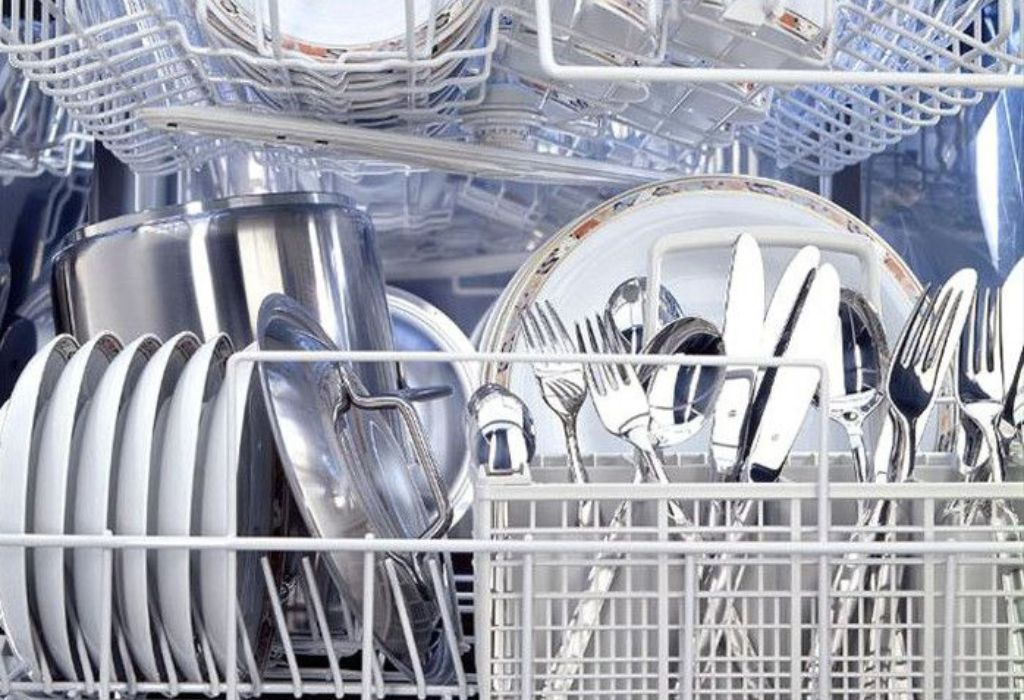
Many new dishwashers include a flat third rack designed specifically for utensils. This rack separates each piece individually and prevents nesting automatically. It provides better spacing than traditional baskets.
Third racks allow knives to be laid flat with blades protected. This prevents sharp edges from pointing upward and reduces the risk of injury during unloading. It also protects the blade from unnecessary contact.
Spoons and forks spread out in separate grooves for even spray coverage. This keeps water flow unobstructed and ensures each piece gets a complete wash. The design enhances cleaning efficiency.
Small items like baby spoons or reusable straws fit well on the upper rack. These items often get lost in lower baskets or fall through openings. The flat design prevents slipping and improves safety.
Plastic utensils are safer on the third rack because it is farther from the heating element. This prevents heat warping or discoloration during drying. Placement protects delicate materials.
Silverware dries faster on the third rack because air circulates more freely around each piece. No two utensils touch or trap moisture. This helps reduce spotting and streaking.
Using the third rack correctly maximizes dishwasher performance. Each utensil receives balanced cleaning, proper drying and safe handling. It is the best option for modern dishwashing efficiency.
How Dishwasher Heat Affects Silverware Material and Shine
High heat inside the dishwasher accelerates oxidation on metal surfaces. Oxidation causes spotting, dullness and streaks over time. This change becomes more noticeable after repeated cycles.
Detergents contain chemicals that remove grease but also strip away protective layers on metal. Once the protective layer is gone, silverware becomes more sensitive to heat and moisture. This leads to a cloudy or worn appearance.
Stainless steel silverware may show rainbow discoloration after prolonged dishwasher exposure. This happens when heat changes the metal’s chromatic surface temporarily. While harmless, it affects appearance.
Silver plated items lose their shine when detergent interacts with the thin plating. Heat causes micro separation of the outer layer. The metal underneath becomes exposed and dull.
Steam inside the dishwasher affects silverware by settling on the surface and drying unevenly. Uneven drying leaves marks that resemble water stains. These stains become harder to remove over time.
Older silverware with worn coatings is especially vulnerable to heat damage. Once the top layer erodes, dishwasher cycles accelerate deterioration quickly. Hand washing becomes a safer choice for older pieces.
High heat also weakens glued components attached to some utensils. Glue softens during the drying cycle and releases the parts. Repeated exposure breaks the bond entirely.
How to Keep Silverware Clean Without Damaging It
Hand washing silverware with warm soapy water protects delicate finishes. This gentle method removes food without causing scratches. It also preserves the polished appearance.
Rinsing immediately after use prevents dried food from sticking. Quick rinsing reduces the time needed for cleaning later. It also stops stains from developing.
Drying with a soft cloth prevents water spots from forming. Air drying can leave mineral marks on the surface. Towel drying maintains shine.
Using non abrasive cleaners keeps the metal surface smooth. Abrasive scrubbing tools create scratches that trap bacteria. Gentle sponges preserve texture.
Polishing silverware occasionally restores brightness. A mild polish designed for metal helps remove fine stains. This keeps utensils looking new for longer.
Storing silverware in a dry place prevents moisture buildup. Moisture causes dark spots and dullness. Good air circulation keeps the pieces fresh.
Rotating between sets of silverware reduces wear on any single group. Using one set continuously creates repetitive stress on material. Rotating extends overall lifespan.
Tips to Prevent Silverware From Rusting in the Dishwasher
Mixing stainless steel with carbon steel increases rust risk. These metals react differently in heat and moisture. Separating them prevents chemical interaction.
Drying the dishwasher door slightly after the cycle ends releases steam. Steam trapped inside encourages rust formation. Ventilation speeds up the drying process.
Rinsing acidic foods from silverware before loading helps prevent corrosion. Foods like tomato sauce or vinegar cause oxidation. Removing residue ensures better protection.
Ensuring enough space between utensils improves cleaning and drying. Less contact means fewer rust spots. Proper spacing eliminates moisture trapping.
Using a rinse aid improves drying efficiency. Rinse aid reduces water droplets that lead to rust. It ensures smoother and cleaner finishes.
Running shorter dishwasher cycles helps reduce heat stress. Long cycles expose utensils to unnecessary moisture. Shorter cycles protect the surface better.
Removing silverware immediately after the cycle prevents water pooling. Pooling promotes rust formation. Quick removal keeps utensils dry and shiny.
Tips to Increase the Lifespan of Silverware Washed in Dishwashers
Rinsing silverware before loading removes acidic food that causes corrosion. Tomato sauce, lemon juice and vinegar accelerate oxidation. Pre rinsing helps protect the metal surface.
Using a dishwasher detergent designed for metal surfaces prevents harsh chemical reactions. Some detergents contain ingredients that dull stainless steel. Choosing gentle formulas maintains shine.
Placing silverware in alternating direction prevents metal on metal friction. When pieces touch constantly their polished layers wear down faster. Proper spacing avoids unnecessary abrasion.
Avoiding extremely hot cycles helps protect silverware integrity. High heat affects plating and weakens glued handles. Standard cycles are safer and still clean effectively.
Towel drying silverware removes residual moisture that causes spotting. Even dishwashers with heated drying sometimes leave droplets behind. Hand drying keeps the surface clear.
Polishing occasionally with a metal safe product restores brightness. Polishing removes subtle discoloration that develops over time. Regular care extends overall lifespan.
Storing silverware in a dry drawer prevents long term moisture exposure. Humidity encourages dullness and rust formation. A clean, dry storage space keeps utensils in good condition.
Answers to Silverware Cleaning and Placement Problems
Should silverware face up or down in the dishwasher
Forks and spoons should face up or alternate to avoid nesting while knives should face down for safety.
Why do my spoons come out dirty even after a full cycle
They likely nested together and blocked water flow which prevents proper cleaning.
Can stainless steel silverware rust in the dishwasher
Yes if exposed to moisture for too long or placed next to different metals that react chemically.
Is it safe to wash knives in the dishwasher
It is not recommended because heat dulls the blade and dishwasher movement increases risk of injuries.
Can silver plated utensils go in the dishwasher
No because detergent and heat damage the thin plating and cause tarnish.
Why do my forks have water spots after washing
Uneven drying or mineral deposits lead to spotting and may require towel drying.
Should wooden handled utensils go in the dishwasher
No because wood absorbs moisture and cracks under high heat conditions.
How do I stop my silverware from nesting together
Alternate direction and mix different utensil types in each basket section.
Does pre rinsing help dishwasher performance
Yes removing large food residue prevents blockages and improves cleaning strength.
Why does my silverware look dull after dishwasher use
Heat and detergent strip protective layers on metal leaving a cloudy finish.
Conclusion
Loading silverware correctly in the dishwasher ensures safer cleaning, better water flow and longer lasting utensils. Many people overlook the importance of spacing, direction and proper placement, but these steps significantly affect how well the utensils come out after a wash.
When silverware is arranged correctly, the dishwasher performs at its best and leaves the pieces spotless and hygienic.
Understanding which utensils belong in the dishwasher and which do not helps prevent long term damage. Some materials react poorly to heat and detergent and require gentle hand washing to maintain their appearance.
Following simple rules such as alternating placement, avoiding overcrowding and placing knives safely makes the entire process easier and more effective.
With the right loading habits, your silverware stays cleaner, shinier and safer for daily use. Paying attention to orientation, spacing and material type improves washing results and reduces the risk of rust or dullness over time.
Proper care ensures that your silverware remains a reliable and long lasting part of your kitchen routine.

I’m Emma J. Caldwell, the founder, lead writer, and home-cooking enthusiast behind KitchenGuideCo.com. With a background in culinary arts and over a decade of cooking experience in both professional and personal kitchens, I created this platform to demystify recipes, offer smart kitchen gadget reviews, and guide readers through meal prep with confidence and clarity.