A stand mixer looks simple from the outside, but inside it uses a powerful combination of gears, torque, and controlled motor speed to mix ingredients with impressive strength.
Most people only see the bowl spinning and the attachment moving, but do not realize how much engineering is happening behind the scenes. Understanding how a stand mixer works helps you choose the right machine and use it more effectively.
Stand mixers became household favorites because they do tasks that are difficult to do by hand, like kneading thick bread dough or whipping cream to perfect stiffness.
The machine uses a strong motor to rotate beaters or hooks in a unique path that reaches every part of the bowl. This movement ensures even mixing without needing to stop and scrape constantly.
The design of a stand mixer allows it to handle heavy loads without overheating. Gears redirect motor power into slow and powerful torque, making it possible to knead dense dough or mix large batches. This strength is what separates stand mixers from handheld mixers.
Planetary mixing is the secret behind consistency. Instead of just spinning in one place, the attachment travels around the bowl while rotating on its own axis. This double motion mimics the action of kneading or folding but with far more efficiency and speed.
Stand mixers also use various attachments to expand their abilities. From dough hooks to paddle beaters, each accessory interacts with the planetary motion in a specific way. The result is smoother batters, fluffier whipped cream, and perfectly kneaded dough every time.
Once you understand the internal mechanism, you can appreciate the power and precision of this kitchen appliance.
Knowing how it works helps you select better speeds, choose the right attachments, and get perfect results in your recipes. This guide explains every part of a stand mixer in detail so you can master how it works.
How the Stand Mixer Motor Generates Power
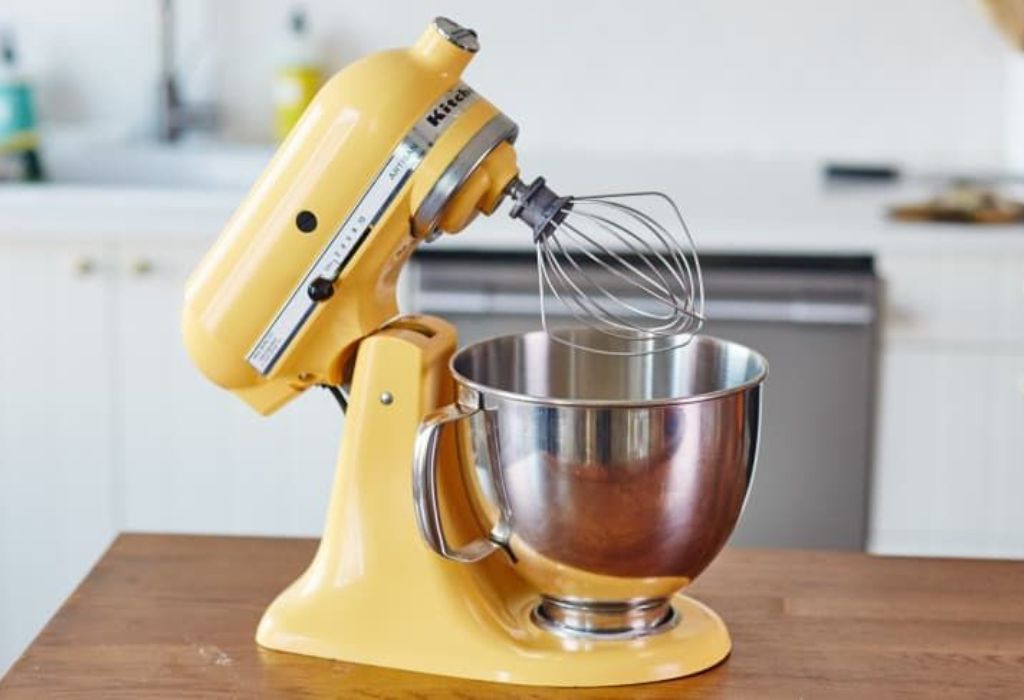
The motor is the heart of every stand mixer, responsible for driving the attachments with controlled strength and speed.
Most stand mixers use a universal motor designed to deliver high torque, which is essential for handling heavy doughs. This power allows the mixer to run smoothly even under demanding loads.
When the motor receives electricity, it spins an internal armature that converts electrical energy into mechanical rotation.
The motor speed is controlled by electronic circuits or mechanical switches, depending on the model. This speed control helps match the mixer’s action to different ingredients.
The motor’s job is not only to spin fast but also to deliver consistent power. Even when mixing thick dough, the motor adjusts automatically to maintain steady rotation. This automatic compensation prevents slowing or stalling during difficult tasks.
Stand mixer motors are designed to stay cool during extended use. Air vents and cooling fans help prevent overheating. This ensures safety and increases the lifespan of the machine.
High powered mixers also deliver more force without sacrificing stability. Their motors remain efficient across a wide range of speeds. This versatility makes them suitable for everything from whipping egg whites to kneading bread dough.
The design of the motor allows enough torque to be delivered at low speeds. This is important because kneading and folding require strength rather than high speed. The motor is engineered to perform both strong and delicate tasks.
Understanding how the motor works helps you appreciate why stand mixers are so efficient. The internal engineering matches power with precision to deliver smooth and predictable results. This combination makes the motor essential to the mixer’s overall performance.
How Gears Transfer Motor Power to the Mixing Head
Inside the stand mixer, a set of gears sits between the motor and the mixing head. These gears convert fast motor rotation into slower, stronger rotational force. This gear reduction allows the mixer to knead dough without burning out the motor.
Different mixers use different gear setups, such as metal gear trains or belt-driven systems. Metal gears offer durability and long lasting performance. Belt systems reduce noise but may need replacement after heavy use.
The gears ensure that the attachment receives constant torque. This prevents the mixer from slowing down when ingredients become thick. The consistent torque is especially important for bread making.
Gear design also controls the speed accuracy of the mixer. Each speed setting corresponds to a specific gear ratio. This allows the user to select the right mixing strength for the recipe.
Some mixers use planetary gears to enhance motion. These gears support the planetary movement of the attachment. Their complexity is what makes the mixer so efficient.
Well engineered gears reduce vibration and noise during operation. This makes the mixer more stable on the countertop. Stability is essential when mixing large or heavy batches.
The strength and precision of the gears determine how well the mixer performs under load. Quality gears ensure long term reliability and consistent results. This makes them a crucial part of the mixer’s design.
Understanding Planetary Mixing Motion
Planetary mixing is the defining feature of a stand mixer. Unlike hand mixers, which rotate beaters in one spot, a stand mixer rotates the attachment in two motions at once. The attachment spins on its own axis while also orbiting around the bowl.
This dual motion ensures that the beater covers every inch of the bowl. There are no dead zones or unmixed pockets. This complete coverage results in smoother and more consistent batter.
Planetary motion mimics human mixing motions such as stirring, folding, and kneading. The machine replicates these movements more quickly and thoroughly. This increases efficiency dramatically.
The tilt head or bowl lift mechanism positions the attachment at the perfect height. Proper alignment is essential for efficient planetary motion. The attachment stays close to the bowl without touching it.
Different attachments interact differently with the planetary motion. A dough hook stretches dough with each orbit, while a whisk traps air rapidly. A paddle beater scrapes sides effectively due to constant rotation.
Planetary movement also helps incorporate ingredients evenly. Whether you add flour or butter, the mixer blends them quickly. This prevents clumps and uneven textures.
The consistency created by planetary motion is one of the biggest reasons bakers prefer stand mixers. It ensures professional level mixing results at home. This technology sets stand mixers apart from other tools.
How Stand Mixer Attachments Work
Stand mixers use various attachments to perform multiple tasks. The paddle attachment is used for normal mixing, creaming, and blending thick batters. It is designed to push ingredients toward the center of the bowl.
The dough hook is specially shaped to stretch, fold, and knead dough. As it moves around the bowl, it replicates the motion of hand kneading. This eliminates the need for manual work.
The whisk attachment incorporates air into mixtures. Its wire structure traps air and increases volume quickly. The whisk is ideal for whipping cream and beating egg whites.
Additional attachments connect through the power hub on many mixers. These attachments include pasta rollers, meat grinders, and vegetable slicers. The motor powers all of these tools easily.
Each attachment is engineered for a specific type of motion. Their shapes and angles match the planetary orbit for maximum efficiency. This ensures perfect results for different recipes.
Proper attachment alignment ensures smooth mixing. When positioned correctly, the attachment reaches close to the bowl’s walls. This reduces the need for scraping.
Attachments allow a stand mixer to become a multi purpose kitchen machine. This versatility makes it one of the most useful appliances in baking and cooking. Understanding each attachment helps you use the mixer to its fullest.
How Speed Settings Control Mixing Performance
Stand mixers offer a range of speed settings that determine how fast the attachment rotates. Low speeds are designed for slow mixing, folding, and kneading. High speeds are useful for whipping and beating.
Speed control helps prevent splattering and messy mixing. Lower speeds keep flour and liquids from spilling. This makes mixing cleaner and easier.
High speeds increase aeration. This is especially important in tasks such as whipping cream or beating egg whites. Aeration creates volume and lightness.
Speed settings also affect dough development. Slow mixing allows gluten to form properly. Too fast a speed may tear dough instead of stretching it.
The motor responds differently at each speed. It delivers the right amount of power based on internal gear ratios. This ensures smooth performance across all tasks.
Some mixers include soft start features to prevent sudden splashing. This starts the mixer slowly before reaching full speed. It helps protect both the ingredients and the user.
Speed control is essential for precision in baking. Different recipes require specific mixing actions. Using the correct speed improves the quality of the final result.
Safety Features That Protect the Mixer and User
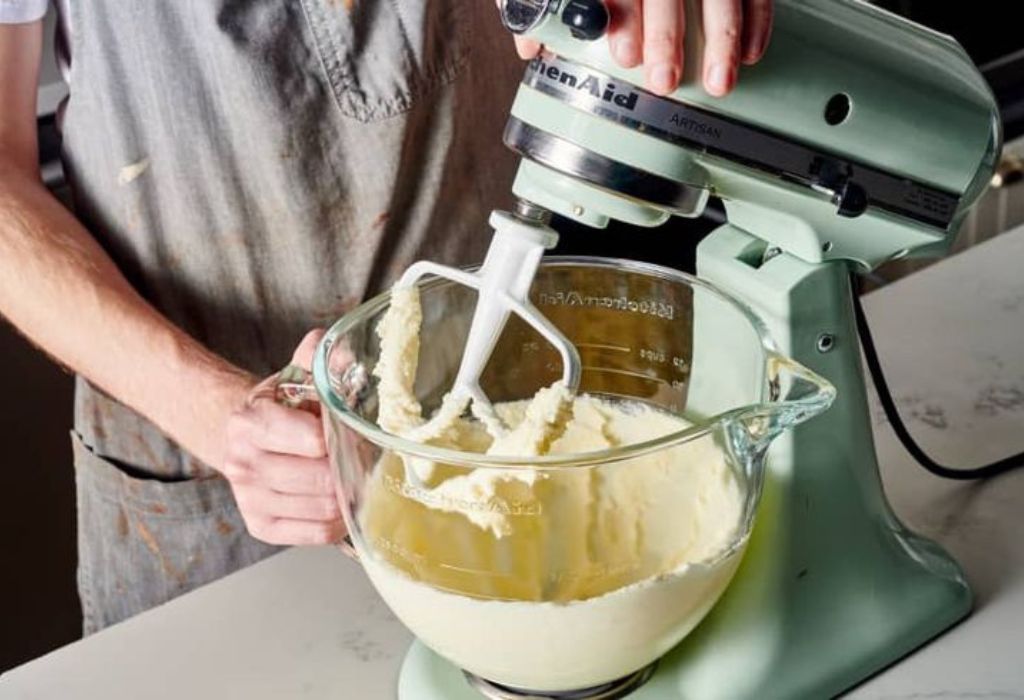
Stand mixers include several safety features to ensure safe operation. Overload protection shuts off the motor if the mixer becomes too hot or overworked. This prevents motor damage during heavy tasks.
Tilt head models generally include locking mechanisms. These locks prevent the head from lifting during mixing. Secure locking keeps the mixer stable.
Bowl lift mixers use sturdy arms to hold the bowl in place. This design prevents movement during heavy dough kneading. The bowl remains steady even under pressure.
Gear overload protection prevents gears from stripping. If the mixer encounters a tough spot, it adjusts torque automatically. This prolongs gear life.
Non slip bases keep the mixer stable on the countertop. Stability is important for safety and consistent mixing performance. Strong rubber feet help prevent sliding.
Some mixers include automatic shutoff to avoid overheating. The motor pauses until it cools. This protects the machine from long term wear.
Safety features help maintain performance and prevent accidents. They increase the life of the mixer and keep the user confident. Good engineering ensures safe and efficient operation.
Beginner Friendly Guide to Stand Mixer Functioning
How does a stand mixer generate enough power for thick dough?
Stand mixers use high torque motors and gear reduction to create strong, slow rotational force. This allows them to knead dense dough without stalling. Torque matters more than speed for heavy mixing.
Why do stand mixers use planetary motion?
Planetary motion ensures the attachment covers the entire bowl. This prevents unmixed spots and improves consistency. The dual rotation creates even blending.
Is a stand mixer more powerful than a hand mixer?
Yes, stand mixers deliver much higher torque and stability. Hand mixers lack the strength to handle heavy dough. Stand mixers are designed for intensive tasks.
Why does the attachment rotate close to the bowl?
Close rotation improves mixing efficiency. It reduces scraping and helps blend ingredients evenly. Proper clearance prevents metal contact with the bowl.
What attachment is best for cake batter?
The flat paddle attachment is ideal for cake batter. It blends ingredients smoothly without over mixing. Planetary motion enhances the consistency.
Why do some mixers have bowl lift designs?
Bowl lift designs offer more stability for heavy mixing. They support large batches and dense dough. Professional models commonly use this design.
Does speed affect mixing texture?
Yes, different speeds create different textures. High speed aerates mixtures, while low speed develops gluten. Choosing the right speed improves results.
Why do mixers slow down under heavy load?
They adjust torque automatically to maintain consistent mixing. This protects gears and motor components. Slowing briefly is normal during thick mixing.
Are metal gears better than plastic gears?
Metal gears last longer and handle heavier loads. Plastic gears are quieter but less durable. Quality mixers often use metal gear trains.
Can stand mixers overheat?
Yes, but built in thermal protection prevents damage. The motor shuts off temporarily to cool down. Proper rest periods help extend lifespan.
Conclusion
Stand mixers work through a combination of motor power, gear systems, planetary motion, and specialized attachments.
These components work together to deliver strong torque, consistent mixing, and efficient movement throughout the bowl. This engineering allows the mixer to handle tasks from gentle folding to heavy dough kneading.
Planetary mixing ensures complete ingredient incorporation without dead zones. Attachments are designed to match this motion, making each tool efficient for its intended job. The result is smoother batters, stronger doughs, and faster preparation times.
Speed settings allow precision in mixing, controlling how ingredients react and blend. Safety features protect both the mixer and the user during operation. Together, these elements make stand mixers reliable and versatile kitchen machines.
Understanding how a stand mixer works helps you choose the right accessories, select proper speeds, and get better results in baking and cooking. With the right knowledge, you can make the most of this powerful tool and enjoy consistent, professional quality outcomes every time.

I’m Emma J. Caldwell, the founder, lead writer, and home-cooking enthusiast behind KitchenGuideCo.com. With a background in culinary arts and over a decade of cooking experience in both professional and personal kitchens, I created this platform to demystify recipes, offer smart kitchen gadget reviews, and guide readers through meal prep with confidence and clarity.