Figuring out how does a slow cooker work can feel a little tricky at first. With all those different settings and cooking times, it’s easy to get confused! Don’t worry, though. This guide will walk you through everything, making it super easy to understand. You’ll learn the basic parts, how the slow cooker makes food, and some helpful tips to get started cooking delicious meals. Let’s start by looking at what makes a slow cooker tick.
The Basics of a Slow Cooker’s Design
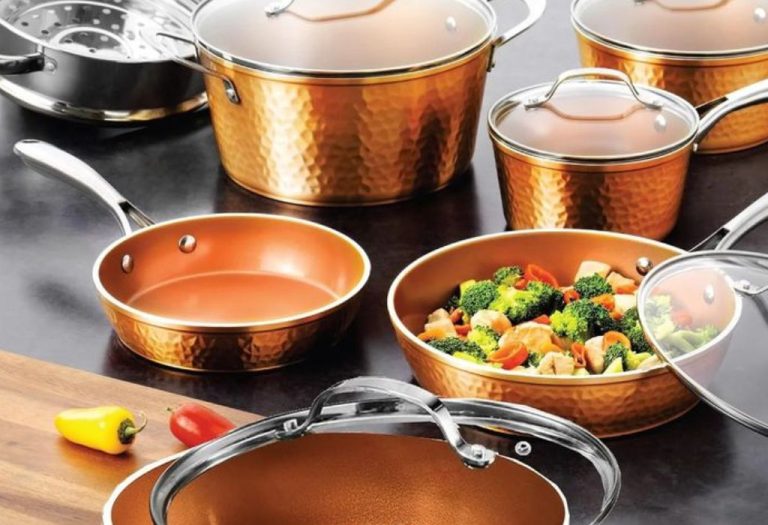
A slow cooker is a simple appliance, but its design is key to its success. It consists of a few main parts working together. The outer part is usually a metal casing that houses the heating element. Inside, there’s a ceramic or stoneware you put your food. A lid, often made of glass, sits on top to trap heat and moisture. Understanding these components is the first step toward knowing how a slow cooker works.
The Heating Element and Its Function
At the heart of any slow cooker is the heating element. This is usually a coil that transforms electricity into heat. The heating element is located at the bottom or wrapped around the sides of the slow cooker’s outer casing. When you turn on the slow cooker, the heating element warms up. The temperature is controlled by a thermostat, which maintains a consistent heat level. This gentle, even heating is what makes a slow cooker so effective for long, slow cooking.
- Precise Temperature Control: The thermostat allows you to set the temperature to low, medium, or high, controlling how quickly your food cooks. The thermostat is the brain of the operation, ensuring the right amount of heat is distributed for your cooking goals.
- Heat Distribution: The location and design of the heating element ensure that heat is distributed evenly throughout the cooking vessel. This even heating prevents hot spots and ensures the food cooks uniformly.
- Energy Efficiency: Slow cookers use less energy than traditional ovens. They are designed to operate at low wattages for extended periods, making them an economical choice.
The heating element is crucial because it slowly and steadily raises the temperature of the food, breaking down tough fibers and making ingredients tender. For instance, in a pot roast, the heating element helps to break down collagen, resulting in a fall-apart tender dish.
The Stoneware Insert: The Cooking Vessel
The stoneware the magic happens. This removable pot is made of ceramic or stoneware materials that can withstand high temperatures. Its primary job is to hold the food and distribute heat evenly. The shape and material of the flavors meld together over time, creating a rich and savory taste in your dishes.
- Heat Retention: Stoneware excels at holding heat. This allows for slow, consistent cooking. The insert also helps to maintain a stable temperature inside the slow cooker.
- Even Heat Distribution: The thick walls of the stoneware insert distribute heat evenly. This prevents burning and ensures that food cooks uniformly. This means all your ingredients cook at the same rate.
- Versatility: Stoneware inserts are often oven-safe and can be used to serve the food directly. Many people use their slow cooker insert as a serving dish once the food is ready.
The stoneware insert plays a key role in the cooking process. It allows for the gentle, long-term cooking that is the signature of slow cookers. Consider the texture of pulled pork. The long, slow cooking in the stoneware makes the meat so soft that it easily pulls apart.
The Lid: Trapping Heat and Moisture
The lid is often made of tempered glass, allowing you to see inside without lifting it. The primary function of the lid is to trap heat and moisture, which is essential for slow cooking. By keeping the heat inside, the slow cooker cooks food at a lower temperature for a longer time. The lid also prevents evaporation, keeping the food moist and tender.
- Moisture Retention: By trapping moisture, the lid prevents food from drying out, ensuring dishes stay juicy. This also helps tenderize tough cuts of meat.
- Flavor Concentration: The lid helps to trap the aroma and flavor of the food. As steam rises, it condenses on the lid and drips back into the dish, intensifying the flavor.
- Heat Efficiency: The lid minimizes heat loss, which allows the slow cooker to maintain a consistent temperature, which is essential for even cooking.
The lid makes all the difference in keeping the flavors locked in. If the lid is removed too often, the heat escapes, and the cooking time increases. When cooking chili, for instance, keeping the lid on preserves the flavors of the spices and creates a more intense taste.
How Does a Slow Cooker Work to Cook Food?
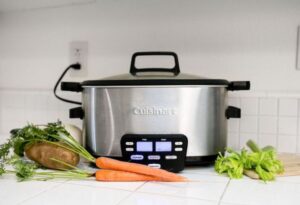
Now that you know the parts, let’s explore how does a slow cooker work in the cooking process. It’s a method known for its simplicity and effectiveness. Slow cookers use low temperatures and long cooking times to break down tough ingredients and develop rich flavors. This process is very different from cooking methods like grilling or frying.
The Temperature Settings Explained
Slow cookers usually have three main temperature settings: low, high, and sometimes, warm. Each setting corresponds to a different temperature range and is designed for a specific cooking time. Understanding these settings is crucial for getting the best results. Each setting will affect the cooking time and the final texture of the food. These are the basic guidelines for temperature.
- Low: The low setting typically heats the slow cooker to around 190°F (88°C). This is perfect for cooking for 6–8 hours or even longer. It’s ideal for dishes that benefit from longer cooking times, such as stews, soups, and large cuts of meat.
- High: The high setting heats the slow cooker to about 300°F (149°C). Food typically cooks in 3–4 hours on high. This setting is good for recipes that need to be ready faster, like chicken or vegetables.
- Warm: The warm setting is used to keep food at a safe serving temperature after it’s cooked. It’s important to note that the warm setting is not meant for cooking food from raw. It’s only for keeping it warm.
The temperature settings on your slow cooker offer you plenty of options for preparing your meal. When planning a meal, remember that a dish that cooks on low all day will often develop deeper flavors than one cooked on high for a shorter time.
The Role of Time in Slow Cooking
Time is a key ingredient in slow cooking. The extended cooking times allow the flavors to meld and the textures of the food to transform. The slow cooker is designed to cook food over several hours. This extended cook time has several advantages, including the breakdown of tough fibers in meats and the absorption of flavors from herbs and spices. Time also helps to tenderize foods and ensures that they’re cooked uniformly.
- Flavor Development: The longer cooking time allows flavors to blend and deepen. For example, the sweetness of onions caramelizes, creating a rich base for soups or stews.
- Tenderizing Tough Cuts: Tough cuts of meat, such as chuck roast or pork shoulder, become incredibly tender after several hours in the slow cooker. This is because the slow, consistent heat breaks down the collagen.
- Nutrient Retention: Because slow cookers cook at lower temperatures, they can help retain more nutrients in the food compared to other cooking methods that use higher temperatures.
Think about a pot of beef stew. The longer it cooks, the more tender the beef becomes, and the more the flavors from the vegetables and herbs blend. Time is a crucial factor in achieving that perfect result.
The Science Behind Slow Cooking
The science of slow cooking is about controlled heat and moisture. The combination of low temperatures and a closed environment allows for several processes that transform the food. This includes the breaking down of proteins, the melting of fats, and the absorption of flavors. This method is the opposite of fast cooking techniques, where you want to apply high heat quickly.
- Protein Denaturation: Heat causes proteins in foods to denature, or change structure. This is what makes tough cuts of meat tender over time. The long cook time helps to break down the protein.
- Fat Rendering: Slow cooking allows fats to melt and redistribute throughout the dish. This adds flavor and helps keep the food moist.
- Flavor Infusion: The long, slow cooking process allows flavors from ingredients like herbs, spices, and vegetables to infuse into the dish, creating a more complex taste profile.
One good example of this is a chicken and vegetable dish. The long, low cooking time allows the chicken to become incredibly tender and the vegetables to absorb the flavors of the broth and spices.
Best Practices and Tips for Slow Cooking
To get the most from your slow cooker, it helps to understand some best practices. This includes knowing how to prepare your ingredients, what to put in first, and how to adapt your recipes. Following these tips will help you create delicious, reliable meals. Here are some of the most helpful things you should know.
Ingredient Preparation and Placement
The way you prepare and place your ingredients in the slow cooker affects how your dish turns out. Proper preparation can impact flavor, texture, and cooking time. Cutting ingredients uniformly ensures that everything cooks evenly. Using fresh, quality ingredients helps to ensure that your dish has the best flavor.
- Cutting Vegetables: Chop vegetables into similar sizes so they cook at the same rate. Hard vegetables like carrots and potatoes should be cut into smaller pieces than softer vegetables like zucchini.
- Browning Meat: Browning meat before adding it to the slow cooker adds flavor. Searing meat in a pan before adds a layer of depth.
- Layering Ingredients: Typically, you should put the ingredients that take the longest to cook on the bottom of the slow cooker, like root vegetables. Then add your meat and finally, the ingredients that cook quickly.
Consider a simple beef stew. Adding the beef, onions, carrots, and potatoes first allows them to cook thoroughly. Then, adding the broth and spices over the meat and vegetables ensures the perfect stew.
Water, Liquids and Avoiding Overfilling
Understanding the right amount of liquid and avoiding overfilling are key to your slow-cooking success. Liquids are essential for cooking, but adding too much can make the dish watery. Overfilling can affect cooking times and possibly prevent food from cooking properly. Following these guidelines helps to ensure the perfect dish every time.
- Liquid Quantity: As a general rule, use enough liquid to partially cover the ingredients. As the food cooks, it will release its own juices, so you usually don’t need as much liquid as you might think.
- Avoiding Overfilling: Don’t fill the slow cooker more than two-thirds full. This allows for proper heat circulation and prevents food from boiling over.
- Checking During Cooking: Avoid lifting the lid too often, as this can release heat and extend cooking times. If you need to check, do so quickly and efficiently.
When cooking chicken and rice, using the correct amount of broth and keeping the slow cooker properly filled is key to perfect results. Too much liquid will make the rice mushy, while too little will cause it to dry out.
Adapting Recipes and Common Mistakes
Knowing how to adapt recipes and avoid common mistakes can help you become a better slow cooker. You might need to adjust cooking times and liquid amounts when adapting recipes for a slow cooker. Common mistakes include overcooking food, adding too much liquid, and not browning meat. By avoiding these common errors, you can improve your slow cooking skills.
- Adjusting Cooking Times: Remember that a recipe designed for the oven or stovetop will likely require a different cooking time in a slow cooker. Cook times may need to be adjusted.
- Browning Meat and Vegetables: While not always required, browning meat and vegetables before slow cooking them adds a lot of flavor.
- Avoiding the Lid: Resisting the urge to lift the lid helps maintain the heat and moisture in your slow cooker. Each time you lift the lid, it can add 15–20 minutes to your cooking time.
A classic example of adapting recipes is when using a recipe from a cookbook. You may need to adapt a recipe you find for chicken by first browning the chicken and adding additional ingredients. This helps develop the flavors in the slow cooker.
Frequently Asked Questions
Question: Can I put frozen food in a slow cooker?
Answer: It’s generally not recommended to put frozen food directly into a slow cooker. Frozen food takes longer to heat, which can keep food in the “danger zone” temperature range for too long, promoting bacteria growth. It’s safer to thaw the food first.
Question: What’s the best way to clean a slow cooker?
Answer: Always unplug your slow cooker and let it cool. The stoneware insert is often dishwasher-safe, but check the manufacturer’s instructions. If you need to hand wash it, use warm, soapy water. Avoid using abrasive cleaners that could damage the surface.
Question: Can I leave a slow cooker on overnight?
Answer: Yes, slow cookers are designed to cook for extended periods, even overnight. Make sure there is enough liquid in the slow cooker, that you’re using the appropriate settings, and that the appliance is placed on a stable surface.
Question: How can I prevent food from drying out in the slow cooker?
Answer: Use enough liquid to partially cover the food. Also, avoid lifting the lid frequently, as this releases heat and moisture. Cooking food with a high fat content will also keep it moist. Consider adding ingredients like onions or tomatoes, which release their own moisture during cooking.
Question: Are all slow cookers the same?
Answer: No, slow cookers can vary in size, features, and construction. Some have programmable timers, digital displays, and different temperature settings. The most common difference is the size of the slow cooker.
Final Thoughts
Knowing how does a slow cooker work is easy when you break it down into simple steps. From the heating element to the stoneware insert and the lid, each part plays a specific role in creating delicious meals. The low-and-slow process, the temperature settings, and the role of time all combine to create tender, flavorful dishes. You’ve got the basics down, now it’s time to start cooking. Experiment with different recipes, try out various ingredients, and discover your favorite slow-cooked meals. Have fun with it, and remember that slow cooking is all about enjoyment and simplicity!

I’m Emma J. Caldwell, the founder, lead writer, and home-cooking enthusiast behind KitchenGuideCo.com. With a background in culinary arts and over a decade of cooking experience in both professional and personal kitchens, I created this platform to demystify recipes, offer smart kitchen gadget reviews, and guide readers through meal prep with confidence and clarity.