Steam rises as you open the dishwasher door, the plates gleaming like new. That burst of heat isn’t just dramatic—it’s the key to spotless dishes and a hygienic kitchen.
Many people wonder exactly how hot a dishwasher gets and why it matters so much. The answer lies in the science of temperature, water pressure, and time working together.
Modern dishwashers heat water to levels that dissolve grease, break down food particles, and kill bacteria. Without enough heat, even the best detergent can’t deliver sparkling results. From gentle eco cycles to intense sanitizing modes, every setting manages temperature differently.
Understanding these temperature ranges helps homeowners protect their dishes, improve cleaning efficiency, and save energy.
This guide explores how hot dishwashers really get, how that heat impacts cleanliness, and how you can maintain peak performance safely and effectively.
Why Dishwasher Temperature Matters
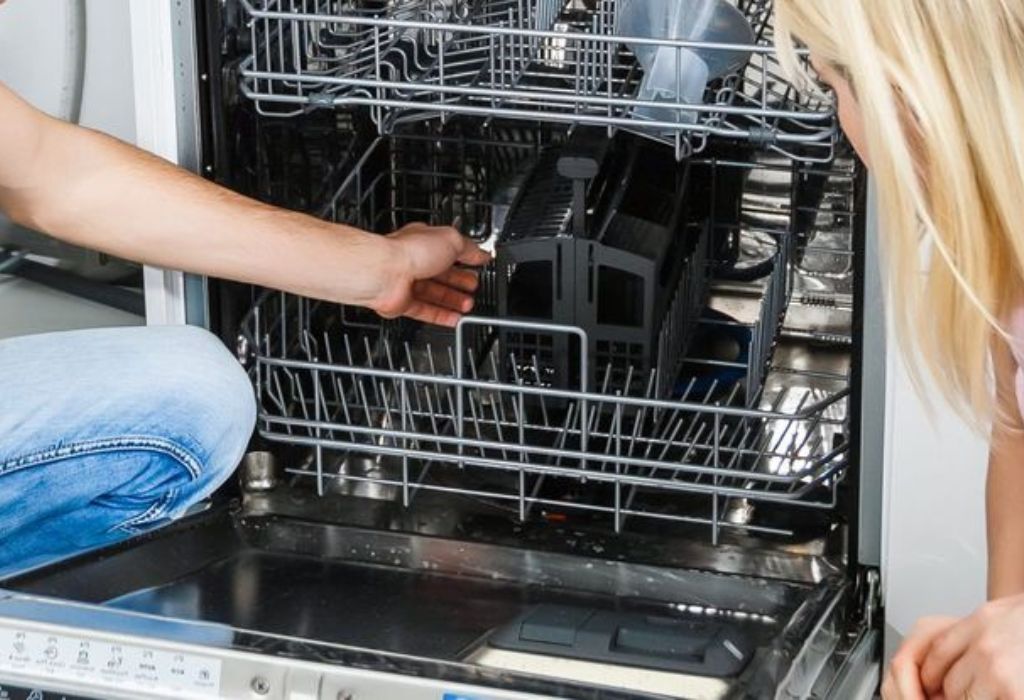
Dishwasher temperature isn’t just about heat—it’s about chemistry, physics, and hygiene working together. When water reaches the correct temperature, it enhances the detergent’s chemical reaction. This allows grease and grime to loosen faster and wash away completely.
Detergent enzymes, designed to activate in warm water, need a specific range to function properly.
If your dishwasher runs too cold, these enzymes can’t break down food particles effectively, leading to dull dishes. On the other hand, when heat is optimized, it guarantees spotless, sanitized outcomes.
Hot water also plays a vital role in killing germs and bacteria that could cause illness. The Food and Drug Administration suggests temperatures around 150°F (65°C) for effective sanitization. That’s why your dishwasher feels much hotter than your tap—it’s meant to eliminate harmful microorganisms safely.
Temperature also affects drying performance. Hot water converts quickly into steam, which evaporates faster from surfaces, leaving dishes bone dry. This process prevents water spots and streaks, ensuring your tableware always looks sparkling clean.
Incorrect heat levels can cause problems, though. Too low, and dishes stay greasy or foggy. Too high, and materials like plastic may warp. That’s why understanding and maintaining the right balance is key to achieving both hygiene and longevity for your kitchenware.
Heat is truly the unsung hero of dishwashing, it ensures detergent activation, destroys bacteria, and leaves dishes looking and smelling fresh every time.
Average Temperature Ranges in Modern Dishwashers
Most modern dishwashers operate between 120°F and 160°F (49°C to 71°C). This range provides the flexibility to tackle light, normal, and heavy loads effectively. Each stage of the wash cycle uses slightly different heat levels to maximize cleaning efficiency.
During the pre-wash cycle, temperatures are typically lower, around 100°F to 120°F, to rinse away loose debris. Once the main wash starts, heating elements raise the water to 130°F or higher for deep cleaning. This helps dissolve detergent granules completely.
In the rinse phase, dishwashers use the hottest water—usually around 150°F to 160°F. This final burst of heat sanitizes surfaces and accelerates drying by turning water droplets into steam. It’s why dishes emerge warm and spotless.
Premium models often include sensors that monitor and adjust water temperature automatically. These sensors detect how dirty the dishes are and regulate heating for the best results. It’s an energy-smart way to ensure consistent performance every time.
Older dishwashers, or those connected to cool water supplies, may rely more heavily on internal heating elements. This can slightly increase energy use, but it guarantees that sanitization standards are met no matter the incoming water temperature.
How hot does a dishwasher get during the sanitize cycle?
It reaches about 150°F to 160°F, enough to kill 99.9% of common bacteria.
Is 120°F hot enough for proper dishwashing?
It’s the minimum needed for cleaning, but higher temperatures improve sanitization and drying.
Can dishwashers heat their own water?
Yes, most have built-in heating elements that raise water temperature automatically.
Does hotter water clean better in dishwashers?
Absolutely. Hotter water helps dissolve grease, soften residue, and activate detergent enzymes.
Can plastic melt inside a dishwasher?
Yes, thin or non-dishwasher-safe plastics may warp if exposed to very high heat cycles.
How Different Cycles Affect Temperature Levels
Every dishwasher cycle is designed with a specific heat level suited for the type of cleaning it performs. The normal cycle usually runs between 130°F and 140°F, balancing energy use and cleaning power. It’s ideal for daily loads of dishes that aren’t heavily soiled.
The heavy-duty cycle, on the other hand, uses higher temperatures—often up to 150°F—to handle pots, pans, and greasy cookware. The extra heat helps dissolve stubborn food particles and baked-on residue that cooler cycles can’t manage efficiently.
If you prefer energy efficiency, the eco cycle or energy-saving mode operates at around 115°F to 125°F. It saves electricity and water by lowering heat but extends the washing time to compensate for the reduced temperature.
For faster cleaning, the quick wash cycle uses moderately hot water, typically around 120°F, paired with powerful jets. It’s convenient for lightly soiled dishes when time is short, but it doesn’t sanitize as effectively as hotter cycles.
The sanitize cycle is the most intense, heating water up to 155°F or more. This kills nearly all bacteria and provides hospital-level sterilization for dishes, baby bottles, or cutting boards. Not every dishwasher includes this feature, but it’s highly effective when hygiene matters.
Knowing how each setting works allows you to choose cycles based on your needs. Selecting the correct one helps protect delicate items, saves energy, and ensures proper cleanliness without overusing heat.
Cycle selection also influences appliance wear. Running a sanitize cycle every time can shorten the lifespan of plastic racks and seals. It’s best reserved for periodic deep cleaning rather than daily use.
Understanding these heat variations ensures you get the best cleaning performance while maintaining your dishwasher’s long-term efficiency.
Internal Heating Mechanism of Dishwashers
A dishwasher’s heating system is the engine behind its hot-water magic. Most models contain a metal heating element at the bottom, which raises the temperature of incoming water during each phase of the wash. Some advanced designs also use flow-through heaters that warm water as it circulates.
When you start a cycle, the dishwasher fills with water from your home’s supply. A built-in thermostat measures its temperature and signals the heating element to increase it to the target range.
Once the water reaches the desired level, the spray arms release it with strong pressure to clean every dish surface.
During the rinse cycle, the same heating mechanism boosts water to higher temperatures for sanitization and faster drying. Afterward, the residual heat left in the walls and dishes helps moisture evaporate naturally.
Modern dishwashers often include temperature sensors that continuously monitor conditions inside the tub. If the water is too cool, the sensor triggers extra heating time. This ensures consistent cleaning even if your home’s water heater isn’t set high enough.
In addition, some energy-efficient models now use heat exchangers that recycle warmth from previous cycles to preheat the next batch of water. This helps lower energy bills while maintaining high performance.
The balance between precision heating and smart sensing allows dishwashers to clean effectively without wasting energy. Keeping the heating element clean and free from mineral buildup ensures your appliance can reach these temperatures consistently.
Factors That Influence Dishwasher Temperature
Several external and internal factors determine how hot your dishwasher can get during a cycle. The first is your home’s water heater setting.
If your water heater is set below 120°F, the dishwasher must work harder and longer to raise the temperature, increasing power consumption.
Inlet water temperature plays another key role. When hot water enters at a higher baseline, the internal heater spends less time boosting it to the desired level. This shortens cycle duration and improves energy efficiency.
Dishwasher model and age also matter. Newer units are equipped with advanced thermostats and sensors, while older ones rely on basic heating elements that may lose efficiency over time. Regular maintenance helps older machines maintain optimal heat output.
The load type and placement of dishes can also influence temperature distribution. Overcrowding the racks may block hot water circulation, preventing even cleaning. Leaving enough space between dishes ensures heat and detergent reach every surface.
Cycle choice directly affects the final heat level. Heavy-duty or sanitize settings always reach higher temperatures than quick or eco modes. Choosing the right one based on soil level ensures efficiency and cleanliness.
Finally, water hardness can slightly alter heat efficiency. Hard water leads to mineral buildup on the heating element, reducing its ability to reach peak temperatures. Using a dishwasher cleaner or softener helps prevent this issue.
Does water heater temperature affect dishwasher performance?
Yes, lower water heater settings can make cycles longer and less efficient.
What happens if my dishwasher doesn’t heat properly?
It may need maintenance or a new heating element if water stays cold.
Can hard water lower dishwasher temperature?
Indirectly, yes—mineral buildup on heating parts reduces heat transfer efficiency.
Does running hot water before starting the dishwasher help?
Yes, it preheats the inlet water, letting the dishwasher reach target temperature faster.
Can power fluctuations affect heating performance?
Occasionally. Voltage issues can delay heating or disrupt the thermostat reading.
How Temperature Affects Detergent Performance
Detergent is engineered to activate within a specific temperature window that unlocks its enzymes and surfactants. When the water is warm enough, enzymes break down proteins and starches efficiently. Surfactants then lift loosened soils so the spray can rinse them away.
If the water runs too cool, detergent granules may not dissolve completely. Partially dissolved detergent can leave film on glasses and plates. You may also see residue in the dispenser after the cycle.
Enzyme based detergents typically perform best from about 120°F to 140°F. Within this range, food soils soften quickly and separate from surfaces. The result is clearer glassware and fewer rewashes.
Heat also lowers water surface tension which improves wetting. Better wetting means detergent can penetrate dried sauces and oils faster. This saves time while boosting overall cleaning efficiency.
Rinse aid benefits from higher temperatures because hot water evaporates more quickly. Faster evaporation reduces spotting and streaks during the dry phase. That is why hotter final rinses often produce a brighter shine.
Too much heat can reduce the effectiveness of some detergent components over time. Prolonged exposure above recommended ranges may degrade certain enzymes. Balance is important for both chemistry and material safety.
Water hardness interacts with temperature in subtle ways. Hard water can tie up detergent molecules and limit cleaning even at proper heat. A softener or detergent with built in softening agents can offset this issue.
Correct loading supports temperature driven chemistry by keeping spray paths open. Space items so hot water can circulate freely around every surface. Good circulation helps fully activated detergent reach every corner.
Do enzymes in detergent need hot water to work well
Enzymes need warm water to activate, and they typically work best between 120°F and 140°F.
Why does detergent sometimes stay in the cup after a cycle
Water may be too cool to dissolve it fully, or blocked spray arms can prevent proper flushing.
Will hotter water always clean better with the same detergent
Up to a point it helps, but excessive heat can diminish enzyme activity and risk material damage.
Does liquid detergent perform better than powder in cooler water
Liquid dissolves faster in cool conditions, though overall results still improve with proper heat.
Should I change detergent if I always run eco cycles
Choose a detergent formulated for lower temperatures so enzymes activate effectively in eco modes.
How Hot Is Too Hot for Your Dishwasher and Dishes
Every dishwasher needs heat, but there is a safe limit to how much it can handle. Temperatures beyond 165°F may begin to harm delicate items or even parts of the machine itself. While higher heat kills more bacteria, it can also warp plastic and fade printed designs on dishes.
Dishwashers are engineered with thermostats that regulate internal heat to prevent overheating. However, if the thermostat malfunctions, water can reach unsafe levels. This may cause dishes to feel sticky, emit a burnt smell, or show cracks and discoloration.
Not all materials respond equally to high temperatures. Stainless steel and ceramic tolerate intense heat well, but plastic and melamine are far more vulnerable. Even dishwasher-safe plastics can deform if placed on the bottom rack near the heating element.
Glassware, too, may suffer from sudden temperature changes. Rapid heating and cooling can create microfractures that weaken the structure. That’s why most manufacturers recommend top-rack placement for glass items and plastic utensils.
Using excessively hot water also increases energy consumption unnecessarily. The sanitize cycle should be used sparingly, mainly for baby bottles, cutting boards, or after cooking raw meat. For everyday loads, moderate heat ensures both safety and efficiency.
Routine inspection of the heating element helps prevent overheating issues. If you notice excessive steam or melted utensils, consider checking the thermostat or switching to shorter cycles. Small adjustments can protect your dishes and extend the appliance’s life.
Can dishes crack if the dishwasher water is too hot?
Yes, especially with glass or ceramic exposed to extreme heat differences between cycles.
Is hotter always better for cleaning?
Not necessarily. Beyond 160°F, most detergents don’t gain additional cleaning power but consume more energy.
Can overheating damage the dishwasher itself?
Prolonged overheating can weaken plastic racks and door seals, reducing performance over time.
Should plastics go only on the top rack?
Yes, because it stays cooler than the bottom rack where the heating element sits.
What’s the safest temperature range for general use?
Between 130°F and 150°F provides excellent cleaning while keeping dishes safe from heat damage.
Safety and Energy Considerations

Heat not only affects cleaning but also determines your dishwasher’s overall safety and energy footprint. Managing temperature properly can prevent scalding, protect materials, and reduce electricity use significantly.
Every 10°F increase above 120°F can raise energy consumption by roughly 5%. Using the sanitize setting every day might deliver spotless dishes, but it adds unnecessary wear and a higher power bill. Eco-friendly cycles balance both hygiene and cost efficiency.
Energy Star certified dishwashers optimize temperature automatically. They use sensors to detect soil level and adjust heat to just enough for cleanliness without waste. This smart regulation ensures that energy isn’t spent where it’s not needed.
Safety also depends on water heater settings in your home. If the inlet water temperature exceeds 150°F, your dishwasher might skip internal heating altogether, risking inconsistent results or potential scalding when opened mid-cycle.
For homes with children, using a lower water heater setting of around 120°F is recommended. It reduces burn risk and still allows the dishwasher’s internal heater to perform effectively.
Using rinse aids and air-dry modes can replace the need for excessive heat during drying. This small adjustment saves both energy and the lifespan of sensitive dishware. A well-calibrated balance between cleaning and conservation leads to safer and greener dishwashing.
Maintenance Tips for Consistent Heat Performance
Consistent heat performance is essential to keep your dishwasher cleaning efficiently. Over time, mineral buildup, worn-out parts, or clogged filters can reduce heating accuracy. Simple maintenance habits help restore the ideal temperature range and protect your investment.
Start by inspecting the heating element at the bottom of the dishwasher. If you see white mineral deposits or discoloration, it may be coated with limescale. A monthly cleaning cycle using vinegar or a commercial descaler can remove buildup and improve heat transfer efficiency.
Next, check the temperature sensor or thermostat if cycles feel cooler than usual. A faulty sensor can prevent the heater from activating properly. Most modern dishwashers display an error code when the sensor fails, but if not, a technician can test it with a multimeter.
Clean the spray arms and filters regularly to maintain good water circulation. Blocked spray arms reduce the amount of hot water reaching dishes, leading to uneven cleaning. Rinse filters under warm water weekly to keep them free of grease and residue.
Avoid overloading your dishwasher, as crowded racks can block hot water flow. Proper spacing ensures that each dish gets equal exposure to heat and detergent. Overloading not only affects temperature distribution but also strains the heating system.
Check your water heater setting every few months. If it’s below 120°F, increase it slightly to help your dishwasher reach ideal wash temperatures faster. Conversely, if your dishes come out too hot or damaged, lower the setting to 125°F for safer operation.
Run a hot maintenance cycle once a month with no dishes inside. Add a cup of vinegar to the top rack and run the hottest setting. This dissolves residue, deodorizes the tub, and keeps the internal heater functioning smoothly.
Finally, inspect door seals and the inner tub for signs of steam leakage or condensation buildup. If you notice moisture escaping from the door edges, the rubber gasket may need replacement. Proper sealing keeps heat inside, allowing consistent sanitization and drying performance.
Maintaining these small routines ensures your dishwasher continues reaching the optimal temperature for spotless, hygienic results every time. A little care prevents big repair costs and keeps your kitchen running efficiently for years.
Conclusion
Dishwasher heat is more than just a burst of steam—it’s the science behind perfectly clean dishes. Understanding how temperature affects every stage, from detergent activation to final drying, gives you control over performance and efficiency.
Modern dishwashers are designed to operate within safe temperature limits that balance sanitization, energy use, and material protection. Knowing when to use sanitize cycles and when to stick to eco modes can save energy and extend your appliance’s lifespan.
Regular maintenance, such as descaling and checking sensors, ensures consistent water heating. With the right care, your dishwasher won’t just clean better—it will last longer and run smarter.
The next time you hear the hum of your dishwasher and see that cloud of steam escape, you’ll know it’s working at just the right temperature—hot enough to clean, but smart enough to protect everything inside.

I’m Emma J. Caldwell, the founder, lead writer, and home-cooking enthusiast behind KitchenGuideCo.com. With a background in culinary arts and over a decade of cooking experience in both professional and personal kitchens, I created this platform to demystify recipes, offer smart kitchen gadget reviews, and guide readers through meal prep with confidence and clarity.