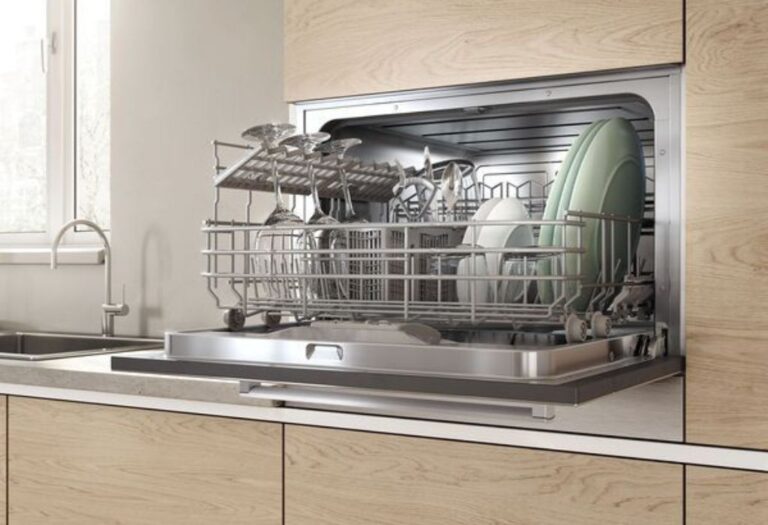
Steam fills the kitchen air as the dishwasher door opens. Warm light reflects off freshly cleaned plates, and a soft hiss fades away.
Most people never think about how hot the water inside a dishwasher gets, but that temperature determines whether dishes come out spotless or streaked with residue.
Imagine finishing a family dinner with greasy pans and sticky utensils piled high. You load them, add detergent, press “Start,” and walk away.
Inside the closed door, scalding water swirls through detergent, breaking down grease and killing bacteria. The real secret behind that sparkle isn’t just soap—it’s the perfect heat balance.
Modern dishwashers rely on specific water temperatures to activate detergent enzymes, melt fats, and sanitize surfaces. Too cold, and the cycle wastes energy without cleaning properly. Too hot, and glassware might etch or plastic containers may warp.
In this article, you’ll discover how hot dishwasher water really gets, how the heat is generated, and what happens when it’s not enough. You’ll also learn easy ways to check and adjust your dishwasher’s temperature to ensure consistent, safe, and efficient cleaning results.
How Dishwashers Use Hot Water to Clean Effectively
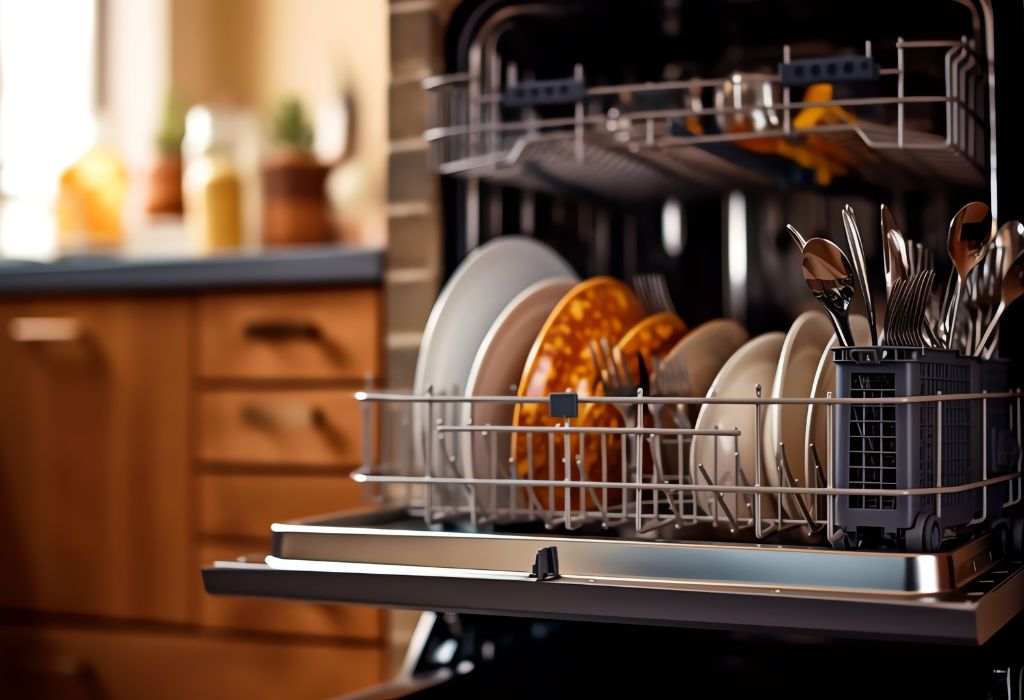
The heart of any dishwasher’s cleaning power lies in its heat. Hot water doesn’t just rinse dishes—it triggers a chemical and mechanical process that works together for deep cleaning.
When detergent meets hot water, it dissolves more easily. Enzymes inside the detergent become active at higher temperatures, breaking down food particles, oils, and proteins. This reaction allows the water jets to lift away residue that cold water could never remove.
Hot water also improves mechanical action. Steam and heat loosen baked-on grime and soften grease. This helps water jets reach hidden corners of dishes, glasses, and utensils.
Another key factor is surface tension. At higher temperatures, water becomes thinner and spreads more evenly, allowing it to penetrate every crevice. That’s why your dishes look clearer and shinier after a properly heated cycle.
Lastly, hot water assists drying. After the rinse phase, residual heat causes moisture to evaporate quickly, leaving dishes spotless without towel drying. The right temperature, therefore, supports every phase—wash, rinse, and dry.
Typical Dishwasher Water Temperature Range
Most dishwashers operate between 120°F and 150°F (49°C–66°C) depending on the cycle. This range provides enough heat to dissolve detergent and sanitize without damaging materials.
In a normal wash cycle, the water typically reaches around 130°F. For heavier loads, such as pots and pans, the heavy-duty or sanitize mode can go as high as 150°F. Some modern dishwashers even reach 160°F during a final rinse to ensure complete bacterial elimination.
If your dishwasher connects directly to a hot-water line, the temperature may depend on your home’s water heater setting. Many manufacturers recommend a minimum incoming water temperature of 120°F for optimal cleaning.
However, even when the supply water is cooler, built-in heating elements inside the dishwasher raise it to the proper level. That’s why modern units can perform consistently, regardless of the home’s plumbing temperature.
Understanding this range helps you troubleshoot issues. If dishes come out greasy or cloudy, low temperature could be the culprit.
How Dishwashers Heat Water – Internal vs External Source
Not all dishwashers rely solely on household hot water. Many models have their own internal heating systems designed to boost temperature precisely when needed.
When you start a wash cycle, the machine fills with water from the home supply, usually around 100–120°F. A heating element—a coil or flat metal strip at the base—then raises the temperature to meet the selected program.
Some high-end dishwashers use flow-through heaters, which heat water as it circulates through a stainless-steel chamber. This allows faster heating with improved efficiency.
In contrast, older or budget models may depend mostly on your home’s hot-water line. If your water heater is set too low, these machines might struggle to reach sanitizing temperatures.
Energy-efficient dishwashers balance the two systems. They start with moderately warm supply water, then use internal heaters to boost only when necessary, saving both electricity and water.
Knowing whether your dishwasher has an internal heater helps you diagnose performance problems—especially if your dishes aren’t drying properly or the sanitize light doesn’t activate.
Why Hotter Isn’t Always Better
It might seem logical to assume hotter water means cleaner dishes, but that’s not always true.
Excessively hot water can damage delicate items. Glassware may develop fine cracks, known as etching, and plastic containers can warp or melt. Even decorative patterns on dishes may fade over time under high heat.
Beyond damage, extreme temperatures also waste energy. Running water above 150°F can increase electricity or gas bills without improving cleaning results.
Another hidden downside is detergent breakdown. Most dishwasher detergents are formulated for specific temperature ranges. Water that’s too hot can deactivate enzymes before they finish cleaning.
Optimal dishwasher performance depends on balance. Around 130°F–140°F is hot enough to dissolve grease and kill bacteria while keeping your dishes safe.
Manufacturers calibrate cycles carefully for this reason. By trusting the built-in settings rather than cranking up your home water heater, you’ll extend both your dishes’ life and your dishwasher’s efficiency.
What Temperature Kills Bacteria and Germs
One of the key roles of a dishwasher’s heat is sanitization. High temperatures destroy harmful bacteria and ensure hygienic results.
According to the NSF/ANSI Standard 184, a certified dishwasher must reach at least 150°F during the final rinse to achieve proper sanitization. At this temperature, over 99.99% of common bacteria and germs are eliminated.
Many dishwashers offer a sanitize cycle, which holds water at that level for several minutes. This extended exposure ensures bacteria, mold, and viruses are effectively removed from utensils and surfaces.
For households with babies, elderly members, or immune-compromised individuals, running this sanitize option is especially beneficial.
While regular cycles also clean effectively, sanitize mode gives extra assurance when hygiene matters most. It’s one of the few ways to truly “sterilize” dishes at home without boiling them manually.
How to Check Your Dishwasher’s Water Temperature
You can easily test your dishwasher’s temperature without special tools.
The simplest method is to run hot water at your kitchen sink for one minute, then use a thermometer to check its temperature. This shows how hot the water supply is before entering the dishwasher.
If the reading is below 120°F, increase your home water heater slightly to meet the dishwasher’s requirements.
To check internal heat, start a normal wash cycle and wait ten minutes. Then pause it, open the door carefully, and measure the water inside with a digital thermometer. Be cautious—it will be hot.
Some advanced models include diagnostic or service modes that display internal temperatures digitally. You can check your user manual to access these features.
Regularly monitoring temperature helps maintain performance and ensures your dishes are both clean and hygienic.
What Happens If Dishwasher Water Is Not Hot Enough
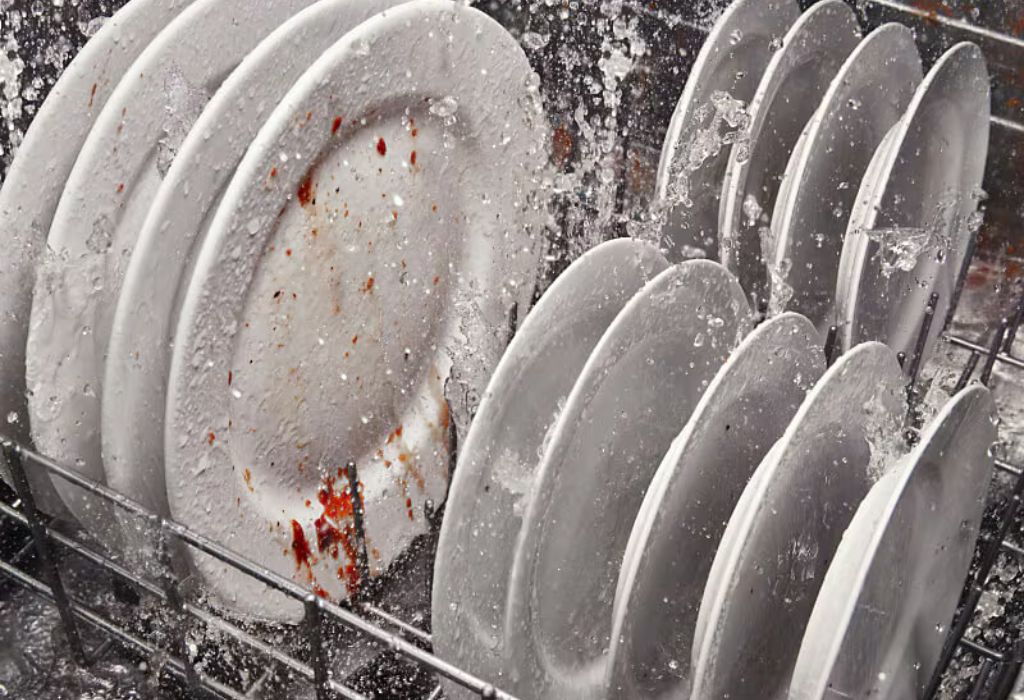
When water fails to reach proper temperature, cleaning performance drops sharply.
You may notice greasy residue or a cloudy film on glassware. Detergent tablets might not dissolve fully, leaving white powder at the bottom. These are common signs of insufficient heat.
Cooler water also struggles to remove tough stains, especially from oily or baked-on food. Bacteria may survive the wash, and drying efficiency decreases since steam can’t form properly.
The causes vary—low home water heater settings, faulty heating elements, clogged filters, or long plumbing runs that cool water before it enters.
Running a preheat cycle by letting your sink’s hot water run before starting the dishwasher can help. If problems persist, inspect the heating element or call a technician to test it.
Maintaining consistent temperature keeps every cleaning cycle reliable and effective.
How to Fix Temperature-Related Issues
If your dishwasher isn’t getting hot enough, a few targeted steps can help restore proper function.
First, check your home water heater. Most experts recommend setting it to 120°F–125°F for optimal dishwasher performance. Anything below that can cause weak cleaning, while higher may risk scalding.
Next, inspect the heating element at the bottom of your dishwasher. If it appears burnt or coated in limescale, clean it gently or replace it. A damaged element cannot raise water temperature effectively.
Also, clean the filter and spray arms. Clogged filters restrict water flow, preventing even heat distribution.
If your dishwasher uses a thermostat or thermistor, ensure it’s functioning correctly. Faulty sensors can misread temperature and stop the heater prematurely.
For older units, consider running hot-water pre-rinse before starting a cycle. This ensures hot water reaches the tub immediately.
When in doubt, consult a professional technician for electrical testing. A quick service check can restore efficiency and save long-term repair costs.
How Water Temperature Affects Detergent Performance
Dishwasher detergents are specially formulated to react with heat. Inside every detergent tablet or powder, there are enzymes that break down proteins, starches, and fats. However, these enzymes only activate properly within a specific heat range, usually between 120°F and 145°F.
If the water is too cool, these enzymes remain inactive, leading to poor cleaning and leftover residue. On the other hand, excessively hot water can deactivate them too quickly, stopping the cleaning process halfway.
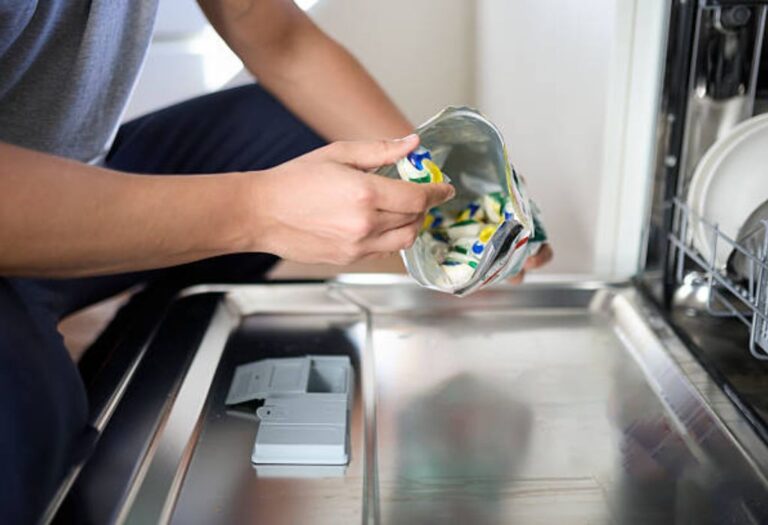
Hot water also ensures detergent dissolves evenly. Undissolved detergent can cause streaks on glassware and leave chalky spots. Maintaining the right water temperature allows every ingredient—enzymes, surfactants, and oxygen-based cleaners—to perform at their peak.
That’s why checking both your water heater setting and dishwasher heating function is essential. Together, they ensure detergents deliver spotless, streak-free results every time.
Does Dishwasher Water Temperature Affect Drying Performance
Yes, it does—significantly. Drying is the final but often underestimated part of a dishwasher cycle. When water is hot during the rinse phase, it leaves dishes warm enough for moisture to evaporate quickly once the door opens.
In contrast, cooler water leaves dishes wet and streaked. Even if your dishwasher has a drying fan, it will struggle when the final rinse is too cold.
Most modern dishwashers use condensation drying, where the hot rinse water heats dish surfaces and air inside the tub. The moisture then condenses on the cooler stainless-steel walls and drains away.
If the water temperature doesn’t reach at least 150°F during the rinse, this process becomes inefficient. Adjusting the home water heater or selecting a “High Temp” or “Sanitize” mode can solve the issue, helping your dishes dry faster and shine brighter.
Signs Your Dishwasher Isn’t Reaching Proper Temperature
A dishwasher that’s running too cold often gives itself away through visible signs.
If your dishes come out greasy, gritty, or cloudy, it’s a strong indicator that water temperature is insufficient. Soap residue, undissolved detergent, or white streaks on glassware also signal poor heat performance.
You might notice the sanitize light not turning on or cycles taking unusually long to finish. These are clues that the heater is struggling to maintain the right temperature.
A quick way to confirm is to touch the inside of the door right after a wash—it should feel almost too hot to touch comfortably. If it’s only warm, your dishwasher may need maintenance.
Checking these signs early prevents long-term buildup, odor, and bacterial growth inside the machine. Ensuring proper heat not only improves cleanliness but also extends the lifespan of the dishwasher itself.
Eco-Friendly Tips to Maintain Heat Efficiency
Saving energy while keeping cleaning power high is easier than most people think.
Run your dishwasher during off-peak hours, typically late at night, when energy demand is lower. Many utility companies charge less during these times.
Always run full loads to maximize each cycle’s energy efficiency. A half-empty dishwasher wastes hot water and power.
Scrape food residue instead of pre-rinsing under running water. Modern detergents work best with a bit of residue because enzymes attach to organic particles.
Use eco or energy-saving modes when possible. These cycles use slightly lower temperatures but longer wash times for similar results.
Regularly descale and clean your dishwasher to remove mineral buildup, which reduces heating efficiency.
Lastly, consider investing in Energy Star-rated dishwashers, which are designed to heat water efficiently and use up to 30% less energy than conventional models.
Heat, Hygiene, and Cleaning – Your Top Questions Answered
How hot is too hot for dishwasher water?
Anything above 160°F is excessive for most dishwashers. It can damage dishes and stress components without improving cleaning results.
Do all dishwashers heat their own water?
Most modern dishwashers have built-in heating elements, but older models may depend solely on home hot-water systems.
Why does my dishwasher take so long to heat?
If your incoming water is cold, the heater works longer to reach temperature. Mineral buildup or sensor issues can also slow heating.
Can low water temperature damage my dishwasher?
Yes. Cold water prevents detergent from dissolving fully, causing buildup that clogs spray arms and filters over time.
Should I increase my water heater setting for better results?
Slightly, yes—120°F to 125°F is ideal. Anything higher can increase energy use or risk burns at the tap.
How hot does a sanitize cycle get in a dishwasher?
It typically reaches around 150°F to 160°F, maintaining that temperature for several minutes to kill bacteria effectively.
Can I adjust my dishwasher’s water temperature manually?
Most dishwashers regulate heat automatically, but you can improve results by setting your home water heater between 120°F–125°F.
Does cold water damage my dishwasher?
While it won’t break it, cold water reduces cleaning efficiency, causes buildup, and may leave odors or residue over time.
Is 120°F hot enough to clean dishes properly?
Yes, 120°F is usually sufficient for general cleaning. For sanitization, cycles may need to exceed 140°F.
Why do my glasses have white spots even with hot water?
Hard water minerals can leave deposits. Use rinse aid and keep temperatures consistent to prevent spotting.
Conclusion
Heat is the silent force behind every sparkling dish, every sanitized utensil, and every clear glass that comes out of your dishwasher. It powers each phase, loosening grime, dissolving detergent, killing bacteria, and speeding up drying.
Without proper temperature, even the most advanced dishwasher or expensive detergent cannot perform its magic.
Ideal dishwasher performance lies within a narrow but powerful range: 120°F to 150°F. At this level, detergents activate fully, enzymes work efficiently, and harmful bacteria are eliminated.
Anything less results in streaky dishes and wasted cycles, while anything higher risks damage and energy waste.
Maintaining this balance isn’t difficult. A properly set home water heater, a functioning internal heating element, and occasional maintenance checks ensure the right heat every time.
Simple steps like running hot water at the sink before starting your dishwasher or choosing the “High Temp” option can make a big difference.
Ultimately, understanding how hot your dishwasher water gets means understanding how well it performs.
When heat, water pressure, and detergent work together in harmony, your dishwasher becomes more than an appliance, it becomes a reliable cleaning system that delivers spotless, hygienic, and energy-efficient results for years to come.

I’m Emma J. Caldwell, the founder, lead writer, and home-cooking enthusiast behind KitchenGuideCo.com. With a background in culinary arts and over a decade of cooking experience in both professional and personal kitchens, I created this platform to demystify recipes, offer smart kitchen gadget reviews, and guide readers through meal prep with confidence and clarity.