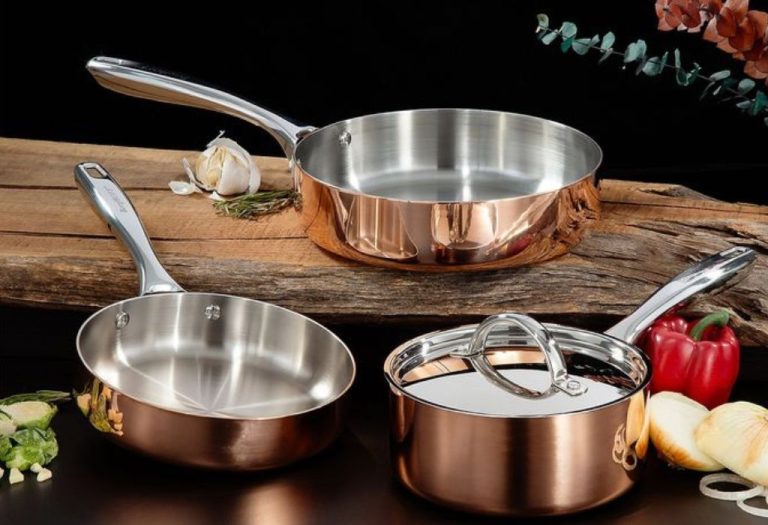
Cooking on stainless steel cookware often starts with excitement.
The shine, durability, and professional feel promise flawless results.
Yet reality sets in the first time eggs weld to the surface or fish breaks apart.
Scrubbing away stuck food turns a quick meal into a cleaning battle.
This frustration is common among home cooks.
A survey by Consumer Reports noted that over 40% of users struggle with food sticking in stainless steel pans (source).
The question arises: why does stainless steel, known for its quality, behave this way?
The answer lies in technique, preparation, and a little science.
When stainless steel is heated correctly and combined with the right oil, the surface transforms.
Food releases naturally, leaving behind golden crusts instead of stubborn residue.
The difference between a sticky mess and a perfect sear often comes down to small details.
Preheating, using high smoke point oils, and avoiding overcrowding are key steps.
Interest in mastering these techniques is growing.
The global stainless steel cookware market is projected to surpass $3.5 billion by 2030, reflecting its popularity in kitchens worldwide (source).
Learning how to keep stainless steel cookware from sticking is not just about convenience.
It is about unlocking consistent results, preserving cookware quality, and making every meal enjoyable.
What Makes Stainless Steel Cookware Stick
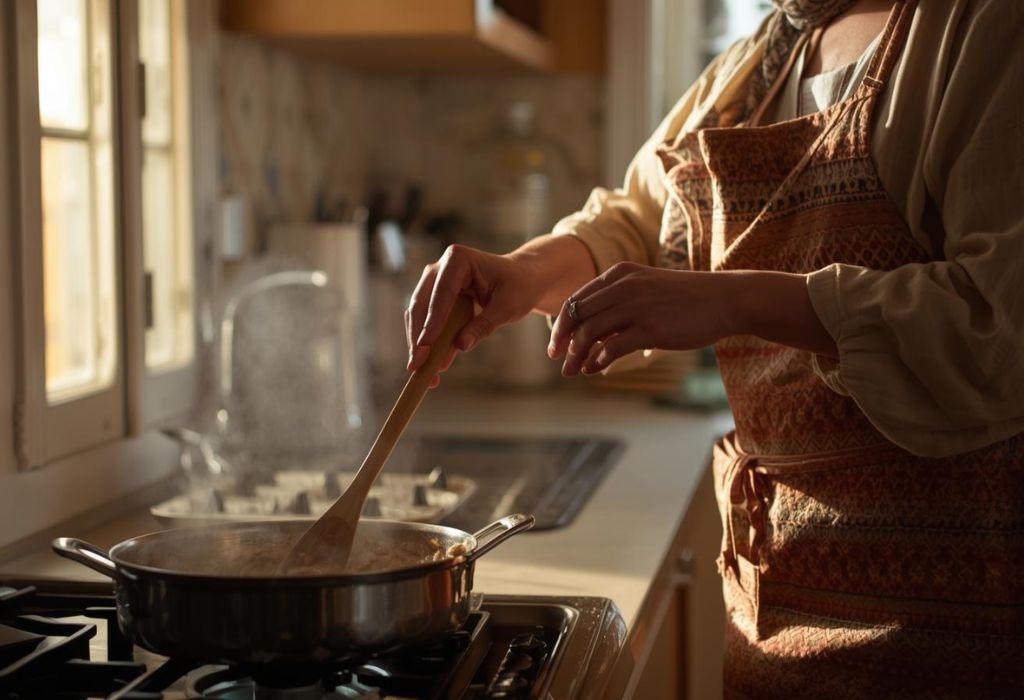
Stainless steel cookware is praised for its strength and versatility.
Yet many cooks face the same problem: food clings to the pan at the worst moment.
The reason lies in the surface structure.
Stainless steel has microscopic pores that expand when heated, allowing proteins and moisture to bond.
Temperature plays a critical role in sticking.
If the pan is too cold, food fuses with the surface before a crust can form.
Excessive heat creates the opposite issue.
Oils break down, carbonize, and leave behind a sticky film that traps food.
Moisture from wet or cold ingredients also matters.
When water hits the hot surface, it lowers the temperature and causes steam pockets that make food grip.
Even cookware design influences sticking.
Tri-ply or multi-ply bases distribute heat evenly, reducing hot spots that encourage adhesion.
Why does food stick even on high-quality stainless steel cookware?
Because proteins bond with the metal when heat and oil balance are not correct.
How does pan temperature affect sticking?
Cold pans cause instant bonding, while overheated pans burn oil and create residue.
Does ingredient moisture increase sticking?
Yes, wet or chilled food lowers the surface temperature and causes steam, making food adhere.
What role does oil play in preventing sticking?
Oil creates a thin barrier between food and steel, but only when applied at the right time.
Do thicker pans reduce sticking problems?
Yes, heavy bases spread heat evenly and prevent hot spots that lead to sticking.
Daily Techniques to Prevent Sticking
Preventing food from clinging starts with daily cooking habits.
Simple adjustments ensure stainless steel cookware performs smoothly.
Preheating is the first step.
A pan that reaches the right temperature before adding oil creates a natural nonstick effect.
Oil should always follow preheating.
Adding it too soon allows the steel to absorb oil unevenly, leaving sticky patches.
The type of oil also matters.
High smoke point oils like avocado, canola, or grapeseed withstand heat without burning.
Food preparation is equally important.
Drying ingredients and allowing them to reach room temperature prevents moisture-induced sticking.
Overcrowding the pan is another common mistake.
Too much food lowers the temperature and traps steam, causing food to cling.
How to know when stainless steel cookware is hot enough?
Use the water droplet test—water should bead and glide across the surface.
When should oil be added to the pan?
Right after preheating, so it spreads evenly and forms a thin protective layer.
Which oils are best to keep stainless steel cookware from sticking?
Choose neutral, high smoke point oils like grapeseed, avocado, or refined canola.
Should food be dried before cooking?
Yes, patting food dry reduces moisture and helps it release naturally.
Why is overcrowding the pan a problem?
It drops the temperature, creating steam pockets that cause sticking.
Seasoning and Pan Preparation
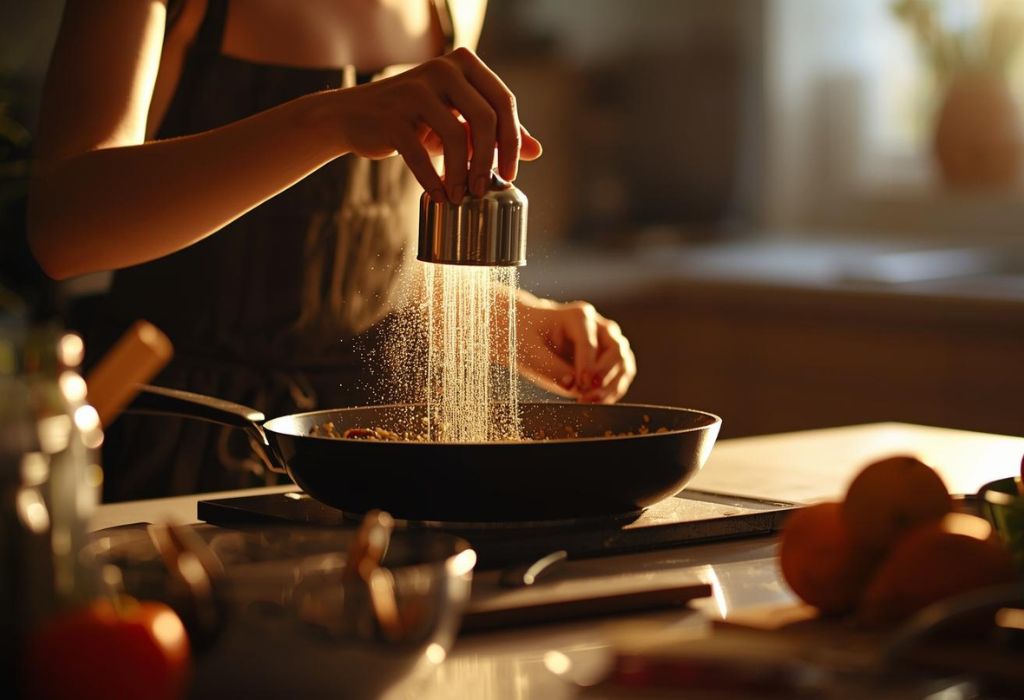
Seasoning stainless steel cookware is not the same as seasoning cast iron.
Instead, it creates a smoother surface that reduces sticking during daily use.
The process involves heating a thin layer of oil until it polymerizes.
This fills microscopic pores in the steel and makes food release more easily.
New pans benefit from initial preparation.
Washing off factory oils and conditioning the surface sets a strong foundation.
Seasoning is not permanent.
It wears down over time and may need refreshing after deep cleaning.
When done correctly, it helps eggs, fish, and other delicate foods cook without clinging.
It also adds a subtle shine that keeps pans looking polished.
Can stainless steel cookware really be seasoned like cast iron?
Yes, though it is lighter and temporary compared to cast iron seasoning.
Is seasoning required before first use?
It is recommended, as it removes factory residue and improves early performance.
How often should stainless steel cookware be seasoned?
Occasionally, especially after scrubbing or deep cleaning the interior.
Does seasoning affect food flavor?
No, when done with neutral oils, seasoning has no impact on taste.
What type of oil is best for seasoning stainless steel cookware?
Neutral, high smoke point oils like grapeseed, avocado, or canola work best.
Choosing Heat Levels and Cooking Practices
Heat control is one of the most important factors in cooking with stainless steel cookware.
The right temperature prevents food from sticking and ensures even browning.
Medium to medium-high heat is ideal for most dishes.
Excessive heat can burn oil, while low heat causes food to bond with the surface.
Matching pan size to the burner also matters.
A burner that is too small creates hot spots, while one that is too large wastes energy.
Once food is added, adjust the heat as needed.
Lowering slightly after searing helps maintain steady cooking without sticking.
Timing also plays a role in release.
Allowing food to cook until a crust forms ensures it naturally lifts from the pan.
What heat level is best for stainless steel cookware?
Medium to medium-high is best, avoiding extremes that cause sticking.
Does the type of stove affect performance?
Yes, induction, gas, and electric all heat differently and may need small adjustments.
Should heat be lowered after adding food?
Yes, reducing slightly after searing prevents burning and sticking.
Why does food sometimes release on its own?
Proteins bond at first but loosen naturally once a golden crust has formed.
Does burner size affect sticking issues?
Yes, mismatched burners create uneven heat, leading to hot spots and food adhesion.
Common Mistakes that Cause Sticking

Even good stainless steel cookware can frustrate cooks when small errors are made.
Most sticking problems come from a few common habits that are easy to fix.
One mistake is adding food before the pan is ready.
Cold surfaces prevent a crust from forming, causing food to bond with the steel.
Using the wrong oil also creates issues.
Low smoke point oils burn quickly and leave sticky residue on the pan.
Another error is moving food too soon.
Proteins need time to sear before they naturally release.
Improper cleaning can also lead to buildup.
Residue left behind makes surfaces uneven and more likely to cause sticking.
Why does food stick when added too early?
Because the pan is not hot enough to create a quick sear and barrier.
Can using olive oil cause sticking?
Yes, extra virgin olive oil burns at lower temperatures and leaves sticky residue.
Why does flipping food too soon make it stick?
Because natural release happens only after proteins finish bonding and crust forms.
Does poor cleaning affect performance?
Yes, leftover grease or burnt film reduces smoothness and traps food.
Is thermal shock a mistake that leads to sticking?
Yes, rinsing hot pans in cold water warps steel and worsens sticking over time.
Cleaning & Maintenance to Keep Surfaces Smooth
Cleaning stainless steel cookware properly is just as important as cooking technique.
Residue and burnt film create rough patches that cause food to cling.
Daily cleaning should be gentle.
Use mild dish soap, warm water, and a non-abrasive sponge after each use.
Deep cleaning is needed when discoloration or sticky film builds up.
Baking soda, vinegar, or Bar Keepers Friend remove stains without harming the steel.
Avoid bleach and harsh abrasives.
They damage the protective surface and make sticking worse over time.
Always dry cookware immediately after washing.
This prevents water spots and keeps the surface smooth for the next use.
What is the best way to clean stainless steel cookware daily?
Handwash with mild soap, warm water, and a soft sponge.
When should deep cleaning be done?
When discoloration, sticky residue, or burnt stains are visible.
Which cleaners are safe for stainless steel cookware?
Baking soda, vinegar, and Bar Keepers Friend are effective and safe.
Can steel wool be used on stainless steel cookware?
No, it scratches the surface and increases future sticking.
Why should pans be dried immediately after washing?
To avoid water spots and keep the surface smooth for cooking.
Utensils, Storage & Other Practical Tips
The right utensils and storage habits play a key role in cookware performance.
Scratches and poor handling make stainless steel cookware more likely to stick.
Always use wood, silicone, or nylon utensils.
They prevent scratches and keep the cooking surface smooth.
Metal utensils may cause micro-scratches.
These tiny grooves trap food particles and increase sticking over time.
Storage also affects durability.
Stacking pans without protection leads to friction and damage.
Pan protectors, towels, or hanging storage keep surfaces safe.
Drying completely before storing prevents rust and water stains.
Which utensils are best for stainless steel cookware?
Wood, silicone, or nylon tools are safest to protect the surface.
Can stainless steel utensils be used occasionally?
Yes, but frequent use may scratch the interior and increase sticking.
How should stainless steel cookware be stored?
Hang pans or stack with cloth or pan protectors to avoid scratches.
Does damp storage cause problems?
Yes, moisture encourages rust spots and mineral deposits.
Why do scratches make food stick more easily?
Scratches create rough spots where food clings and becomes harder to clean.
Troubleshooting Common Sticky Scenarios
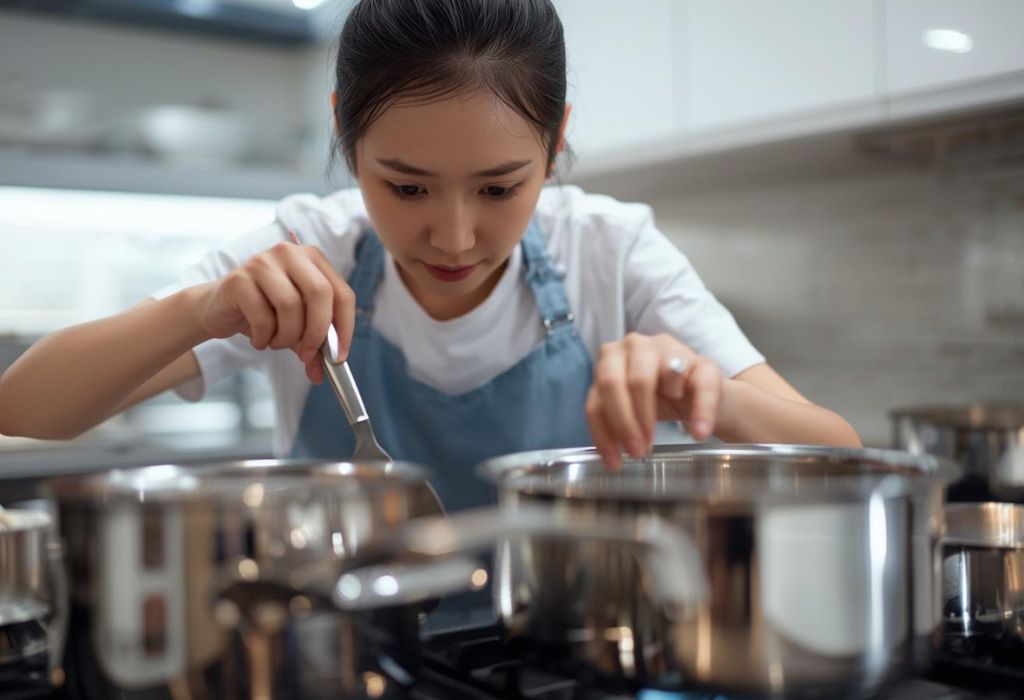
Even with good habits, some foods are more prone to sticking.
Eggs, fish, and sugary sauces are common troublemakers with stainless steel cookware.
Eggs often cling if the pan is too cool.
Preheating and using enough high-smoke point oil helps them release cleanly.
Delicate fish fillets break apart when flipped too soon.
Allowing a proper crust to form ensures they lift naturally.
Sauces with sugar can burn and harden quickly.
Lowering heat and stirring often prevents caramelization from sticking.
Vegetables with high water content also cause problems.
Cooking in smaller batches helps moisture evaporate and prevents steam-related sticking.
Why do eggs always stick to stainless steel cookware?
Because the pan was not hot enough or the oil was insufficient.
How can fish be cooked without sticking or breaking?
Pat the fish dry, preheat the pan, and wait for natural release before flipping.
What is the best fix for burnt sauces?
Lower heat, add liquid to loosen, and clean with baking soda if residue remains.
Why do vegetables sometimes stick and steam?
Overcrowding the pan traps moisture and lowers temperature.
Can deglazing help with stuck food?
Yes, adding broth, wine, or water loosens fond and prevents heavy scrubbing.
When Technique Isn’t Enough – Alternatives & Long-Term Solutions

Sometimes, even perfect technique cannot fully prevent sticking.
In these cases, choosing the right cookware or upgrades makes a lasting difference.
Hybrid stainless steel pans with nonstick coatings offer a middle ground.
They reduce sticking while still keeping the durability of steel.
High-quality tri-ply or multi-ply pans also perform better.
They distribute heat evenly, preventing hot spots that cause food to cling.
Professional polishing can restore older cookware.
Removing scratches and stains helps create a smoother surface.
If pans are warped, deeply pitted, or heavily scratched, replacement may be the best option.
No amount of oil or heat control can overcome structural damage.
Are nonstick or hybrid stainless steel pans better for sticking issues?
Yes, they offer easier release but require careful cleaning and maintenance.
Does higher quality stainless steel reduce sticking problems?
Yes, better construction improves heat distribution and cooking results.
Can polishing stainless steel cookware help with sticking?
Yes, periodic polishing smooths the surface and reduces adhesion.
Is seasoning a long-term solution?
It helps, but it must be refreshed occasionally and is not permanent.
When should stainless steel cookware be replaced?
When warping, pitting, or delamination make it unsafe or ineffective.
Conclusion
Stainless steel cookware rewards good habits with long-lasting performance.
Mastering small techniques makes the difference between frustration and success.
Consistent preheating, choosing the right oil, and avoiding overcrowding keep meals from sticking.
Regular cleaning and gentle maintenance ensure the cooking surface stays smooth.
Seasoning, polishing, and proper storage further extend durability.
When needed, upgrading to higher quality pans or hybrids provides long-term solutions.
Learning how to keep stainless steel cookware from sticking is about patience and precision.
With these methods, every meal becomes easier, cleaner, and more enjoyable.

I’m Emma J. Caldwell, the founder, lead writer, and home-cooking enthusiast behind KitchenGuideCo.com. With a background in culinary arts and over a decade of cooking experience in both professional and personal kitchens, I created this platform to demystify recipes, offer smart kitchen gadget reviews, and guide readers through meal prep with confidence and clarity.