Every kitchen eventually faces that frustrating moment when a trusted blender begins to stall, rattle, or leave chunks where there should be smoothness. It sparks a question that every home cook or smoothie lover asks at some point: how long do blenders last?
The lifespan of a blender depends on more than just its brand name. Build quality, motor strength, and daily habits all determine whether it lasts a few years or a full decade.
According to appliance experts, most blenders function reliably for five to seven years on average (The Kitchn). Yet, premium models maintained properly can go strong for more than ten.
With millions of households using blenders for smoothies, sauces, and soups every day, the question isn’t trivial. A failing blender can disrupt meal prep, waste ingredients, and even pose safety risks if the blades or seals wear out.
Understanding what affects lifespan helps avoid costly replacements and ensures consistent performance in your kitchen routine.
The curiosity lies in what truly shortens or extends a blender’s life. Is it daily use, hard ingredients like ice, or neglecting maintenance after blending sticky foods? Knowing these answers transforms the way appliances are cared for and extends their usable years significantly.
In this guide, the durability of blenders is explored in depth. From key lifespan factors to expert maintenance techniques, each section reveals how to make your blender last longer, when to replace it, and what to look for in your next durable model.
By the end, you’ll know exactly what separates a short-lived gadget from a long-lasting kitchen powerhouse.
What “Lifespan” Really Means for a Blender
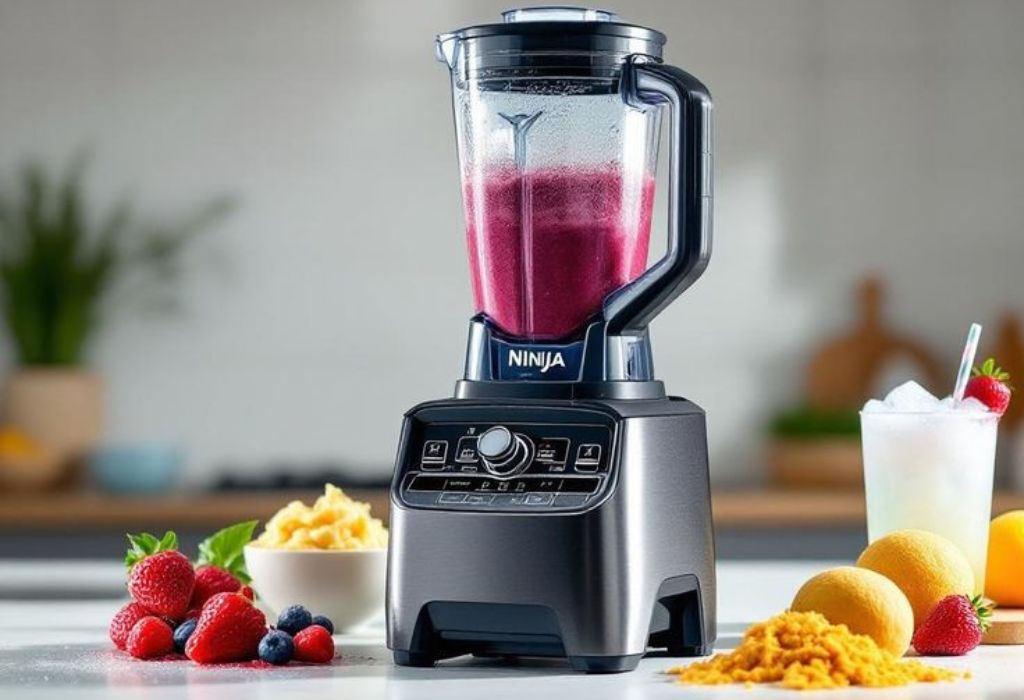
When asking how long do blenders last, it’s important to define what “lifespan” truly means. It’s not just about when the appliance stops spinning but when its performance starts to decline — when smoothies become chunky, blades dull, or the motor starts overheating.
A blender’s lifespan depends on both design and usage. High-quality models with metal drive systems and durable blades can last years longer than cheaper versions built with plastic gears or weaker motors.
According to Airpher Home, build quality can make the difference between a three-year machine and one that lasts over a decade.
Most manufacturers don’t state exact lifespans. Instead, they signal durability through warranties, with top brands like Vitamix offering 7–10 year coverage, reflecting their confidence in long-term performance. Frequent use, ingredient hardness, and maintenance habits all directly affect longevity.
Blender lifespan can be viewed through three components: the motor, which powers the appliance; the blades, which endure daily stress; and the seals and gaskets, which maintain smooth operation. Weak points in any of these reduce total service life.
does lifespan only mean when a blender stops working?
No, it also includes when blending quality and speed begin to decline.
do cheap and premium blenders last equally long?
No, premium models often last twice as long due to stronger motors and better materials.
do manufacturers specify expected life?
Rarely, but warranty length gives a strong clue about durability.
does usage frequency matter?
Yes, blending daily wears down components faster than occasional use.
which parts fail first?
Blades, drive sockets, and rubber seals are the most common points of wear.
Typical Lifespan of Blenders: What the Data Shows
When exploring how long do blenders last, the answer varies by brand, build quality, and care. Industry data and consumer reports show that the average blender remains reliable for five to seven years under normal use. (The Kitchn)
However, premium brands known for stronger motors and metal gear systems often outlast budget models.
According to Roots and Bulbs, high-end units like Vitamix or Blendtec can last 10 to 15 years or even longer with regular maintenance. This difference highlights how quality and care directly affect performance over time.
Frequent use for tough ingredients such as frozen fruit or nuts tends to shorten lifespan. Cheaper plastic couplings and weaker motors wear faster, leading to overheating and lower blending efficiency.
On the other hand, using a blender for soft foods, liquids, or light mixing helps extend its usable years.
User reviews across major platforms also show clear patterns: most inexpensive blenders fail after three years of daily use, while heavy-duty models continue blending smoothly past the ten-year mark.
These insights reveal that proper usage and component quality determine real-world longevity far more than price alone.
what is the average lifespan of a home blender?
Typically between five and seven years, depending on frequency and maintenance.
can a blender last more than 10 years?
Yes, premium brands with metal drives and strong motors can exceed a decade of use.
how short can a cheap blender’s life be?
Low-end blenders often fail within two to three years under daily strain.
does brand choice affect lifespan?
Absolutely. Durable brands with long warranties tend to last significantly longer.
does blending tougher ingredients reduce lifespan?
Yes, hard or frozen items cause more wear on blades and motors, shortening overall life.
Key Factors Affecting How Long Do Blenders Last
Understanding the factors that determine how long do blenders last helps predict performance and prevent early breakdowns.
Every component, from the motor to the jar material, plays a role in determining longevity. Even how a blender is used and maintained daily can add or subtract years from its lifespan.
Build quality is the biggest indicator of durability. Models with metal drive systems, stainless-steel blades, and reinforced jars resist wear far better than those made with plastic gears or thin glass.
According to Roots and Bulbs, the use of high-grade materials directly influences how long a blender continues to perform at its best.
Motor power is another key element. High-wattage motors handle dense ingredients like frozen fruit, ice, and nut butter without strain, while weaker motors overheat or burn out faster. Regular overheating shortens overall lifespan and can permanently damage internal wiring.
Frequency of use also matters. A blender used daily for thick smoothies experiences far more mechanical stress than one used occasionally for soups or sauces. Proper maintenance — such as cleaning promptly, avoiding overloading, and replacing worn seals — can extend the lifespan dramatically.
how does build quality affect blender lifespan?
Stronger materials and metal parts resist wear, vibration, and corrosion, allowing longer performance.
why is motor strength important?
A powerful motor prevents strain, overheating, and early motor failure.
does frequent use reduce blender life?
Yes, daily use causes more mechanical stress, especially during heavy blending tasks.
how much does maintenance influence longevity?
Routine cleaning, drying, and blade inspection can add several years to a blender’s life.
does warranty length reflect durability?
Yes, long warranties (5–10 years) often signal stronger construction and manufacturer confidence.
Maintenance and Usage Tips to Make Your Blender Last Longer
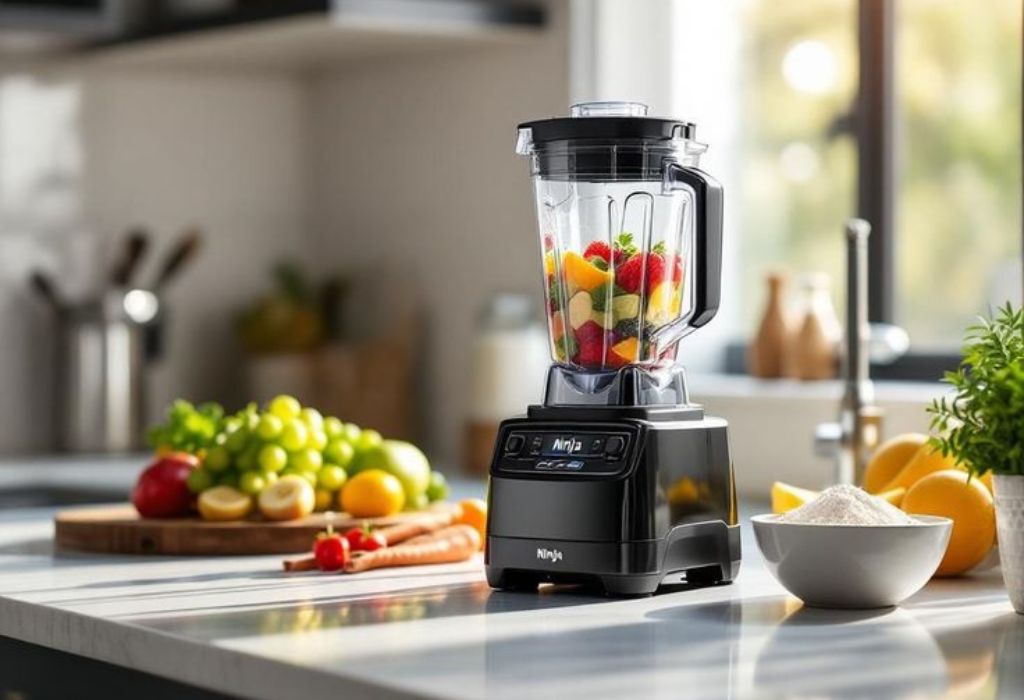
While many factors determine how long do blenders last, smart maintenance and proper use can dramatically extend their lifespan. Even budget-friendly blenders can perform for years when handled correctly, while neglecting a few simple habits can shorten their life within months.
The first rule is proper cleaning. Rinsing immediately after every use prevents food particles from hardening around the blades or gaskets. A deep clean once a week using warm water and mild detergent keeps buildup away and ensures consistent blending power. (Southern Living)
Avoid overloading the jar or forcing it to crush large ice blocks in one go. Overfilling strains the motor and dulls the blades faster. Instead, blend in smaller batches or pulse thick mixtures gradually to reduce stress on internal components.
Correct storage also makes a difference. Keep the base dry, unplug the blender when not in use, and avoid leaving liquid inside the jar overnight. A few seconds of care after every blend can easily add years to your appliance’s working life.
how often should a blender be cleaned?
Rinse after each use and deep-clean weekly if used frequently.
is overloading harmful to the motor?
Yes, it strains the motor and reduces overall durability.
can crushing ice regularly damage the blades?
Yes, especially if the blender isn’t rated for ice or frozen ingredients.
is blending hot liquids risky?
Yes, unless the jar is heat-safe, hot liquids can warp plastic and damage seals.
how can proper storage extend lifespan?
Keeping it dry, unplugged, and free from residue prevents corrosion and electrical issues.
Signs It’s Time to Replace Your Blender
Even the best maintenance can’t keep a blender running forever. Eventually, performance drops, and the question how long do blenders last turns into “is it time for a new one?” Recognizing the warning signs early prevents wasted ingredients and potential motor damage.
One of the first indicators is uneven blending. When smoothies stay chunky despite longer blending time, it usually means the blades have dulled or the motor has weakened.
Strange noises, burning smells, or a shaking base also suggest worn bearings or loose internal components.
Leaks around the blade assembly or cracks in the jar are another red flag. These issues not only affect performance but can also become safety hazards. Even if the motor still runs, damaged seals or jars often cost nearly as much to replace as the blender itself.
Finally, if repair parts are hard to find or the blender frequently overheats, it’s usually more cost-effective to upgrade to a newer, more energy-efficient model. Modern blenders often deliver stronger power, better noise control, and longer warranties than older versions.
what are the most common signs of a dying blender?
Slower blending, leaks, burning smells, or unusual vibrations.
when is repair better than replacement?
If parts are available and the motor is still strong, repair can extend life a few more years.
does warranty coverage matter at this stage?
Yes, if still under warranty, the manufacturer may replace or repair key components at no cost.
can replacing blades revive performance?
Sometimes, yes — fresh blades improve blending, but a weak motor may still limit power.
when should you buy a new blender?
When repairs become frequent, blending quality declines, or replacement parts exceed half the price of a new unit.
Premium vs Budget Blenders: How Longevity Differs
Not all blenders are built the same, and understanding these differences helps explain how long do blenders last across various price ranges. While affordable models can handle everyday tasks, their materials and design often limit durability compared to professional-grade machines.
Budget blenders usually feature lower-wattage motors, plastic gears, and thinner jars. These parts perform well for soft ingredients but tend to wear down quickly when used for frozen fruits, nuts, or thick mixes. Frequent strain leads to overheating, leaks, or dull blades within just a few years of use.
Premium blenders, on the other hand, use reinforced motors, stainless-steel blades, and metal drive systems.
Brands like Vitamix and Blendtec design their machines to withstand daily heavy-duty blending for over a decade. Their longer warranties—often up to 10 years—reflect this higher level of confidence and quality.
For users who blend frequently, the upfront cost of a high-end model usually pays off over time. A durable machine requires fewer repairs, performs better, and delivers consistent texture for years. However, for occasional users, a mid-range blender can offer a good balance between price and longevity.
do budget blenders last as long as premium ones?
No, cheaper models typically last 2–5 years, while premium versions often exceed 10 years.
what makes premium blenders more durable?
High motor power, metal drives, hardened blades, and better internal cooling systems.
is the higher cost worth it?
Yes, long-term reliability and consistent performance reduce replacement expenses.
how to evaluate durability before buying?
Check warranty length, motor wattage, materials, and verified customer reviews.
can mid-tier blenders last long?
Yes, with moderate use and proper care, mid-tier options can last up to seven years.
Future Trends and What to Expect in Blender Durability
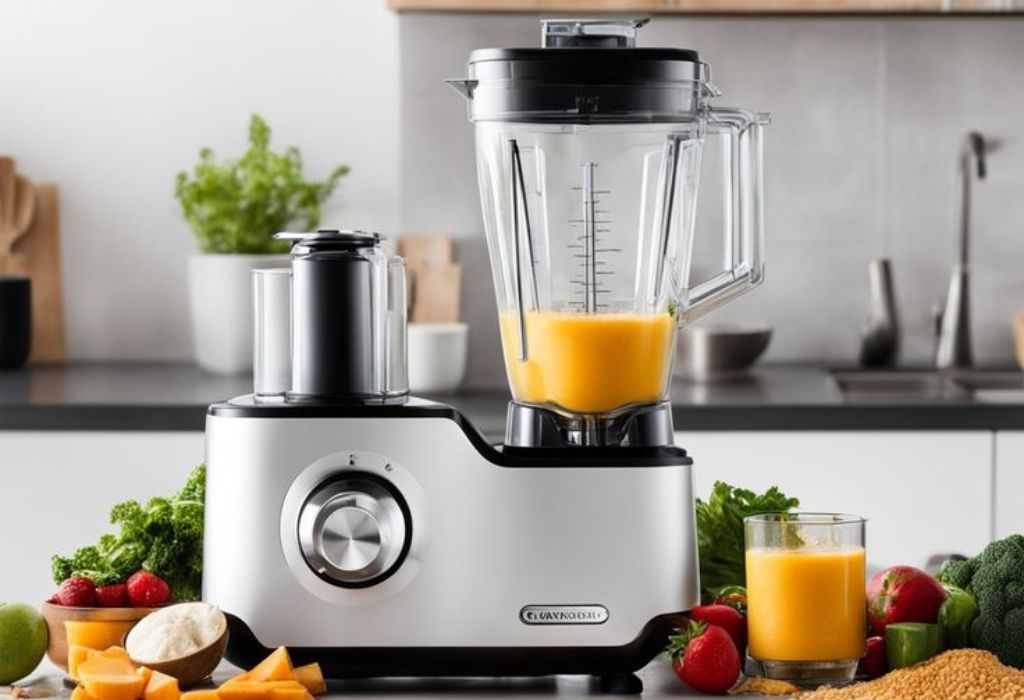
As technology advances, the question how long do blenders last is being reshaped by smarter design, improved materials, and evolving consumer expectations.
Modern kitchen appliances are no longer just about convenience — they’re about longevity, sustainability, and smarter performance.
Many leading brands now prioritize durability as part of their value promise. Companies like Vitamix and Ninja are introducing reinforced metal drive systems, brushless motors, and stronger jar composites to reduce wear over time.
Some even test their machines for tens of thousands of blending cycles before release to ensure long-term reliability.
Smart features are also influencing longevity. Blenders equipped with automatic overload protection, self-cleaning functions, and variable-speed sensors can prevent overheating and mechanical strain — two of the biggest causes of early failure. However, added electronics can sometimes increase repair complexity if damaged.
Sustainability is another major trend. Consumers are demanding repairable products, recyclable parts, and longer warranties. In response, manufacturers are shifting toward modular designs that allow users to replace specific components rather than the entire unit.
are modern blenders more durable than older ones?
Yes, most current models use stronger materials, better seals, and smarter protection systems.
do smart features improve blender lifespan?
Generally yes, but electronic components can increase the need for specialized repairs.
how does sustainability affect blender design?
Manufacturers are adopting replaceable parts and longer warranties to reduce waste.
are warranties getting longer?
Yes, premium brands now offer up to 10 years of coverage as proof of durability.
what should buyers consider for long-term value?
Focus on material strength, motor design, warranty terms, and ease of repair before purchase.
Conclusion
After examining design, maintenance, and brand quality, the answer to how long do blenders last becomes clearer: most standard blenders perform well for five to seven years, while high-end models can run smoothly for a decade or more. Lifespan depends on motor power, materials, and how carefully the blender is used each day.
Small choices—like cleaning after every use, avoiding overload, and blending in smaller batches—add years to an appliance’s life. Investing in a durable model with a strong motor and metal drive system ensures consistent results and fewer breakdowns.
Eventually, even the most reliable blender will show signs of wear. Recognizing when blades dull, motors overheat, or seals leak helps decide when it’s time for an upgrade. Choosing a durable replacement not only improves performance but also saves money long-term.
In the end, understanding how long blenders last is about prevention, not prediction. Careful use, proper maintenance, and smart buying decisions keep your blender efficient, safe, and ready for years of reliable blending.

I’m Emma J. Caldwell, the founder, lead writer, and home-cooking enthusiast behind KitchenGuideCo.com. With a background in culinary arts and over a decade of cooking experience in both professional and personal kitchens, I created this platform to demystify recipes, offer smart kitchen gadget reviews, and guide readers through meal prep with confidence and clarity.