Figuring out how long can food stay in slow cooker can be a tricky question, especially if you’re new to using one. You want to make sure your food is safe to eat, right? It’s a common concern! You don’t want to get sick, and knowing the right times helps with planning meals. Don’t worry; we will get through this together. We’ll look at the right times and how to keep your meals safe. So, let’s get into the details.
Safe Cooking Times for Slow Cooker Meals
Knowing how long you can safely cook food in a slow cooker is the first step in ensuring your meals are both delicious and safe to eat. This varies depending on the food type and the slow cooker settings. Undercooked food can harbor bacteria, which can lead to foodborne illnesses. Proper cooking temperatures are required to eliminate harmful microorganisms. For instance, slow cookers typically reach temperatures between 170°F and 280°F (77°C and 138°C), depending on the setting. These temperatures are generally safe for cooking, but the duration matters.
Cooking Food on Low Setting
When you use the low setting, the cooking process is slower, typically taking 6 to 8 hours to reach the safe cooking temperature for most foods. This setting is good for cuts of meat that need to tenderize over time, such as pot roast or pulled pork. It also allows flavors to meld beautifully. However, you must ensure that your slow cooker reaches the safe internal temperatures within this timeframe to kill any bacteria. Always monitor the food’s internal temperature using a food thermometer to ensure it’s cooked correctly. Consider cooking times, as some foods may not be safe after a prolonged cooking session.
- Safe Temperature Guidelines: A food thermometer is your best friend when using a slow cooker. You can ensure that food has reached its safe internal temperature by ‘s a quick guide:
- Beef, Pork, Lamb, and Veal: 145°F (63°C)
- Ground Meats: 160°F (71°C)
- Poultry: 165°F (74°C)
- Use the cooking time guidelines to prevent both undercooking and overcooking.
- Monitoring Cooking Progress: Resist the urge to lift the lid during cooking, as this lets heat escape and extends cooking times. If you check the food, you could add 15 to 20 minutes to the total cooking time.
- Best Foods for the Low Setting: This setting is well-suited for recipes that involve tougher cuts of meat that need longer cooking times to become tender. Stews, soups, and dishes with vegetables that require a gentler heat are also ideal.
Cooking Food on High Setting
The high setting cooks food faster, typically in 3 to 4 hours. This setting is useful when you’re short on time but still want a home-cooked meal. The higher heat quickly reaches the necessary temperature to kill bacteria and cook food evenly. You might use the high setting for things like chicken or certain vegetables that cook faster. However, the high setting can sometimes lead to food drying out if not monitored or if it’s overcooked. It is also essential to watch for the initial cooking phase, which can vary depending on the slow cooker.
- Faster Cooking: The main benefit of the high setting is speed. It’s perfect for dishes you want to prepare quickly.
- Food Safety Considerations: Even on the high setting, the food must reach a safe internal temperature. Use a food thermometer to check.
- Suitable Recipes: Dishes such as chicken breasts, certain bean-based dishes, and meals with vegetables that don’t require slow simmering are great choices for this setting.
How Long Can Food Stay in Slow Cooker After Cooking?
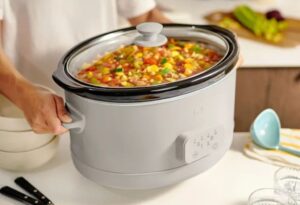
Once your food is cooked, how long it can safely stay in the slow cooker changes. This is where food safety regulations come into play. It is very important to address these concerns to avoid foodborne illnesses. Bacteria can grow rapidly when food is kept at temperatures between 40°F and 140°F (4°C and 60°C), a range often called the “danger zone.” Understanding how long food can safely stay in a slow cooker after cooking is crucial for food safety. The timing of when you put food in and take it out matters a lot.
Food Safety Guidelines
The general recommendation is to keep hot food hot and cold food cold. Once food is done cooking in a slow cooker, it’s best to keep it at a safe temperature (above 140°F or 60°C). Ideally, food should not remain in the slow cooker at room temperature for more than 2 hours. This time reduces to just 1 hour if the ambient temperature is above 90°F (32°C). After this time, bacteria can grow rapidly, making the food unsafe to eat. Bacteria can produce toxins, and it can survive the cooking process, causing illness.
- Holding Temperatures: The slow cooker should be used to keep food warm only after it has reached a safe internal temperature. Many slow cookers have a “keep warm” setting.
- Proper Cooling Methods: If you plan to store leftovers, cool them quickly. Divide the food into smaller portions and put them in shallow containers to cool faster.
- When to Discard Food: If food has been in the danger zone for more than 2 hours (or 1 hour in warmer temperatures), it’s best to discard it. It is always better to be safe than sorry.
Keeping Food Warm and Preventing Bacterial Growth
To keep food warm safely, use the “keep warm” setting on your slow cooker. This setting maintains the food at a temperature above 140°F (60°C). If your slow cooker does not have this setting, you should transfer the food to another appliance or use another method to maintain the right temperature. This will help prevent bacterial growth and maintain the quality of the food. It’s also crucial to remember that the “keep warm” setting is not meant for re-heating food. It is strictly meant for keeping food warm after it’s been cooked.
- Maintaining the Temperature: Always ensure the food remains above 140°F (60°C) to prevent bacterial growth.
- Using a Thermometer: Periodically check the food temperature with a food thermometer to make sure it’s hot enough.
- Avoiding Overcrowding: Don’t overload the slow cooker. Too much food can prevent it from heating evenly.
Factors Affecting Food Safety in a Slow Cooker
Several factors can affect how long food can stay in a slow cooker and remain safe to eat. These include the type of food, the slow cooker’s settings, and the surrounding environment. Understanding these factors will help you make informed decisions when planning and cooking your meals. These insights ensure your food remains safe and delicious. By paying attention to these details, you can significantly reduce the risk of foodborne illnesses.
Type of Food and Its Composition
Different foods have different levels of risk associated with them. Meat, poultry, and seafood are more likely to harbor bacteria than vegetables or dry grains. Foods with higher moisture content also tend to spoil more quickly. The composition of the food influences how quickly bacteria can grow. When you cook something, the amount of fat or acid affects how long it can stay in the slow cooker safely. Knowing these differences will help you adjust your cooking and storage practices.
- High-Risk Foods: Meat, poultry, seafood, and dairy products are more prone to bacterial growth. These foods require stricter cooking and storage procedures.
- Acidity and Preservatives: Acidic foods, such as those with tomatoes or vinegar, have a lower risk of bacterial growth. Added preservatives can also help.
- Moisture Content: Foods with high moisture levels support quicker bacterial growth, so they need careful handling.
Slow Cooker Settings and Internal Temperatures
The settings on your slow cooker directly impact the cooking time and the food’s internal temperature. The “high” setting cooks food faster and reaches a higher temperature more quickly than the “low” setting. A slow cooker must reach a safe internal temperature to kill bacteria and cook food thoroughly. Knowing how to use these settings properly ensures your food is safe. This makes your slow cooker a valuable tool for meal prep.
- Temperature Control: Always ensure that the internal temperature reaches the recommended levels.
- Proper Setting Use: Use the “high” setting for faster cooking and the “low” setting for slower cooking.
- Check Your Slow Cooker: Make sure your slow cooker is working correctly and maintaining the set temperature.
Environmental Conditions and Storage Practices
The surrounding environment plays a crucial role in food safety. Room temperature, humidity, and how you store the food after cooking all influence the risk of bacterial growth. Cool and dry conditions are best for slowing down bacterial growth. Proper storage, like using airtight containers and refrigerating food promptly, is essential. Take extra precautions in hotter weather, as bacteria grow faster. Taking these steps will help keep food safe and increase its shelf life.
- Temperature: Keep food at safe temperatures – below 40°F (4°C) or above 140°F (60°C).
- Air Exposure: Use airtight containers to store food to prevent air exposure, which can speed up spoilage.
- Humidity: Store food in a cool, dry place to prevent moisture that encourages bacterial growth.
Practical Examples of Slow Cooking and Food Safety
Let’s look at a few real-life scenarios to show how all of this information comes together. These examples illustrate how the different factors influence your cooking habits. By examining specific dishes, you can better apply these principles to your own meals. These examples help you understand what to do and what to avoid in your cooking.
- Scenario: Cooking a Chicken DishYou decide to cook chicken in your slow cooker. You place the chicken breasts in the slow cooker on the “low” setting in the morning. Your goal is to have the chicken ready by dinner. You ensure the chicken reaches an internal temperature of 165°F (74°C). After it is cooked, you keep the chicken in the slow cooker on the “keep warm” setting for a few hours. When it is time to serve, the chicken is still at a safe temperature. After dinner, any leftovers are placed in the fridge promptly. This ensures that the chicken remains safe to eat. This approach helps prevent bacterial growth.
- Scenario: Preparing a Beef StewYou’re preparing a beef stew for a family gathering. You start the stew in the morning on the “low” setting. You include beef, vegetables, and broth. You make sure the beef is cooked through to 145°F (63°C). The stew is cooked by lunchtime. You allow the stew to cool down and store the leftovers in the fridge after a couple of hours. This minimizes the time the stew stays at room temperature. The stew is safe to enjoy for several days. This is a common and safe practice when preparing a stew.
- Scenario: Making a Large Batch of ChiliYou decide to make a large batch of chili for a party. You start by browning the meat and then transferring it to the slow cooker with all the other ingredients. You cook the chili on the “high” setting. You use a food thermometer to check the internal temperature, which should reach 160°F (71°C). Once cooked, you set the slow cooker to the “keep warm” setting to keep the chili hot. The chili is served over several hours during the party. Any leftovers are promptly stored in the fridge. This approach prevents the growth of bacteria.
Tips to Maximize Food Safety
Following a few key tips will help you maximize food safety when using a slow cooker. These simple practices can significantly reduce your risk of foodborne illnesses. By paying close attention to details, you can create delicious meals and protect yourself and your family. The main goal is to be careful in the kitchen, and it is a simple process to learn!
Proper Preparation Before Cooking
Before you even start cooking, you must ensure your ingredients are safe. This involves washing your hands, cleaning your cooking surfaces, and ensuring all raw ingredients are handled carefully. Use clean utensils and cutting boards to prevent cross-contamination. Follow basic food safety practices to start with a clean kitchen. This step reduces the risk of spreading bacteria. The preparation stage is where safety begins.
- Wash Hands: Always wash your hands with soap and water before handling food.
- Clean Surfaces: Make sure all cutting boards, countertops, and utensils are clean.
- Thaw Safely: Thaw frozen food in the refrigerator, not at room temperature.
Best Practices While Cooking
Pay close attention to what happens when you cook food in your slow cooker. Using the right settings and checking the internal temperatures are crucial. Keep the lid on the slow cooker during cooking to prevent heat loss. Avoid opening the lid unless necessary. This keeps the temperature constant. By following these steps, you will make your meals as safe as they can be.
- Use a Thermometer: Verify the internal temperature of food to ensure it’s fully cooked.
- Avoid Lifting the Lid: Reduce heat loss by keeping the lid closed during the cooking process.
- Follow Cooking Times: Adhere to recommended cooking times for different foods.
Post-Cooking Storage and Handling
The way you handle food after cooking is just as important as the cooking process itself. Allow food to cool quickly and refrigerate leftovers promptly. Store food in airtight containers to prevent air exposure and bacterial growth. Eating food that is stored correctly is crucial. This maximizes the shelf life. Handling food properly will help maintain its quality.
- Cool Quickly: Divide leftovers into smaller portions for faster cooling.
- Use Airtight Containers: Store food in containers that seal tightly.
- Refrigerate Promptly: Refrigerate cooked food within two hours of cooking.
Frequently Asked Questions
Question: How long can I leave food in the slow cooker on the “keep warm” setting?
Answer: You can generally leave food on the “keep warm” setting for several hours, but it’s essential to ensure the food temperature stays above 140°F (60°C) to prevent bacterial growth. It’s usually best to consume the food within 4-6 hours to maintain the best quality.
Question: What if my slow cooker doesn’t have a “keep warm” setting?
Answer: If your slow cooker doesn’t have a “keep warm” setting, transfer the cooked food to a serving dish and keep it warm in an oven set to the lowest temperature, or use a warming tray. Alternatively, you can cool the food quickly and refrigerate it if you don’t plan to eat it right away.
Question: Is it safe to reheat food in a slow cooker?
Answer: It’s not the best approach to reheat food in a slow cooker. The slow cooker is designed for slow cooking, not for quickly heating food to safe temperatures. Reheating in a slow cooker can take too long, leaving food in the “danger zone” for an extended period. It is better to reheat food on the stovetop, in the oven, or in a microwave.
Question: What’s the best way to handle leftovers from a slow cooker?
Answer: Let the leftovers cool down rapidly. Divide the food into smaller portions. Place them in shallow containers to speed up cooling. Refrigerate the food within two hours after cooking. Use the leftovers within 3-4 days to maintain safety and quality.
Question: What should I do if I think my food has been in the danger zone too long?
Answer: If you suspect food has been at room temperature for over two hours (or one hour in temperatures above 90°F / 32°C), it’s best to discard it. Consuming food that has been in the “danger zone” for too long can lead to foodborne illness. It is better to err on the side of caution.
Final Thoughts
Knowing how long can food stay in slow cooker requires understanding cooking times, temperatures, and safe food storage. Cooking food correctly means reaching safe internal temperatures. Keeping food warm after cooking is also key. Storing leftovers properly will prevent bacteria from growing. You can make delicious and safe meals with proper attention to detail. Use a food thermometer and avoid leaving food at room temperature for extended periods. Following these simple steps, you can confidently and safely use your slow cooker. You can enjoy your home-cooked meals knowing they are safe and healthy. So, get cooking and enjoy your meals!

I’m Emma J. Caldwell, the founder, lead writer, and home-cooking enthusiast behind KitchenGuideCo.com. With a background in culinary arts and over a decade of cooking experience in both professional and personal kitchens, I created this platform to demystify recipes, offer smart kitchen gadget reviews, and guide readers through meal prep with confidence and clarity.