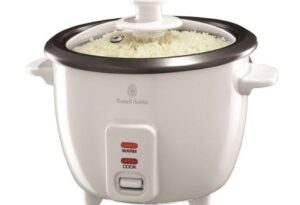
Figuring out how long can rice stay in rice cooker can seem tricky, especially when you’re new to cooking. You might wonder if it’s safe to eat leftover rice or how to keep it fresh. Don’t worry! This guide will break down everything you need to know. We’ll explore the factors affecting rice storage and give you simple steps to keep your rice tasty and safe. Let’s get started!
Factors Influencing Rice Freshness
The duration for which cooked rice remains safe and palatable in your rice cooker hinges on several elements. These include the type of rice, the ambient temperature, the quality of your appliance, and how the rice was initially prepared. The presence of moisture and the rate of bacterial growth play significant roles. Knowing these factors can significantly help you determine whether your rice is still good to consume. Improper storage may allow harmful microorganisms to thrive, leading to foodborne illnesses.
Rice Types and Their Impact
Different types of rice might have varied shelf lives. White rice, which has had the bran and germ removed, often lasts a bit longer than brown rice. Brown rice, containing its bran layer, retains more of its natural oils, which can become rancid over time, impacting its flavor and freshness. Also, parboiled rice has undergone a special pre-cooking step before milling, potentially changing its shelf life.
- White Rice: Because of the processing involved, white rice usually has a longer shelf life due to less oil content. However, it’s still susceptible to bacteria and should be handled with care once cooked.
- Brown Rice: Brown rice tends to spoil quicker because of its higher oil content and the presence of the bran. It’s important to consume brown rice sooner after cooking to prevent it from going bad.
- Wild Rice: Wild rice is not actually rice, it’s a type of aquatic grass seed. However, it’s often prepared similarly to rice. It also has a moderate shelf life but can benefit from careful storage.
- Arborio Rice: Arborio rice, used in risotto, can be stored similarly to white rice but can become gummy if left too long.
Understanding these differences can help you make a more informed decision about how long to keep your cooked rice. Each type of rice also has unique textures and flavors, which can be affected by the storage time. For instance, the texture of brown rice can become very unpleasant and sticky if kept for extended periods.
Temperature’s Effect on Rice
Temperature plays a crucial role in how fast cooked rice spoils. Warmer temperatures create a perfect environment for bacteria to grow. If your rice cooker has a “keep warm” function, this might keep the rice warm enough for several hours, but it does not necessarily prevent bacterial growth over extended periods. Even at room temperature, bacteria can multiply quickly, particularly in a moist environment like that inside a rice cooker.
- Room Temperature: Never leave cooked rice at room temperature for more than an hour or two. This is the prime time for bacteria to thrive and cause food poisoning.
- Keep-Warm Function: A rice cooker’s “keep warm” setting may slow down bacterial growth a little bit, but it’s not a foolproof method. The temperature might not be high enough to stop bacteria entirely.
- Refrigeration: Refrigerating cooked rice is the best way to keep it safe for a longer time. The colder environment dramatically slows down the growth of bacteria.
- Freezing: For long-term storage, freezing rice is the ideal choice. Make sure to cool the rice first, place it in an airtight container, and then freeze it.
Proper temperature control is one of the most vital keys to ensuring that the food is safe to eat. Knowing these aspects can help in making the right decisions to avoid any health risks. For example, if you plan to eat leftover rice, it’s always best to refrigerate it as soon as possible after cooking to prevent bacterial growth.
Safety and Storage Practices
The key to safe rice storage involves understanding the risk of Bacillus cereus, a bacterium that often contaminates cooked rice and can cause food poisoning. Even though rice seems fine, this bacteria can still be present and produce toxins that can lead to illness. Therefore, adopting the right storage practices is essential to minimize risks. This involves quick cooling, appropriate containers, and correct temperature controls.
Quick Cooling and Handling
The time taken to cool cooked rice significantly influences its safety. The quicker the cooling, the less time bacteria have to multiply. After the rice is cooked, transfer it from the rice cooker to a shallow container to let it cool down faster. This speeds up the process, minimizing the window for bacterial growth. Handling the rice properly, like using clean utensils and avoiding cross-contamination, is important too.
- Shallow Containers: Spreading rice in a thin layer helps it cool down rapidly. This reduces the risk of bacteria growing in the warm, moist environment.
- Clean Utensils: Always use clean spoons or spatulas to serve rice. This helps prevent bacteria from other foods or surfaces from contaminating the cooked rice.
- Cooling Time: Don’t leave cooked rice out at room temperature for more than an hour, especially in warmer conditions.
- Cross-Contamination: Avoid using the same utensils or surfaces that have touched raw meat or other potentially contaminated items.
Implementing these simple steps can help you protect yourself from potential foodborne illnesses. Remembering that speed is a factor here, acting quickly after the rice is cooked, and following recommended practices can make your meals safer. It is also important to discard the rice if there are any signs of spoilage, such as a strange smell or slimy texture.
Best Storage Methods
The right storage methods are fundamental in preserving the quality and safety of cooked rice. Refrigerating the rice soon after cooking is the most reliable way to prevent the growth of harmful bacteria. Ensure the container is airtight to avoid moisture and contamination. If you need to store rice for a longer period, freezing it is the better alternative, keeping it well preserved.
- Refrigeration: After the rice cools down, place it in an airtight container and put it in the refrigerator. This slows down the growth of bacteria and helps maintain the rice’s quality.
- Airtight Containers: Using an airtight container prevents moisture loss and stops the rice from absorbing odors from other foods in the refrigerator.
- Freezing: For extended storage, freeze the rice in a freezer-safe bag or container. This completely halts the growth of bacteria and preserves the rice for a longer time.
- Portioning: Consider portioning the rice before refrigerating or freezing it. This way, you only need to thaw or reheat the amount you need, reducing food waste and making meal planning easier.
By following these methods, you will be able to maximize the shelf life of your cooked rice. It also helps prevent potential health risks associated with improperly stored rice. Remembering these simple strategies will allow you to enjoy your rice safely and efficiently.
Spotting Spoiled Rice
Recognizing the signs of spoiled rice is vital to your health. Even if rice appears normal, bacteria could be present. Learning to identify these clues can prevent you from consuming rice that may cause food poisoning. Always trust your senses; if something seems off, it’s best to err on the side of caution. This not only ensures your well-being but also your peace of mind.
Visual and Sensory Indicators
Certain visual and sensory cues are usually good indicators of spoiled rice. These clues can suggest that the rice might not be safe to eat. Regularly checking the rice before consumption could potentially help you avoid any health risks.
- Texture: Spoiled rice may feel sticky, slimy, or clumpy. Freshly cooked rice should have a light, fluffy texture.
- Color: The color of the rice can be another key indicator. Any discoloration or the appearance of mold indicates spoilage. The rice should maintain its natural color.
- Odor: A musty, sour, or generally unpleasant smell is a classic sign of spoiled rice. Fresh rice has a mild, pleasant aroma.
- Taste: If you suspect spoilage, it is always best not to taste the rice. However, a sour or off taste is a definite warning sign.
Always trust your senses when it comes to food safety. If you find any of these warning signs, it is important to discard the rice immediately to prevent any health risks. This approach ensures you will be protected from potentially harmful microorganisms. Prioritizing these signs can significantly reduce your chances of getting sick from spoiled food.
When to Discard Rice
Understanding when to discard rice is as important as knowing how to store it correctly. Sometimes, even if you follow all the precautions, rice may still spoil. Certain situations require immediate action to safeguard your health. When in doubt, it’s always best to discard it.
- Any Unusual Odor: Any smell that differs from the normal, slightly sweet smell of cooked rice is a red flag.
- Slimy Texture: If the rice feels sticky or slimy, it’s a sign that bacteria have multiplied and the rice should be discarded.
- Visible Mold or Discoloration: Any spots of mold or noticeable color changes mean the rice has spoiled.
- If Left at Room Temperature Too Long: If the rice was left out for more than an hour or two at room temperature, it’s best to throw it away.
Following these guidelines can significantly decrease the risk of food poisoning. It’s always better to be cautious and throw away the rice if there’s any uncertainty about its safety. Your health is the most important factor, and being vigilant about the condition of your food is vital. By adopting this approach, you are better equipped to enjoy your meals safely and confidently.
Reheating Cooked Rice
Reheating cooked rice requires careful attention to ensure its safety and quality. The aim is to heat the rice thoroughly to eliminate any bacteria that might have grown during storage. Proper reheating techniques can prevent foodborne illnesses. This includes not just the cooking process, but also considerations about storage time and how the rice was originally prepared.
Safe Reheating Methods
Selecting the right methods for reheating cooked rice is crucial for safety and taste. These methods ensure the rice is heated evenly to eliminate harmful bacteria, while also preserving its texture and preventing it from drying out. Effective reheating methods include the use of the microwave, stovetop, and oven. You need to always handle cooked rice with proper care.
- Microwave: The microwave is a fast and convenient way to reheat rice. Add a tablespoon of water per cup of rice and cover the bowl. This helps prevent the rice from drying out during heating.
- Stovetop: Reheating rice on the stovetop offers more control over the moisture. Add a little water to the rice in a pan, cover it, and heat it over low heat, stirring occasionally until heated through.
- Oven: Reheating rice in the oven keeps the rice moist and fluffy. Spread the rice in an oven-safe dish, add a bit of water, and cover it with foil. Bake it until it is heated through.
- Rice Cooker’s Warm Function: While rice cookers often have a “keep warm” function, it isn’t ideal for reheating. That function is designed for holding freshly cooked rice rather than reheating rice that has been stored.
The goal is to heat the rice thoroughly until it is steaming hot. You can use these methods with confidence while ensuring the food is safe. Remember, if the rice was stored improperly or shows any signs of spoilage, it should not be reheated. Using these methods will allow you to enjoy your rice safely and to the fullest.
Avoiding Common Reheating Mistakes
Avoiding common errors when reheating rice can significantly affect its safety and texture. Mistakes in the reheating process can contribute to foodborne illnesses. Understanding these pitfalls will help you get the best outcome when reheating rice.
- Not Heating Thoroughly: Ensuring the rice is heated to a high enough internal temperature is crucial to kill any bacteria. Make sure the rice is steaming hot throughout.
- Overheating: Overheating the rice can dry it out, making it hard and unpleasant. Using the right amount of water when reheating is important to maintain the right texture.
- Using Old Rice: Reheating rice that has been stored for too long increases the risk of bacteria growth. Storing rice correctly and following time limits is important.
- Improper Storage: If the rice wasn’t stored correctly in the first place, reheating won’t make it safe. This is why following all storage guidelines is so important.
Adhering to these suggestions can help you avoid common mistakes. Being mindful of these potential issues is key to safe reheating practices. By doing so, you can enjoy your meals with confidence, knowing you have taken steps to keep them safe. Regular use of these simple methods will enhance your safety and enjoyment of the food.
Frequently Asked Questions
Question: How long can rice stay in the rice cooker on the “keep warm” setting?
Answer: It’s generally safe to keep rice warm for about 4-6 hours on the “keep warm” setting. After that, the risk of bacterial growth increases, so it’s best to refrigerate or discard it.
Question: Can you eat rice that has been left out overnight?
Answer: It’s not recommended to eat rice left out overnight at room temperature. Bacteria like Bacillus cereus can grow and produce toxins that may cause food poisoning. It’s safer to discard the rice.
Question: What’s the best way to store leftover rice?
Answer: The best method is to cool the rice quickly and then store it in an airtight container in the refrigerator within one hour. This slows down the growth of bacteria and keeps it safe to eat.
Question: How can I tell if cooked rice has gone bad?
Answer: Signs of spoiled rice include a sour or musty odor, a slimy texture, or any visible mold or discoloration. If you notice any of these, it’s safer to throw the rice away.
Question: Can I freeze cooked rice?
Answer: Yes, you can freeze cooked rice. Allow it to cool completely, then portion it into airtight containers or freezer bags before freezing. This extends its storage life and prevents freezer burn.
Final Thoughts
Knowing how long can rice stay in rice cooker safely involves understanding factors such as rice type, temperature, and storage methods. The shelf life of cooked rice is relatively short, often limited to a few hours at room temperature, but it can be extended with proper refrigeration or freezing. The “keep warm” setting in a rice cooker is not a substitute for refrigeration and should only be used for a few hours. Always prioritize quick cooling after cooking and store rice in airtight containers to prevent spoilage. Being able to spot signs of spoiled rice—such as an off odor, slimy texture, or visible mold—is key to preventing foodborne illnesses. Proper reheating methods, such as using the microwave or stovetop, are essential to ensure the rice is safe to consume.
To keep your rice safe and delicious, always follow these guidelines. Refrigerate leftovers promptly, reheat thoroughly, and trust your senses. If in doubt, it’s best to discard the rice. By doing so, you are improving the safety of your meals. This careful approach not only ensures food safety but also maintains the quality and enjoyment of your meals, allowing you to prepare and eat rice with confidence and peace of mind.

I’m Emma J. Caldwell, the founder, lead writer, and home-cooking enthusiast behind KitchenGuideCo.com. With a background in culinary arts and over a decade of cooking experience in both professional and personal kitchens, I created this platform to demystify recipes, offer smart kitchen gadget reviews, and guide readers through meal prep with confidence and clarity.