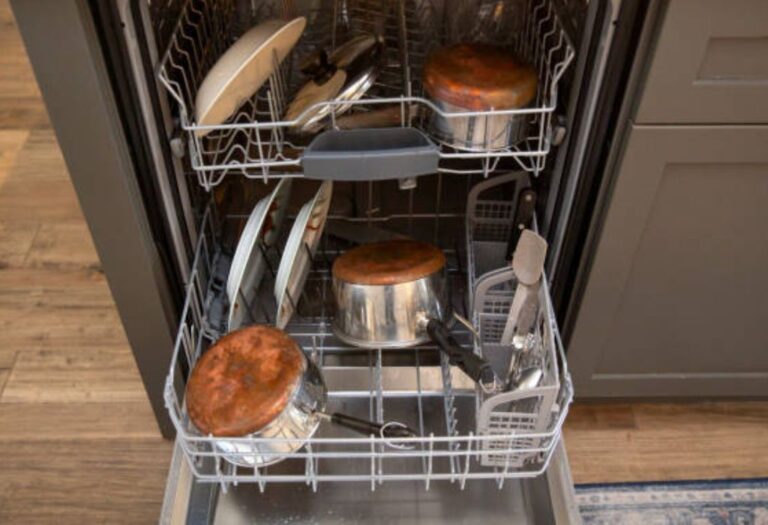
It’s late at night, and you’ve just finished a big family dinner. You load the dishwasher, press start, and notice the timer showing two hours — maybe even more. You might wonder, “Why does it take so long to clean a single load of dishes?”
Dishwasher cycles can range from thirty minutes to more than three hours, depending on the model and selected settings.
Many modern machines, especially energy-efficient ones, extend the wash time to save electricity and water. Understanding how these cycles work helps you plan better and avoid unnecessary waiting.
The time your dishwasher takes isn’t random; it’s determined by sensors, water temperature, and soil level detection.
Newer machines use smart systems to adjust automatically. However, small details like how you load dishes or which cycle you choose can significantly affect the duration.
This guide will explain everything about dishwasher load times — from standard cycle lengths to hidden factors that slow them down. You’ll also learn how to shorten wash time safely without sacrificing cleaning quality.
By the end, you’ll know exactly how long your dishwasher should take and how to make it work more efficiently.
Understanding Dishwasher Cycle Times
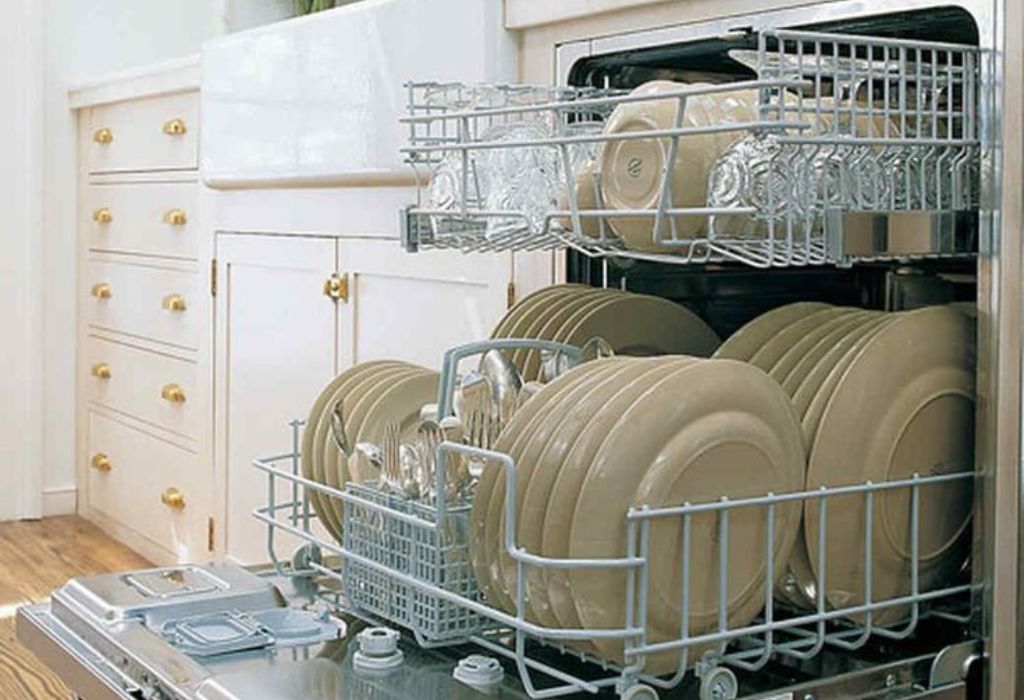
Every dishwasher cycle follows a sequence of stages: pre-wash, main wash, rinse, and drying. The total time varies depending on how long each stage takes. Most models are programmed to optimize cleaning while conserving energy.
A normal cycle typically lasts between 1.5 to 2.5 hours on standard machines. This duration ensures enough soaking, detergent activation, and rinsing. The goal is to remove food residues thoroughly while maintaining gentle heat control.
Some newer dishwashers have auto-sensing modes that measure dirt levels and adjust time automatically. Heavily soiled dishes trigger longer cycles to ensure cleanliness. Light loads may finish faster when sensors detect less debris.
Quick or express cycles cut the process down to 30–60 minutes. These are ideal for lightly used dishes or glasses. However, the shorter duration may not remove baked-on food or thick grease completely.
Heavy or intensive cycles can last two to four hours, depending on water heating and drying phases. These settings use higher temperatures to sanitize cookware. They’re best for large family meals or stubborn stains.
Different brands also vary in timing because of unique internal designs. Knowing your dishwasher’s specific model helps you estimate an accurate cycle length.
What Factors Affect Dishwasher Load Duration
Several variables influence how long your dishwasher runs. The soil level of your dishes is one of the biggest factors. Dirtier loads require extra soaking, scrubbing, and rinsing.
Water temperature plays a crucial role. If your home’s water supply is cold, the dishwasher must heat it internally, adding time to the cycle. Machines connected to hot-water lines usually finish faster.
The selected wash program directly affects duration. Eco or energy-saving cycles use lower water and temperature but compensate with longer run times. Conversely, quick cycles trade cleaning intensity for speed.
Machine design also matters. Models with more advanced filtration systems or multiple spray arms often run longer to complete extra rinse phases. Smart dishwashers optimize performance by monitoring turbidity sensors throughout the cycle.
Loading technique influences efficiency as well. Overloaded racks restrict water circulation, causing sensors to detect poor washing and repeat phases. Proper spacing ensures each item gets cleaned evenly.
Ambient humidity, detergent type, and water hardness can also extend or shorten drying time. All these factors work together to determine the total cycle duration you experience.
Standard vs Quick Wash: What’s the Difference
The standard cycle is the most balanced option for everyday dishwashing. It typically takes around two hours and uses moderate water temperature and pressure. This mode ensures clean results without over-consumption of energy.
The quick wash or express cycle is designed for lightly soiled dishes. It usually lasts between thirty and sixty minutes. While faster, it may not sanitize or dry dishes completely.
Standard cycles include multiple rinse stages for better detergent removal. Quick cycles often skip or shorten these phases to save time. You’ll get acceptable results on glassware but not on heavy pots.
Water temperature in a standard cycle can reach up to 150°F (65°C). Quick cycles stay lower to shorten heating time. This difference affects grease removal and overall hygiene.
The drying phase is longer in standard programs because it relies on heated air or condensation. Quick cycles may end with damp dishes that need towel-drying. Choosing between the two depends on how soiled your load is.
Using the right cycle at the right time helps you balance cleanliness, energy efficiency, and speed.
Heavy-Duty and Eco Modes Explained
Heavy-duty cycles are built for large, greasy loads. They can last up to four hours depending on the dishwasher’s model. The extended time allows for higher water temperatures and deeper soaking.
These cycles use more energy and water, but they remove burnt or dried-on food effectively. Pots, pans, and casserole dishes benefit from this setting. It’s ideal after holiday meals or gatherings.
Eco modes, on the other hand, are designed to save resources. They reduce water and temperature levels significantly. The trade-off is that washing and drying take longer, often up to three hours.
The longer cycle compensates for less heat and water by extending rinse duration. This helps maintain similar cleaning quality with lower consumption. It’s best for everyday use when you’re not in a hurry.
Manufacturers recommend using Eco mode frequently to lower your utility bills. Despite the name, it doesn’t mean slower performance — just optimized efficiency.
Choosing between heavy and eco modes depends on your priorities: deep cleaning or sustainability.
How long does a normal dishwasher load take?
Usually between 1.5 and 2.5 hours, depending on model and water temperature.
Why do some dishwashers run for 3 hours?
Energy-saving models extend wash time to use less heat and water.
Does quick wash clean properly?
Yes, for light soils; it’s not ideal for burnt or greasy cookware.
Are eco cycles worth using?
Absolutely, they reduce energy costs and are efficient for regular loads.
Why does the drying part take so long?
Moisture evaporation requires extended heat or air circulation time.
How Dishwasher Sensors and Soil Detection Work
Modern dishwashers rely on sensors to optimize performance. These sensors measure water clarity to determine how dirty the dishes are. When the water turns clear, the machine knows to move to the next stage.
Soil sensors use infrared or optical technology to detect residue in the water. If the sensor identifies heavy soil, it automatically extends the washing time. This adaptive system ensures dishes come out spotless every time.
Some high-end models use multiple sensors, including temperature and load sensors. These combine to fine-tune each cycle dynamically. The process saves both energy and water while improving results.
If sensors become dirty or foggy, the dishwasher might misjudge the load. That can cause unusually long or short cycles. Regular cleaning keeps them accurate and efficient.
This smart automation makes modern dishwashers far superior to manual timing. Instead of guessing, your machine measures exactly what’s needed for the perfect wash.
Understanding how these sensors operate explains why cycle time varies with each load.
Energy Efficiency and Heat Settings Impact on Time
Energy efficiency regulations have changed how dishwashers operate. Manufacturers now prioritize lower power use, even if it means longer cycles. The result is more eco-friendly washing with slightly extended run times.
Heating water consumes the most energy in a dishwasher. To reduce cost, modern units heat gradually rather than all at once. This slower process lengthens total cycle duration but conserves electricity.
The heat-dry option also affects timing. Air-drying saves power but extends the cooling phase. Heat-dry cycles finish quicker but use extra energy.
If your home water supply is already hot, your machine will need less heating time. This can shorten cycles by fifteen to twenty minutes. Cold water connections, on the other hand, delay the wash process.
Some users disable high-temperature rinse to save energy, but it may leave dishes damp. Balancing time, energy, and cleanliness is key for efficient operation.
Understanding how heat and power interact helps you predict dishwasher timing more accurately.
How Drying Methods Affect Dishwasher Duration
Drying plays a bigger role in cycle time than most people realize. Depending on your dishwasher model, drying can take as long as washing. Understanding which method your machine uses helps you manage expectations.
Most modern dishwashers rely on condensation drying. It’s energy efficient but slower because it uses residual heat instead of active fans. Water droplets evaporate naturally from hot dishes onto the cooler interior walls.
Some premium dishwashers feature fan-assisted drying, which cuts down drying time significantly. The fan circulates warm air to remove moisture faster. However, it consumes more electricity than passive systems.
Samsung, Bosch, and LG models often include AutoRelease doors that open slightly after washing. This releases steam and speeds up air drying. The result is shorter cycle completion without added energy.
Older machines may have heated drying elements at the base. These deliver quick results but use higher wattage. Many new designs avoid them to comply with modern energy standards.
Using rinse aid also improves drying performance regardless of method. It reduces water surface tension, helping moisture slide off faster. The better the drying system, the shorter the total load time.
Knowing your dishwasher’s drying method helps explain differences in total runtime between brands and models.
How Long a Typical Dishwasher Load Takes (by Brand)
Each manufacturer designs dishwashers differently, resulting in varied cycle times. On average, Bosch dishwashers run between 1.5 and 2 hours on normal mode. Their Eco cycles extend up to 3.5 hours.
Samsung models take about 2 hours for standard loads, while Auto cycles adjust automatically from 1.5 to 3 hours. Quick cycles usually complete within 60 minutes.
LG dishwashers are known for fast yet efficient cycles, typically 1.5 to 2 hours. Their TrueSteam feature adds extra rinse time but enhances drying.
Whirlpool and KitchenAid models often include extended sanitization options lasting 3 to 4 hours. These are perfect for baby bottles or medical utensils.
Miele dishwashers balance efficiency and precision, with cycles averaging 2 to 2.5 hours. Their Eco mode can last longer but saves substantial energy.
Understanding brand averages helps you compare models realistically when shopping. Cycle duration often reflects a brand’s cleaning philosophy — fast, balanced, or thorough.
Comparing Manual vs Automatic Dishwasher Cycles
Manual cycles require users to select time, temperature, and drying options. They provide control but rely on your judgment. Automatic cycles, powered by sensors, adjust dynamically for optimal results.
Automatic programs are generally longer but more efficient. They analyze water turbidity, soil level, and temperature before adapting the wash length. This ensures the perfect balance between cleanliness and energy use.
Manual cycles finish faster if you pick shorter settings, but the results may vary. Over-estimating or under-estimating soil levels can lead to wasted energy or incomplete cleaning.
Auto cycles are ideal for everyday use since they require no monitoring. You simply load, press start, and let sensors decide the duration. This smart adjustment ensures consistent performance.
Manual cycles are better for predictable situations, like rinsing lightly soiled glasses before guests arrive. Both options have value depending on your needs.
Knowing when to use each mode helps maintain efficient dishwasher operation.
Are automatic cycles better than manual ones?
Yes, they adjust automatically for soil levels, ensuring better cleaning efficiency.
Why does my Auto cycle time change daily?
Sensors detect varying dirt levels, adjusting duration accordingly.
Do manual settings save time?
They can, but only if you choose the right temperature and load type.
Is Auto mode more energy-efficient?
Generally yes, because it optimizes water and heat based on real conditions.
Can I override automatic adjustments?
Most models allow manual override, but it’s not usually necessary.
How to Shorten Your Dishwasher Cycle Safely
If you’re in a hurry, there are ways to reduce cycle time without compromising results. Start by pre-rinsing heavily soiled dishes slightly. This prevents extra rinse extensions during washing.
Choose the Quick Wash or Express Mode for small, lightly dirty loads. While not ideal for greasy cookware, it saves over an hour compared to normal cycles.
Ensure your water supply is hot before starting. Run the kitchen tap until warm water flows, so your dishwasher doesn’t waste time heating it.
Avoid overloading, which forces longer washing and drying. Proper spacing allows spray arms to reach all areas efficiently.
Keep filters and sensors clean for accurate performance. Dirty sensors extend cycles unnecessarily. Monthly maintenance keeps the timing consistent.
These small adjustments can cut total wash duration by 20–30 minutes while maintaining spotless results.
When Long Cycles Are Actually Better
While shorter cycles save time, longer ones often deliver superior results. Extended soaking removes baked-on food and sanitizes dishes thoroughly. For heavily soiled loads, patience pays off.
Long cycles also aid drying efficiency, especially with condensation-dry systems. Heat retention during extended runs helps moisture evaporate naturally. This results in spotless, streak-free dishes.
If you’re washing cookware or plastic items, longer heat exposure ensures proper disinfection. This is particularly important for baby bottles or cutting boards.
Some Eco cycles lengthen duration to reduce resource consumption. Although they seem slow, they use far less water and electricity overall.
Long cycles are ideal when quality and hygiene matter more than speed. Understanding when to use them prevents frustration and ensures consistent results.
Understanding Dishwasher Delay Start and Time Display
Most dishwashers today include a delay start feature, allowing you to schedule washes at convenient times. This function doesn’t change cleaning performance but affects when the cycle actually runs. For users with variable power rates, it’s an excellent way to save energy.
You can set delays ranging from one to twenty-four hours. Once programmed, the dishwasher begins automatically without requiring supervision. This flexibility is useful for nighttime or off-peak electricity hours.
The digital time display shows the estimated remaining minutes. However, smart models constantly adjust this number based on sensor feedback. That’s why you might see the timer fluctuate during operation.
When the dishwasher detects heavy soil, it extends certain phases automatically. If the water is already warm, the display may shorten the estimated duration. These adjustments ensure consistent cleaning results every time.
Understanding that the displayed time is dynamic prevents confusion. It’s not a countdown clock but a flexible indicator. Patience with these minor changes ensures optimal performance.
Delay start also helps households manage noise better by running late at night. It’s a convenience feature that balances comfort, energy, and efficiency perfectly.
Signs Your Dishwasher Is Taking Too Long
If your dishwasher suddenly runs longer than usual, it could indicate a problem. One common cause is a dirty filter restricting water flow. Regular cleaning solves this easily.
Malfunctioning sensors can also misread dirt levels and extend the cycle unnecessarily. Cleaning them or resetting the unit can restore normal timing.
Low water temperature is another culprit. Check your heater settings or ensure hot water reaches the dishwasher quickly. Cold water makes cycles drag on.
Overloaded racks or blocked spray arms confuse the sensors. Re-arrange dishes to allow proper circulation. It’s an easy fix that restores efficiency.
Software glitches can also cause irregularities. Disconnecting power for a few minutes resets most modern units. If the issue persists, consult the manual or technician.
Recognizing these signs early keeps your dishwasher performing at optimal speed.
Maintenance Tips to Keep Cycle Times Normal
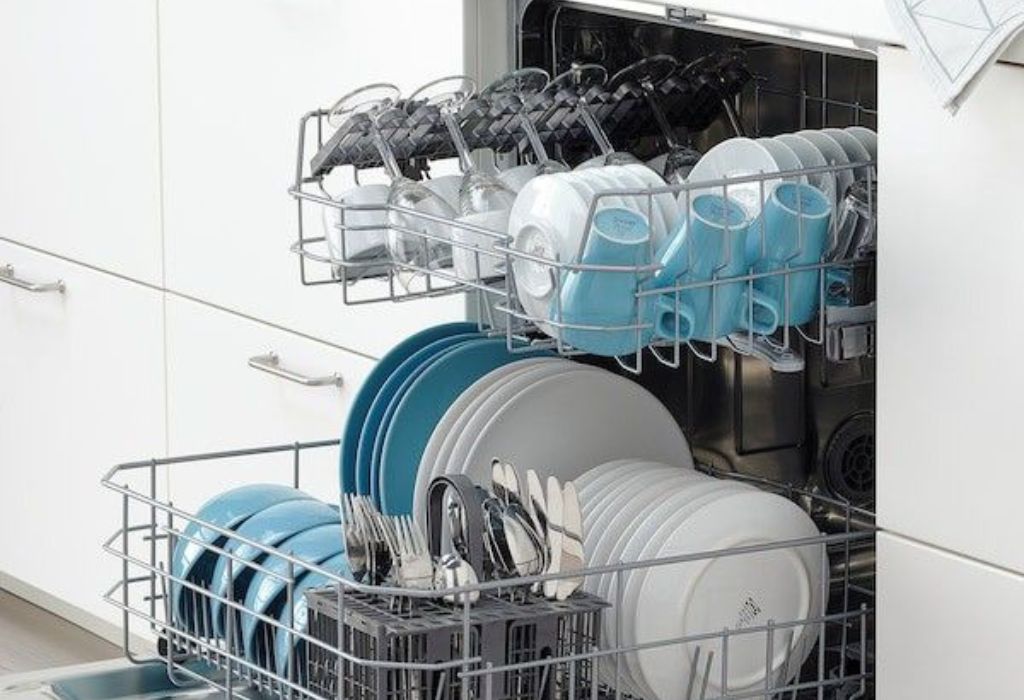
Maintenance ensures consistent wash duration and cleaning quality. Clean the filter weekly to prevent clogs. A blocked filter forces the machine to repeat rinse phases.
Check spray arms for mineral deposits or food debris. Rinse them under warm water to maintain pressure. Clear nozzles improve washing speed and performance.
Inspect seals around the door to prevent leaks. Damaged seals trigger safety sensors that prolong drying time. Replacing worn gaskets restores efficiency.
Run a cleaning cycle monthly using dishwasher cleaner or vinegar. This removes grease and calcium buildup inside pipes. Regular cleaning improves heat transfer and water flow.
Avoid using too much detergent. Excess foam can interfere with sensors, causing longer rinses. Follow manufacturer recommendations for dosage.
Keeping your dishwasher clean and balanced ensures every load completes within normal time limits.
Why does my dishwasher take longer than it used to?
Clogged filters or dirty sensors are often responsible for extended cycles.
Can cold weather slow down dishwasher time?
Yes, cold incoming water makes the heater work longer.
How often should I run a cleaning cycle?
Once a month keeps internal parts free from buildup.
Does using too much soap make it slower?
Yes, excess suds confuse sensors and prolong rinsing.
Will replacing old parts reduce cycle time?
Yes, worn heaters or sensors can delay processes and need timely replacement.
Final Pre-Wash Tips for Efficient Cycle Time
Before starting your dishwasher, run the kitchen faucet until the water turns hot. This primes the line for faster heating. The cycle begins immediately at the optimal temperature.
Load dishes evenly without overcrowding. Water must circulate freely between every plate and bowl. Balanced spacing shortens cleaning phases automatically.
Use rinse aid to improve drying and prevent streaks. It helps water sheet off surfaces quickly. This reduces final drying time significantly.
Always select the correct cycle for your load. Using Heavy mode for lightly soiled dishes wastes time and energy. Match your program to the dish type.
Check that spray arms rotate freely and detergent dispensers aren’t blocked. Mechanical obstructions add unnecessary minutes to cycles.
Following these quick steps ensures shorter, consistent dishwasher performance every day.
How to Estimate the Right Cycle for Your Routine
Not every dishwasher cycle suits every lifestyle. The ideal program depends on how often you cook, how soiled your dishes get, and when you prefer to run the machine. Estimating the right cycle helps you maintain balance between time and results.
If you cook daily and wash full loads, the Normal or Auto cycle should be your default. These programs adapt automatically to soil levels while maintaining energy efficiency. Most users find this the best balance between cleanliness and duration.
For smaller families or frequent snack dishes, the Quick Wash option saves time without wasting water. It’s perfect for lightly used plates, mugs, and glasses.
When you host parties or cook heavy meals, choose Heavy or Intensive mode. It may take longer but guarantees spotless cookware. Using this once or twice a week keeps everything sanitized.
Busy households benefit from Delay Start combined with Eco mode overnight. It finishes silently and efficiently while you sleep. Energy savings and convenience make this an ideal combo.
Understanding your cooking habits allows you to create a routine that fits your schedule. You’ll spend less time waiting and more time enjoying clean dishes effortlessly.
How do I know which cycle is right for my dishes?
Base your choice on how dirty the dishes are — light soils use Quick Wash, while heavy grease needs Heavy mode.
Is it okay to use Eco mode every day?
Yes, Eco mode works great for daily use; it just takes longer but uses less water and energy.
Should I always use Auto cycle?
Auto is a balanced option that adjusts automatically; it’s ideal for mixed loads with moderate dirt.
Can I use Quick Wash for pots and pans?
No, Quick Wash doesn’t heat water long enough to clean cookware properly — use Intensive mode instead.
What’s the best time to run a dishwasher for efficiency?
Nighttime or off-peak hours are best; combine Delay Start with Eco mode to save power and reduce noise.
Conclusion
A dishwasher’s load time depends on many interconnected factors: program choice, water temperature, soil level, and energy settings. Modern machines are designed to balance speed, efficiency, and cleanliness intelligently. Understanding how these parts work together helps you plan better.
Instead of worrying about long run times, focus on efficiency and maintenance. Keeping filters clean, loading dishes correctly, and choosing suitable cycles all contribute to optimal performance. Even a few small adjustments can save both time and energy.
By following the strategies in this guide, your dishwasher will clean faster, smarter, and more efficiently. You’ll enjoy spotless dishes, and more free time, after every single wash.

I’m Emma J. Caldwell, the founder, lead writer, and home-cooking enthusiast behind KitchenGuideCo.com. With a background in culinary arts and over a decade of cooking experience in both professional and personal kitchens, I created this platform to demystify recipes, offer smart kitchen gadget reviews, and guide readers through meal prep with confidence and clarity.