A blender is often the heart of a modern kitchen, tackling everything from morning smoothies to homemade soups.
Yet after a few years of daily use, the once-silent motor may start to rattle, blades dull, and the question arises—how long do Ninja blenders last before they need replacing?
Many home users praise Ninja blenders for their power and affordability, but even the best machines face wear and tear over time. According to Consumer Reports, most midrange blenders have an average lifespan of 3 to 5 years, depending on use and care (source).
For a brand that dominates the market, understanding what influences this lifespan is essential for long-term value.
Durability depends on more than just wattage or brand reputation. How often it’s used, the types of ingredients blended, and how it’s cleaned all affect how long a Ninja blender continues performing at its peak. A blender that crushes ice daily faces far greater stress than one used only for soft fruits.
One reason Ninja blenders remain popular is their combination of strong motors and accessible pricing. However, not every model is built to endure years of heavy blending.
Some components, like couplers or gaskets, can wear out faster under high friction or poor maintenance, making proper care vital.
What “Lifespan” Means for a Blender
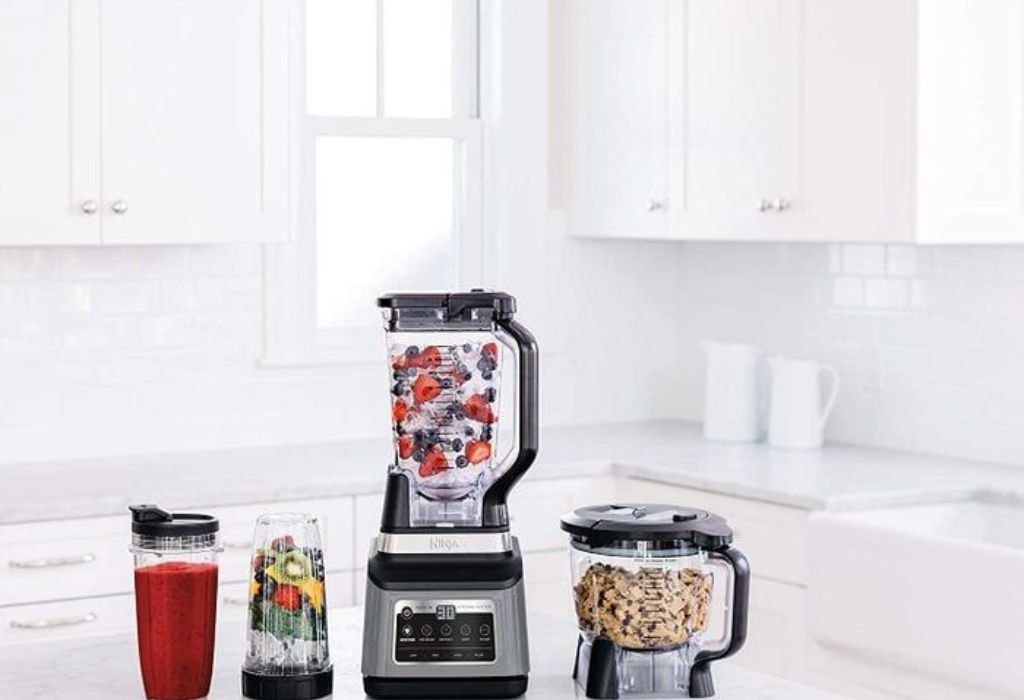
The term “lifespan” can mean different things depending on how a blender is used. For most consumers, it represents the period before performance drops, blades dull, or repairs outweigh replacement cost.
When discussing how long do Ninja blenders last, it’s not just about motor life but the durability of parts like couplers, jars, and gaskets. Each component experiences unique stress that determines overall longevity.
Unlike large appliances, blenders don’t come with a specific hour-based life rating. Manufacturers like Ninja instead use limited warranties as a rough indicator of expected durability.
Most Ninja models come with a 1-year limited warranty, though higher-end lines or retailer packages may extend it to 2 or even 7 years (source).
However, warranties represent coverage, not lifespan. A well-maintained Ninja blender often lasts beyond warranty limits, while misuse or poor care can cause premature failure.
Overheating, overfilling, or improper cleaning are the most common culprits that shorten a blender’s service life.
The typical home-use range for Ninja blenders falls between 3 to 5 years under average conditions. Some users report up to 7 years or more of reliable performance when following proper usage and maintenance habits. This variation proves that longevity is less about brand limits and more about consistent care.
For example, blending frozen ingredients daily creates significant strain on motors and couplers, while making soft-fruit smoothies once or twice a week barely stresses the system. The difference in use frequency directly influences how long a Ninja blender can realistically last.
To understand lifespan properly, it helps to consider what wears out first. Motor brushes can weaken over time, couplers may strip under repeated torque, and gaskets can dry out with exposure to heat or dishwasher cycles. These are natural signs of mechanical aging rather than brand flaws.
Knowing these internal stress points gives insight into how long a blender can last before noticeable decline. With regular inspections, proper cleaning, and moderate blending habits, even a mid-range Ninja model can deliver years of dependable service far beyond initial expectations.
Warranty Reality Check vs Real-World Life
When asking how long do Ninja blenders last, the first clue often comes from the warranty. Most Ninja blenders include a 1-year limited warranty, which covers manufacturing defects but not normal wear or user damage.
Higher-end or retailer-exclusive models may extend this to 2 or more years, yet that doesn’t always reflect actual lifespan.
A warranty only defines the brand’s coverage period, not the blender’s true durability. Many users report their Ninja blenders lasting 3 to 5 years with moderate use, far beyond the warranty term when cared for properly.
Others find that heavy blending—like crushing ice or nuts daily—can shorten that timeframe considerably.
Understanding warranty limits helps set realistic expectations. For example, motor or coupling issues may arise after years of use, which are typically outside warranty coverage.
However, most parts such as blades, gaskets, and jars are replaceable at low cost, extending usability even after warranty expiration.
Some consumers purchase extended protection plans, which can make sense for frequent users who rely on their blender daily. Still, proper maintenance and mindful usage often provide more value than any paid warranty extension.
In short, a Ninja blender’s warranty shows confidence in the product, but its real-world lifespan depends on usage and care. With regular cleaning, correct load handling, and rest between blending cycles, many owners enjoy reliable performance long after the official warranty expires.
Build Quality Factors That Affect How Long Ninja Blenders Last
The build quality of a blender determines how long it performs before parts begin to wear out. In the case of how long do Ninja blenders last, materials, design, and component strength are the biggest influences on durability.
Motor Power and Cooling
Ninja blenders range from 900 to 1500 watts, giving them strong blending performance. However, higher wattage also generates more heat, which can shorten motor life if not properly cooled. Allowing short rest periods between long blending sessions helps prevent overheating and protects the motor.
Couplers and Drive System
The connection between the motor and blade—known as the coupler—plays a major role in longevity. Many Ninja models use plastic couplers that can wear over time, especially with frequent ice crushing or thick blends. Metal couplers, found in some premium models, typically last longer under stress.
Jar and Blade Assembly
Most Ninja jars are made from BPA-free Tritan plastic, known for strength and clarity. Still, exposure to hot liquids or harsh cleaning can cause cracking or cloudiness. Keeping jars away from high heat and avoiding abrasive sponges helps maintain their lifespan.
Gaskets and Seals
Rubber gaskets ensure leak-proof performance, but they degrade from heat, detergent, and friction. Regular inspection and occasional replacement prevent leaks and keep the blender running efficiently.
Overall, the quality of a Ninja blender’s components supports 3 to 5 years of dependable performance, but with proper maintenance and lighter loads, many last longer. The next section explains how actual user habits and blending patterns can either extend or shorten that lifespan dramatically.
Independent Test Results and Owner Sentiment
Independent testing and customer feedback provide real insight into how long do Ninja blenders last in everyday use. Laboratory tests often measure performance, noise levels, and durability, while owner reviews reveal how the machines hold up over time.
Consumer testing sites and review platforms consistently rate Ninja blenders highly for power, convenience, and affordability. In durability tests, most models perform well for 3 to 5 years under normal conditions, aligning with the average lifespan reported by users.
Owners frequently mention that motors remain strong even after years of use, but smaller components like gaskets and blade assemblies may need replacement sooner. Some users report jar cracking or coupler wear after heavy, daily blending—especially with hard ingredients like ice and frozen fruit.
Feedback also shows that regular maintenance makes a clear difference. Users who clean jars immediately, avoid overloading, and allow cooling time between uses report their Ninja blenders lasting well beyond the expected range.
Overall, the consensus from both testers and long-term users is that Ninja blenders are reliable mid-range machines. They may not last as long as higher-end commercial models like Vitamix, but they deliver solid performance for years when used responsibly.
Usage Patterns That Shorten or Extend Life
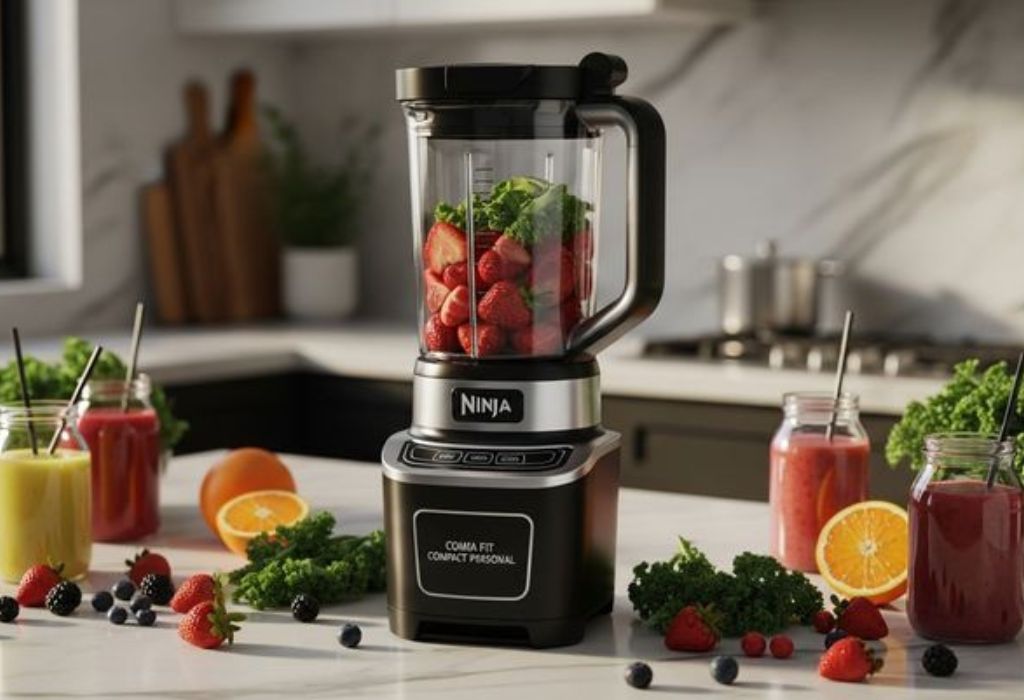
How long a Ninja blender lasts depends heavily on how often and how intensely it’s used. Two identical models can perform very differently if one is used gently while the other handles daily ice or nut grinding.
Frequent blending of tough ingredients like frozen fruit, nuts, or raw vegetables puts extra strain on the motor and couplers. This friction and heat buildup slowly weaken internal components, shortening lifespan. Using more liquid and avoiding overfilling can significantly reduce this stress.
Short blending cycles are also better than continuous long runs. A single 45-second blend followed by a brief rest helps prevent overheating. Allowing time for the motor to cool between batches can easily add years of service life.
Blending technique plays an important role too. Placing liquids at the bottom and solids on top ensures smooth blade movement and prevents stalling. Ignoring this order can cause excessive vibration, which wears out gaskets and blade assemblies faster.
Even environmental factors affect longevity. Storing the blender near heat sources or using it in humid areas can degrade rubber seals and electronic parts. Keeping the base clean and dry protects internal wiring and cooling vents.
In simple terms, gentle, mindful use can extend a Ninja blender’s life from 3 years to 5 or more, while heavy, careless blending often cuts that lifespan short. Good habits make as much difference as product quality itself.
Care and Maintenance to Add 1–2+ Years
Proper maintenance is the most effective way to extend how long a Ninja blender lasts. Even small habits can make a noticeable difference in performance and durability.
The first rule is cleaning immediately after each use. Blending warm water with a drop of dish soap for 20 seconds removes residue before it hardens. Handwashing the jar with a soft sponge instead of using a dishwasher protects the plastic from heat and detergent damage.
Regular inspection is equally important. Check the rubber gasket for cracks or warping, as damaged seals can cause leaks and strain the motor. Replacing these inexpensive parts once a year can prevent bigger problems later.
Keep the blades sharp and balanced. Dull blades increase blending time and force the motor to work harder, leading to premature wear. If the blade assembly becomes loose or noisy, it’s a sign that replacement is needed.
Motor protection should also be a priority. Never blend for more than one minute continuously, and avoid blending heavy ingredients without sufficient liquid. These practices reduce heat buildup and protect the internal windings from burnout.
Finally, store the blender correctly. Keep it unplugged, jar separated from the base, and away from direct sunlight. This prevents unnecessary stress on the coupler and keeps seals from drying out.
When maintained regularly, a Ninja blender can easily gain an extra 1 to 2 years of lifespan, performing almost like new long after its warranty has expired. Simple cleaning and proper care make the biggest difference in how long it continues to blend smoothly.
How Long Do Ninja Blenders Last vs Vitamix and Others
When comparing how long do Ninja blenders last with competitors like Vitamix or Blendtec, the difference mainly comes down to build quality and warranty support.
Ninja targets the mid-range market, offering strong performance at a more affordable price, while Vitamix focuses on premium materials and longer warranties.
Most Ninja blenders last around 3 to 5 years under typical home use, depending on care and maintenance. In contrast, Vitamix blenders often last 7 to 10 years or more, supported by warranties that can extend up to 10 years. This gap reflects the difference in component strength, motor design, and serviceability.
Vitamix machines use metal drive couplers and all-metal gearing, which endure high torque and daily use better than the plastic couplers found in most Ninja models. Ninja’s lightweight build makes it easier to handle but less suitable for continuous heavy-duty blending.
However, Ninja blenders excel in value and versatility. For a fraction of the price, they offer comparable blending power, preset programs, and sleek design. When used correctly and cleaned regularly, many owners find their Ninja blenders lasting well beyond the expected range, making them ideal for everyday home use.
In summary, Vitamix and Blendtec lead in longevity due to premium build and extended warranties, while Ninja wins on cost-efficiency and convenience. With proper maintenance, a Ninja blender can rival pricier competitors in performance for several years—just at a much lower investment.
When to Repair, When to Replace
Every blender eventually reaches a point where maintenance may no longer be enough. Knowing when to repair or replace is key to managing how long do Ninja blenders last without wasting money.
Minor issues like leaking jars, dull blades, or worn gaskets can often be fixed cheaply and easily. Replacement parts are widely available online, allowing users to extend the blender’s life by several years. Replacing these parts early also prevents damage from spreading to the motor or coupler.
However, when major components such as the motor base or drive system fail, repair costs can approach the price of a new blender. In these cases, replacement is usually the smarter choice, especially if the model is out of warranty.
Warning signs of a failing blender include burnt smells, rattling noises, power loss, or jars that no longer lock securely. Continuing to use a damaged unit can cause further internal wear or even safety hazards.
Before replacing, it’s worth checking Ninja’s warranty policy or parts store, as many accessories and bases can be purchased separately. Sometimes a new blade assembly or jar can restore performance without buying a full set.
Ultimately, repair small issues early and replace when performance drops consistently or repairs exceed half the cost of a new model. This balanced approach ensures maximum value and efficiency throughout the lifespan of a Ninja blender.
Realistic Lifespan Ranges and Owner Profiles
Not all Ninja blenders last the same length of time because each user’s habits and frequency of use vary widely. Based on testing data and customer feedback, the realistic lifespan of a Ninja blender depends on how it’s used and maintained over the years.
For light users who blend soft ingredients a few times per week, a Ninja blender can easily last 5 to 7 years. These users put minimal strain on the motor, allowing internal components like couplers and gaskets to stay intact much longer.
For average users blending once daily, typical lifespan falls around 3 to 5 years. With proper cleaning, cooling breaks between uses, and periodic blade or gasket replacements, most units perform reliably well beyond their warranty period.
For heavy users, such as families or meal-prep enthusiasts blending multiple times a day, lifespan tends to shorten to 2 to 3 years. Frequent ice crushing and nut grinding accelerate wear on the motor and couplers, especially without routine maintenance.
Environmental factors also matter. High heat, humidity, or leaving the blender plugged in for long periods can cause premature aging of rubber seals and electrical parts. Keeping the unit in a clean, dry place helps maintain its lifespan.
These profiles show that how long a Ninja blender lasts isn’t just about brand quality—it’s about blending habits. Owners who handle their machines carefully, clean consistently, and avoid excessive strain often enjoy years of dependable performance, even from entry-level models.
Buying Guide If Longevity Is Your Priority

If longevity is the main goal, choosing the right Ninja model can make all the difference. While most models share similar blending power, some are built with better materials and components that directly impact how long do Ninja blenders last.
Start with the motor rating. Higher-wattage models like the Ninja Foodi Power Blender or Ninja Professional Plus handle heavy loads more efficiently, reducing motor strain. A motor between 1200–1500 watts offers the best balance of performance and durability for everyday use.
Next, pay attention to build quality and materials. Look for blenders with stainless-steel blades, reinforced couplers, and Tritan BPA-free jars, which resist cracking and clouding better than cheaper plastics. A solid base with rubber feet also minimizes vibration and wear on internal components.
Models with programmable settings and pre-set blending cycles help maintain consistency while preventing overuse. These automated cycles reduce stress on the motor by adjusting speed automatically during each blend.
Warranty is another key factor. Although most Ninja blenders come with a 1-year limited warranty, certain series or bundles extend coverage up to 5 or 7 years. Reading the fine print helps ensure you’re covered for potential defects or motor issues.
Finally, consider availability of replacement parts. A model with easily replaceable jars, blades, and gaskets ensures longer usability and lower long-term costs. Investing slightly more upfront in a repair-friendly model can easily add 2 extra years of reliable performance.
Choosing a Ninja blender with strong materials, high power, and good warranty support ensures you get maximum value and a lifespan that rivals even higher-end brands.
How long do Ninja blenders last?
Most Ninja blenders last 3 to 5 years with regular home use. With proper care, light users can extend the lifespan to 7 years or more.
Do Ninja blenders last as long as Vitamix?
No. Vitamix blenders typically last 7 to 10 years, while Ninja blenders last 3 to 5 years on average. However, Ninjas cost less and perform well for everyday use.
What causes a Ninja blender to stop working early?
Overheating, overfilling, and poor cleaning habits are the main causes of early failure. Letting the motor rest between blends helps prevent burnout.
Can a Ninja blender last more than 5 years?
Yes. With gentle use, regular cleaning, and occasional part replacement, many owners report their Ninja blenders lasting 6 to 7 years or longer.
Is the Ninja blender warranty a good indicator of lifespan?
Not exactly. Most models come with a 1-year warranty, but lifespan depends on usage. Many blenders outlast the warranty period with proper maintenance.
Which Ninja blender lasts the longest?
Models like the Ninja Foodi Power Blender and Ninja Professional Plus tend to last longer due to stronger motors and durable build materials.
Can you replace parts on a Ninja blender?
Yes. Jars, blades, and gaskets are replaceable, allowing owners to repair common issues and extend overall lifespan without replacing the entire blender.
Does blending ice reduce a Ninja blender’s lifespan?
Frequent ice blending causes extra stress on couplers and blades, which can shorten lifespan. Using enough liquid and shorter blend times helps reduce wear.
How do you make a Ninja blender last longer?
Clean it immediately after use, hand-wash parts, avoid blending for more than a minute continuously, and inspect gaskets or blades regularly for wear.
Is it worth repairing an old Ninja blender?
Yes, if the issue involves simple parts like the blade assembly or jar. But if the motor burns out or repair costs exceed half the price of a new model, replacement is more practical.
Conclusion
In the end, the answer to how long do Ninja blenders last depends on usage, care, and maintenance. On average, most models perform reliably for 3 to 5 years, though light users often see their blenders last up to 7 years or more.
Ninja’s strong motors, sharp blades, and affordable designs make them a practical choice for everyday blending. However, longevity comes from mindful use—avoiding overheating, cleaning promptly after use, and replacing worn parts when needed.
While premium brands like Vitamix may outlast Ninja in commercial settings, a well-maintained Ninja blender can still deliver years of consistent, high-quality performance for a fraction of the price. Treating it properly ensures you get maximum value long after the warranty expires.
So, the realistic answer is clear: a Ninja blender can last several years if used wisely and maintained regularly. With proper care, your Ninja can continue creating smoothies, soups, and sauces long after most budget appliances would have been replaced.
Every blender has a limit, but how you use it determines whether that limit arrives early—or many years down the line.

I’m Emma J. Caldwell, the founder, lead writer, and home-cooking enthusiast behind KitchenGuideCo.com. With a background in culinary arts and over a decade of cooking experience in both professional and personal kitchens, I created this platform to demystify recipes, offer smart kitchen gadget reviews, and guide readers through meal prep with confidence and clarity.