Figuring out how long does a rice cooker last can be tricky, especially if you’re new to cooking or just got your first one. It’s a common question, and the answer isn’t always straightforward because it depends on a few things. Don’t worry, though! This guide will break down the factors that influence the lifespan of your rice cooker and give you some easy tips to make it last. Next, you’ll learn everything you need to know to keep your rice cooker chugging along for years.
What Affects a Rice Cooker’s Lifespan?
Several factors play a role in how long a rice cooker remains a kitchen staple. It’s not just about the brand or how much you use it; it also hinges on how you treat it. Think of your rice cooker like a car: proper care and regular maintenance help it run smoothly and for longer. This section explores the major influences on a rice cooker’s lifespan, helping you to make smart choices that extend its usability.
Quality of Materials
The materials used to build a rice cooker significantly influence its longevity. Higher-quality materials generally result in a longer lifespan. For example, a rice cooker with a stainless steel inner pot and sturdy construction is likely to last longer than one made with cheaper plastics. This includes the heating elements, the inner pot, and the overall outer casing. Good build quality resists wear and tear and maintains performance even with regular use. The quality of components dictates how well the appliance will stand up to the heat, moisture, and potential impacts involved in daily operation.
- Inner Pot Material: The inner pot, where the rice cooks, is subject to a lot of wear and tear.Inner pots are typically made from materials like stainless steel, non-stick coated aluminum, or ceramic. Stainless steel tends to be very durable, resisting scratches and corrosion. Non-stick coatings can be susceptible to damage over time, affecting their functionality, but ease cleaning. Ceramic offers a good balance of durability and non-stick properties.
- Heating Element Quality: The heating element is the heart of the rice cooker.A high-quality heating element ensures even cooking and reduces the risk of premature failure. Cheaper models might use less durable elements that degrade with frequent use, leading to uneven cooking or complete failure. The element’s design also influences its efficiency and life expectancy. Elements designed to handle high temperatures and moisture exposure are built to last longer than those that aren’t.
- Outer Casing and Components: The casing and other components contribute to the overall durability.Rice cookers constructed with robust materials, such as strong plastics or stainless steel, can better withstand accidental drops or other damage. The quality of switches, buttons, and electrical components also affects the cooker’s lifespan. Durable construction minimizes the risk of physical damage that could compromise the cooker’s functionality.
Frequency of Use and Care
How often you use your rice cooker and the level of care you give it directly impact how long it will remain functional. A rice cooker used daily will naturally experience more wear and tear compared to one used occasionally. Likewise, diligent cleaning and maintenance can prevent issues like buildup and damage that shortens its lifespan. Regular maintenance ensures components function correctly and extends the time before any replacements are needed.
- Daily vs. Occasional Use: Frequent cooking can shorten the lifespan.Daily use exposes the rice cooker to repeated heating cycles and potential overwork of its components. Occasional use, on the other hand, puts less strain on the machine, extending its life. The more you cook, the more likely the heating element, control panel, and other parts are to wear out. The frequency of use is a significant factor in determining when the appliance will need repair or replacement.
- Cleaning Practices: Proper cleaning is key to long-term performance.After each use, the inner pot and lid should be cleaned thoroughly to remove food residue. The exterior should be wiped down, and any removable parts should be washed. Leaving rice and other food particles can lead to bacteria growth or affect the performance of the heating element. Regular cleaning prevents build-up, maintains efficiency, and ensures your rice cooker continues to function optimally. Not following cleaning routines may contribute to early malfunctions.
- Maintenance and Inspection: Performing occasional checks is beneficial.Inspecting the power cord for damage, making sure the heating element is free of debris, and checking for any signs of wear can help prevent serious problems. Many models require occasional descaling to remove mineral build-up, which can impede cooking. This proactive approach identifies potential problems early, allowing for timely repairs and prolonging the life of your cooker. Proper maintenance helps minimize unexpected breakdowns.
Brand and Model
The brand and specific model of your rice cooker can greatly influence how long it lasts. While some manufacturers are known for building durable, long-lasting appliances, others might prioritize affordability over longevity. Furthermore, different models within the same brand may vary in terms of quality and lifespan. Selecting a reliable brand known for good performance often results in a rice cooker that serves your needs for many years. Reviewing specifications and customer feedback offers insight into a product’s expected durability.
- Popular Brands and Their Reputation: Some brands are synonymous with quality.Brands like Zojirushi, Tiger, and Cuckoo are often favored for their durable construction and innovative features, and they often command higher price points. These brands generally prioritize using high-quality components and employ rigorous testing before releasing their products. Their reputations for reliability lead customers to expect a longer lifespan. This contributes to better user experiences.
- Model Variations and Features: Different models may offer varied lifespans.Within a brand, higher-end models tend to have more durable components and advanced features, resulting in longer lifespans. Basic models may use more cost-effective materials, which can impact durability. Look at the specific features offered by a rice cooker. Models with more functions might have more complex internal systems, potentially increasing the chance of component failure.
- Reviews and Customer Feedback: Before buying, investigate what others say.Customer reviews give insights into the real-world performance and longevity of various models. Feedback regarding the average lifespan, common issues, and the responsiveness of customer service can influence purchasing decisions. Checking for common complaints or praise about a particular model can help you anticipate how long the rice cooker will last. Using reviews enables informed choices.
How Long Does a Rice Cooker Last in Reality?
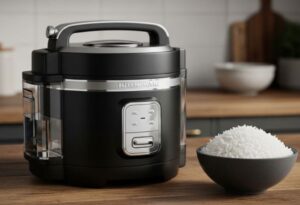
Understanding the expected lifespan of a rice cooker allows you to make informed decisions about purchasing and maintaining your appliance. While it’s impossible to predict precisely how long any specific rice cooker will last, some general guidelines and factors can help you estimate its longevity. This section explores the typical lifespan based on common usage scenarios and the key indicators that suggest your rice cooker might be nearing the end of its useful life.
Typical Lifespan Ranges
The average lifespan of a rice cooker varies depending on usage, brand, and maintenance. However, there are some basic guidelines that can help set reasonable expectations. The following ranges give an idea of what you can anticipate from your rice cooker, depending on how often it’s used and how well it’s maintained. Knowing these ranges helps you plan for potential replacement costs and informs your purchasing decisions.
- Entry-Level Models: Generally, the shortest lifespan.Entry-level or basic rice cookers, which are typically more affordable, may last anywhere from 1 to 3 years. These models often use simpler components, and the materials aren’t as robust as those used in higher-end models. Heavy or daily use will likely result in a shorter lifespan for this category. Proper maintenance can extend the life, but the inherent design limitations often lead to earlier failure.
- Mid-Range Models: A balance of price, features, and durability.Mid-range rice cookers, commonly sold, can last between 3 to 5 years. These models offer a better balance of price and build quality, with more durable components and often include features such as keep-warm functions and different cooking modes. With proper care and average use, these cookers are a reliable kitchen appliance. They are often a good choice.
- High-End Models: Designed for superior longevity.High-end or premium rice cookers, which are often expensive, have the potential to last 5 to 10 years or even longer. These models are constructed with premium materials and advanced features, such as induction heating, which promotes even cooking and reduces wear and tear. Regular maintenance, including descaling and diligent cleaning, is important to reach the maximum lifespan.
Signs Your Rice Cooker Is Dying
Recognizing the warning signs that your rice cooker is nearing the end of its useful life can help you avoid unexpected failures and allow for a timely replacement. These indicators can vary, but generally, they signal that a component is failing or that the machine is no longer operating effectively. Being aware of these signs can prevent potential kitchen accidents.
- Uneven Cooking: Poor heat distribution is a common sign.If your rice is consistently undercooked in some areas or overcooked in others, the heating element might be damaged or the heat distribution is compromised. This is one of the first indicators that the heating element, the most critical component, might be failing. Uneven cooking can also be caused by wear on the inner pot or by build-up that prevents proper heat transfer.
- Difficulty Maintaining Heat: The keep-warm function failing.If your rice cooker cannot keep cooked rice warm for extended periods or if the keep-warm function struggles to maintain the correct temperature, it indicates that the heating element is not functioning correctly. This feature is reliant on a secondary, lower-power heating system and its failure means the primary function might be at risk. This can impact the quality of the rice and the convenience of the appliance.
- Physical Damage: Visible issues affecting the cooker’s performance.Cracks in the inner pot, damage to the heating element, or issues with the control panel can affect the cooker. If the lid does not seal properly, steam will escape, affecting the cooking process and potentially damaging internal components. Such physical damage requires immediate attention. Ignoring these issues can lead to increased safety risks.
Extending Your Rice Cooker’s Life
Taking care of your rice cooker through regular maintenance and mindful use can significantly extend its lifespan. By following some simple practices, you can maximize your appliance’s longevity and keep it working efficiently for years. This section provides detailed guidance on the best practices to maintain and preserve your rice cooker, helping you to make the most of your kitchen investment.
Proper Cleaning and Maintenance
Cleaning your rice cooker thoroughly and regularly is crucial for its long-term performance and functionality. Consistent care prevents the build-up of food residue and mineral deposits, ensuring the appliance operates efficiently and remains hygienic. Incorporating these simple cleaning steps into your routine will greatly contribute to extending the life of your cooker. A clean rice cooker is a happy rice cooker.
- Cleaning After Each Use: This prevents residue build-up.After each use, remove the inner pot, wash it with warm soapy water, and dry it completely. Wipe down the exterior of the rice cooker with a damp cloth. Also, clean the lid to remove any condensation or food particles. Consistent cleaning ensures no food residue remains that could damage the heating element or the functionality. Thorough cleaning also helps maintain hygiene.
- Dealing With Hard Water Mineral Buildup: Descaling when necessary.If you have hard water, mineral deposits can accumulate in the rice cooker. To remove mineral build-up, use a descaling solution appropriate for your rice cooker’s materials. Follow the manufacturer’s instructions to ensure you don’t damage any components. Descaling is crucial for maintaining the heating element’s efficiency and overall performance.
- Checking the Power Cord and Exterior: Inspecting for signs of damage.Regularly inspect the power cord for any signs of damage, such as fraying or cracking. Make sure the exterior of the rice cooker is free from any physical damage that could compromise the cooker’s operation or pose a safety risk. By quickly identifying any wear and tear, you can address it before it leads to serious problems. Performing such regular checks is a practical step.
Correct Usage Tips
How you use your rice cooker also plays a large role in its lifespan. Following correct usage guidelines can prevent unnecessary wear and tear, ensuring that all components last longer and that your cooker performs optimally. These tips will help you use your rice cooker in the most efficient and effective way possible. Following these instructions will also help your rice cooker cook rice with consistent and satisfying results.
- Avoid Overfilling the Pot: Preventing spills and damage.Always fill the inner pot within the recommended levels. Overfilling can cause the rice and water to boil over, potentially damaging the heating element and other internal components. It may also lead to a mess that can be challenging to clean. Following the guidelines is an easy step that protects the cooker. Overfilling might cause inaccurate cooking results, too.
- Using the Correct Water to Rice Ratio: This influences both results and performance.Accurate measurement is crucial for preventing problems. Incorrect water-to-rice ratios can impact the cooking process. Using too little water can cause the rice to burn, while too much may lead to overflows and potential damage. The right ratio affects the texture of the rice. Accurate measurements ensure that your rice cooks properly and prolongs the lifespan of your appliance.
- Allowing for Cooling and Ventilation: Preventing overworking.After cooking, let the rice cooker cool down completely before cleaning or storing it. Do not place the cooker on a surface that is not heat-resistant. Provide adequate ventilation during cooking, such as by making sure the cooker is not enclosed or covered. Letting your rice cooker cool down before cleaning will lengthen its life. Such precautions will help to protect the appliance from damage.
Storage Practices
Storing your rice cooker correctly can prevent potential damage and contribute to its longevity. Proper storage protects the appliance from environmental factors and physical hazards that might affect its function. Following the right procedures will help ensure that your rice cooker remains in good working condition when you’re ready to use it. These simple steps are easy to integrate into your routine.
- Storing in a Dry Place: Avoiding moisture and humidity.Store your rice cooker in a dry, cool area to prevent moisture and condensation from affecting the electrical components. Excessive humidity can lead to corrosion and damage. Never store your rice cooker in damp conditions. A dry environment ensures your appliance stays functional and prevents potential issues.
- Protecting from Extreme Temperatures: Preventing damage.Keep the rice cooker away from extreme temperatures. Store the appliance in a place with a consistent temperature. Avoid storing it near direct sunlight or heat sources, as extreme temperatures can damage its components. Proper temperature regulation helps to preserve the lifespan of your rice cooker.
- Keeping the Lid and Accessories: Protecting the lid and accessories.Store the lid and any other accessories (such as the measuring cup or rice paddle) with the rice cooker. Make sure all parts are clean and dry before storing them to prevent mold or bacterial growth. Proper organization ensures that all parts are accessible when you need them and reduces the risk of misplacement. It also protects the cooker from dust and debris.
How Long Does a Rice Cooker Last Comparison
Choosing the right rice cooker and knowing how to maintain it can seem like a lot. To help make things clearer, here is a comparison table to simplify the most important details. This table will make it easier to understand how long a rice cooker might last, depending on some things. The comparison gives an easy-to-read view that can assist you in making informed decisions about care and purchasing.
| Factor | Entry-Level Models | Mid-Range Models | High-End Models |
|---|---|---|---|
| Average Lifespan | 1-3 years | 3-5 years | 5-10 years+ |
| Materials | Basic plastics, simple heating element, thin inner pot | Better quality plastics and metals, more efficient heating element, durable inner pot | High-quality materials, stainless steel, induction heating, premium inner pot |
| Features | Basic cooking functions | Keep-warm function, multiple cooking modes | Advanced features such as multiple cooking settings and induction heating |
| Maintenance Needs | Minimal, simple cleaning | Regular cleaning, occasional descaling | Regular cleaning, descaling, and care |
| Best For | Infrequent use, budget-conscious consumers | Regular use, people who value a balance of features and cost | Frequent use, those who want top-quality rice and durability |
Frequently Asked Questions
Question: How often should I clean my rice cooker?
Answer: It’s best to clean your rice cooker after each use, focusing on the inner pot, lid, and exterior to remove any food residue.
Question: What’s the best way to clean the inner pot?
Answer: Wash the inner pot with warm, soapy water and a soft sponge. Avoid using abrasive cleaners or scrub brushes that could damage the non-stick coating.
Question: How can I tell if my rice cooker is about to fail?
Answer: Watch for signs like uneven cooking, difficulty keeping rice warm, or physical damage, such as cracks in the inner pot or problems with the power cord.
Question: Can I use metal utensils in my rice cooker?
Answer: It’s best to avoid using metal utensils, as they can scratch the non-stick coating of the inner pot. Use plastic or wooden utensils.
Question: How should I store my rice cooker when not in use?
Answer: Store the rice cooker in a cool, dry place away from direct sunlight and extreme temperatures, and make sure it is completely dry before storing.
Final Thoughts
Understanding how long does a rice cooker last helps to make informed choices. The life of your rice cooker relies on a combination of factors, including the quality of materials, usage frequency, and the care you provide. In general, entry-level cookers might last a few years, while mid-range models can last longer. High-end models have the potential to keep cooking rice for quite some time. Regular cleaning, using the right amount of water, and proper storage are the keys to increasing the lifespan of your appliance. Taking these steps protects your cooker. By taking care of your rice cooker, you can expect delicious, perfectly cooked rice for years to come. Remember, a well-cared-for rice cooker is a happy and long-lasting one. Now, go forth and enjoy your perfectly cooked rice!

I’m Emma J. Caldwell, the founder, lead writer, and home-cooking enthusiast behind KitchenGuideCo.com. With a background in culinary arts and over a decade of cooking experience in both professional and personal kitchens, I created this platform to demystify recipes, offer smart kitchen gadget reviews, and guide readers through meal prep with confidence and clarity.