You’ve just bought a brand-new dishwasher — sleek, efficient, and ready to end the nightly dishwashing struggle. But before you can enjoy spotless plates with the push of a button, one question probably comes to mind: how long does it take to install a dishwasher at home?
The answer isn’t as simple as you might think. Installation time can vary depending on whether you’re replacing an old dishwasher or setting one up for the first time. If plumbing, drainage, and power lines are already in place, the job could take less than two hours. But if you’re adding a dishwasher to a kitchen that’s never had one before, the process might stretch to four or even six hours.
Most people assume that installing a dishwasher is a quick plug-and-play task — but in reality, it’s a careful process that involves connecting water lines, securing the drain, wiring electricity, and leveling the appliance. Missing one small detail can lead to leaks, imbalance, or poor cleaning performance later on.
Whether you plan to do it yourself or hire a professional, knowing what to expect helps you save time and avoid frustration. In this guide, we’ll break down exactly how long dishwasher installation takes in different situations, what factors affect the timeline, and how you can speed up the process safely.
By the end, you’ll know not only how long it takes to install a dishwasher at home — but also how to make the process smoother, smarter, and stress-free.
Average Time to Install a Dishwasher at Home
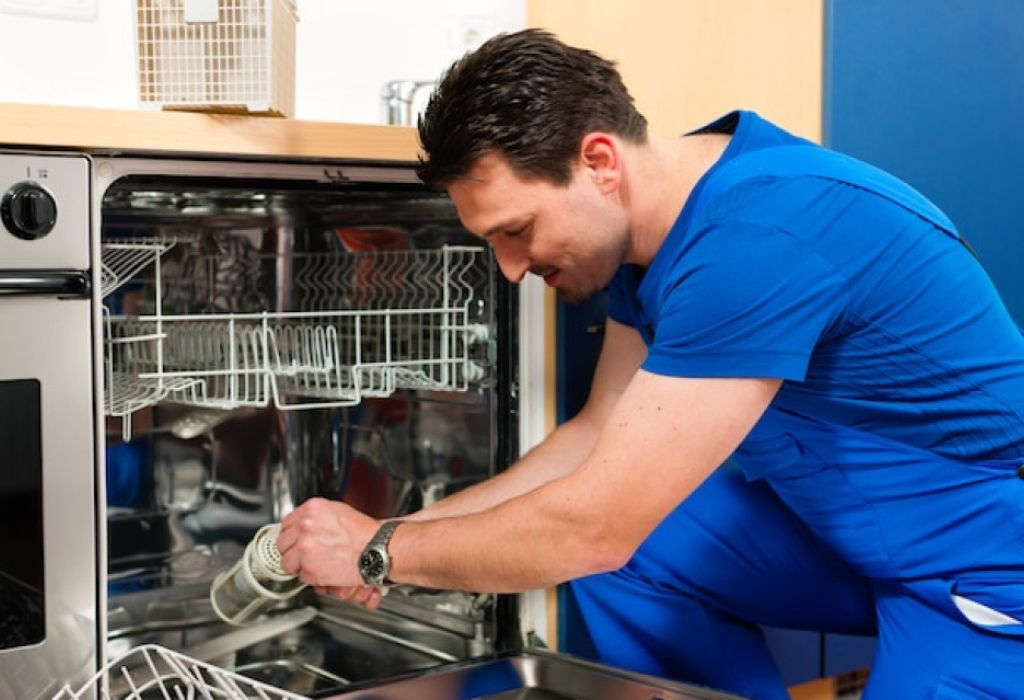
Installing a dishwasher might sound simple, but the actual time it takes depends on your setup, tools, and experience. On average, a standard dishwasher installation at home takes between 1.5 and 3 hours if you’re replacing an existing unit. However, if it’s your first time installing one — meaning no previous plumbing or electrical connections — it could take 4 to 6 hours or even longer.
A replacement installation is much faster because all the hookups are already there. You just remove the old unit, slide in the new one, and reconnect the water, drain, and power lines. For this type of job, a professional can usually finish within 90 minutes, while a homeowner may need 2–3 hours.
A new installation, on the other hand, takes more time. You’ll need to measure space, drill new holes for hoses, install a power outlet or hardwire connection, and connect new water and drain lines. Each step adds time, especially if modifications to cabinets or countertops are required.
Even small details like tightening water fittings, adjusting the leveling legs, or testing for leaks can extend the total duration. Still, taking the time to do these properly ensures your dishwasher runs efficiently for years to come.
How long does it take to install a dishwasher from start to finish?
Typically 1–3 hours for replacements, and 4–6 hours for first-time setups.
Can installation take longer than a day?
Only if you need new plumbing or electrical work before the dishwasher is connected.
Does the dishwasher brand affect installation time?
Yes, premium or built-in models often require extra steps for alignment and insulation.
Can I install a dishwasher in under an hour?
That’s rare and only possible if it’s a like-for-like swap with perfect fittings.
Why do new installations take longer than replacements?
Because they require new connections, wiring, and cabinet modifications.
DIY vs Professional Dishwasher Installation Time
When it comes to installing a dishwasher, the total time largely depends on who’s doing the job. While many homeowners prefer to save money by handling the installation themselves, others hire a professional for faster, worry-free setup. Each option comes with its own timeline, benefits, and challenges.
A DIY installation typically takes between 2 to 4 hours, depending on your experience level and the condition of your kitchen connections. If you already have the right tools — such as an adjustable wrench, screwdriver, Teflon tape, and pliers — and your water and drain lines are accessible, the process can go smoothly.
However, if you encounter stubborn fittings, tight spaces, or unclear wiring, it can easily stretch beyond four hours. The main advantage of DIY installation is saving labor costs, but the trade-off is extra time and the risk of small mistakes like leaks or improper alignment.
A professional installation, on the other hand, is much faster. Trained technicians can complete a standard replacement in 1 to 2 hours, since they have the proper tools, fittings, and experience to work efficiently. They also handle tasks like sealing, leveling, and testing for leaks, ensuring that everything meets safety standards. For new installations requiring electrical or plumbing upgrades, the total time may extend to 3 hours, but professionals still tend to finish the job faster and more precisely.
In short, DIY installation saves money but takes more time, while professional installation costs more but guarantees speed and peace of mind.
Is DIY dishwasher installation hard for beginners?
Not necessarily, but it requires patience, proper tools, and careful attention to instructions.
Do professionals install dishwashers faster?
Yes, they can finish in half the time since they know the steps and have the right tools.
What’s the average cost difference?
DIY costs about $50–$100 in supplies, while professionals charge $150–$300 on average.
Do professionals offer warranties on installation?
Yes, most companies provide a 30–90 day warranty for workmanship and leak protection.
Can DIY mistakes delay installation?
Absolutely. Incorrect drain placement or loose connections can easily double your installation time.
Step-by-Step Timeline for Installing a Dishwasher
Installing a dishwasher follows a clear sequence of steps, and knowing what to expect at each stage helps you plan your time better. Whether you’re a DIYer or hiring a pro, the process generally takes 1.5 to 4 hours depending on preparation, experience, and the condition of your existing setup.
Step 1: Preparing the Area (15–30 minutes)
Start by disconnecting power at the circuit breaker and shutting off the water supply. Remove the old dishwasher if you’re replacing one, and clean out the space underneath the countertop. Make sure your electrical outlet, water valve, and drain line are easy to access.
Step 2: Hooking Up the Water Line (30–45 minutes)
Attach the new water supply line to the dishwasher’s inlet valve. Use Teflon tape on the threads to prevent leaks, and ensure the connection is snug but not over-tightened. Double-check that the shut-off valve is working before proceeding.
Step 3: Connecting the Drain Hose (15–30 minutes)
Connect the dishwasher’s drain hose to either the sink drain or garbage disposal. Secure it with a clamp and make sure it forms a high loop to prevent backflow. This step is crucial to avoid water drainage issues later.
Step 4: Electrical Connection (20–40 minutes)
Plug the dishwasher into a nearby outlet or connect the wires directly if it’s a hardwired unit. Match the color-coded wires (black to black, white to white, and green to ground). Always confirm that the power is off before touching any wiring.
Step 5: Positioning and Leveling (15–20 minutes)
Slide the dishwasher into place carefully, avoiding kinks in the hoses or cords. Use a level to adjust the legs until the appliance sits evenly under the counter. A properly leveled dishwasher prevents leaks and ensures even water distribution.
Step 6: Testing and Cleanup (10–15 minutes)
Turn the power and water back on, then run a short rinse cycle to test for leaks. Check under the unit and around connections. Once confirmed, clean up tools, wipe down the exterior, and reinstall the kick plate cover.
What’s the hardest part of installing a dishwasher?
Connecting the drain line properly — leaks or poor drainage often stem from this step.
How can I make installation faster?
Prep tools, clear the space, and preassemble hoses before starting the process.
Do I need to shut off the main water supply?
Yes, always turn it off to prevent spills or pressure buildup while connecting the line.
What tools are required for dishwasher installation?
You’ll need a wrench, screwdriver, pliers, level, Teflon tape, and safety gloves.
Can I test the dishwasher right after installation?
Yes, run a quick rinse or short cycle to check for leaks and confirm drainage.
Factors That Affect Dishwasher Installation Time
Even with a clear process, installation time can vary greatly depending on several real-world factors. From your kitchen layout to the type of dishwasher you’ve purchased, every small detail can influence how long the setup actually takes. Understanding these variables helps you plan realistically and avoid unnecessary delays.
1. Type of Installation (Replacement vs New)
Replacing an old dishwasher is always quicker because the plumbing, electrical wiring, and drain lines are already in place. A new installation requires creating or extending these connections, which can easily double the time.
2. Kitchen Layout and Accessibility
If your dishwasher space is cramped, or the water and power lines are difficult to reach, installation takes longer. Built-in cabinets or awkward corners can also slow down positioning and leveling.
3. Electrical and Plumbing Conditions
Older homes may not have compatible outlets or water valves. Adding new wiring, shut-off valves, or drain extensions adds extra steps and more time to the process.
4. Dishwasher Size and Model
Not all dishwashers are identical in size or design. Compact or portable units install faster, while built-in, panel-ready, or high-end smart dishwashers may require additional alignment and connection checks.
5. Installer Experience and Tools
A professional with experience and specialized tools can cut the installation time nearly in half compared to a first-time DIYer. Proper preparation — such as having fittings, hoses, and sealants ready — also makes a big difference.
Does countertop height affect installation time?
Yes, if cabinets or countertops are misaligned, you may need trimming or adjustments, which add time.
How much time do electrical upgrades add?
Typically 1–2 hours extra, depending on whether a new outlet or breaker is required.
What if my dishwasher doesn’t fit the existing space?
You’ll need to modify or cut cabinetry to accommodate it, which can take another hour or two.
Can water pressure affect installation speed?
Yes, low pressure can make leak testing and rinsing take longer.
Is prep work before delivery included in the installation time?
No, the clock starts when installation begins — not during delivery or unboxing.
Common Problems That Can Delay Dishwasher Installation
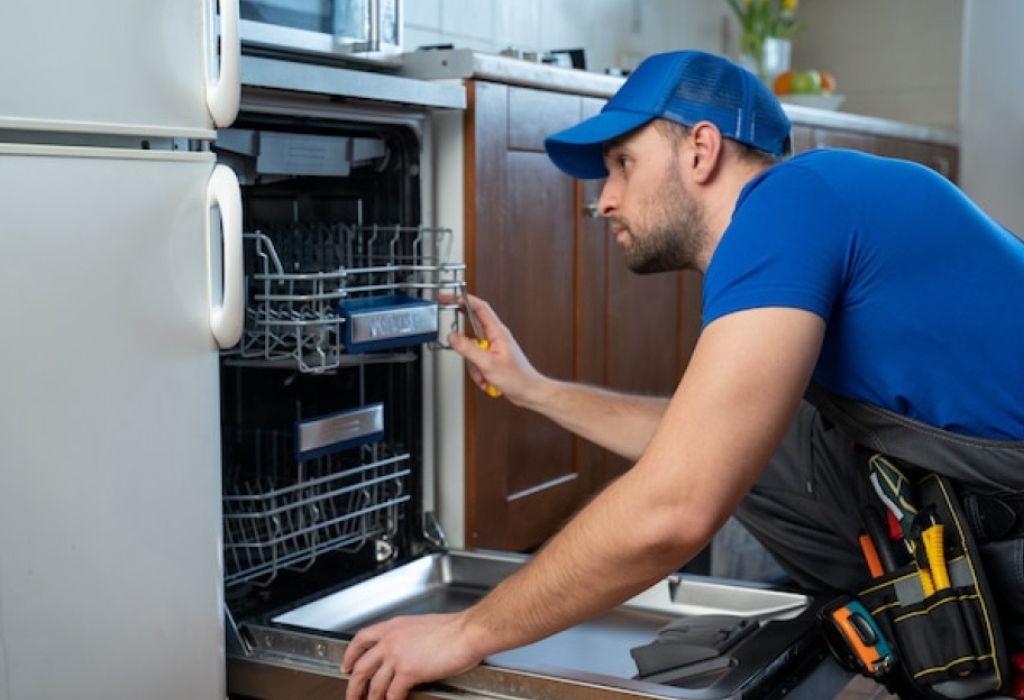
Even with careful planning, a few unexpected issues can slow down your dishwasher installation. Recognizing these common problems early can save hours of frustration and help you stay on schedule.
One frequent cause of delay is tight or corroded fittings on the old dishwasher’s water line. These can be difficult to loosen and may require replacement parts. Having spare fittings and Teflon tape ready prevents long pauses mid-installation.
Another common problem is incorrect wiring or incompatible power outlets. Some dishwashers require a direct connection, while others plug into a standard outlet. Always check voltage requirements before starting — rewiring can add an extra hour or two.
Uneven flooring or misaligned cabinetry can also slow you down. If your dishwasher doesn’t sit level, it can lead to leaks, poor drainage, or even noise during operation. Adjusting the leveling feet or trimming a cabinet edge takes extra time but ensures perfect alignment.
Lastly, missing or damaged parts — such as mounting brackets or hose clamps — are common causes of delay. Inspect your new dishwasher and verify all components before removing the old unit.
What’s the most common cause of installation delays?
Usually old or rusted fittings that are difficult to disconnect.
Can flooring or countertop height cause issues?
Yes, uneven floors or tight spaces can make alignment and leveling slower.
What if the new dishwasher has a different plug type?
You may need to install a compatible outlet or adapter before proceeding.
Do delivery damages delay installation?
Absolutely — always inspect for dents, broken clips, or missing accessories first.
Can poor prep work add hours to installation?
Yes, most delays happen when tools or replacement parts aren’t ready beforehand.
How Long Does It Take to Replace an Old Dishwasher
Replacing an old dishwasher with a new one is much faster than a full installation from scratch. That’s because most of the required plumbing, electrical, and drainage connections are already set up. For most homes, the entire replacement process takes around 1.5 to 2 hours, depending on how smoothly the removal and reconnection go.
The first step — removing the old unit — usually takes about 20 to 30 minutes. This includes disconnecting the water line, power supply, and drain hose. If there’s any rust, mineral buildup, or stripped fittings, it may take a little longer.
Once the old dishwasher is out, the area should be cleaned and inspected for water damage or mold before installing the new one.
Installing the new unit is typically straightforward. The existing hookups are reconnected to the new machine, and the unit is leveled under the counter. After a leak and drain test, most professionals wrap up within 90 minutes, while DIY installers might take up to 3 hours if adjustments are needed.
It’s important to replace any old hoses or fittings during this process. Reusing worn-out parts might save a few minutes now but could lead to leaks later. Spending an extra 10 minutes replacing them ensures a trouble-free setup that lasts for years.
Do I need a plumber to replace a dishwasher?
Not always — if you’re comfortable with basic tools and connections, you can do it yourself.
Should I clean the space before installing the new one?
Yes, wipe down the area and check for mold, leaks, or debris before sliding in the new unit.
Can I reuse my old water line?
It’s better to replace it. Old lines may be brittle or corroded and can cause leaks.
Do new dishwashers fit the same space as old ones?
Usually yes — most are standardized at 24 inches wide, but always measure before buying.
What happens to the old dishwasher?
Most retailers offer a haul-away service for a small fee or as part of delivery.
When to Call a Professional for Help
While many homeowners successfully install dishwashers themselves, certain situations call for a trained technician. Knowing when to stop and get help can prevent costly mistakes and water damage.
If you’re dealing with complicated plumbing or electrical wiring, it’s best to hire a professional. Installing new lines, outlets, or shut-off valves isn’t a typical DIY task — and incorrect setup could lead to leaks or circuit issues later.
You should also call for help if your dishwasher doesn’t fit the space properly, especially in older kitchens with nonstandard cabinetry. Professionals can safely modify the area, cut panels, or reroute connections to ensure a perfect fit.
Another clear sign to get assistance is persistent leaking or error codes after testing the unit. These can indicate incorrect hose positioning, unlevel placement, or internal connection problems that require expert repair.
Finally, if you’ve spent more than four hours stuck on one part of installation, it’s worth calling in an expert. A professional can complete the setup in less than half that time and provide warranty-backed assurance for peace of mind.
When should I hire a professional installer?
Any time you need new plumbing, electrical work, or complex fitting adjustments.
Is it worth paying for professional installation?
Yes, especially for new setups or high-end dishwashers that need precise alignment.
Can pros fix mistakes from a failed DIY attempt?
Definitely — many services offer corrections or re-installation at a small extra fee.
Do professionals offer same-day installation?
Yes, many retailers and independent installers provide same-day or next-day service.
What’s the risk of continuing a bad DIY installation?
Improper seals or connections can cause leaks, short circuits, and long-term water damage.
Professional Installation Timeline Explained
Hiring a professional to install your dishwasher is the fastest and most reliable option — especially if you want everything done perfectly on the first try. Experienced technicians follow a streamlined process and usually complete the job in 1 to 2 hours for a replacement, or up to 3 hours for a brand-new installation that requires extra plumbing or electrical work.
Arrival and Setup (10–15 minutes)
The technician begins by inspecting the installation space, checking that your water supply, drain hose, and electrical outlet meet the dishwasher’s requirements. They’ll also verify the dimensions to make sure the new unit fits properly under your counter.
Installation Process (60–90 minutes)
Next, they connect the water supply line, attach the drain hose, and handle the electrical wiring. Professionals have specialized tools that allow them to work quickly and efficiently, minimizing the risk of leaks or alignment issues. During this stage, they’ll also level the dishwasher and secure it in place.
Testing and Walkthrough (15–30 minutes)
Once installation is complete, the technician will run a short test cycle to check for leaks and proper drainage. They’ll review the dishwasher’s functions with you, explain maintenance tips, and ensure everything runs smoothly before leaving.
In most cases, the entire process — from unboxing to final testing — is done within two hours. You’ll save time, avoid potential mistakes, and benefit from professional guarantees or warranties that protect your investment.
How long do professionals take for a standard installation?
Usually around 1–2 hours for replacements and up to 3 hours for new installations.
Do professionals remove the old dishwasher?
Yes, most services include haul-away and proper disposal of your old unit.
Will the technician test the dishwasher before leaving?
Absolutely — leak and drain tests are standard before completion.
Can pros install the same day as delivery?
Yes, if you schedule in advance or purchase installation through the retailer.
Do professional installations come with a warranty?
Yes, most companies offer a 30–90 day workmanship warranty covering leaks or misalignment.
How to Save Time During Dishwasher Installation

If you want your dishwasher installation to go smoothly and finish faster, the secret lies in preparation. A well-organized setup can cut your installation time nearly in half, whether you’re doing it yourself or hiring a professional.
Start by measuring the space accurately before delivery day. Dishwashers are standardized at 24 inches wide, but even a half-inch difference in cabinet size can cause delays. Make sure the water valve, drain, and power outlet are easily accessible and free of obstructions.
Before you begin, gather all your tools and parts — including wrenches, screwdrivers, Teflon tape, and a level. Having everything within reach saves you from multiple trips mid-installation. If possible, preassemble the water line and drain hose, which can save 20–30 minutes later.
Clean the installation area thoroughly. Remove debris, old screws, or bits of insulation left behind from the previous dishwasher. A cluttered workspace can slow you down and make leveling the unit harder.
Finally, read through the manufacturer’s installation manual beforehand. Even experienced installers can waste time figuring out brand-specific mounting brackets or connection placements. Ten minutes of reading can prevent hours of rework.
What prep can I do before installation day?
Clear the space, test the power outlet, and ensure the water valve and drain hose are working properly.
Can I reuse old connections to save time?
Only if they’re in excellent condition. Replacing them now prevents leaks and future delays.
Does reading the manual really make a difference?
Yes, it helps you understand model-specific steps and avoid time-consuming mistakes.
How much time does clutter add to installation?
A messy workspace can easily add 30–45 minutes to the job.
Should I unbox the dishwasher before the installer arrives?
Yes, it saves time and allows you to inspect for dents or missing parts beforehand.
Final Thoughts: How Long Does It Really Take?
So, how long does it actually take to install a dishwasher at home? The short answer: between 1.5 and 4 hours in most cases. The long answer depends on your specific setup, whether you’re replacing an old unit or installing one for the first time, and how prepared you are before starting.
For a simple replacement, the process is quick — typically done in about two hours or less. But if you’re setting up new plumbing or wiring, expect the project to stretch up to five or six hours. DIY installers often spend more time measuring, connecting, and testing, while professionals complete the job faster thanks to their tools and experience.
The best way to save time is preparation. Measure your space, have all supplies ready, and understand each step before you begin. If you prefer a hands-off approach, hiring a professional ensures accuracy and efficiency — especially for new installations.
Ultimately, dishwasher installation doesn’t have to be stressful or time-consuming. With a little organization and the right knowledge, you can have your new appliance running perfectly by the end of the afternoon — ready to take on those dirty dishes with ease.
What’s the average installation time nationwide?
Roughly 2 hours for replacements and 4–5 hours for first-time setups.
Does brand choice affect installation time?
Only slightly — high-end models may take longer due to extra features or insulation panels.
Can having an extra person help?
Yes, a second person makes lifting, aligning, and sliding the unit much easier and faster.
Is it okay to use the dishwasher immediately after install?
Yes, after testing for leaks and ensuring proper drainage, it’s safe to use.
Does rushing the installation cause problems later?
Absolutely — skipping checks or tightening connections poorly can lead to leaks and costly repairs.

I’m Emma J. Caldwell, the founder, lead writer, and home-cooking enthusiast behind KitchenGuideCo.com. With a background in culinary arts and over a decade of cooking experience in both professional and personal kitchens, I created this platform to demystify recipes, offer smart kitchen gadget reviews, and guide readers through meal prep with confidence and clarity.