Achieving pressure cooker success with natural release hinges on understanding its variable nature; it’s rarely a fixed time. Factors like food volume, liquid content, and initial pressure dictate this crucial period, which can range anywhere from 10 minutes to well over 30. This gentle, essential process prevents overcooking and ensures food safety, making patience key for perfect results.
Unlock Pressure Cooker Success How Long Does Natural Release Take
Ever wonder about that quiet period after your pressure cooker beeps, signaling it’s done cooking? That, my friend, is natural release in action. So, how long does natural release take? Well, it’s not a one-size-fits-all answer, but generally, you’re looking at anywhere from 5 to 30 minutes, sometimes even a bit longer, depending on what’s inside. Think of it as your pressure cooker taking a gentle sigh, gradually letting go of the pressure on its own.
I know the temptation to rush it can be strong, especially when delicious aromas fill your kitchen! But learning the rhythm of natural release is key to perfectly cooked food and safe operation. It truly makes a difference in texture and tenderness. Let’s dive deeper into understanding this essential step.
How long does natural release really take in a pressure cooker, and what factors affect it?
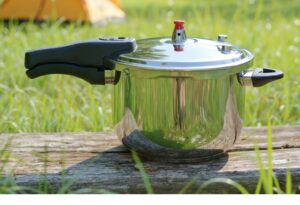
When we talk about how long does natural release take, we’re discussing the process where the pressure inside your cooker decreases slowly and naturally. Instead of forcing steam out quickly (which is a quick release), natural release lets the temperature drop gradually. This is crucial for several reasons, mainly for food quality and safety. It prevents foamy liquids from erupting and helps certain foods, like meats and grains, finish cooking and tenderize beautifully. It’s like letting a steak rest after grilling; it redistributes the juices!
Several factors play a big role in determining the timeline:
- Volume of Food and Liquid: This is probably the biggest factor. The more stuff you have in your pot, especially liquid, the longer it will take for the pressure to naturally dissipate. A full pot of chicken broth will take significantly longer than a single chicken breast.
- Type of Food: Dense foods or those with high water content, like beans or stews, tend to retain heat longer, thus prolonging the natural release process.
- Initial Pressure Level: If your cooker reached a very high pressure, it will naturally take more time for that pressure to come down completely.
- Pot Size and Material: While less impactful, a larger, heavier pot might retain heat slightly longer than a smaller, lighter one.
- Ambient Room Temperature: A small factor, but a cooler kitchen might slightly speed up the process compared to a very warm one.
From my own experience, the average time I see the float valve drop (indicating pressure is gone) ranges from 10 to 20 minutes for most dishes. For instance, when I make a big batch of chickpeas, I usually budget a full 25-30 minutes for a complete natural release. I’ve found that rushing it, even slightly, can lead to tougher beans or less tender meat.
Here are some real-life examples and tips I’ve picked up:
- For Grains (Rice, Quinoa): I always, always let rice do a full natural release. It typically takes 10-15 minutes for my rice cooker to fully depressurize. This makes the grains perfectly fluffy and less sticky. If I rushed it with a quick release, the rice would be too moist and starchy.
- For Meats (Roasts, Stews): This is where natural release really shines! For a pot roast or tough cuts like short ribs, I let it go for at least 15-20 minutes, sometimes even 25. The meat becomes incredibly tender, and the juices reabsorb, making it moist and flavorful. I remember one time I got impatient with a beef stew and did a quick release; the meat was noticeably tougher. Lesson learned!
- For Legumes (Beans, Lentils): These can be tricky! To prevent skin breakage and ensure even cooking, a full natural release (20-30 minutes for dried beans) is best. It’s like magic how perfectly creamy they turn out.
- For Soups and Broths: For safety and to avoid a geyser of hot liquid, a natural release is essential. It can take 20-30 minutes for a big pot of bone broth. Patience is key here.
- Hybrid Release: Sometimes, a recipe might call for a partial natural release, say for 5-10 minutes, followed by a quick release. This is great for delicate vegetables or certain recipes where you want to stop the cooking quickly but still get some of the benefits of a gentle depressurization. I often do this for hard-boiled eggs; 5 minutes of natural release, then quick release to prevent overcooking.
My biggest tip? Listen to your cooker. Once the float valve drops, that’s your sign that the pressure is gone, and it’s safe to open. Don’t try to force it open before then. It’s a safety mechanism for a reason!
Ultimately, understanding how long does natural release take means learning to trust the process. It’s a small waiting game that pays off big in terms of cooking perfection and peace of mind.
So, the next time your pressure cooker goes quiet after cooking, resist the urge to rush. Let the natural release process do its job. A little patience goes a long way in achieving perfectly cooked, incredibly tender, and delicious results every single time. Happy cooking!