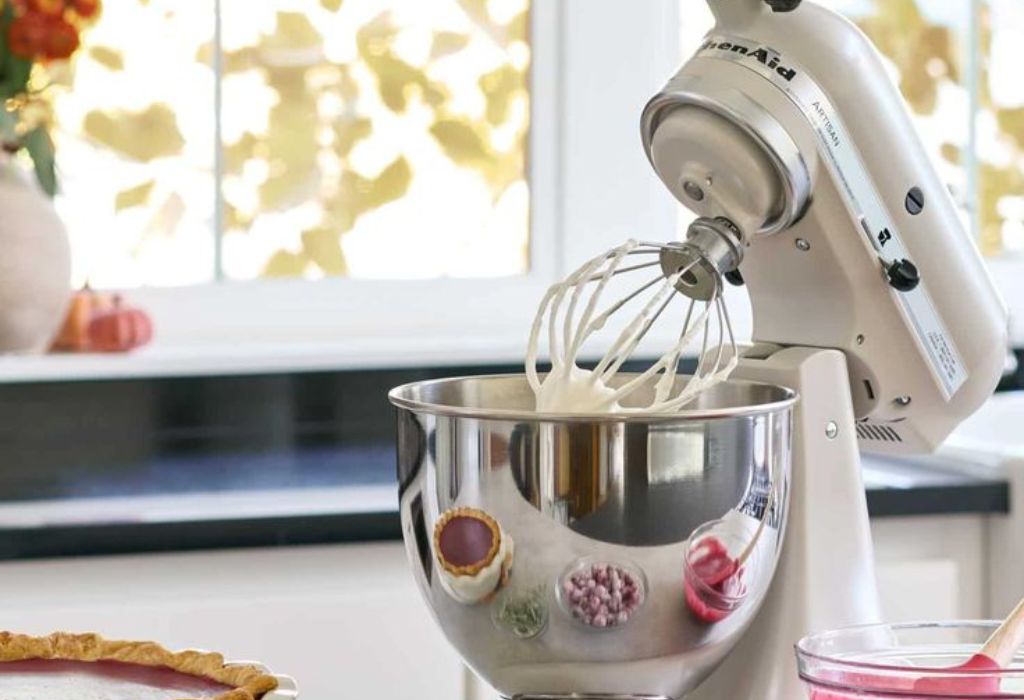
KitchenAid stand mixers have a long standing reputation for lasting far longer than most kitchen appliances, often performing reliably for fifteen to twenty years or even more.
Many users share stories of mixers passed down through generations, still working as smoothly as the day they were purchased. Understanding how long these mixers last helps buyers appreciate their value and take proper care of them.
KitchenAid mixers are built with strong materials and carefully engineered components that handle heavy loads without wearing out quickly.
Their sturdy motors and all metal construction make them suitable for frequent and intensive baking. These qualities allow KitchenAid mixers to outperform cheaper models over long periods.
How long a mixer lasts depends partly on usage habits. Someone who occasionally bakes cookies places very light strain on the machine, while someone kneading tough dough several times a week puts far more stress on the gears and motor. This difference in workload greatly affects longevity.
Maintenance also plays an important role in mixer lifespan. Regular cleaning, proper lubrication and avoiding overloads help protect the internal parts. A well maintained mixer remains efficient and strong for many years.
Design also contributes to long lifespan. KitchenAid uses a planetary mixing action that distributes strain evenly across the ingredients, preventing stress on a single area. This even distribution keeps both the motor and gears in good shape.
This guide explains how long KitchenAid stand mixers last and why their lifespan is longer than many people expect. You will learn how usage, maintenance and construction quality influence longevity. With proper care, your KitchenAid mixer can run smoothly for decades.
Why KitchenAid Stand Mixers Are Known for Long Lifespan

KitchenAid stand mixers are known for their impressive lifespan because they are built with high quality materials and durable internal components.
Unlike many lightweight kitchen appliances, these mixers use solid metal bodies that resist cracking, bending or breaking. This strong construction prevents structural damage even during heavy mixing.
The motor design also contributes to long life. KitchenAid motors are engineered to deliver steady power without overheating quickly. This controlled performance reduces strain and extends the operational lifespan.
Planetary mixing action helps the mixer last longer. The beater rotates in several directions, spreading force evenly across the bowl. This reduces stress on both the motor and gears.
Brand reputation plays a significant role in long lifespan recognition. KitchenAid designs appliances with longevity in mind, focusing on durability instead of disposable design. This commitment to durability strengthens their long standing reputation.
Heavy duty gears also contribute to long life. The internal gear system is strong enough to handle tough doughs and dense batters without slipping or breaking. This gear strength ensures consistent performance for years.
Users frequently report decades of reliable operation. Many mixers from the 1980s and 1990s are still in working condition today. This real world evidence supports the brand’s durability claims.
KitchenAid mixers last long because they combine strong materials, engineered performance and proven design. Their thoughtful construction ensures reliability through countless baking projects. This makes them a trusted appliance for home cooks and professionals.
Average Lifespan of KitchenAid Stand Mixers
Most KitchenAid stand mixers last between fifteen and twenty five years depending on use and maintenance. Light home use often results in even longer lifespan. Some mixers last well over thirty years when cared for properly.
Light usage puts minimal stress on the motor and gears. Occasional cookie dough or cake batter gives the machine very little strain over time. Mixers used this way commonly perform flawlessly for decades.
Heavy usage reduces lifespan slightly. Daily bread making or large batch mixing pushes the motor harder and warms the gears faster. Even with heavy use, these mixers still run reliably for many years.
Residential use differs from professional use. Home bakers typically place less load on the mixer than bakeries or catering businesses. Commercial environments shorten lifespan due to constant demand.
KitchenAid mixers rarely fail suddenly. Most wear related issues appear gradually, giving owners time to repair or maintain the machine. This predictable wear pattern makes them easier to maintain over time.
When comparing lifespan with other brands, KitchenAid consistently ranks above competitors. Many lower priced mixers last only three to five years under similar conditions. KitchenAid’s long term performance justifies its higher purchase price.
A typical KitchenAid mixer lasts decades because it is built to handle frequent tasks without breaking down quickly. Long lifespan makes these mixers a smart investment for any kitchen. With good care, they become one of the longest lasting appliances in the home.
Factors That Affect How Long a KitchenAid Mixer Lasts
The lifespan of a KitchenAid mixer depends significantly on how often it is used. Daily bakers place more stress on the motor and gears than casual users who bake once or twice a month. Heavy loads accumulate over time and influence overall lifespan.
Dough type also affects longevity. Stiff bread doughs put more pressure on the motor and gear system than cake batters or whipped cream. Frequent kneading sessions shorten lifespan slightly if the mixer is overloaded.
Cleaning habits matter for durability. Allowing batter or ingredients to dry on the machine can cause residue buildup, attracting dust and clogging vents. Clean mixers operate more efficiently and stay cooler during use.
Proper speed selection protects the motor. Using high speeds for heavy dough forces the machine to work harder than necessary. Choosing the right speed reduces unnecessary strain.
The storage environment also affects lifespan. Storing the mixer in humid or dusty conditions increases the risk of internal problems. Keeping the machine clean and dry ensures long term health.
Motor strain impacts longevity as well. Overfilling the bowl or using incorrect attachments pushes the motor beyond its recommended limits. Consistent overloading shortens lifespan a little each year.
Understanding these factors helps owners extend the life of their KitchenAid mixer. Proper care, correct usage and mindful operation help the machine work smoothly for decades. This ensures long lasting performance and satisfaction.
Understanding the Build Quality of KitchenAid Mixers
KitchenAid mixers are recognized for their strong build quality, which sets them apart from many lightweight kitchen appliances.
Their bodies are made from heavy duty metal that resists cracking and maintains stability during mixing. This solid exterior gives the mixer long lasting structural strength.
Inside the mixer, steel gears provide durability during tough mixing tasks. These gears handle stress from dense doughs without chipping or breaking. Their strength ensures consistent performance over many years.
The planetary mixing action helps spread pressure evenly through the ingredients. Instead of concentrating force on a single part of the machine, the motion distributes stress across the bowl. This prevents the motor from working harder than necessary.
Motor design is another important factor in build quality. KitchenAid motors run at controlled speeds and avoid sudden bursts of power that could damage internal components. This smooth operation greatly extends the motor lifespan.
Attachments are also built with quality in mind. Most attachments are made from metal or strong composites that resist bending or cracking. This keeps them functional even after years of use.
Replacement parts are widely available, which supports the mixer’s long term durability. Being able to replace gears, bowls or attachments helps extend lifespan significantly. Users appreciate that KitchenAid supports repairs instead of fast replacement.
The overall build quality of KitchenAid mixers is designed to last for decades. Strong materials, durable engineering and easily replaceable parts create an appliance that grows with the user. This quality ensures long lasting reliability and consistent performance.
Maintenance Habits That Extend Mixer Life
Proper maintenance is essential for keeping a KitchenAid mixer running for decades. Regular cleaning prevents dried batter and debris from affecting internal performance. A clean mixer also stays cooler during operation.
Greasing the gears is an important maintenance task. KitchenAid mixers use food grade grease inside the gear housing that can dry out over time. Reapplying grease every few years helps the gears run smoothly.
Cleaning attachments after each use protects long term durability. Dried ingredients can weaken attachment surfaces and cause rust or damage. Quick washing ensures they stay in excellent condition.
Preventing overheating is crucial for mixer longevity. Running the mixer too long on high speed causes the motor to warm faster. Allowing rest periods helps the machine cool properly.
Avoiding oversize batches keeps strain off the motor. Filling the bowl beyond its recommended capacity forces the machine to work harder. Keeping batches within limits helps the motor last longer.
Cord care is another overlooked factor. Wrapping the cord loosely and keeping it away from sharp edges prevents internal wire damage. A damaged cord can cause electrical issues that shorten lifespan.
General upkeep, such as wiping the exterior and checking for loose screws, keeps the mixer stable. Small maintenance steps taken regularly prevent long term problems. Consistent care ensures the mixer stays reliable for many years.
Common Problems That Appear Over Time
Even though KitchenAid mixers are durable, some issues naturally appear after many years of use. Gear wear is one of the most common problems, especially for mixers used frequently for bread dough. Worn gears cause grinding sounds or inconsistent mixing.
Motor overheating may occur in mixers that handle heavy loads often. Overheating happens when the mixer is pushed beyond recommended limits. Proper usage helps minimize this issue.
A wobbling head is another common problem. This happens when the hinge pin becomes loose over time. Tightening the pin or having it serviced usually resolves the wobble.
Mixing bowl instability may develop after years of locking and unlocking the bowl. Worn bowl clips or mounts cause shaking during mixing. Replacing the clips restores proper bowl stability.
Accessory wear occurs with frequent use. Whisks, beaters and dough hooks may bend or lose shape after long use. Replacing them ensures proper mixing performance.
Noise increase is another sign of aging. Louder operation often indicates dry gears or internal parts needing lubrication. Proper maintenance helps quiet the mixer again.
These problems do not usually mean the mixer is broken. Most issues are repairable with basic parts and maintenance. KitchenAid mixers remain highly serviceable even after many years.
When to Repair and When to Replace a KitchenAid Mixer
Deciding whether to repair or replace a KitchenAid mixer depends on several factors. Minor issues such as loose pins, worn attachments or dried grease are easy to fix. These low cost repairs often restore the mixer to excellent condition.
Gear replacement is another common repair. KitchenAid gear kits are affordable and widely available. Replacing worn gears can add many years of life to the mixer.
Sometimes repair is not worth the cost. If the motor is failing or burnt, the repair may approach the price of a new machine. In such cases, replacement provides better long term value.
Warranty coverage also influences the decision. Newer mixers may still be under warranty, making repairs free or less expensive. Older mixers outside warranty require full repair costs.
Consider the mixer’s age when making the decision. Mixers older than twenty or thirty years may still work, but parts may need frequent attention. If you prefer convenience over repair projects, replacement may make sense.
Long term value is important. Well maintained mixers often justify repair because they last decades. Cheaper mixers without strong build quality usually need replacement sooner.
Knowing when to repair or replace helps you manage your budget and expectations. Repairing small problems keeps the mixer running smoothly, while replacing major issues ensures better performance. This balance helps users maintain long lasting kitchen tools.
Real Lifespan Stories From KitchenAid Owners
Real user experiences provide strong evidence of how long KitchenAid mixers truly last. Many owners mention using their mixers for ten or fifteen years with no major issues. These long term stories highlight the durability of the design.
Some owners report even longer lifespans. Mixers that are twenty or twenty five years old still work reliably with proper care. These stories show how well the mixers hold up over decades.
There are cases of mixers lasting more than thirty years. Some families pass mixers from one generation to the next. These mixers continue to perform because of their strong metal construction and repairable parts.
Heavy duty bakers also share impressive experiences. Users who bake bread daily report that their mixers withstand constant kneading with minimal wear. Occasional repairs such as gear lubrication help keep them functioning smoothly.
Commercial users also rely on KitchenAid mixers. Even in bakery environments, these mixers hold up better than many consumer brands. Their sturdy motors help resist burnout even with continuous use.
Personal stories also mention small repairs that extend life. Simple fixes such as replacing a gear or tightening a hinge add many more years of use. This easy maintenance makes the mixers highly sustainable.
These real lifespan stories demonstrate that KitchenAid mixers often exceed expectations. Their long lasting performance earns trust from home bakers and professionals. With proper care, they become lifelong kitchen companions.
How to Choose the Right KitchenAid Model for Long Life
Choosing the right KitchenAid model is important for maximizing longevity. Different models offer different power levels and gear designs. Selecting the right one ensures better performance and strength.
Power levels influence how well the mixer handles heavy doughs. Higher wattage models manage tough ingredients with less strain. This reduces motor fatigue and increases lifespan.
Bowl capacity also matters. Larger bowls suit users who make big batches regularly. Smaller bowls work well for lighter tasks but may limit frequent bakers.
KitchenAid models vary by series. The Classic series works for beginners, while the Artisan series offers more power and durability. The Professional series provides top tier performance for heavy users.
Gear material affects durability. Some older models used nylon gears, while newer professional models use metal gears. Metal gears withstand stress better and last much longer.
Budget plays a role in model selection. Higher priced models often include stronger motors and longer lasting components. Choosing based on usage instead of price alone ensures the best long term value.
Picking the right model helps extend mixer life. Matching the machine to your cooking habits creates better performance and minimal strain. This selection process supports long term reliability.
Best Practices to Keep Your Mixer Running for Decades
Proper usage techniques greatly extend mixer lifespan. Always load the bowl according to recommended limits. Overloading increases strain on the motor and gears.
Following speed guidelines is essential. Use low speeds for heavy doughs and higher speeds for light mixtures. Correct speed selection prevents unnecessary pressure on the mixer.
Regular lubrication keeps gears running smoothly. Applying food grade grease every few years helps maintain internal parts. This prevents wear and reduces noise.
Cleaning the machine after every use supports efficiency. Removing residue prevents buildup around vents and moving parts. A clean mixer runs cooler and lasts longer.
Storing the mixer in a dry, safe place prevents environmental damage. Humid or dusty areas shorten motor and electrical life. Proper storage conditions improve long term protection.
Using correct attachments preserves motor health. Each attachment is designed for specific tasks, and using the wrong one causes strain. Proper attachment choice ensures safe operation.
Following these best practices helps your mixer stay in excellent condition. Small habits performed consistently create long lasting results. With proper care, your KitchenAid mixer can easily last several decades.
Common Questions About How Long KitchenAid Mixers Last
How long do KitchenAid stand mixers usually last?
Most KitchenAid mixers last between fifteen and twenty five years with normal home use. Many last even longer with proper care. Their durable motors and metal construction support impressive longevity.
Can a KitchenAid mixer last more than 30 years?
Yes, many owners report mixers that have lasted thirty years or more. Proper lubrication and regular cleaning help extend lifespan. Older models often remain fully functional with minimal repairs.
Does heavy use shorten a KitchenAid mixer’s life?
Heavy use places more stress on the gears and motor. However, KitchenAid mixers are built to handle tough tasks with minimal wear. Proper speed selection and avoiding overloads help maintain longevity.
Do KitchenAid mixers with metal gears last longer?
Yes, metal gears handle strain better than older nylon gears. They resist cracking during tough dough mixing. This upgrade increases durability in newer professional models.
How often should a KitchenAid mixer be serviced?
Light users can service their mixer every three to five years. Heavy users may need lubrication sooner. Routine maintenance keeps the motor cool and gears running smoothly.
What signs show a KitchenAid mixer needs repair?
Grinding noises, wobbling heads or inconsistent mixing indicate wear. Overheating or sudden speed changes also signal internal issues. Early repair prevents further damage.
Is it better to repair or replace an old KitchenAid mixer?
Small issues like worn gears or loose pins are easy to repair. Major motor failure may justify replacement. Many older mixers are worth repairing due to their strong build quality.
Why do older KitchenAid mixers last longer than newer appliances?
Older mixers were built with heavier metal parts and long lasting motors. Their simple design reduces failure points. Many users say older models outperform modern lightweight appliances.
Does storing a mixer properly increase lifespan?
Yes, storing the mixer in a dry and safe location prevents rust, dust and electrical issues. Good storage protects internal components. This helps maintain long term reliability.
Does cleaning affect how long a KitchenAid mixer lasts?
Yes, cleaning prevents residue buildup and keeps the vents clear for proper cooling. A clean machine operates more efficiently. Good hygiene directly contributes to longer lifespan.
Conclusion
KitchenAid stand mixers are built to last far longer than most kitchen appliances, often remaining in excellent working condition for twenty to thirty years or more.
Their strong construction, durable gears and reliable motors make them a dependable choice for both casual cooks and serious bakers. With proper care, these mixers deliver consistent performance year after year.
Understanding the factors that affect lifespan helps you maintain your mixer in the best possible condition.
Regular cleaning, correct usage techniques and occasional lubrication keep the internal components functioning smoothly. When small repairs are needed, they are usually simple and affordable.
Choosing the right model also plays an important role in longevity. A mixer that matches your cooking habits provides better performance and less strain on the motor. With mindful use, a KitchenAid mixer becomes a long term investment that truly pays off.

I’m Emma J. Caldwell, the founder, lead writer, and home-cooking enthusiast behind KitchenGuideCo.com. With a background in culinary arts and over a decade of cooking experience in both professional and personal kitchens, I created this platform to demystify recipes, offer smart kitchen gadget reviews, and guide readers through meal prep with confidence and clarity.