Many people assume a food processor can run endlessly like a blender, but I once watched someone grind nuts continuously until smoke started rising from the motor vents. The processor was doing its job, but it simply wasn’t designed for such long, uninterrupted sessions.
Only after cooling it down and reading the manual did we realize that most processors have strict runtime limits for safety.
Food processors are powerful, but their motors generate heat quickly when dealing with tough ingredients. Unlike blenders, they do not have tall jars that create constant liquid flow to cool the blades. That’s why learning the safe operating time protects both the machine and your recipes.
Understanding run-time limitations prevents overheating, motor burnout, and premature wear. Once you know how long to run your food processor, you can plan your tasks smarter and avoid damaging the appliance.
This guide will show you exactly how long a processor can run safely and how to keep it working efficiently.
How Long You Can Run a Food Processor Safely

A food processor should generally run for 30 seconds to 1 minute at a time during normal tasks.
Most models are not designed for long, uninterrupted operation because their motors heat quickly under load. Overusing them without breaks increases the risk of overheating and motor damage.
Food processors build heat because they chop dense ingredients at high speed. When the bowl is full or ingredients are tough, resistance increases. This forces the motor to work harder, producing more internal heat.
Manufacturers typically recommend short bursts rather than continuous operation. Using the pulse button reduces stress on the motor. This approach keeps the internal components cool and prolongs appliance life.
Light tasks like chopping onions or shredding cheese require short run times. The machine finishes these tasks in seconds, making continuous operation unnecessary. Longer running offers no benefit and adds unnecessary strain.
Heavy tasks such as nut butter require more caution. These ingredients generate friction as they break down, making heat escalate rapidly. You must stop the processor frequently to release heat.
The best rule is to run the processor only as long as needed to complete the task. Once you see ingredients forming the correct texture, stop immediately. Letting the machine run longer only risks overheating.
Always check your model’s manual for task-specific guidelines. Some high-end processors allow longer runtimes depending on motor design. Following these guidelines keeps your machine protected.
Can I run a food processor for 5 minutes straight?
No, that long can cause overheating unless it’s a commercial model.
Why does my processor smell like burning?
The motor is overheating and needs immediate rest.
Can short pulses prevent overheating?
Yes, pulsing reduces heat buildup and motor strain.
Is continuous running safe for soft foods?
Only briefly; even soft foods heat the motor over time.
Are high-watt processors safer for long running?
They handle heat better but still require breaks.
Why Food Processors Overheat During Long Use
Food processors overheat because their motors generate friction as they cut through dense foods. The more resistance the blades encounter, the hotter the motor becomes. When used continuously, there is not enough time for the heat to dissipate.
Processors are built for short, powerful bursts rather than extended running. Their motors are compact and sealed, trapping heat inside. This design works great for quick tasks but struggles with long duration processing.
Thick mixtures, like dough or nut pastes, create extra resistance. As the blades push through these mixtures, internal temperatures rise rapidly. Heat builds faster than the cooling system can handle.
Most food processors rely on air circulation through bottom vents for cooling. If these vents get blocked by dust or cloth, heat increases even faster. Clean vents allow better airflow and protect the motor.
Overfilling the processor makes overheating worse. When ingredients fill the bowl completely, airflow is restricted. Limited space forces the motor to work harder at slower blade speeds.
Another reason processors heat quickly is their wide bowl design. Ingredients sit far from the blades and require more movement to break down. This extra movement results in more heat over time.
Long running also breaks down lubrication inside the motor. Reduced lubrication increases friction between parts. This leads to mechanical strain and overheating.
Recommended Run Time for Different Food Processor Tasks
Different tasks require different safe run times in a food processor. Light tasks like chopping vegetables or shredding cheese usually take under 15 seconds. These quick tasks put minimal strain on the machine.
Pureeing soups or sauces takes slightly longer. Even then, continuous running beyond 30 to 45 seconds is not recommended. If the puree needs more time, take short breaks between bursts.
Making nut butter is one of the heaviest tasks for a processor. This job can take several minutes, but it must be done in short intervals. Most people pulse for 20–30 seconds, rest the machine, then resume.
Kneading dough is also very demanding. Dough creates heavy resistance against the blade. Manufacturers typically recommend running in short pulses with long cooling breaks.
Grinding meat should always be done in quick bursts. The fibers bind together and strain the motor, heating the processor rapidly. Keeping ingredients cold reduces heat buildup and improves results.
Crushing ice or frozen fruit requires careful timing. Frozen materials resist cutting and generate more friction. Pulse slowly to prevent overheating and motor stress.
Always refer to your model’s instructions because some heavy-duty processors allow longer runtimes. Higher wattage and better cooling designs improve performance. Knowing your machine’s limits ensures safe operation.
Can I make nut butter in one continuous run?
No, you must process in intervals to protect the motor.
How long can I puree sauce at once?
Usually 30–45 seconds before resting.
Does dough stress the processor more than chopping?
Yes, dough creates far more resistance and heat.
Can I grind meat continuously?
No, short bursts keep the motor cool and efficient.
Why does ice make the processor struggle?
Ice creates impact force and friction, heating the motor quickly.
Signs Your Food Processor Needs Rest
Your food processor gives several warning signs when it’s overheating. A warm or hot base is the first indication that you should stop immediately. Heat means the motor is struggling to cool itself.
Another warning sign is a burning smell. This odor comes from overheated wiring or melting insulation inside the machine. If you smell burning, unplug the processor right away.
A slowing motor is also a sign of overheating. When the motor strains, blade speed decreases. This slowdown means components are too hot to function properly.
Unusual noises, like grinding or humming, indicate internal stress. These noises suggest the motor is battling too much resistance. Continuing to run the device risks permanent damage.
If steam or heat escapes from the vents, stop immediately. This means internal temperatures are extremely high. Cooling is urgently needed to avoid burnout.
Processors may also vibrate more when overheating. Excessive vibration shows the machine is imbalanced or overloaded. Reducing the load can restore normal operation.
Ignoring overheating signs shortens motor life drastically. Giving the processor rest ensures longer, safer performance. Managing heat properly protects both the appliance and your food.
How to Prevent Overheating and Motor Damage
Preventing overheating starts with using short bursts instead of continuous operation. Pulsing gives the motor time to breathe between actions. This significantly reduces heat buildup.
Avoid overfilling the processor. Keeping the bowl only half-full ensures blades move freely. Proper space lowers resistance and heat.
Chill ingredients before processing. Cold foods create less friction and reduce motor strain. This works especially well for meat, dough, and frozen items.
Clean the cooling vents regularly. Dust buildup blocks airflow and traps heat inside the machine. Using a brush or vacuum helps maintain proper ventilation.
Take breaks every 20–30 seconds during heavy tasks. These breaks allow the motor to cool naturally. Long rests prevent heat damage to the wiring.
Do not force the machine by pushing ingredients down. Forcing them increases resistance and makes the motor overheat faster. Let the blades do the work at their own pace.
Cooling the bowl between batches helps too. Rinsing the bowl with cold water lowers internal temperature. Cooler surfaces protect the motor and improve food texture.
Why should I pulse instead of running continuously?
Pulsing regulates heat and keeps the motor safe.
Do chilled ingredients help prevent overheating?
Yes, cold foods reduce friction and motor strain.
Can blocked vents cause overheating?
Absolutely, blocked vents trap heat and damage the motor.
Should I stop processing if speed slows?
Yes, slowing indicates overheating and requires rest.
Is it safe to cool the motor with a fan?
Yes, using a fan speeds up cooling between batches.
Tasks That Should Not Be Done for Long Periods
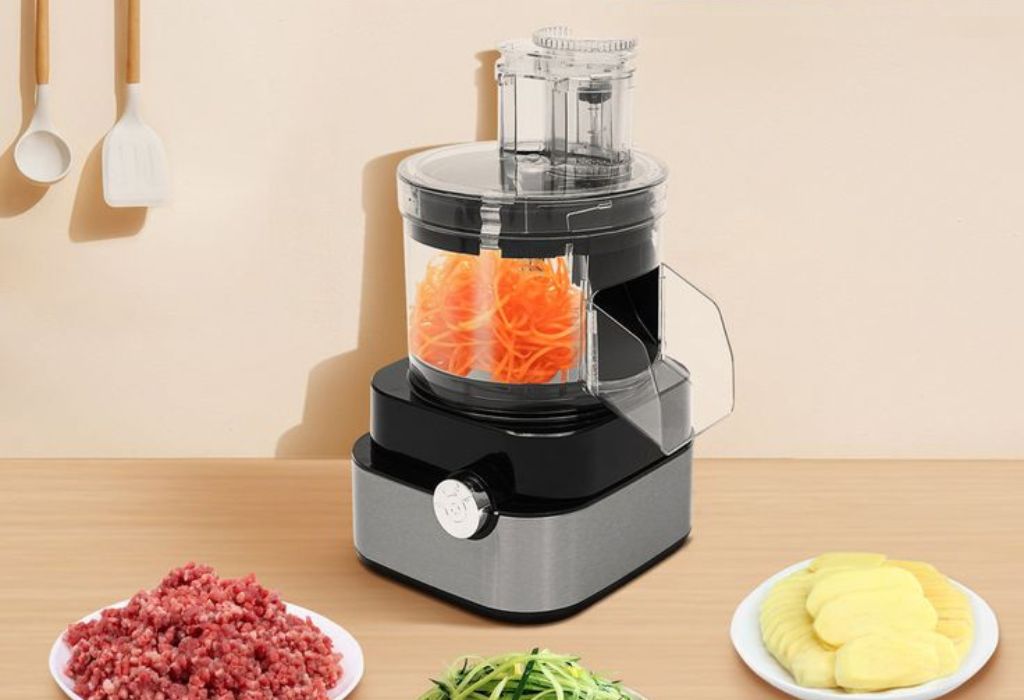
Certain tasks should never be done continuously in a food processor. Nut butter, dough, and frozen items create massive strain on the motor. Running them too long risks overheating and permanent damage.
Processing thick mixtures increases friction. As friction rises, the motor draws more power and heats faster. Long sessions can melt internal insulation.
Grinding dry nuts becomes difficult when oil is not yet released. The machine must work harder to break tough nut fibers. This drastically shortens runtime before overheating.
Overprocessing dough is harmful. Dough becomes heavy and sticky, resisting the blade’s movement. The motor heats rapidly under the extra load.
Crushing ice continuously can damage blades. Ice hits the bowl hard and increases vibration. This makes extended operation unsafe.
Any task requiring low liquid levels creates more resistance. Low moisture prevents ingredients from moving smoothly. Constant resistance overworks the motor.
Heavy-duty tasks should always be broken into intervals. Using proper technique protects the machine and ensures quality results. Careful timing prevents burnout.
Tips for Extending Food Processor Motor Life
Keeping your food processor motor healthy requires simple ongoing care. Regular cleaning prevents residue buildup that causes drag on the blades. Clean blades reduce strain and improve efficiency.
Do not run the motor when the bowl is empty. This spins the blade without resistance and increases heat. Always load ingredients before activating the machine.
Use the right blade for each task. Incorrect blades create unnecessary resistance. Matching blade type to task protects the motor.
Avoid processing overly large batches. Split big recipes into smaller batches. This lowers workload and heat production.
Lubricate moving parts when required by manufacturer instructions. Proper lubrication keeps components moving smoothly. Less friction equals less heat.
Store the processor in a cool area. High temperatures can damage electrical components over time. Cool storage prolongs lifespan.
Follow manufacturer recommendations carefully. Each model has unique limits. Understanding those limits is the key to long-term performance.
Conclusion
Knowing how long you can safely run a food processor helps protect both your machine and your recipes.
These appliances are powerful, but they are designed for short bursts of activity rather than long continuous blending, especially when dealing with dense ingredients like dough, nuts, or frozen foods.
Running them too long overheats the motor, increases friction, and can even damage internal components, leading to costly repairs or early failure. Understanding the limits ensures your food processor stays reliable for years.
By pulsing instead of running continuously, controlling batch sizes, and keeping ingredients properly chilled, you dramatically reduce strain on the motor.
Cleaning the vents, avoiding overfilling, and using the correct blade for each task also play crucial roles in preventing overheating.
Each small adjustment helps the motor stay cool and maintain productivity during tough jobs. The difference between a struggling motor and a smoothly operating one usually comes down to smart usage habits.
Over time, careful operation not only extends the lifespan of your food processor but also improves the quality of your food.
Tasks complete more evenly, textures stay consistent, and motors run more quietly when handled correctly. With the right approach, your processor becomes a dependable kitchen partner instead of a tool pushed to its limits.
Respecting run-time guidelines and giving the machine proper rest ensures safer use, longer performance, and better results every time.

I’m Emma J. Caldwell, the founder, lead writer, and home-cooking enthusiast behind KitchenGuideCo.com. With a background in culinary arts and over a decade of cooking experience in both professional and personal kitchens, I created this platform to demystify recipes, offer smart kitchen gadget reviews, and guide readers through meal prep with confidence and clarity.